Turns out the Vikings weren't just about the axes and longships. Apparently, they were also serious about their thread count. Archaeologists in Denmark just unearthed a massive Viking Age textile production site that's over 1,000 years old, proving these Norsemen were less 'barbaric horde' and more 'highly organized industrial complex.'
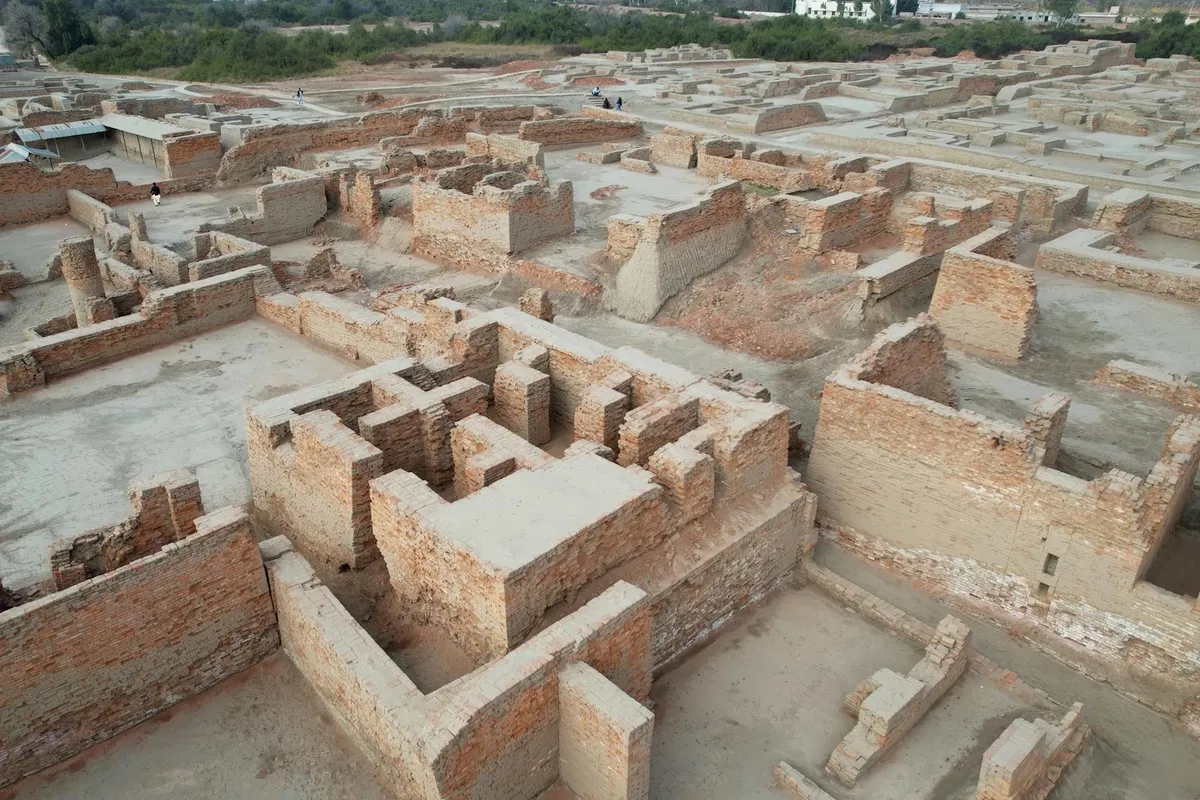
This isn't just a few spinning wheels in a hut. This site spans a mind-boggling 100,000 square meters — that's over 1 million square feet, or roughly 25 American football fields worth of Viking industry. It includes a dedicated area for processing flax (the plant that becomes linen) and more than 80 'pit houses' — semi-submerged huts that doubled as workshops and homes.
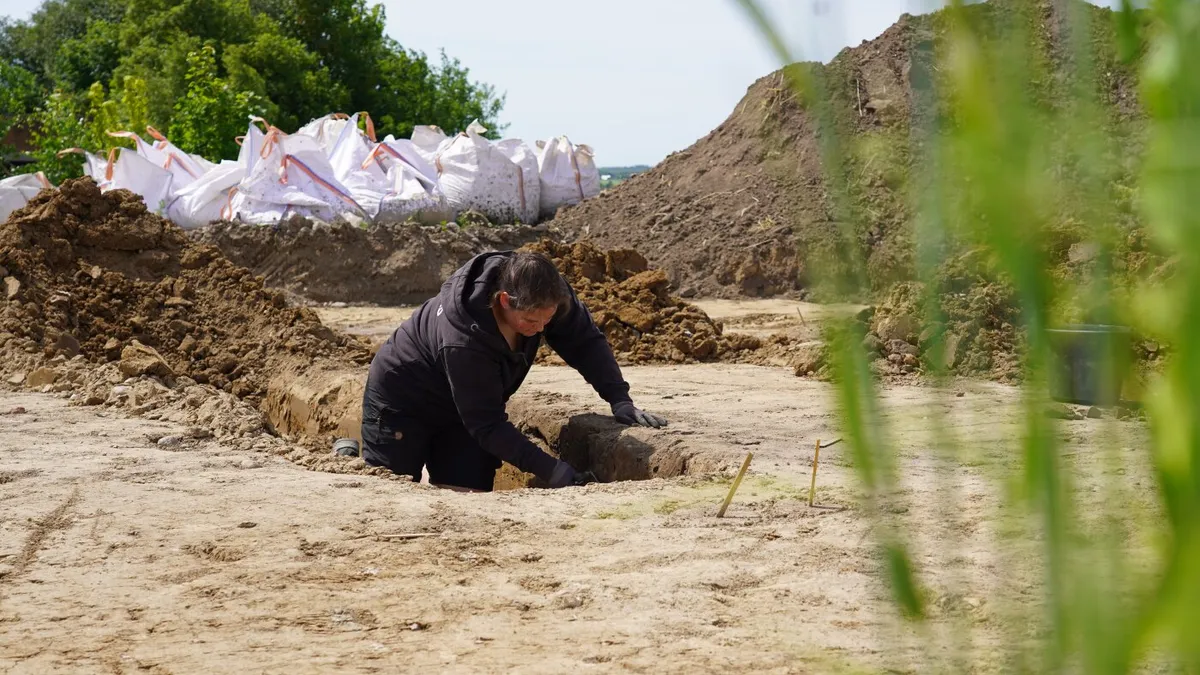
Located in Søften, just north of Aarhus, Denmark's second-largest city, the site dates back to the late Iron Age and early Viking Age (A.D. 600-950). Liv Stidsing Reher-Langberg, who led the 10-month excavation, noted that a site so singularly focused on textiles is unique for the period. They found spindle whorls and loom weights everywhere, along with a scattering of silver coins, glass beads, and pottery — because even ancient textile workers needed a little bling.
We're a new kind of news feed.
Regular news is designed to drain you. We're a non-profit built to restore you. Every story we publish is scored for impact, progress, and hope.
Start Your News DetoxThe Viking Supply Chain Was Seriously Impressive
What's particularly fascinating is the layout: separate zones for production and crafts, plus a single, larger residential home. This strongly suggests a powerful individual was overseeing the whole operation, pulling the strings (pun intended) and controlling the resources. Because, let's be honest, someone had to manage all that flax.
This discovery sheds new light on the local economy and politics of the time. Aarhus, then known as Aros, was a major hub for royalty and international trade. Historian Kasper Andersen believes that textiles and other goods from rural areas like Søften were funneled into Aarhus, then entered a vast international trade network. A production site of this scale wasn't just making clothes for the neighbors; it was fueling a global enterprise.
Future carbon dating and pollen analysis should reveal even more about the specific types of textiles they were churning out. But for now, let's just appreciate that the Vikings, often caricatured as simple raiders, were actually running sophisticated manufacturing operations. Which, if you think about it, is both impressive and slightly terrifying. Imagine having that kind of efficiency on your raiding party.