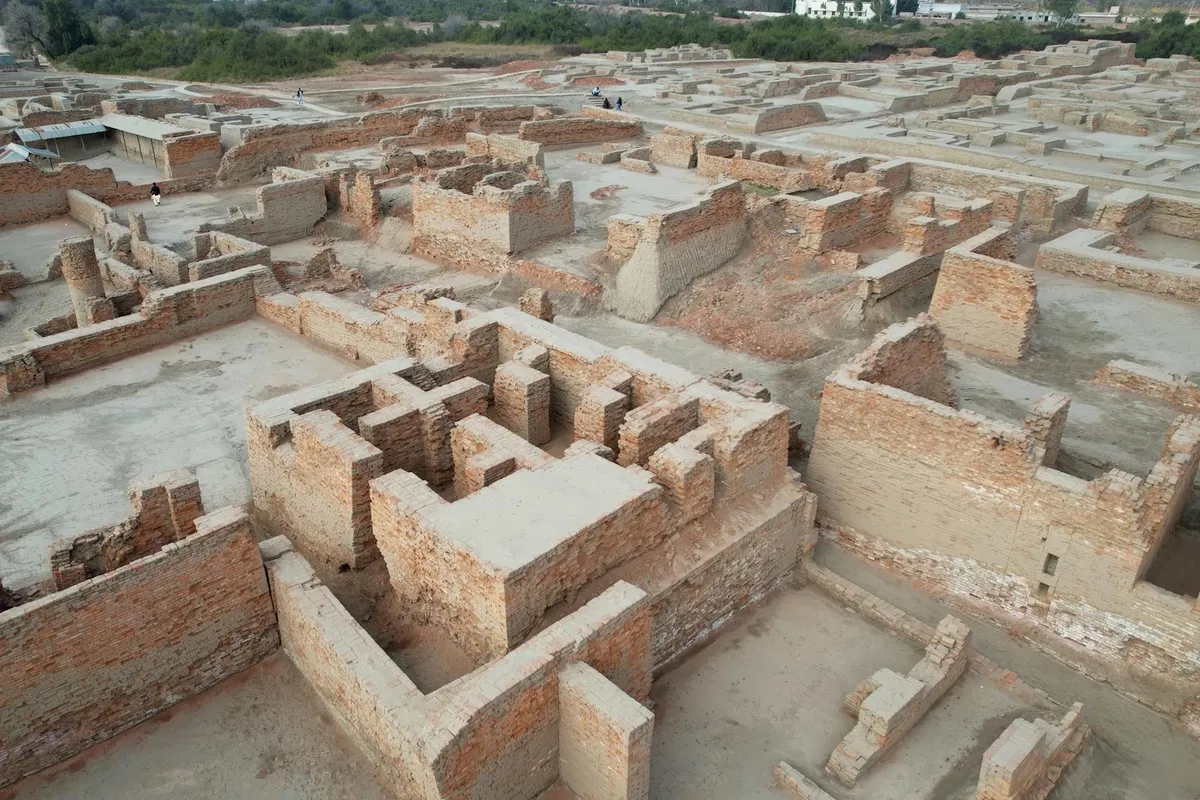
Picture this: a bustling ancient city, 4,000 years old, with advanced drainage systems and organized street layouts. But here's the kicker — no palaces, no grand tombs, no statues of god-kings. Just a city where, apparently, everyone got along, and wealth was actually shared.
Meet Mohenjo-daro, a major hub of the ancient Indus Civilization. While most historians assume that big cities inevitably lead to bigger gaps between the haves and have-nots, Mohenjo-daro decided to politely ignore that memo. A new study out of the University of York suggests that as this city grew, it actually became more equal. Let that sink in.
The City That Didn't Do Inequality
Researchers looked at house sizes in Mohenjo-daro, a pretty solid indicator of wealth back in the day. What they found was surprising: the difference between the largest and smallest homes shrank over time. By its later years, the wealth gap in this sprawling urban center was comparable to that of early farming villages. Because apparently, Mohenjo-daro was too busy building advanced brick drains to bother with a ruling class.
We're a new kind of news feed.
Regular news is designed to drain you. We're a non-profit built to restore you. Every story we publish is scored for impact, progress, and hope.
Start Your News DetoxDr. Adam Green, lead author of the study, put it simply: while Egyptians were busy stacking pyramids for their god-kings and Greeks were erecting palaces, the people of the Indus were focused on public good. Their investment went into practical systems that benefited everyone, not just a select few. Think shared infrastructure, not personal monuments.
This communal spirit wasn't just in their architecture. Those all-important Indus seals, used for trade, were found in ordinary homes, not hoarded in public buildings. No single ruler seemed to be calling all the shots or controlling all the resources. Instead, it seems people just… worked together. To make sure everyone had a decent quality of life. Wild, right?
They even had a standardized system of weights and measures across the region, which, if you think about it, is just a fancy way of saying they wanted trade to be fair for everyone. The findings, published in the journal Antiquity, really do poke a hole in the idea that economic growth must come with a side of spiraling inequality.
Mohenjo-daro suggests that a society can be technologically advanced and productive while still spreading the prosperity around. Dr. Green points out that the city is famous for what it doesn't have – no opulent displays of power. But what it does have is a compelling argument that prosperity doesn't need to be concentrated in a few hands. Maybe, just maybe, that even makes it last longer. A lesson from 4,000 years ago, delivered with surprising clarity.