When you've got a health question, where do you go? If you're like nearly three-quarters of humanity, you hit the internet. And when that question revolves around the trifecta of modern American health — diabetes, pre-diabetes, or just generally trying to avoid them — nutrition advice is usually the first stop. So, it only makes sense that tech, specifically AI, is now elbowing its way into our diets.
This week, the nation's brightest minds (and probably some very well-fed ones) gathered in Washington D.C. for FIMCON, the national Food is Medicine Conference. The main course? How to use digital platforms, behavioral science, and those shiny new AI tools to get people eating better. Google, January AI, and Instacart Health were all at the table, discussing how to make sure your next meal isn't just delicious, but also doctor-approved.
Turns out, the "Food is Medicine" movement and the generative AI boom are having a moment, simultaneously. Which, if you think about it, is both impressive and slightly terrifying. Because with great power (to generate recipes) comes great responsibility (to not accidentally tell someone to eat something that makes them glow in the dark).
We're a new kind of news feed.
Regular news is designed to drain you. We're a non-profit built to restore you. Every story we publish is scored for impact, progress, and hope.
Start Your News DetoxYour Digital Dietitian Has Arrived
Imagine an AI that knows your body better than you do, whispering personalized nutrition secrets into your ear, helping you sidestep chronic diseases before they even get a foot in the door. Or, making sure your food processor is so efficient it practically eliminates waste. According to a study in Frontiers in Nutrition, this isn't just sci-fi; it's the very real potential of AI.
And then there's the "dark matter" of food. No, not space food. We're talking about the gazillion unknown biomolecules in our grub. Researchers at the Periodic Table of Food Initiative are using AI and a global database to map this culinary cosmos, all to improve human and planetary health. Because apparently, even our food has secrets.
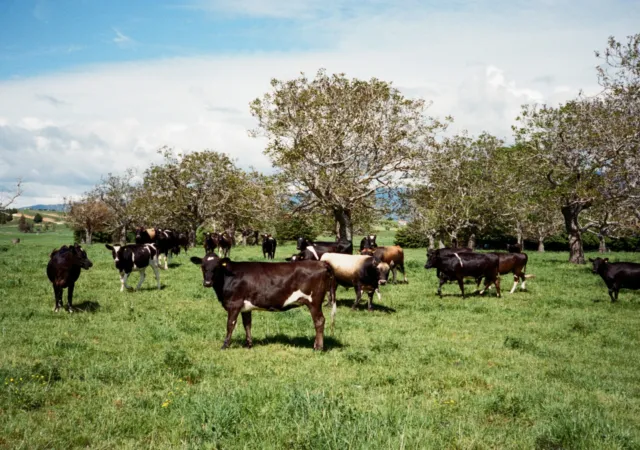
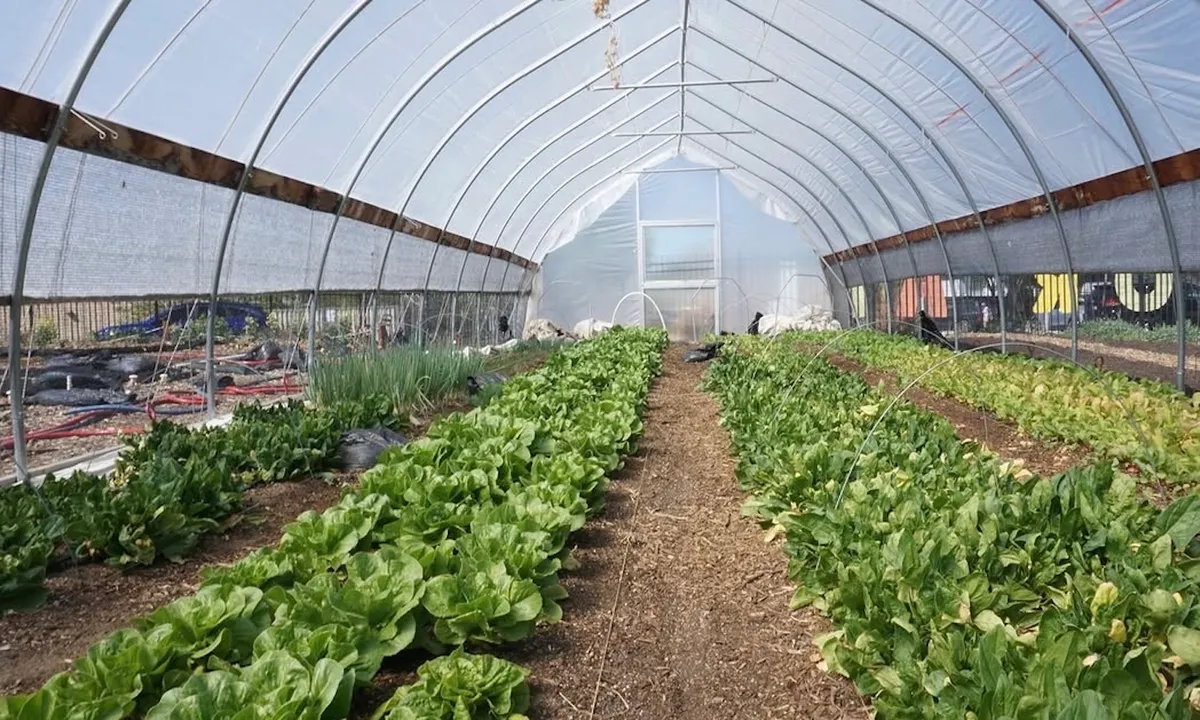
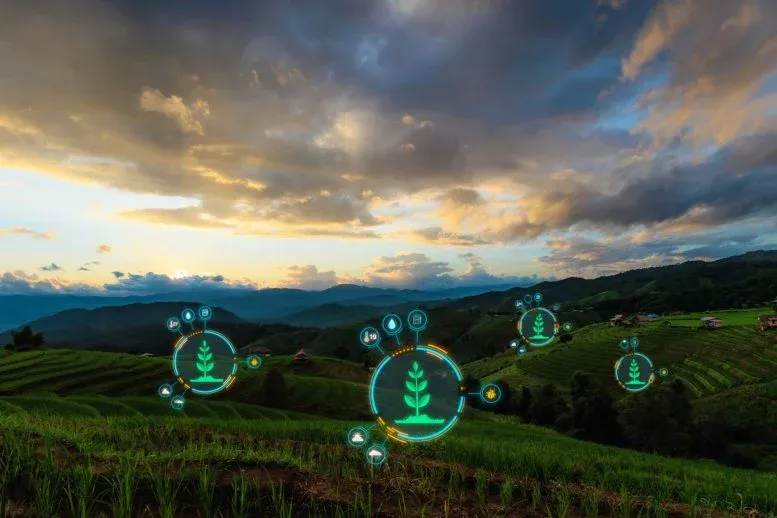
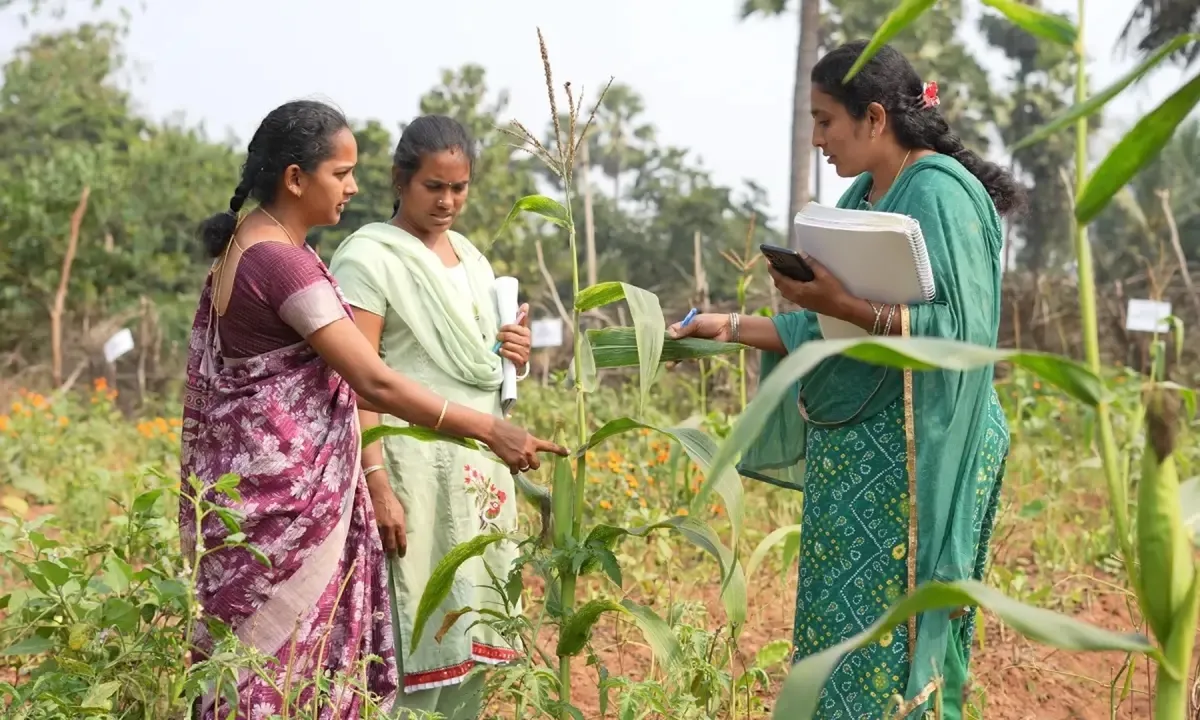
This AI-powered revolution isn't just for your plate; it reaches all the way back to the farm. Chefs and leaders at The Culinary Institute of America's Menus of Change summit were busy discussing how future food systems, including AI, are starting right there in the kitchen. Meanwhile, AI helps farmers play precision agriculture, predicting climate risks and making supply chains so transparent you could practically see your lunch being grown.
The Not-So-Sweet Side of AI
But before we all start letting ChatGPT plan our weekly meals, let's not forget the internet's golden rule: it's a hotbed of misinformation. Nira Goren from Google dryly noted that "About 50 percent of online nutrition information is disinformation." Let that sink in. Google, in a commendable effort to not accidentally turn us all into raw-kale-only devotees, is now working with the Tufts Food is Medicine Institute to ensure their AI tools are spouting only the highest quality, scientifically-backed nutrition wisdom.
It's a brave new world. Cardiologist Dariush Mozaffarian, who directs the Food is Medicine Institute at Tufts University, pointed out that the obesity epidemic is a relatively recent phenomenon. "There wasn't an obesity epidemic in 1995," he said. "This has happened in just the last 30 years." Thirty years and a staggering US$1.1 trillion in healthcare spending and lost productivity later, it's clear we've got a problem that needs more than just a diet fad.

So, as we dive headfirst into this AI-powered food future, the serious questions need asking. Indigenous wisdom, with its deep understanding of biodiversity and food sovereignty, offers powerful answers. And as the climate crisis continues its slow march, ignoring powerful tools like AI just isn't an option. The investment in these emerging technologies could nourish the entire planet – provided, of course, that we manage them with a focus on fairness and justice. Because even a super-smart AI needs a moral compass.