New research suggests that common advice about water and spicy food might be wrong. These studies looked at how water and spice affect how much people eat. The findings were quite surprising.
Water and Eating Habits
Many people believe drinking water with a meal helps them eat less. The idea is that water fills the stomach, making you feel full faster. However, a Cornell University study found this might not be true.
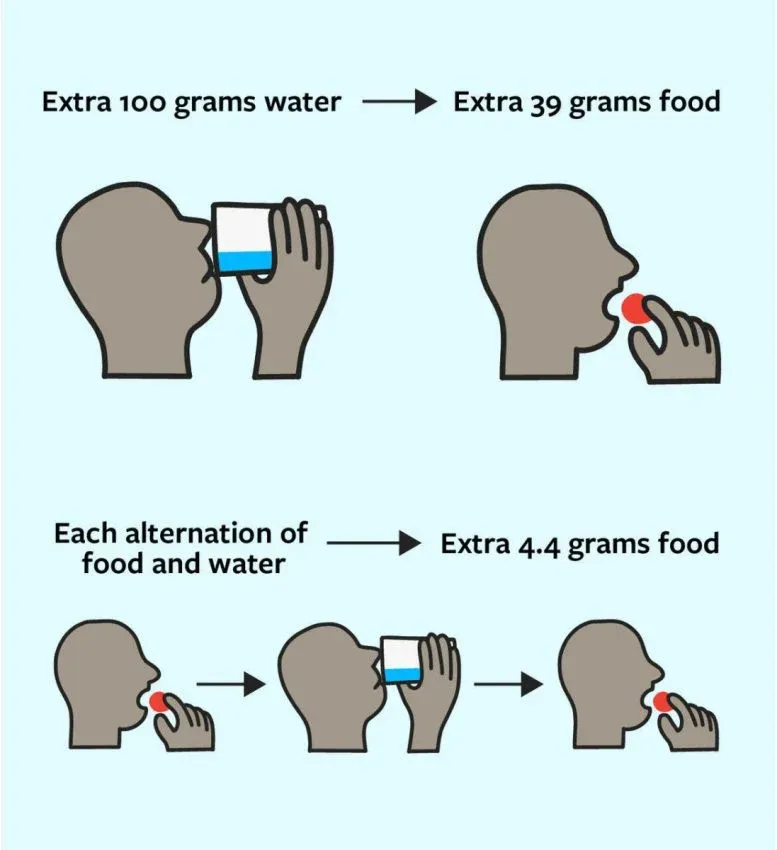
Researchers looked at data from experiments with 86 adults. They found that for every 100 grams of water participants drank, they ate about 39 extra grams of food. This added roughly 49 calories. People who switched more often between eating and drinking also ate more. Each extra switch was linked to eating another 4.4 grams of food.
We're a new kind of news feed.
Regular news is designed to drain you. We're a non-profit built to restore you. Every story we publish is scored for impact, progress, and hope.
Start Your News DetoxOne possible reason for this is "sensory-specific satiety." This means food becomes less appealing as you keep eating it. Taking sips of water might refresh your taste buds. This could make the food enjoyable for longer, delaying when you stop eating.
Paige Cunningham, a professor at Cornell, explained that water leaves the stomach quickly. So, it likely doesn't keep you full for long. Instead, water might help you eat more by lubricating your mouth and making food more enjoyable.
The study also had an unexpected finding: people who drank water faster actually ate less food. The researchers are still trying to understand why this happened. They are doing more studies to find a clear answer.
Spicy Food and Intake
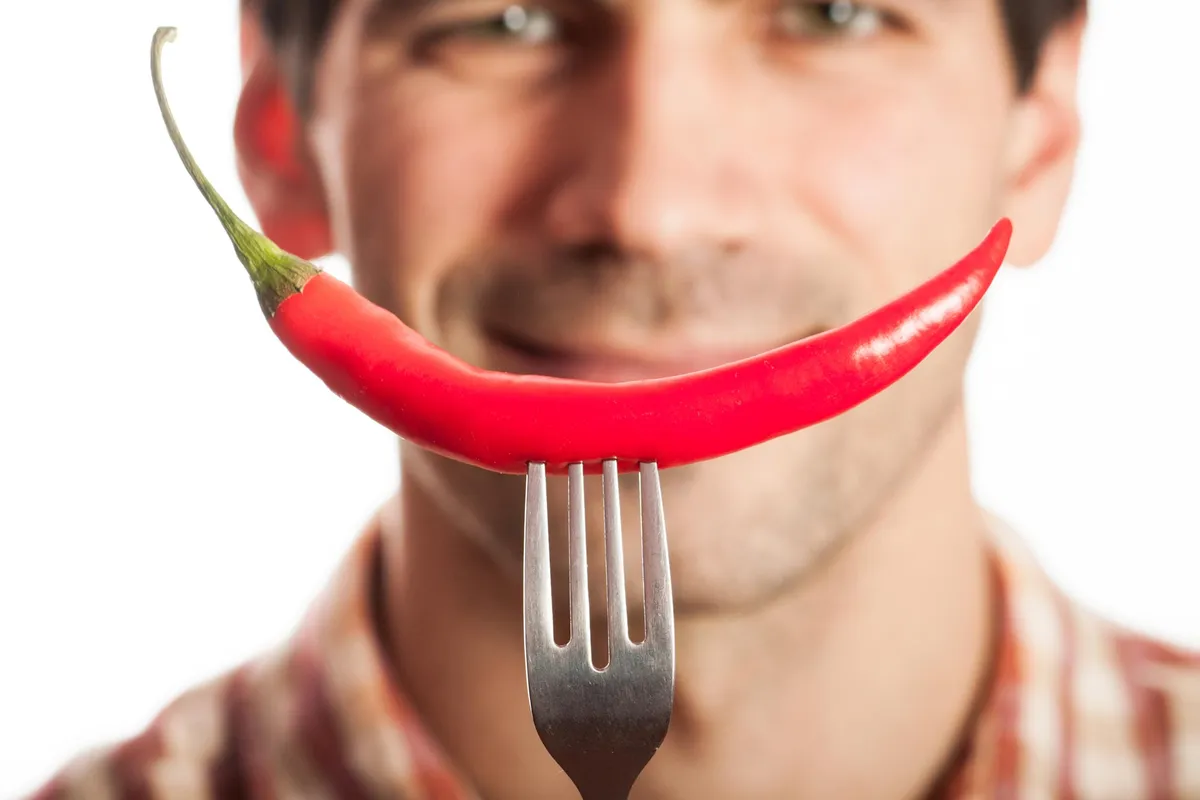
Another experiment looked at how spicy food affects eating. This study involved 49 adults who ate tortilla chips with either mild or spicy salsa. The only difference was the amount of cayenne pepper in the salsa.
When the salsa was spicier, participants ate 28% less of the snack overall. This included both the salsa and the chips. They also ate the spicy snack about 30% more slowly. Researchers think the heat made them eat slower, which reduced how much they consumed. Participants drank similar amounts of water in both cases, so drinking more water wasn't the reason for eating less.
Cunningham noted that adding spice to one part of a snack can significantly change how much people eat in total.
Challenging Common Advice
These studies challenge two common ideas about diet. Many people think drinking water with meals helps reduce food intake. Also, some might avoid spicy foods when trying to eat less. However, these experiments showed the opposite. Drinking more water was linked to eating more food, while adding spice was linked to eating less.
These findings suggest that these strategies could help people reduce their calorie intake. However, the researchers caution that these studies were done in a lab with specific foods. Different foods or everyday eating situations might lead to different results. They plan to do more research to explore other ways food properties can influence eating behaviors.
Deep Dive & References
- Water intake, switching between bites and sips, and drinking behavior are associated with food intake across meals varying in spiciness: A secondary analysis of two randomized crossover studies - Appetite, 2026
- Increasing the spiciness of a snack slows eating and reduces food and energy intake - Food Quality and Preference, 2026