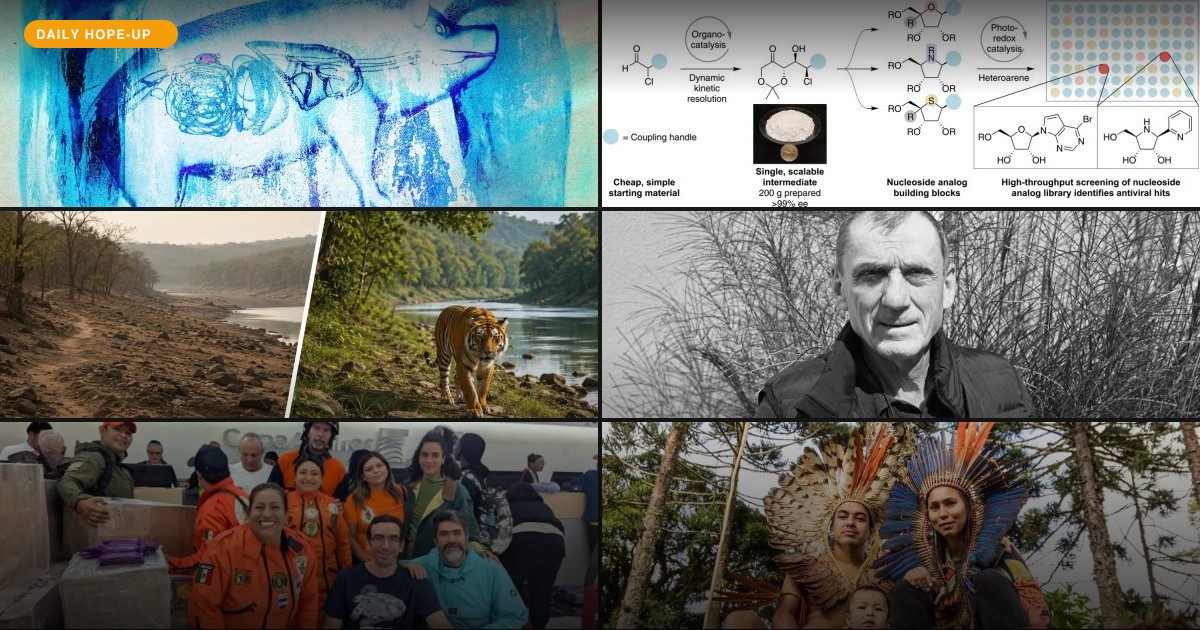
This week, it felt like the world had a list of urgent problems — from organ shortages to elusive viruses — and researchers decided to tackle them all at once. The common thread? A serious upgrade to the tools of discovery, allowing us to see more, do more, and understand more, faster than ever before.
The Need for Speed: Inventing Better Tools
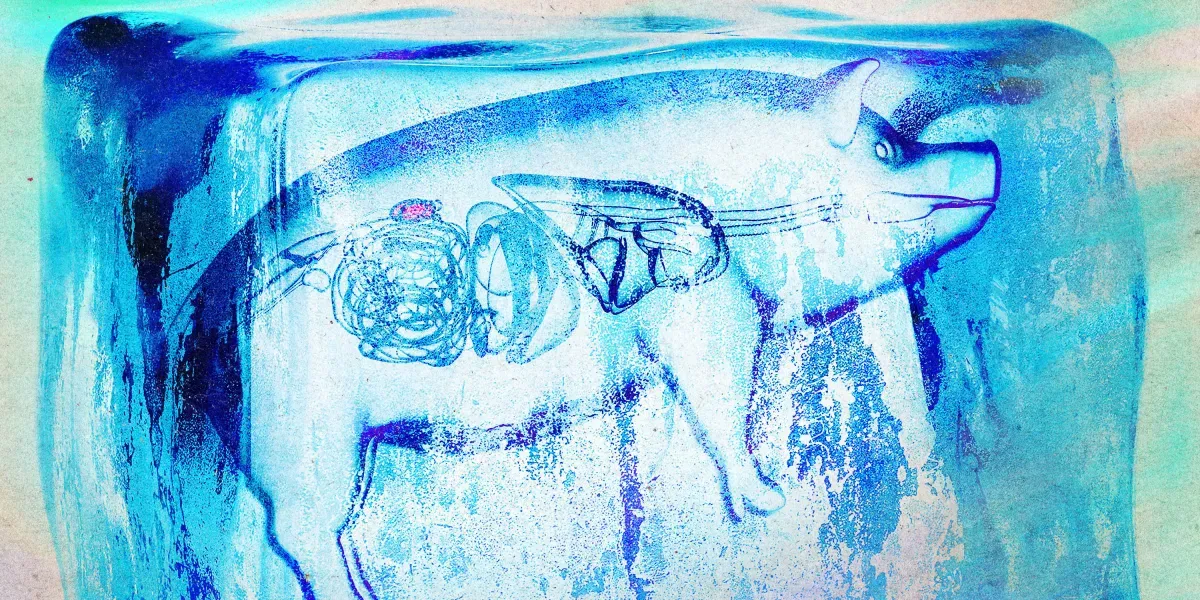
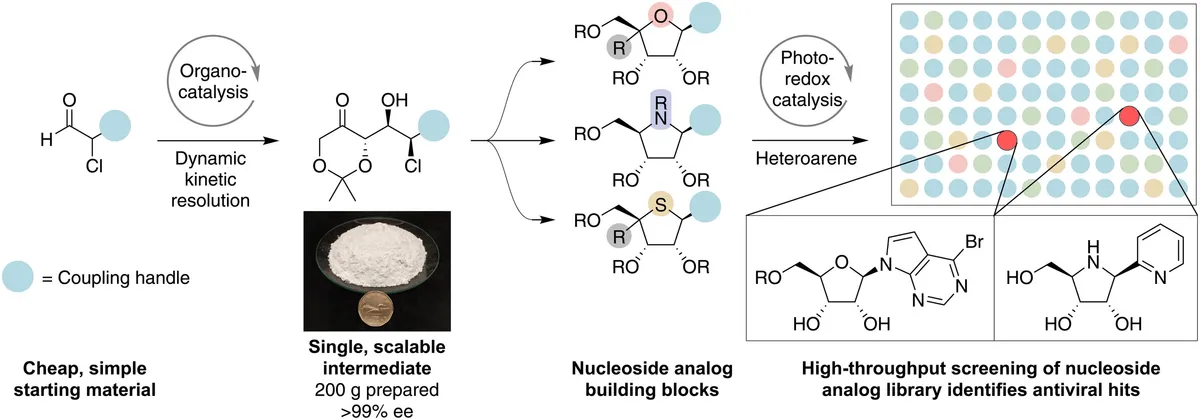
Around one in three donated kidneys are discarded each year because they degrade too quickly. Surgeons typically have a mere 18 to 24 hours. But what if that wasn't the limit? This week, researchers unveiled a device that allows kidneys to be stored for days, not hours. This isn't just a slight improvement; it's a fundamental shift, extending viability by as much as 300%. Elsewhere, Simon Fraser University researchers found a light-speed way to hunt down new antivirals, cutting years off the drug discovery process. Instead of painstakingly synthesizing compounds one by one, their new method can create vast libraries of potential drugs 10 to 100 times larger, within weeks. In both cases, the innovation wasn't just a discovery, but a new way to discover, radically accelerating solutions to critical health challenges. If you've been anxious about the pace of medical breakthroughs, this week just changed the math.
"Time is the enemy of organ donation: Around one in three donated kidneys are discarded each year, partly because they degrade too quickly — surgeons typically have just 18 to 24 hours to get an organ into a recipient before it becomes unusable." — Read the full story
Wait—What is Brightcast?We're a new kind of news feed.
Regular news is designed to drain you. We're a non-profit built to restore you. Every story we publish is scored for impact, progress, and hope.
Start Your News Detox
Re-seeing the World Around Us
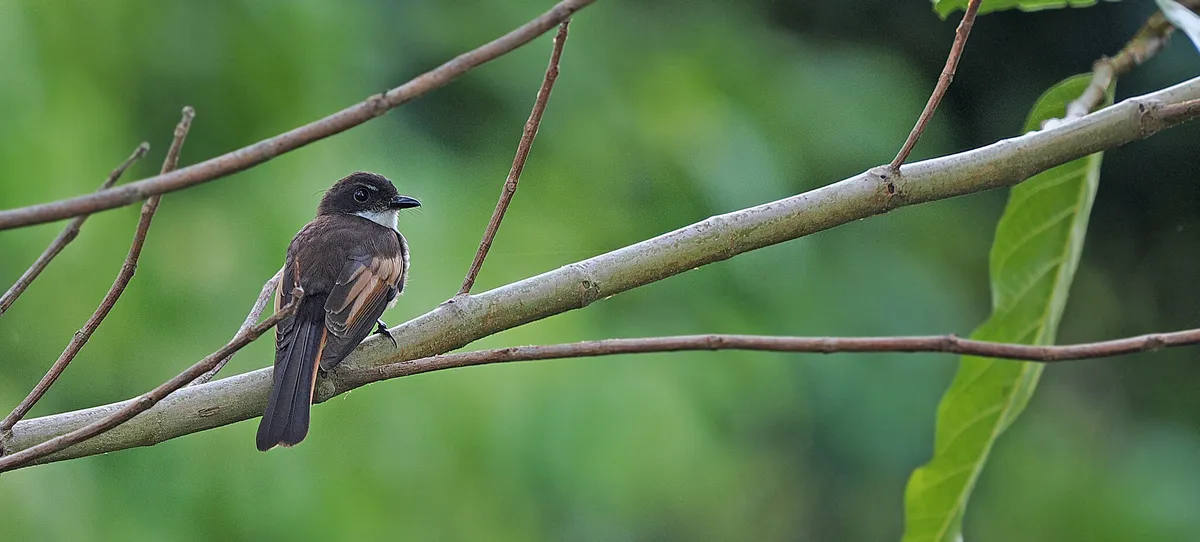
Sometimes, solving a problem isn't about inventing something new, but about looking at something old with fresh eyes. For more than 120 years, scientists believed a certain songbird species inhabited two Indonesian islands. Turns out, everyone got it wrong. A recent study confirmed they were actually two distinct species. Similarly, a Smithsonian ornithologist, John Rappole, flipped the script on bird migration. For decades, migratory songbirds were seen as temporary visitors to the tropics, their lives focused on northern breeding grounds. Rappole's work refocused attention on their crucial, longer stays in the south, revealing a more complex, interconnected ecosystem. What this means for you: next time someone tells you nothing ever changes, you now have two receipts that even long-held scientific truths are open for re-evaluation.
The Resurgence of Resilience
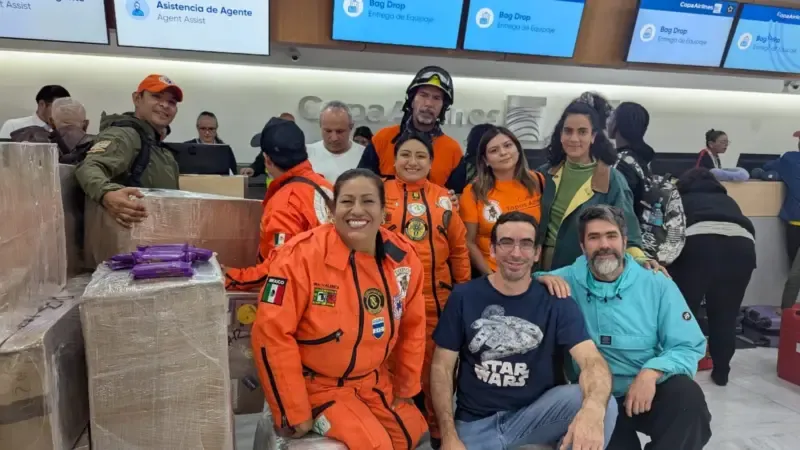
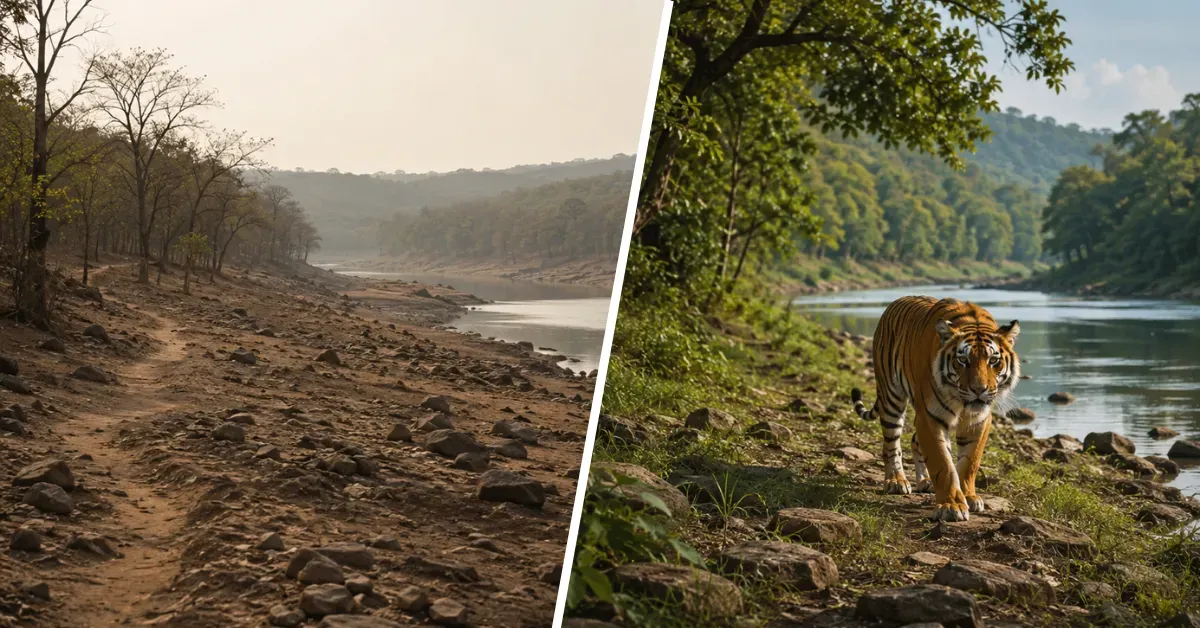
Good news often comes in waves, and this week brought several stories of resilience, both natural and human. In India, the Panna Tiger Reserve, which once tragically lost all its tigers, has made a historic comeback, now home to 80. This isn't just a recovery; it's a testament to dedicated conservation efforts. Meanwhile, in Venezuela, when an earthquake struck, the Venezuelan diaspora sprang to action from thousands of miles away, building a vital lifeline for survivors. These aren't just feel-good stories; they're proof that with focused effort and collective action, even the most dire situations can be turned around.
Hope stat: 300% — the increase in how long donated kidneys can now be stored, thanks to new research.
Watch this space: The ripple effects of extended organ viability could transform transplant medicine globally.