Apparently, our ancient ancestors were not just surviving; they were curating ambiance. New evidence from South Africa's Wonderwerk Cave suggests early human relatives were deliberately bringing fire deep inside caves and keeping it alive nearly 1.8 million years ago. That's a casual 800,000 years earlier than we previously thought, pushing back the timeline for human fire use by a significant margin.
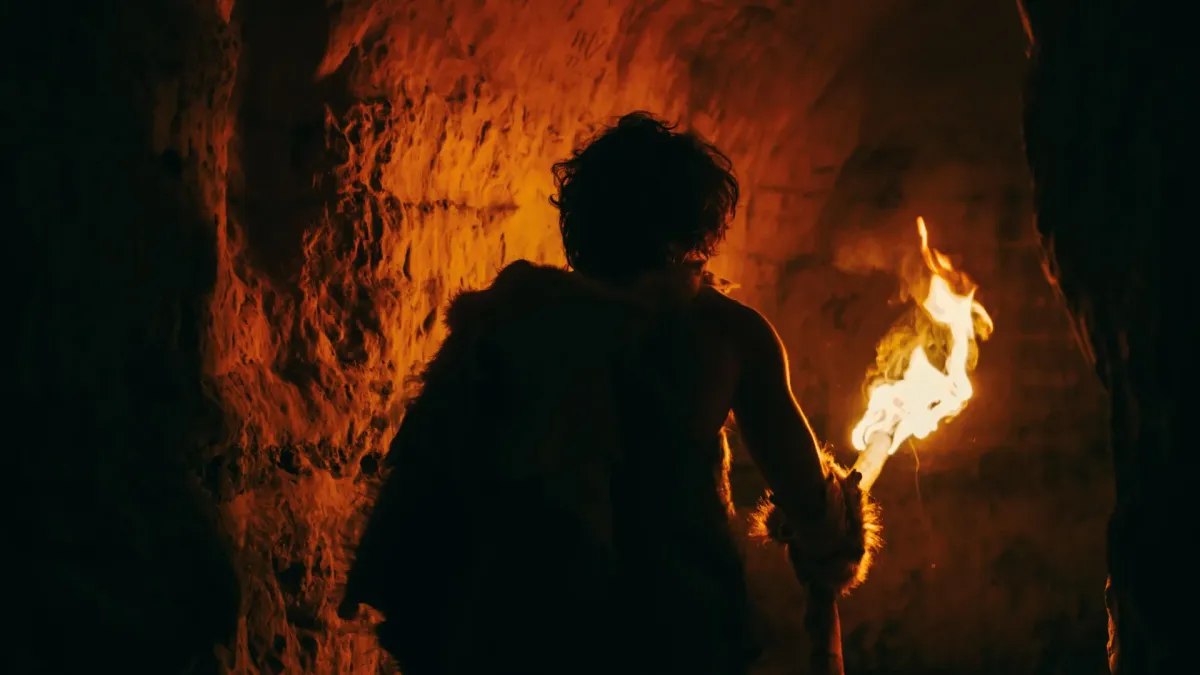
Imagine the scene: no matches, no lighters, just a flickering branch from a lightning strike on the savanna. Then, a small group of hominins decides, "You know what? Let's take this show on the road. Deep into the cave." Because, apparently, that's where the party was.
The Smoking Gun
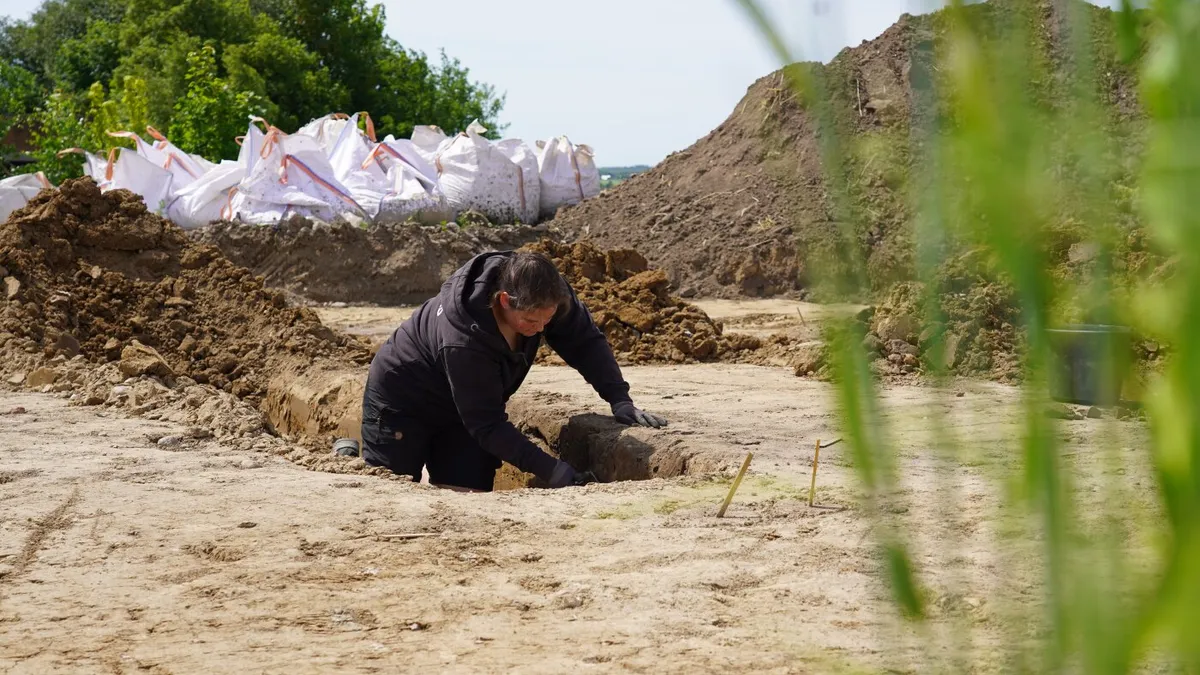
Scientists found burned bones buried deep within the cave, a full 30 meters from the entrance. That's a distance natural wildfires simply can't reach. And before you blame spontaneous combustion, they also ruled out guano deposits (aka bat poop) as a potential fuel source. This means our ancestors, likely Homo erectus, were doing some serious fire management.
We're a new kind of news feed.
Regular news is designed to drain you. We're a non-profit built to restore you. Every story we publish is scored for impact, progress, and hope.
Start Your News DetoxThe research team, co-led by Dr. Liora Kolska Horwitz from the Hebrew University of Jerusalem, didn't just stumble upon this. They developed a brand-new, non-destructive technique to detect ancient burning. It involves observing how fossilized bones glow under specific light wavelengths. Bones that have been intensely heated emit a distinct luminescence. It's like forensic archaeology, but for campfires from the Early Pleistocene.
This isn't the first time Wonderwerk Cave has delivered. Back in 2012, the same team found evidence of fire from a mere 1 million years ago, which was, at the time, mind-blowingly old. Now, they've extended that timeline considerably, finding traces of fire use in layers dating from 1.07 to 1.79 million years ago. The cave is practically a five-star resort for ancient fire enthusiasts.
Why Fire Was the Ultimate Upgrade
Beyond just being a warm glow for a chilly cave, fire offered a suite of benefits: warmth (obviously), predator protection (less fun for saber-toothed cats), light (so you don't trip over a rock), and, perhaps most importantly, cooking food. Cooked food means more nutrients, which means bigger brains. So, in a way, fire helped spark human intelligence.
These early fire users weren't inventing fire on demand. They were harvesting it from natural sources — lightning strikes, wildfires. But the act of transporting fire, keeping it alive, and maintaining it inside a dark cave was a monumental cognitive leap. It suggests surprisingly complex behavior and planning, long before anyone had even thought of inventing the wheel, let alone a fire starter.
And here's a fun thought: the team even suggested that owl pellets (regurgitated indigestible bits) might have served as fuel, explaining why tiny rodent bones inside them showed signs of burning. So, our ancestors might have been burning owl vomit for warmth. Resourceful, to say the least.
This new bone analysis technique is now poised to shed light on other ancient sites, potentially answering long-standing questions about when and how humanity first truly harnessed the power of fire. Which, if you think about it, is both impressive and slightly terrifying. Because who knows what else they were up to with those flames?