Tiny fossils from Earth's past might show when complex cells first appeared. Their survival could change how we understand evolution and the search for life beyond Earth.
Studying how life began on Earth is crucial for astrobiology. This is especially true because tiny organisms ruled our planet for about 90% of its history.
The Rise of Complex Life
Life on Earth started over 3.5 billion years ago. Cyanobacteria, which produce oxygen, appeared at least 2.3 billion years ago. Then came eukaryotes, no later than 1.7 billion years ago. Algae showed up at least one billion years ago, and animals emerged about 570 million years ago.
We're a new kind of news feed.
Regular news is designed to drain you. We're a non-profit built to restore you. Every story we publish is scored for impact, progress, and hope.
Start Your News DetoxTo find the common ancestor of plants and animals, scientists look back about 1.6 billion years. These early eukaryotes are considered Earth's first truly complex organisms. They played a key role in the development of complex life.
Eukaryotes are special because their cells have a nucleus that holds DNA. They also have organelles, like mitochondria, which help them get a lot of energy. This energy allowed them to develop complex forms. All animals, plants, and fungi we see today are eukaryotes.
Finding Ancient Clues
Organisms older than 500 million years did not have shells or skeletons. This makes their fossils very rare. Paleontologists must find unusual places where soft tissues can be preserved. Because of this, we know little about how life evolved during most of Earth's history.
Ross Anderson, a paleontologist, studies how Earth went from having only bacteria to having complex multicellular organisms. These fossils are hard to find, so he also studies rock chemistry to learn where they might be preserved.
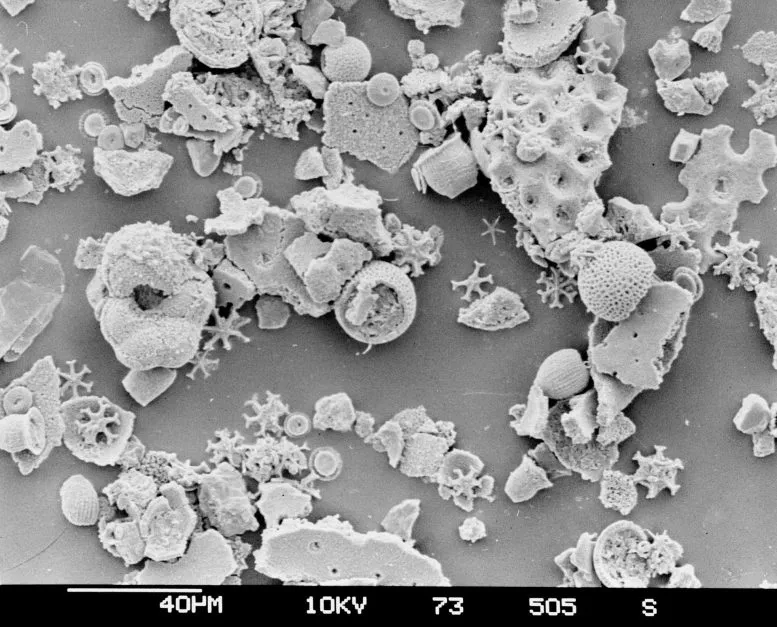
One challenge is that eukaryotic microfossils degrade over billions of years. However, the shift from single-celled to multicellular life happened many times. Scientists want to understand how animals became so diverse. Much of this diversity began around 540 million years ago, during the Ediacaran/Cambrian transition. This period saw a major leap from soft-bodied creatures to the Cambrian explosion of life with mobility, shells, and skeletons.
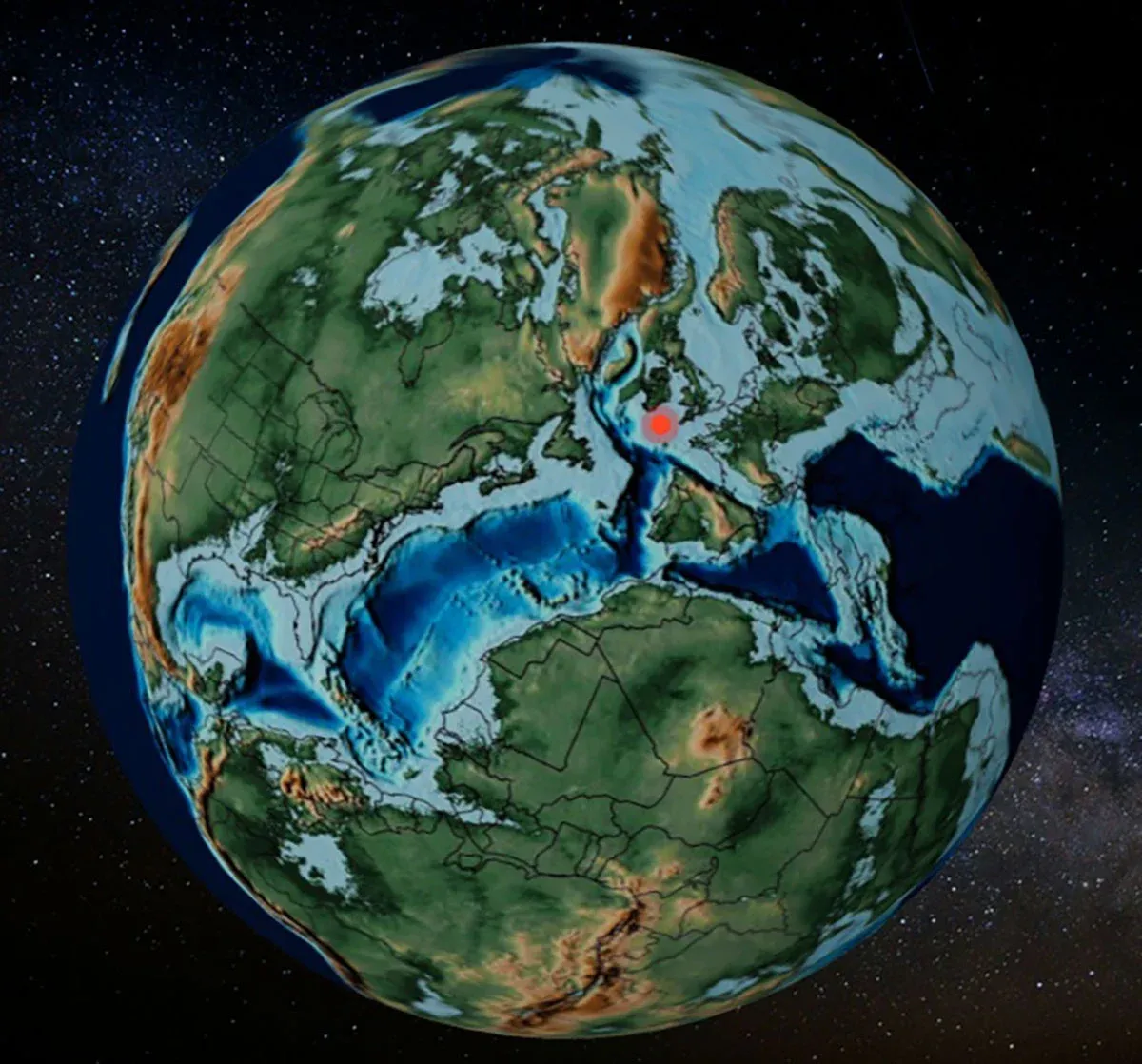
Anderson and his team look for these ancient microfossils in remote areas. One such place is a 100 square kilometer area in what was once a shallow sea, near Svalbard, Norway. Recently, researchers in Australia found some of the oldest eukaryote microfossils, dating back about 1.75 billion years.
These microfossils are often found in ancient coastal areas. These spots offered rich organic matter and nutrients, helping eukaryotes grow and diversify. Anderson focuses on areas with massive clay deposits, which might have helped preserve these ancient organisms. Today, these areas are often deserts or Arctic regions where rocks are exposed.
Earth's Past Informs Future Searches
Finding eukaryote microfossils is a huge challenge. They are tiny, soft-bodied, and have suffered billions of years of degradation.
Anderson notes that the fossil record is "undersampled." However, scientists are now learning which rocks are best for finding early fossils. This is providing data to reconstruct Earth's early life history.
Understanding how life developed on Earth helps scientists understand the chances of finding life elsewhere. Research on clays, for example, was partly driven by the search for life on other planets.
Deep Dive & References: Earth’s oldest eukaryotic fossils may illuminate both the rise of complex life and the search for life elsewhere - UniverseToday