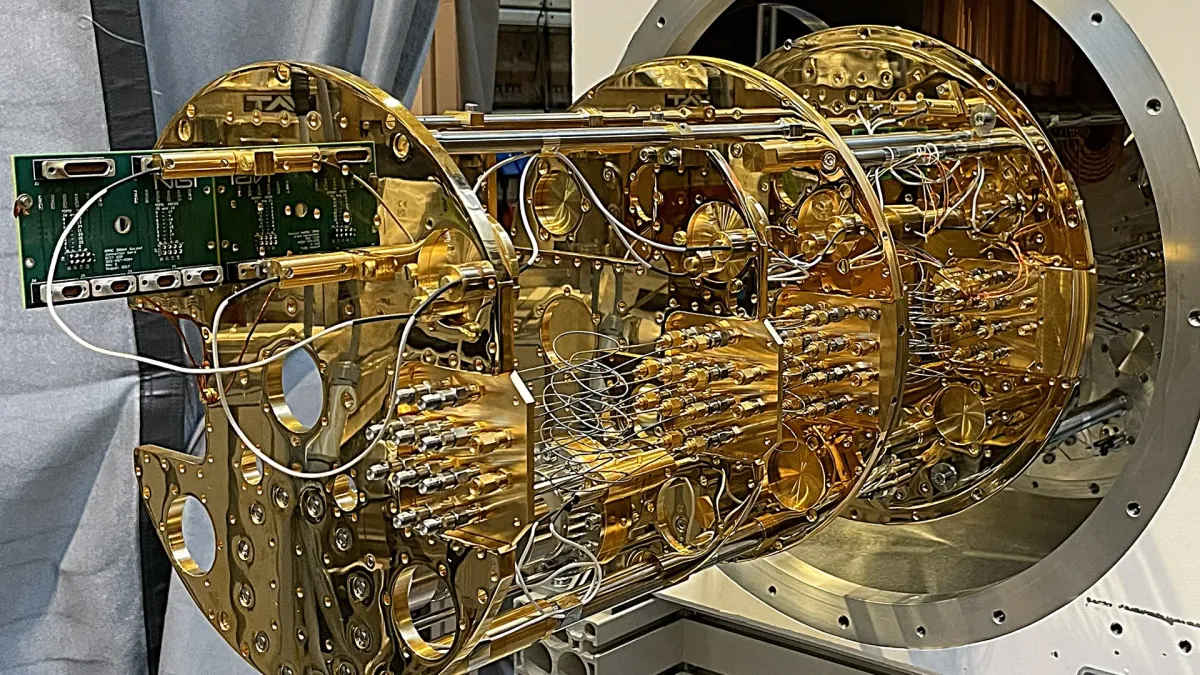
European scientists just flipped the switch on a new X-ray spectrometer that's so sensitive, it makes its predecessors look like they were still using abacuses. Now online at Germany's BESSY II synchrotron, this bad boy can detect X-ray photons up to 1,000 times more efficiently than older systems. Which, if you're keeping score, is a lot.
This isn't just a minor upgrade; it's like going from a flip phone to the latest iPhone, but for studying really, really tiny things. We're talking about peering into ultra-thin layers, nanostructures, and molecular systems so diluted they'd normally be invisible to current tech. The kind of stuff that could unlock secrets in chemistry, biology, and quantum materials.
The Cold, Hard (and Fast) Science
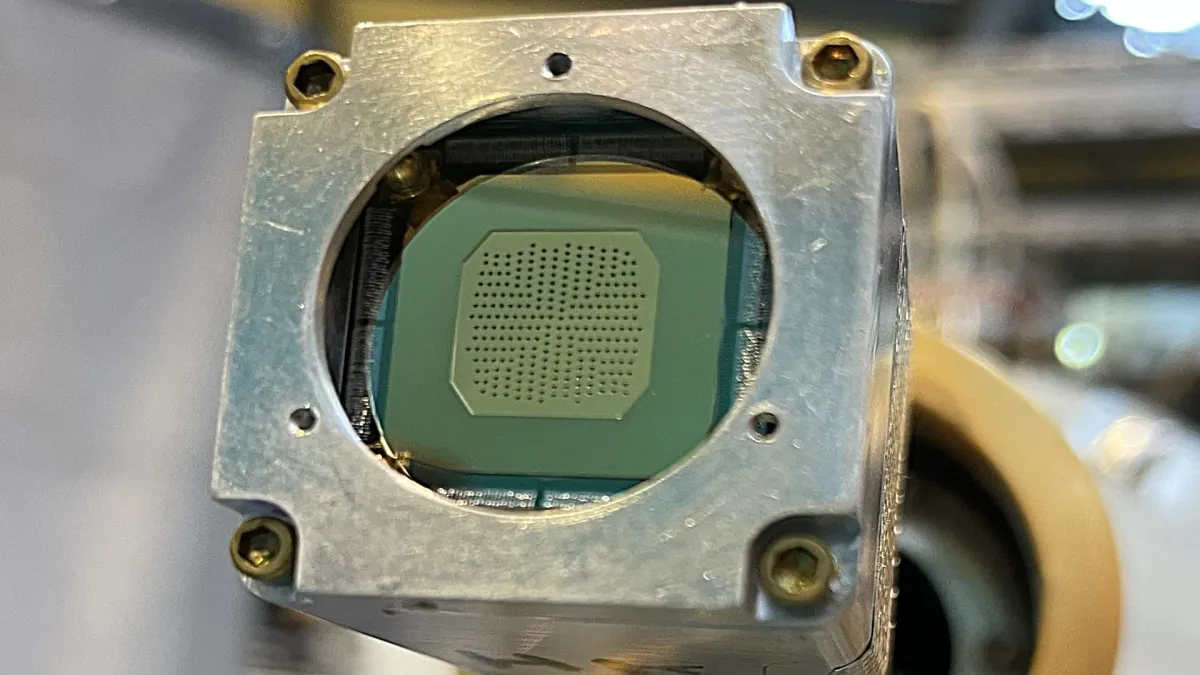
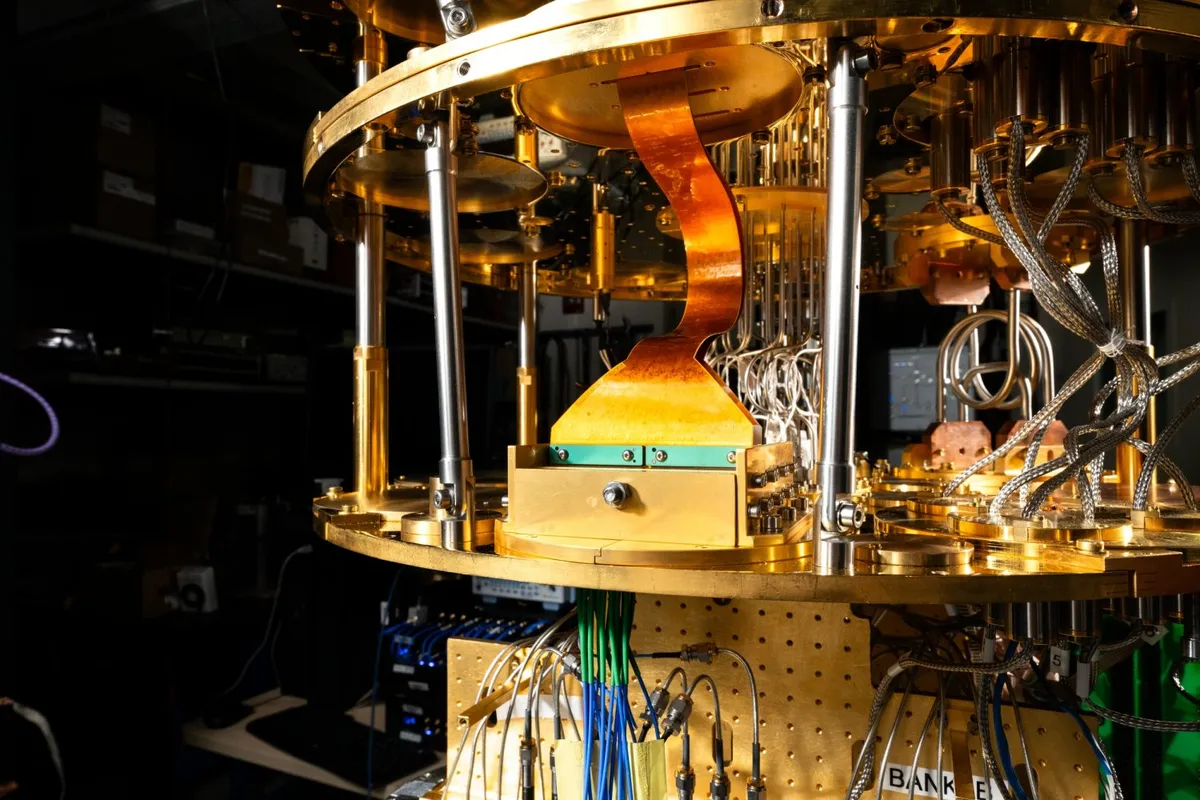
Developed through a transatlantic partnership (Germany's HZB and MPICEC, plus the US National Institute of Standards and Technology), the new Transition Edge Sensor (TES) spectrometer uses a 248-sensor detector. These sensors are cooled to a mind-boggling 25 millikelvin – that's just a hair above absolute zero, colder than deep space. A special helium refrigerator, similar to what you'd find in a quantum computer, handles the extreme chill.
We're a new kind of news feed.
Regular news is designed to drain you. We're a non-profit built to restore you. Every story we publish is scored for impact, progress, and hope.
Start Your News DetoxWhen an X-ray photon dares to strike a sensor, it causes a minuscule temperature bump. This brief warmth is just enough to momentarily disrupt the sensor's superconductivity, a change that's then picked up by Superconducting Quantum Interference Devices (SQUIDs). Because apparently, that's where we are now: using quantum tech to measure tiny temperature changes from X-rays.
The real kicker? Experiments that used to hog the lab for hours might now wrap up in mere minutes. That means more data, faster discoveries, and scientists who might actually get to go home before midnight. It’s a serious leap forward for anyone trying to figure out how the universe's smallest building blocks actually work, and what they're up to.