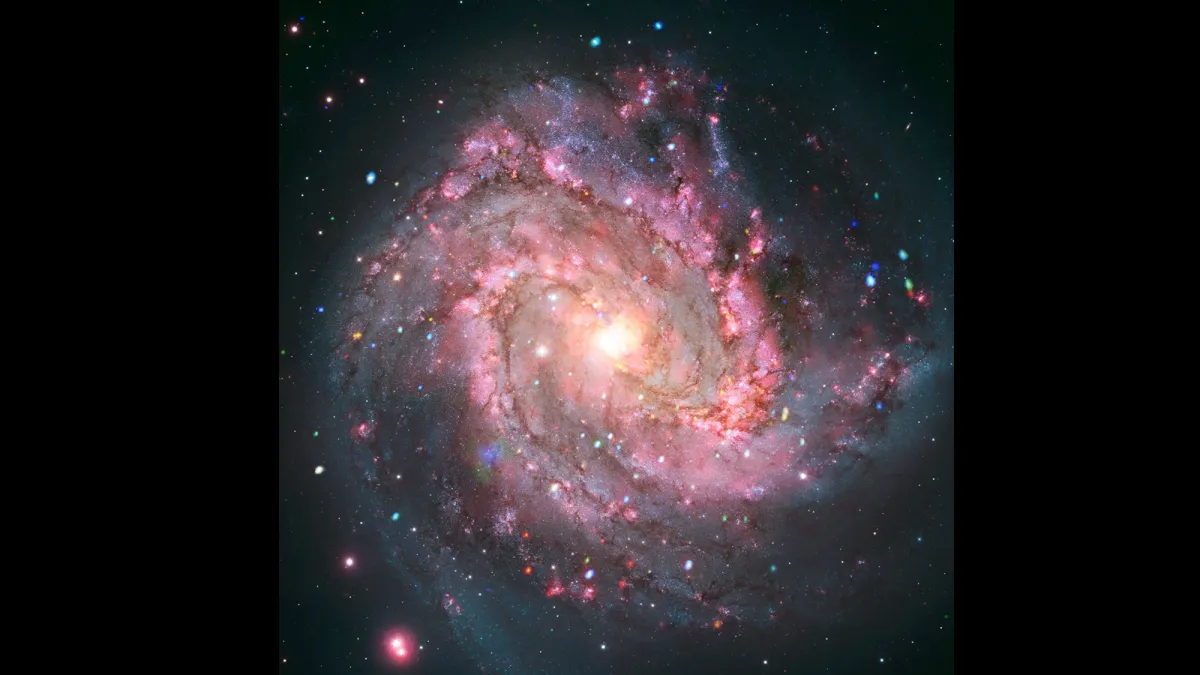
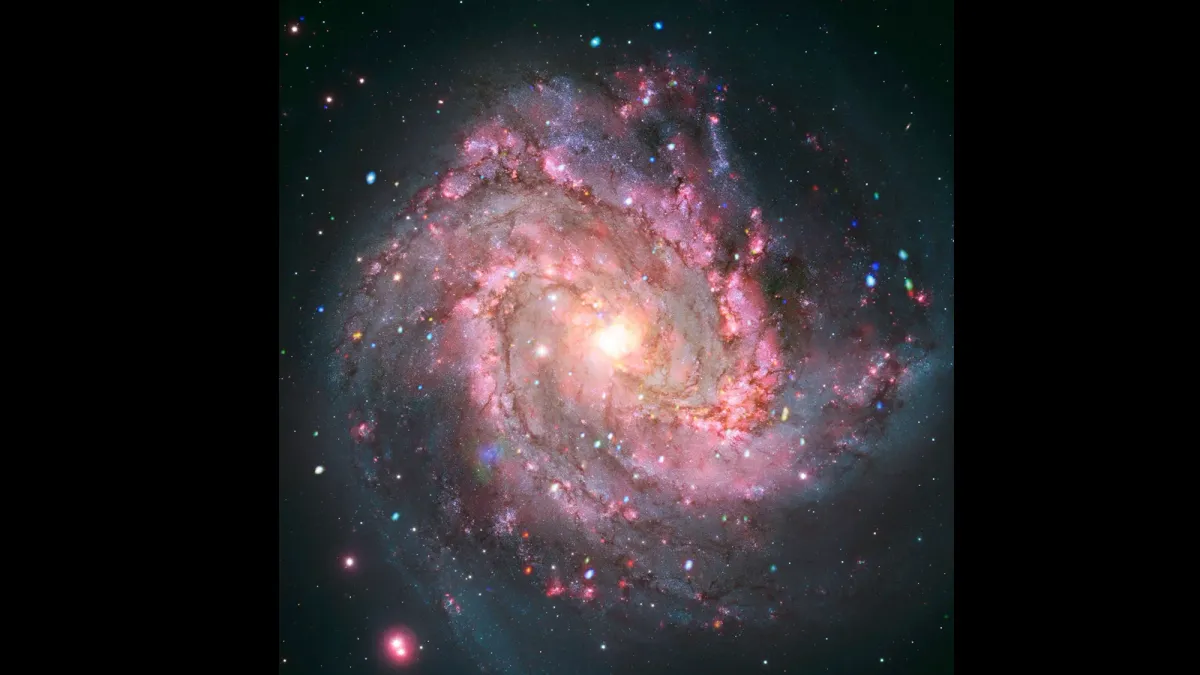
Imagine staring at a night sky 15 million light-years away and seeing what looks like actual fireworks. Because that’s essentially what astronomers just witnessed in galaxy Messier 83 (M83), thanks to NASA’s Chandra X-ray Observatory.
Usually, when a star goes supernova (read: explodes with the force of a million suns), it leaves behind a slowly fading cloud of hot gas. Predictable, almost polite. But M83 decided to go off-script, with supernova debris that flared up like a cosmic Fourth of July. The kind of thing that makes you want to call your friends and say, "You won't believe what the universe is doing now."
The Universe's Most Unruly Fireworks
M83 is a bit of a show-off, known for forming stars at an astonishing rate. So, when scientists dug into 14 years of Chandra data, they expected to see a lot of X-ray sources. What they didn't expect was for about half of the 22 X-ray sources, which they thought were calm, century-old supernova remnants, to be dramatically changing in brightness.
We're a new kind of news feed.
Regular news is designed to drain you. We're a non-profit built to restore you. Every story we publish is scored for impact, progress, and hope.
Start Your News Detox"Finding that so many supernova remnants were behaving this way was a real surprise," noted Andrea Prestwich, an astronomer and co-author from The Catholic University of America. "Something unusual is going on in these objects." Which, if you think about it, is a very polite way of saying the universe just threw a curveball.
One of these unruly remnants, SN 1957D, has a straightforward explanation: it's crashing into surrounding material, causing the flares. But that doesn't account for the others. So, the team put on their cosmic detective hats and came up with a couple of delightfully dramatic theories.
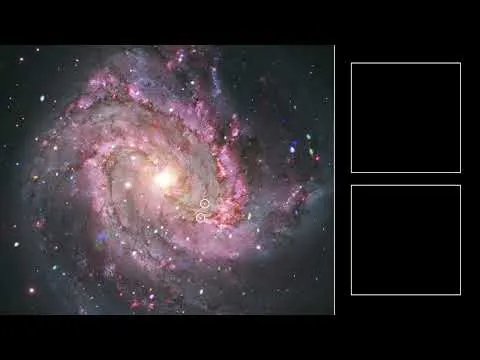
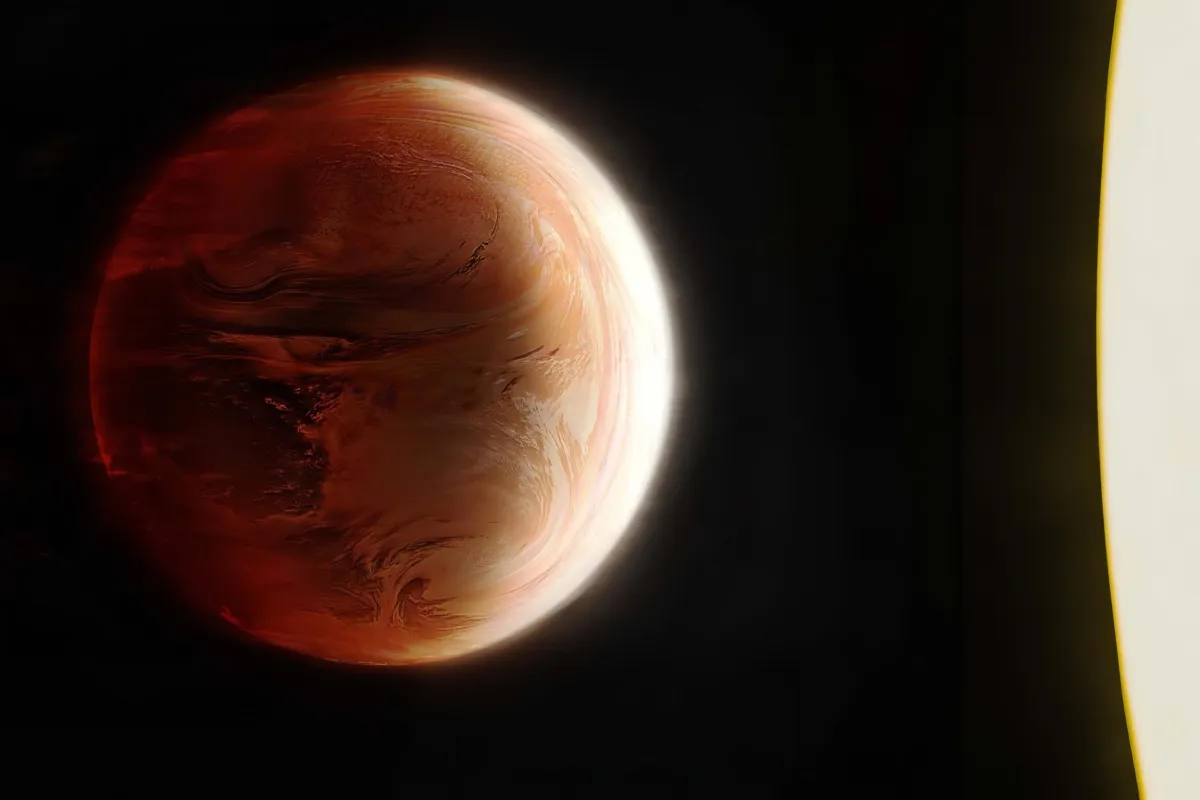
One idea is that these flares are caused by a surviving companion star. Picture this: two massive stars orbiting each other. One explodes, leaving behind a super-dense neutron star or a black hole. The other star, against all odds, survives. Then, the black hole or neutron star starts essentially siphoning material off its former partner, creating those brilliant X-ray flares. Because apparently, even in space, exes can still cause drama.
Another theory? The black hole or neutron star is simply pulling back material that was blasted out by the original explosion. Roy Kilgard, a co-author and astronomer from Wesleyan University, perfectly dubbed this "cosmic recycling." He figures it's probably a bit of both, depending on the stellar neighborhood.
And if you thought M83 was just being a unique snowflake, think again. Similar variable X-ray sources have been spotted in galaxy M51. Meaning these celestial fireworks might be far more common in star-forming galaxies than we ever realized. The universe, it seems, has a lot more surprises up its sleeve.