Today, it seems the universe decided to flex a little, reminding us just how much is out there – and how much we’re doing to meet it. From distant stars to forgotten species and the quiet determination of science, it was a day for looking outward, then inward, and finding more than we expected.
The Cosmos, Up Close and Personal
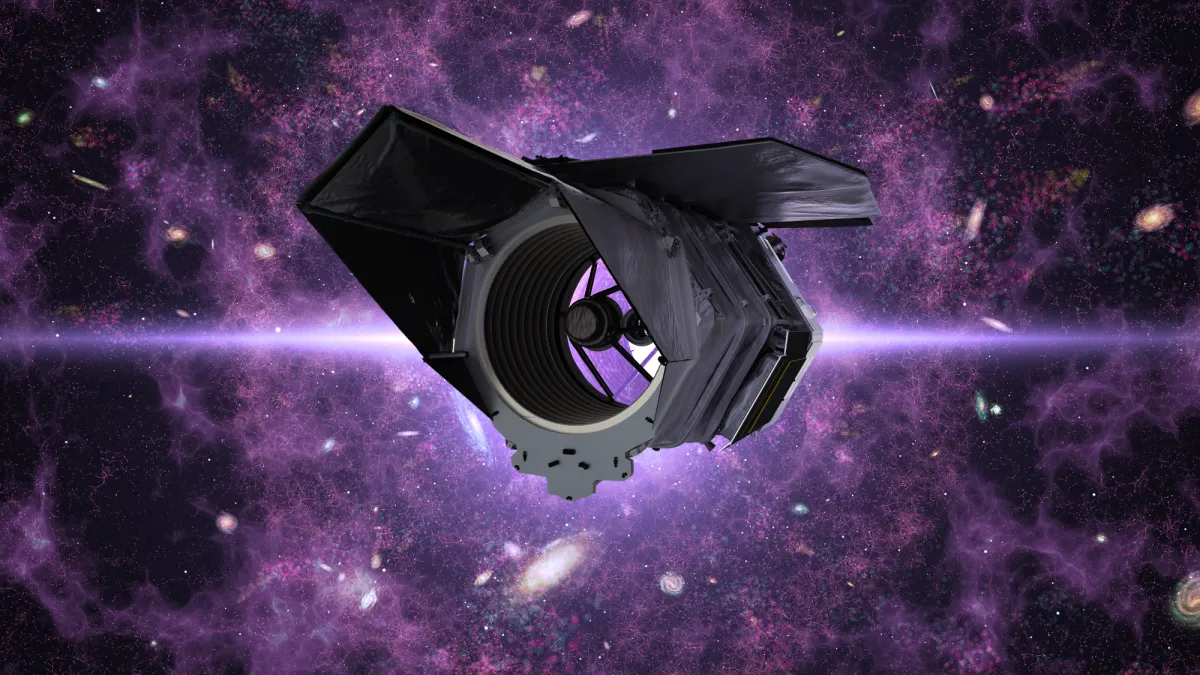
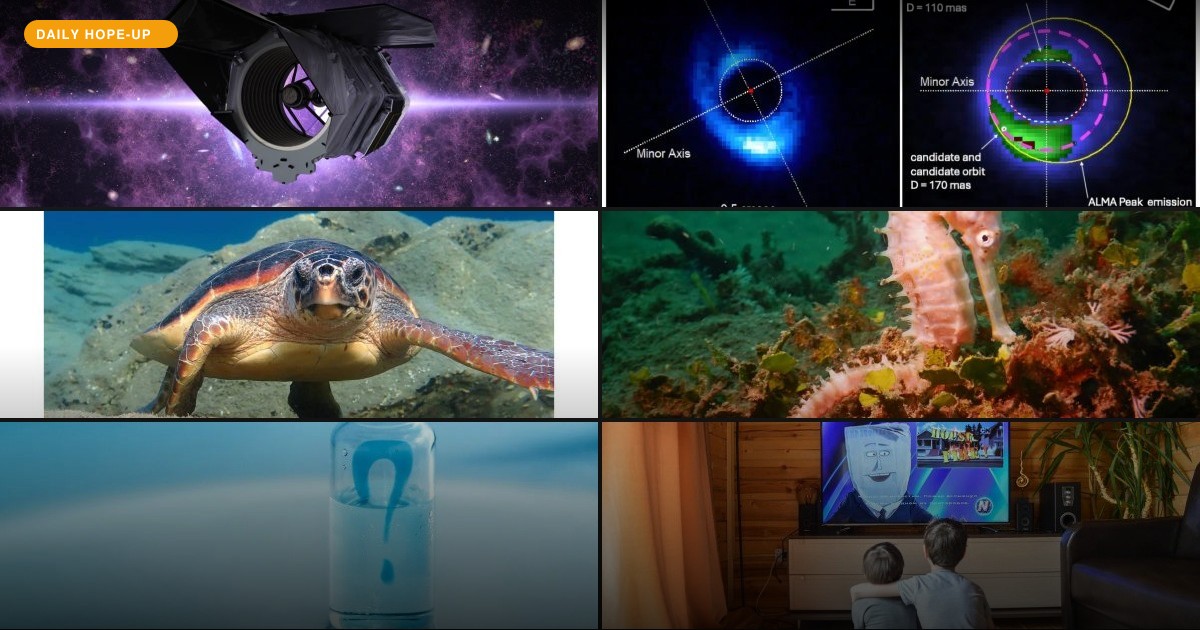
For those who’ve ever gazed at the night sky and wished they could leave a little piece of themselves among the stars, NASA offered another chance this week. Following the popular Artemis II mission, they’ve opened submissions to put your name aboard the Nancy Grace Roman Space Telescope. This isn't just about cosmic vanity; it's a clever way to engage the public with missions that push the boundaries of our understanding.
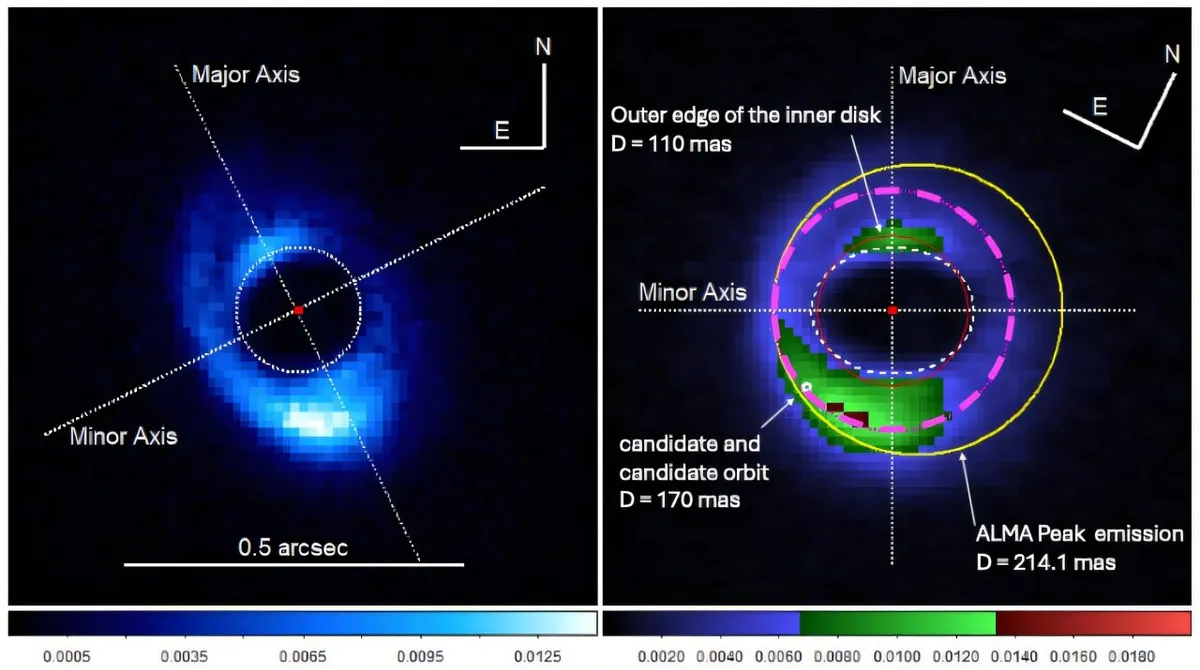
Meanwhile, Italian astronomers, using the Very Large Telescope, were busy looking even further, observing a star 492 light-years away that appears to be building its own solar system. Imagine the cosmic construction happening right now, a nascent planetary system taking shape. If you’ve ever felt small in the face of the universe, remember that we're simultaneously exploring its vastness and inscribing our tiny names upon its vehicles. It means humanity's capacity for wonder is as boundless as space itself.
We're a new kind of news feed.
Regular news is designed to drain you. We're a non-profit built to restore you. Every story we publish is scored for impact, progress, and hope.
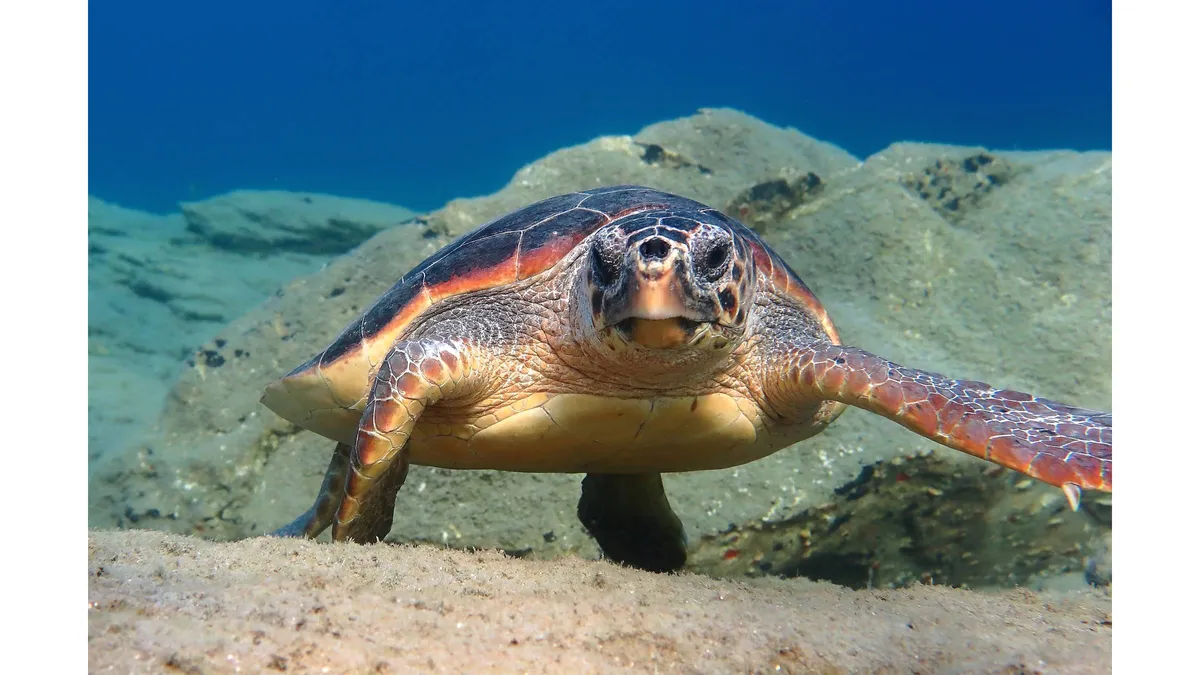
Start Your News Detox"In 2018, night patrol teams on Boa Vista... started noticing a change along the beaches: The loggerhead turtles were arriving in significantly larger numbers than usual." — Read the full story
Rediscovering What We Thought Was Lost
Closer to home, the theme of rediscovery played out in spectacular fashion. On the beaches of Cabo Verde, conservation efforts have led to an 80-fold increase in nesting loggerhead turtles on Boa Vista island. This isn't just a slight uptick; it's a full-blown comeback story for a species once thought to be in steep decline. It’s a testament to consistent, boots-on-the-ground conservation work.
And from the remote highlands of eastern Indonesia’s Buru Island, a team of mountaineers and conservationists finally got a photograph of the elusive blue-fronted lorikeet. This parrot, 'lost' for over 100 years, finally reappeared, reminding us that sometimes, the quiet work of preservation simply needs time and a dedicated search party. If you've been feeling that some battles are unwinnable, remember that sometimes, all it takes is persistent effort and a bit of hope for nature to stage a dramatic return.
Ingenuity in Unexpected Places
Finally, this week brought a few delightful surprises in human ingenuity. In Bangladesh, scientists are giving rescued pangolins a second chance, fitting them with tiny radios to track their reintroduction into the wild. This isn't just about saving individual animals; it's about learning how to better protect an entire critically endangered species through clever, low-tech solutions.
Then there's the truly unexpected: scientists at Radboud University discovered that children are learning significant life lessons from movies like Moana. It turns out Moana isn't just a Disney princess; she’s a life coach, inspiring kids to persevere and collaborate. Who knew a catchy soundtrack could be so educational? 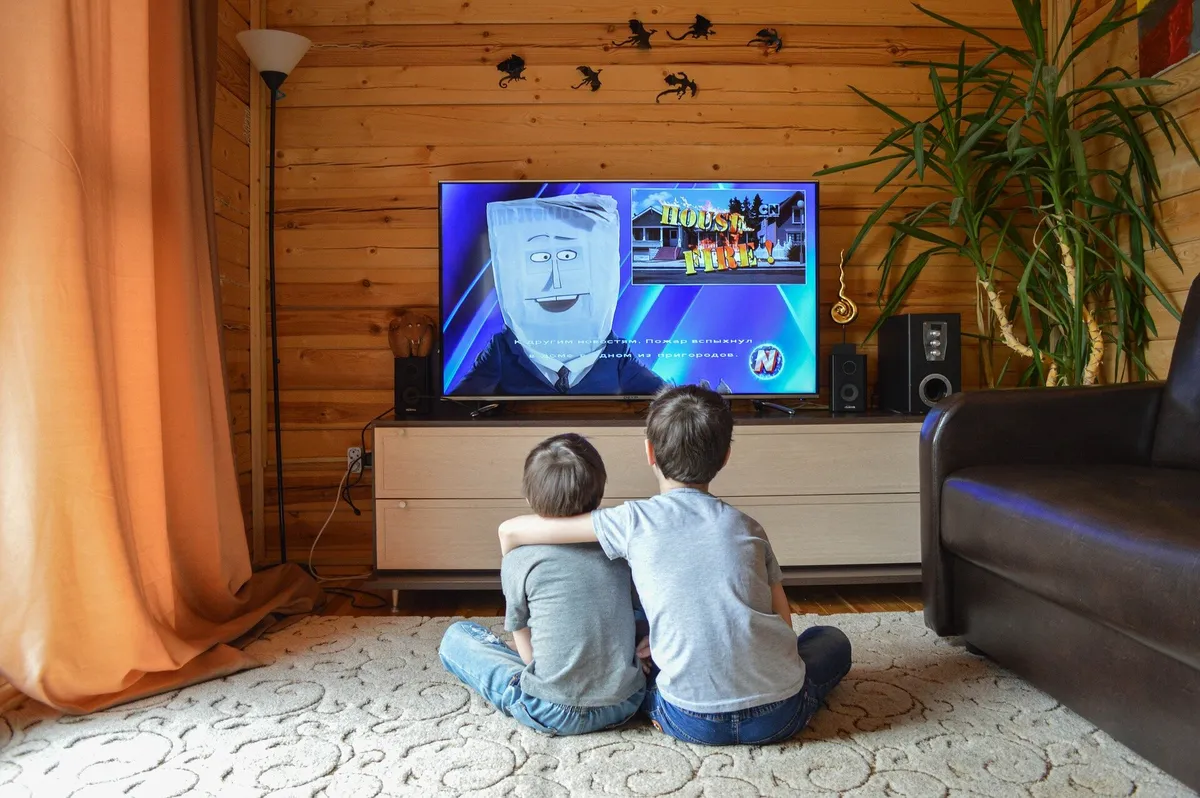 It means that solutions, and indeed wisdom, can be found in the most accessible and unassuming places, from animated films to discreet radio collars.
Hope stat: 80x — the increase in loggerhead turtle nests on Boa Vista, Cabo Verde, since 2018.
Watch this space: The continued development of AI for conservation, with tools like the one learning to spot illegal wildlife, could soon be a game-changer for protecting endangered species globally.