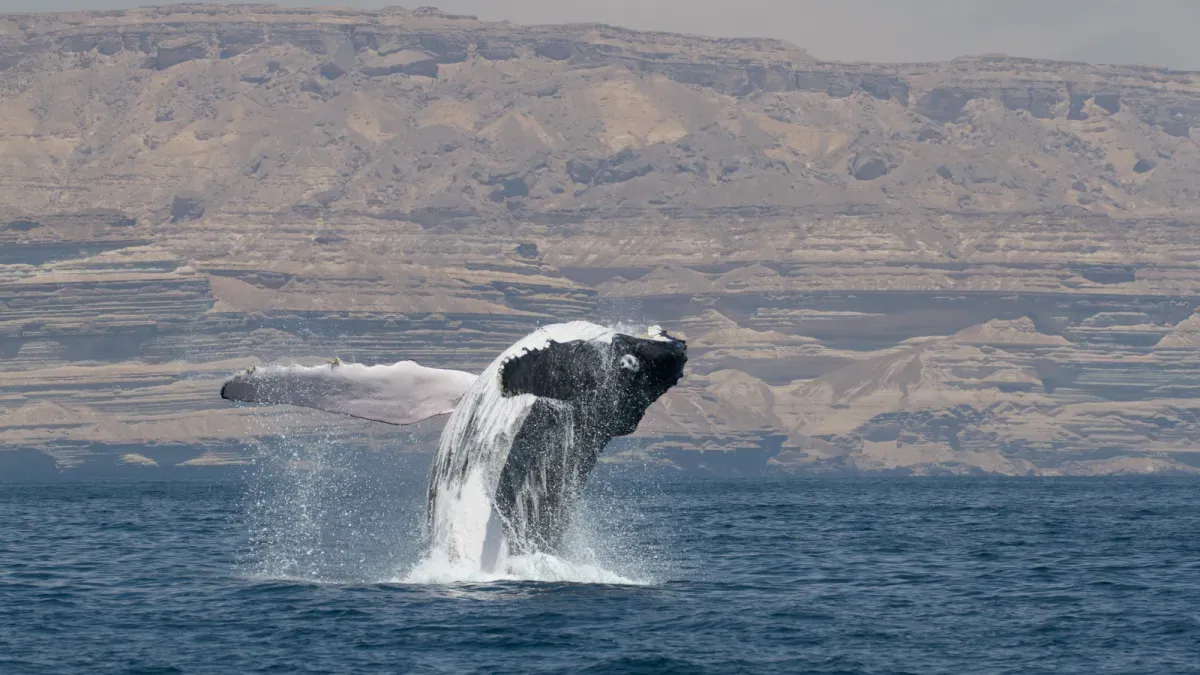
For decades, biologists have been tracking a very special, very chill group of humpback whales living in the Arabian Sea. Unlike their globe-trotting cousins who jet-set from Alaska to Hawaii, these roughly 80 endangered Arabian Sea Humpback Whales (ASHWs) were thought to be the ultimate homebodies. They just… stayed put. No seasonal migrations. Just living their best, stationary whale lives near Oman.
Well, Luban just blew that theory out of the water. Literally.
A new study, hot off the presses in Frontiers in Marine Science, reveals that one female ASHW, named Luban (which means "frankincense" — because of a pattern on her tail, naturally), decided she'd had enough of the local scene. She packed her bags (metaphorically, of course) and embarked on an epic 4,350-mile round trip across the Arabian Sea, all the way to India. Because apparently, even the most reclusive whales need a change of scenery sometimes.
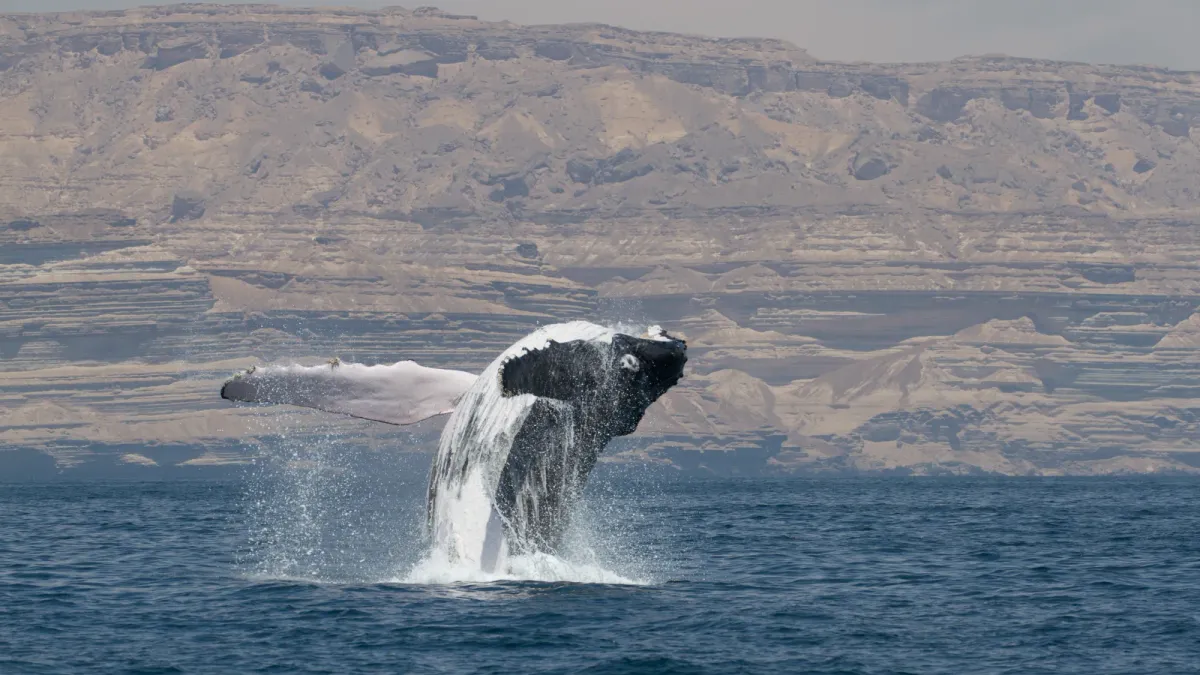
Suaad Al Harthi, a co-author and executive director of the Environment Society of Oman, put it perfectly: the Arabian Sea's unique conditions allowed these whales to completely ditch their ancestors' migratory habits. But Luban's journey? That's just proof that some rules are meant to be broken.
We're a new kind of news feed.
Regular news is designed to drain you. We're a non-profit built to restore you. Every story we publish is scored for impact, progress, and hope.
Start Your News DetoxThe Un-Migrators Who Might Migrate
ASHWs split from their Southern Hemisphere relatives about 70,000 years ago. Their claim to fame was their lack of migration. Researchers had been using satellite tags to try and understand their daily routines, getting glimpses of their lives beyond fleeting boat surveys.
Out of 14 tagged whales, most stayed relatively close to home, shuttling between Hallaniyat Bay and the Gulf of Masirah. These spots, less than 258 miles apart, are prime real estate thanks to monsoons creating year-round food buffets. Think sardines, krill, and all the good stuff a whale could want.
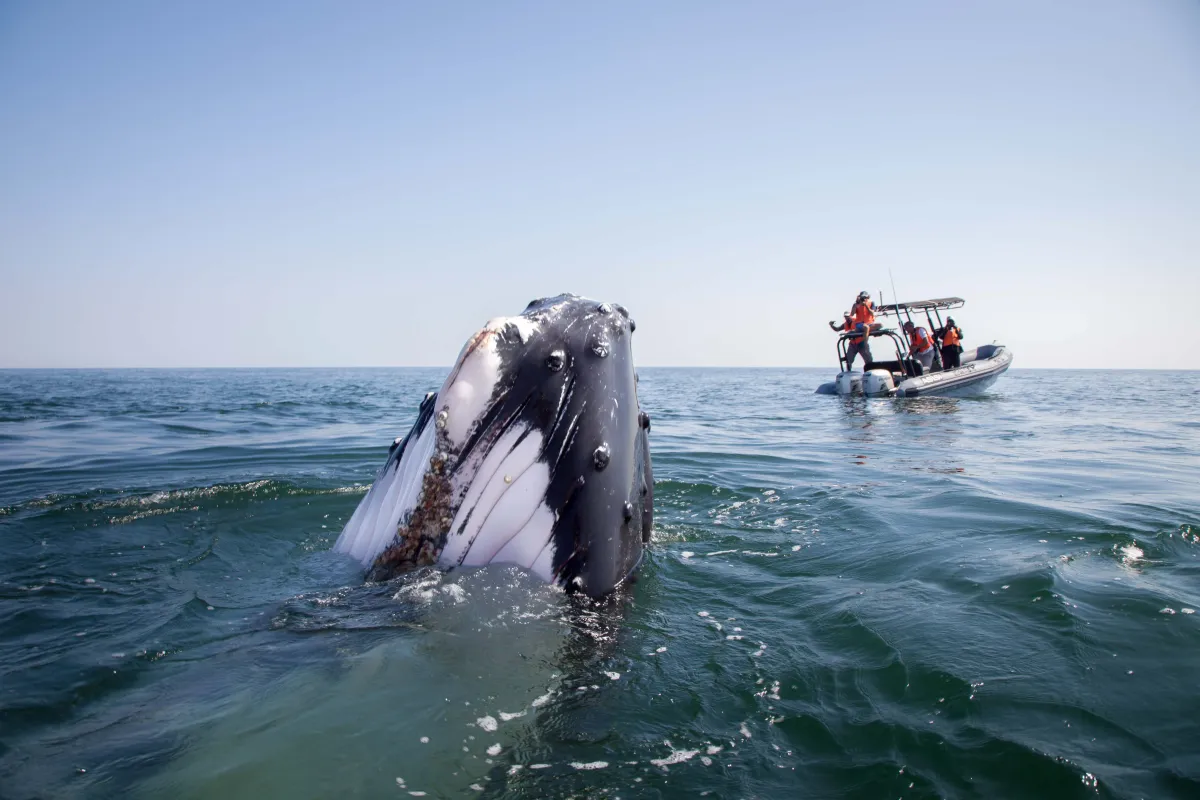
But Luban, oh Luban. She decided the continental shelf wasn't enough. She journeyed east, far across the open sea, and was spotted off the western coast of Goa, India. She hung out there for a month, presumably enjoying the abundant food or perhaps just needing a vacation. While whale songs had hinted at connections between Omani and Indian coasts before, Luban's adventure is the first definitive proof that these "stationary" whales actually do a bit of globe-trotting.
Dr. Andrew Willson, a marine scientist on the team, expressed the collective relief of the scientific community when Luban was re-sighted back in the Gulf of Masirah. Given there are only about 80 of these magnificent creatures left, every re-sighting is a win.
This unexpected journey is more than just a fun fact; it's critical. These whales face growing threats from climate change (the Arabian Sea is warming 1.5 times faster than the global average — yikes) and human activity. Understanding their movements, even the surprising ones, is crucial for protecting them. The hope is that Luban's grand tour will help us keep fishing activities away from their newly discovered travel routes and convince modernizing societies to appreciate these incredible creatures.
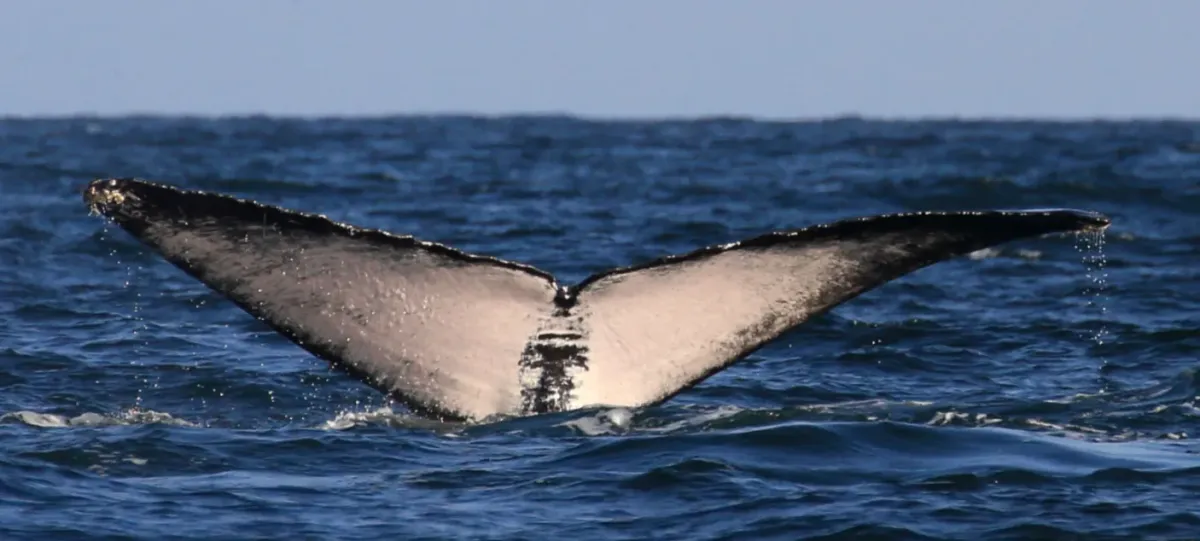
Because if Luban can adapt her entire lifestyle, maybe we can adapt ours to give her a fighting chance.