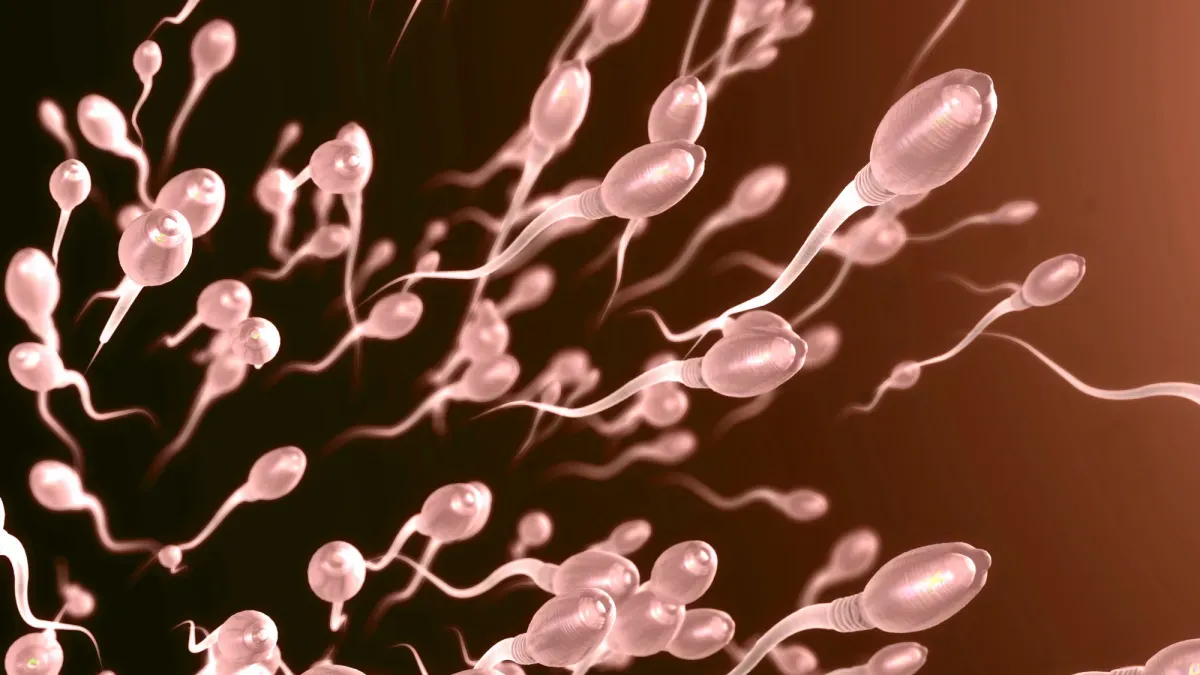
Fruit flies, those tiny specks that seem to materialize out of thin air around your bananas, are about the size of a sesame seed. So you'd think their sperm would be similarly… understated. You'd be wrong. Dead wrong.
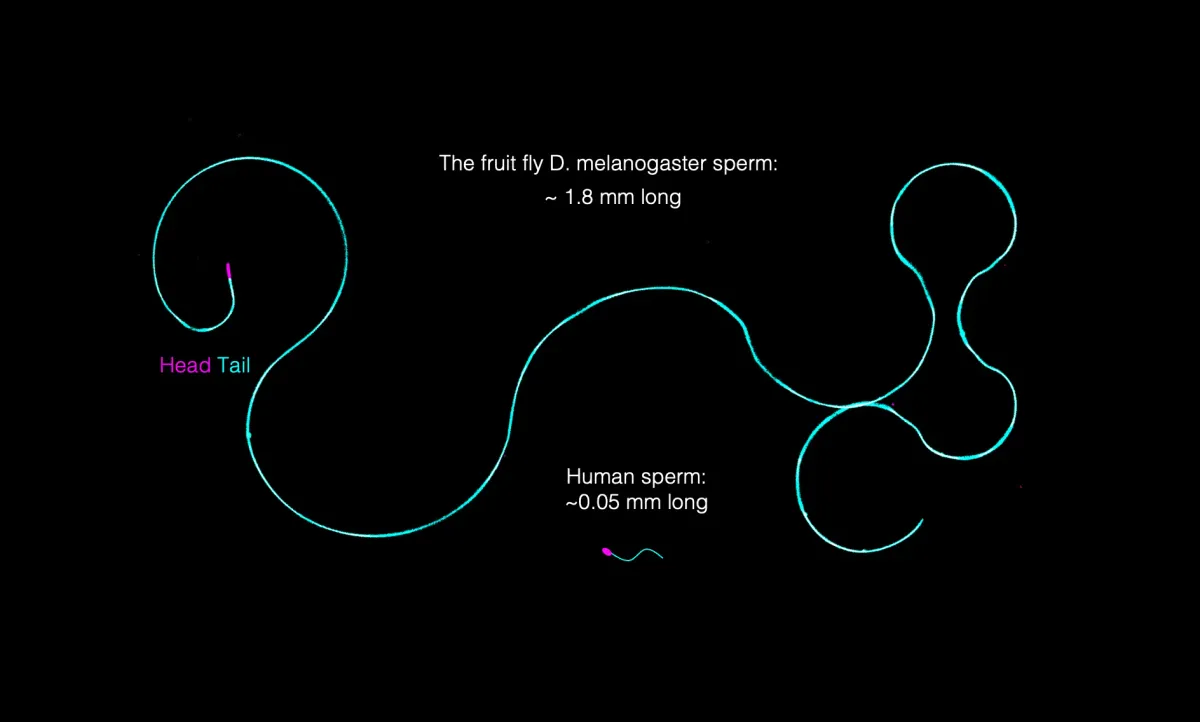
Turns out, a Drosophila melanogaster fruit fly's sperm can be as long as the fly itself. Yes, you read that right. A two-millimeter-long fly, with a two-millimeter-long sperm. Mostly tail, obviously, because apparently that's where we are now.
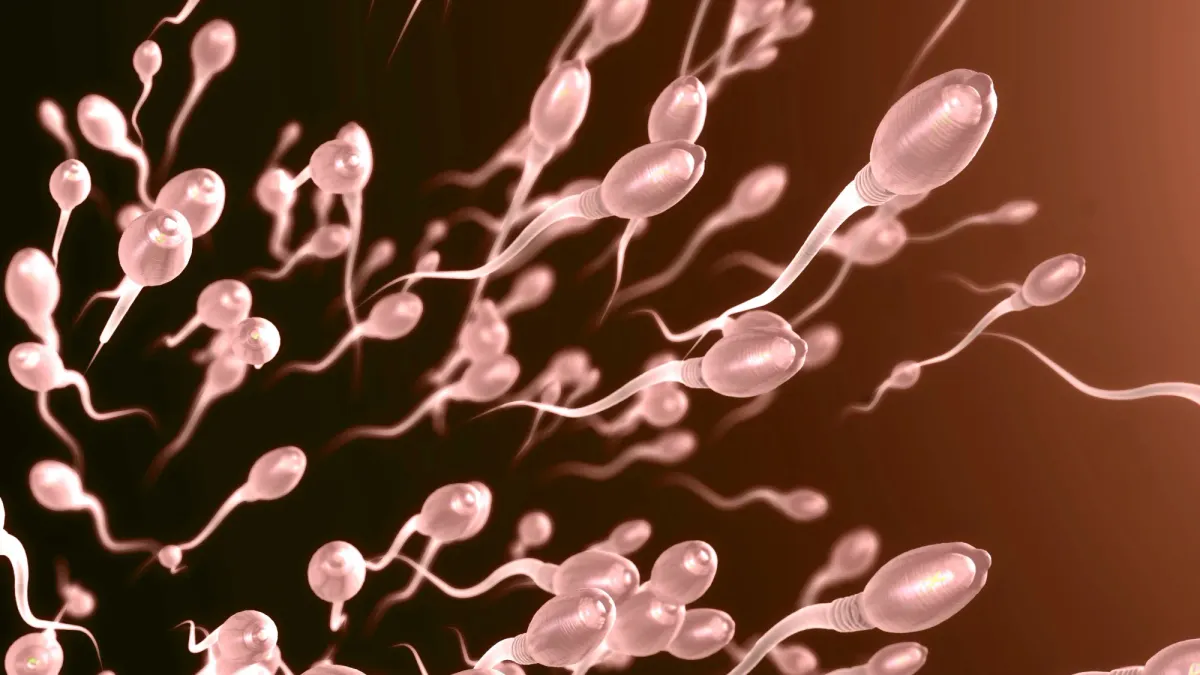
For some perspective, that's roughly 40 times longer than human sperm. Now, imagine thousands of these microscopic noodles, each the length of its entire owner, all crammed into a space only about a tenth of their own length – like the male seminal vesicle. It’s the biological equivalent of trying to store a thousand pairs of wired earbuds in a thimble and expecting them not to become an unholy, knotty mess.
We're a new kind of news feed.
Regular news is designed to drain you. We're a non-profit built to restore you. Every story we publish is scored for impact, progress, and hope.
Start Your News DetoxBut fruit flies, being the overachievers they are, have a system.
The Secret to the Swirling Sperm
Computational biologist Jasmin Imran Alsous, a co-author on a recent study, points out that these aren't passive wires. They're active, generating bending waves along their ridiculously long tails. The question, then, wasn't just how they fit, but how thousands of active, wriggling sperm organize themselves in such a confined space without turning into a biological Gordian knot.
Researchers got to the bottom of it by dyeing the sperm with a fluorescent substance and peering in with a powerful 3D electron microscope. What they saw was a densely packed, constantly moving mosh pit of sperm. These collective movements, which they call “flows,” can go on for hours within the seminal vesicle.
Imran Alsous described it like cars on a highway. Individually, the sperm tails are zipping around. But collectively, they move in a “flowy slow churn.” Think of it as the highway itself bending and folding, while the cars (sperm) inside still dart in every direction. It's both impressive and slightly terrifying.
This organized chaos, the team believes, is what prevents the epic tails from tangling. The sperm push off each other, maintaining a tautness that keeps them from becoming a jumbled mess. It’s essentially a contact sport that helps them move efficiently.
Why So Long?
This whole system is a masterclass in biological packing – much like how six feet of DNA fits inside a cell nucleus, or how your intestines manage to stretch out to about 30 feet. Living things are surprisingly good at storing far more than their bodies seem capable of holding.

For fruit fly sperm, this precise organization boosts the chances of successful reproduction. Imran Alsous notes that it upends the traditional image of a lone sperm heroically swimming. Fruit fly sperm don’t do much directed individual swimming. Instead, they move effectively as a collective, powered by the interactions with their neighbors. Because sometimes, you just need a little push from your friends to get where you're going.