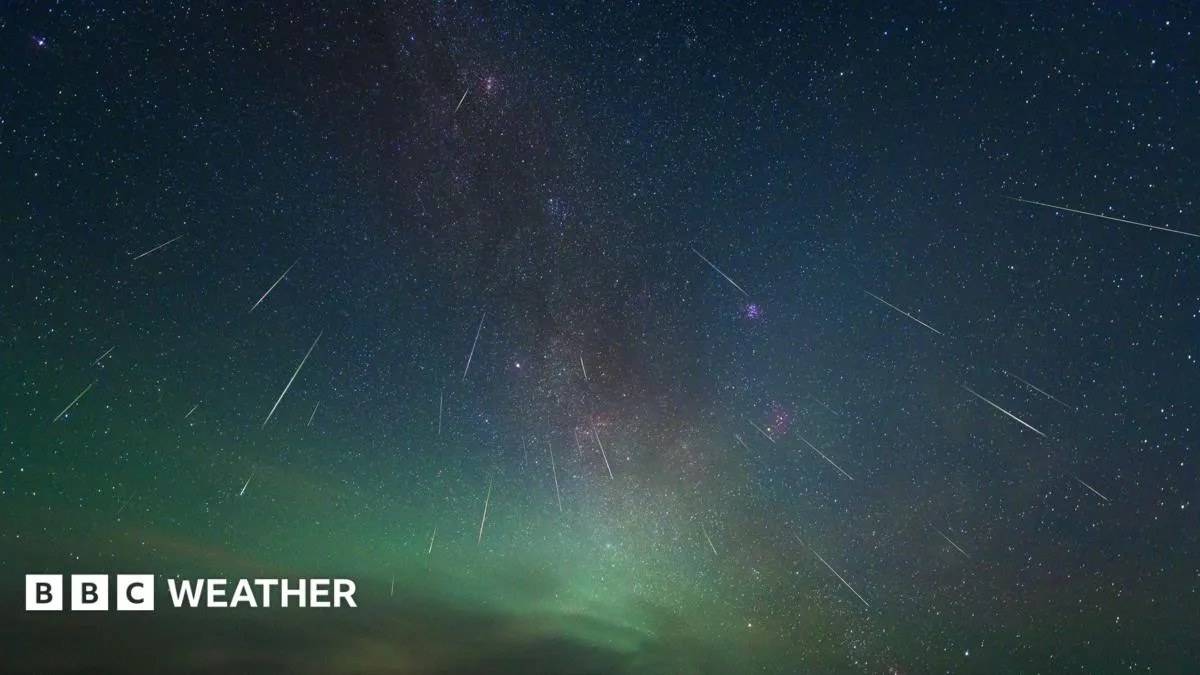
Get ready for some celestial fireworks: the Perseid meteor shower is about to put on its annual display, and this year, the timing is just about perfect. We're talking about one of the brightest and most active meteor showers you can catch, all thanks to Earth's annual collision course with the dusty leftovers of Comet 109P/Swift-Tuttle.
The show officially runs from July 17 to August 24. But if you want to see the main event, mark your calendars for overnight on August 12-13. Why then? Because that's when the shower hits its peak and it conveniently aligns with a new Moon. Translation: super dark skies, which are basically a VIP pass for meteor viewing.
What Exactly Are You Looking At?
Think of it this way: Earth is basically driving through a cosmic dust cloud. These aren't big rocks, just tiny grains of comet dust, often no bigger than a grain of sand. When they hit our atmosphere at insane speeds, they burn up, creating those fleeting, fiery streaks we call meteors. The denser the dust stream, the more streaks you get.
We're a new kind of news feed.
Regular news is designed to drain you. We're a non-profit built to restore you. Every story we publish is scored for impact, progress, and hope.
Start Your News DetoxThe Perseids are particularly dramatic. At their peak, you could be seeing up to 150 meteors an hour. That's a lot of wishes, or at least a lot of "whoa!" moments. They're also known for throwing out some seriously bright "fireball" meteors, which are exactly what they sound like.
To catch them, you don't need fancy equipment. Just your eyeballs, a dark spot away from city lights, and about 15 minutes for your eyes to adjust. Look towards the constellation Perseus – that's where they appear to originate from – and aim for between midnight and an hour before sunrise. The northern hemisphere gets the best view.
As for the weather, high pressure is generally bringing clear, settled skies this week, especially in the south and west. Northern Scotland and eastern coasts might have some North Sea clouds hanging around initially, but even those should clear up later in the week. So, find a comfy spot, look up, and enjoy the show.