Tiny fossil teeth from Alaska are changing how scientists view ancient mammal life. They also reveal migration patterns in the Arctic during the age of dinosaurs.
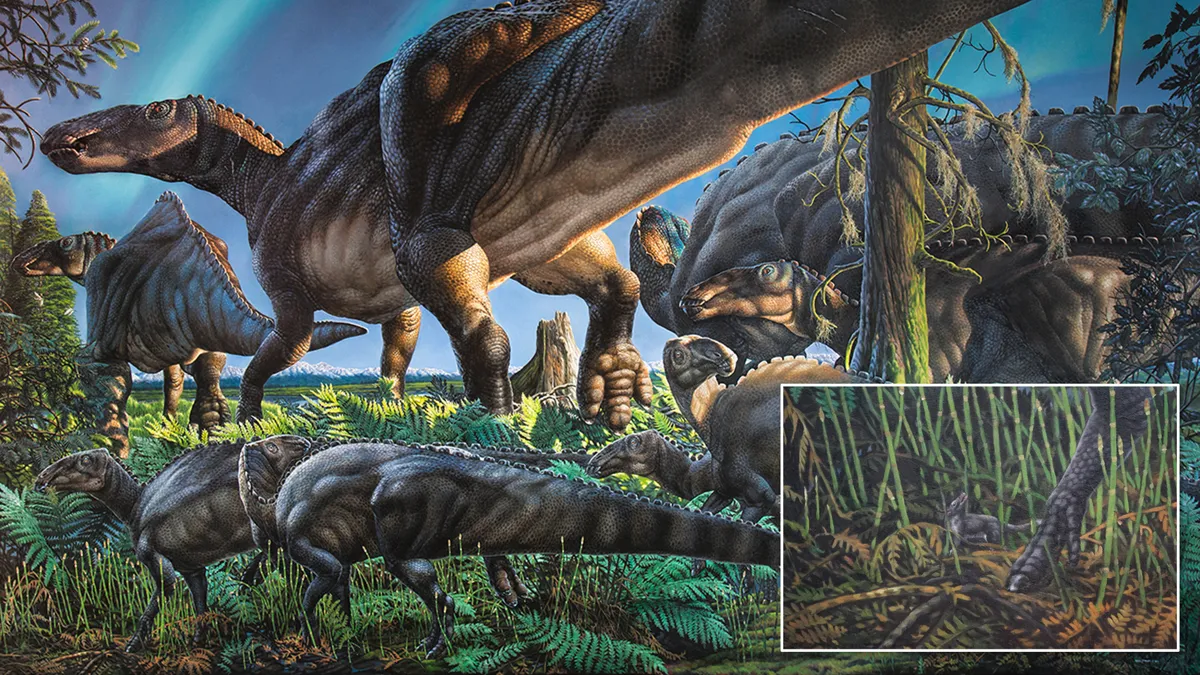
Today, the Arctic has little biodiversity. But 70 million years ago, it was home to many mammals. New fossils suggest this ancient polar ecosystem was a key area. Species adapted, diversified, and even moved between continents there.
New Arctic Mammals Discovered
Scientists from the University of Colorado Boulder and other institutions found three new species of rodent-like mammals. These animals lived in what is now northern Alaska over 70 million years ago. Their findings were published in the Proceedings of the National Academy of Sciences (PNAS).
We're a new kind of news feed.
Regular news is designed to drain you. We're a non-profit built to restore you. Every story we publish is scored for impact, progress, and hope.
Start Your News DetoxThe study suggests that some of these mammals' ancestors came from Mongolia in East Asia. This challenges the idea that polar regions played a small role in mammal evolution.
Sarah Shelley, the lead author from the University of Lincoln, noted that polar regions were active places for life. She conducted the study with Jaelyn Eberle, a professor at CU Boulder.
The three new species are Camurodon borealis, Qayaqgruk peregrinus, and Kaniqsiqcosmodon polaris. Their names mean "Northern curved-tooth," "the little wandering hero," and "polar frost ornamented tooth."
These animals were identified from fossil teeth. They were found in the Prince Creek Formation, inside the Arctic Circle. The fossils are about 73 million years old. Even with winter darkness and freezing conditions, these small mammals survived.
Patrick Druckenmiller, a coauthor, said these species add to evidence that the ancient Arctic had unique, polar-adapted animals.
Survival Strategies and Ancient Migration
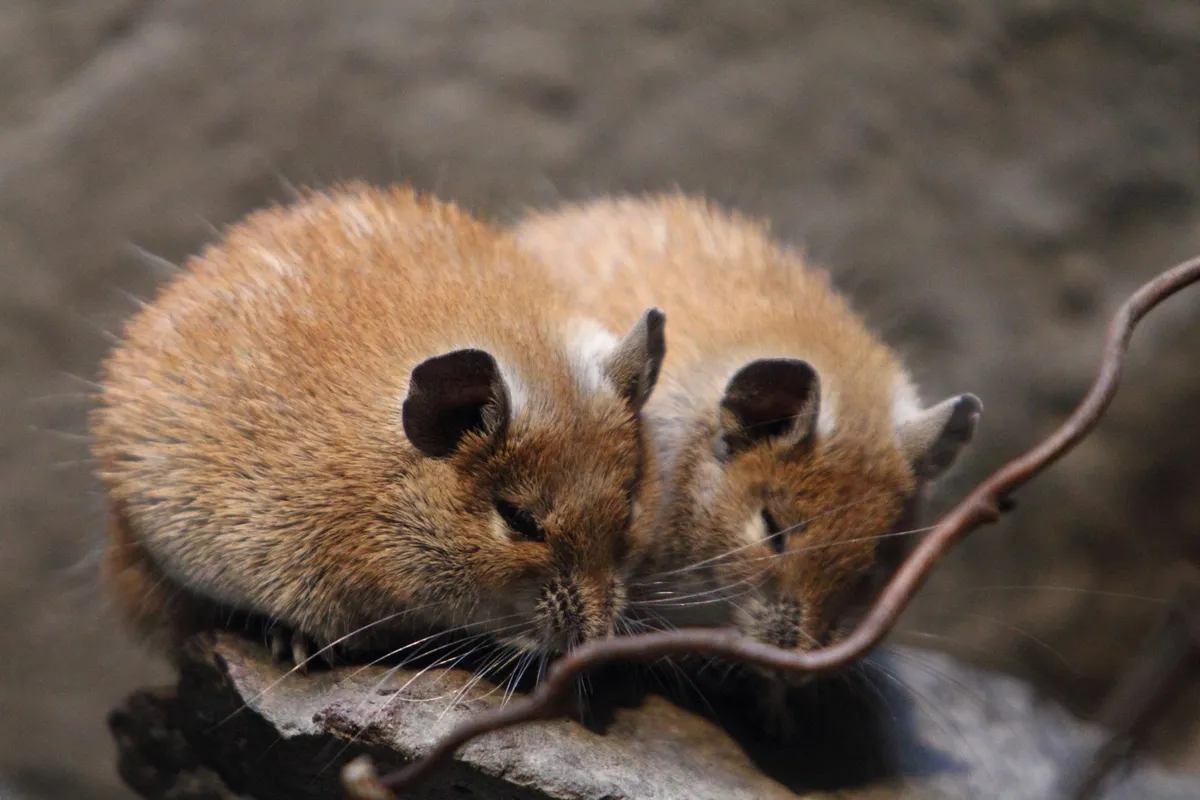
All three species were multituberculates, an extinct group of mammals. They were about the size of a mouse or rat. Multituberculates lived for over 100 million years, from the Jurassic Period through the Eocene Epoch. They even survived the asteroid impact that killed the dinosaurs.
Scientists have wondered why multituberculates lasted so long. The new teeth offer a clue. The three species had different tooth shapes, meaning they ate different foods. C. borealis likely ate plants. Q. peregrinus and K. polaris were omnivores, eating insects and plants.
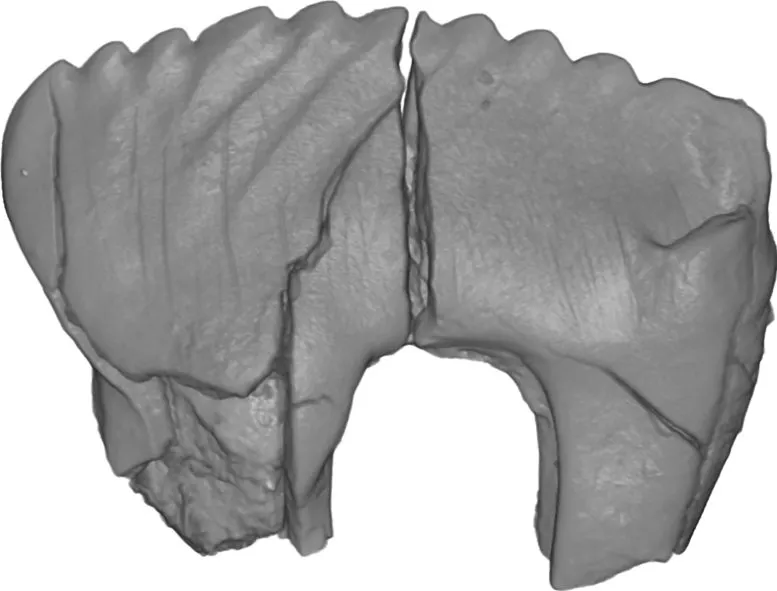
In a place where food was scarce, different diets allowed these species to live together. This flexibility may have also helped them survive the asteroid impact. Shelley believes multituberculates show how resilient mammals can be to mass extinctions and climate stress.
The discovery also sheds light on ancient Arctic history. Q. peregrinus is related to a species from Mongolia. This suggests its ancestors moved from Asia to North America about 92 million years ago. This is one of the earliest known mammal migrations between the two continents.
Jaelyn Eberle noted this means a land corridor existed between Asia and North America. This land bridge was active 90 million years ago. This finding shows that species have been moving across continents and changing ecosystems for millions of years.
Shelley emphasized that this challenges how we think about native species. It reminds us that a place has a long, layered history of landscapes and inhabitants.
Deep Dive & References
Arctic ecosystems shaped mammalian dispersal and diversification before the Cretaceous–Paleogene mass extinction - Proceedings of the National Academy of Sciences, 2026