Quantum computing just took a very large, very efficient leap forward. Imagine cutting down errors by a thousand times and needing eight times fewer parts to do it. That's precisely what IQM Quantum Computers claims its new “barbell codes” can achieve.
For those keeping score at home, the biggest headache in quantum computing isn't just building the finicky machines; it's making them reliable enough to actually do something useful. Quantum bits, or qubits, are notoriously delicate, prone to flipping out at the slightest disturbance. This new error-correction method promises to make those qubits behave, and without needing a sprawling, complex mess of hardware to pull it off.
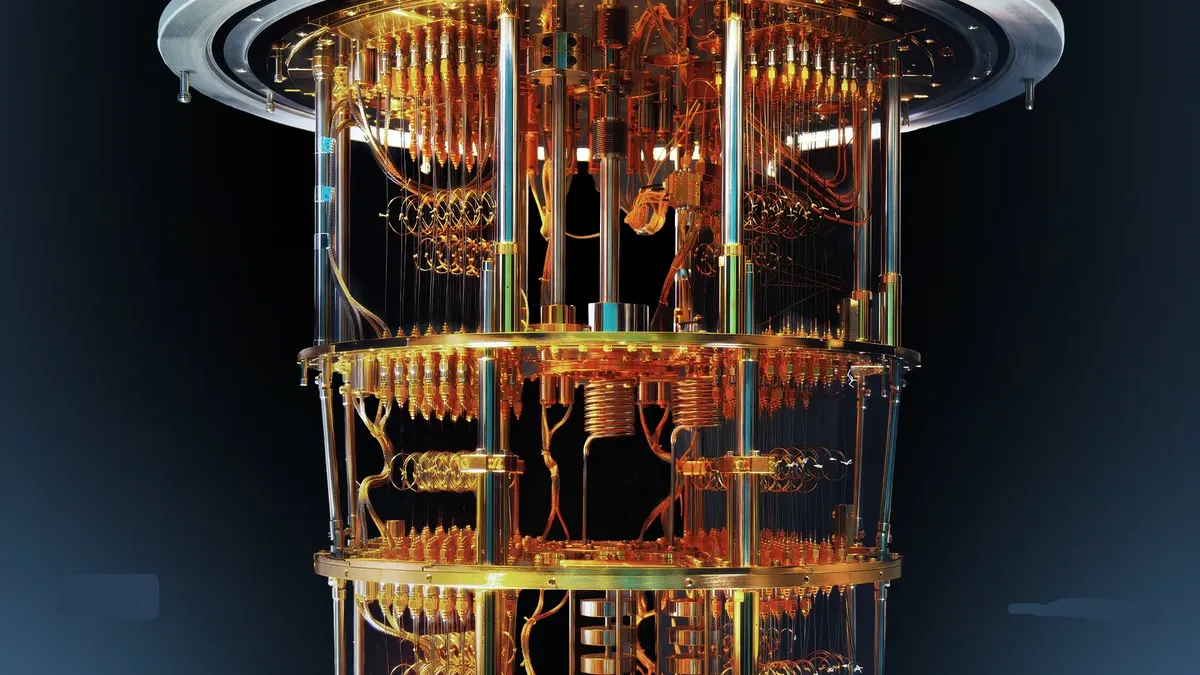
Making Quantum a Bit Less… Quantum-y
Think of it like this: your average quantum computer is a diva. Super talented, but demands absolute silence and perfect conditions, or else it throws a tantrum (an error, in this case). To calm the diva, scientists use error correction, which essentially spreads the computational load across many physical qubits to create a more stable, "logical" qubit. The problem? Current methods are like needing a stadium full of understudies just to make sure the main star hits their note.
We're a new kind of news feed.
Regular news is designed to drain you. We're a non-profit built to restore you. Every story we publish is scored for impact, progress, and hope.
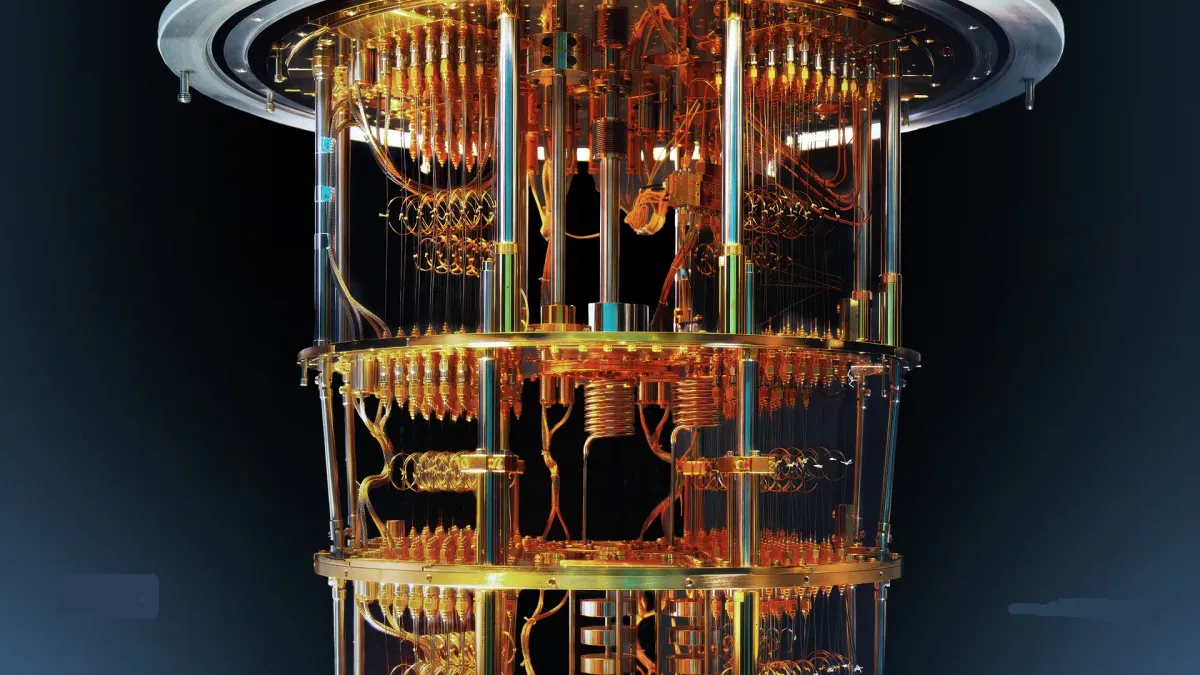
Start Your News DetoxIQM's barbell codes aim to streamline this process. They're designed for the company's Constellation processor, which boasts a rather impressive social network for its qubits: each one can connect directly to up to 12 neighbors. That's a party compared to the typical four-neighbor setup in most quantum chips.
This high connectivity is key. It allows the barbell codes to create the necessary quantum entanglement for error correction without demanding a ridiculous amount of long-range connections, which are a nightmare to manufacture. Less hardware, fewer errors, more reliable quantum computations. It's the kind of efficiency that makes engineers swoon.
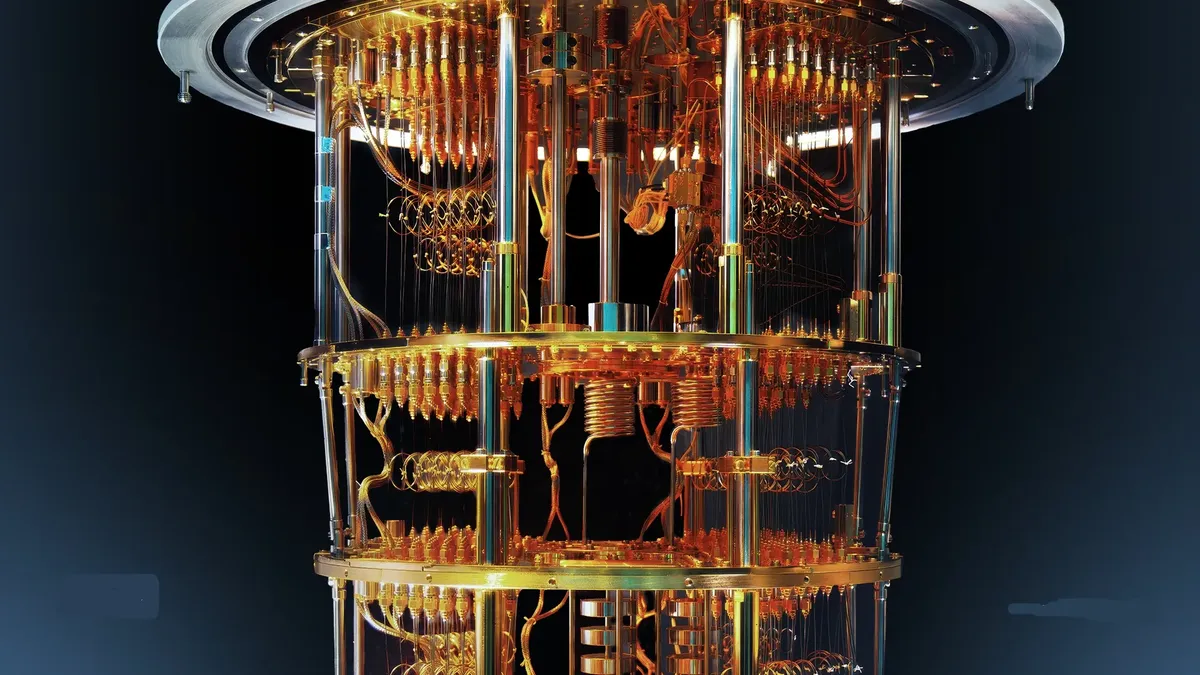
Jan Goetz, CEO of IQM, believes this is a serious contender for scalable quantum error correction, potentially paving the way for those "large, fault-tolerant quantum computers" we keep hearing about. The whole approach was built with real-world, superconducting processors in mind, focusing on manufacturability and scaling, not just theoretical lab perfection.
This isn't just about tidying up a few errors. It's about making quantum computers practical enough to tackle big problems that are currently out of reach. With IQM planning to deliver 150-qubit systems this year and a new quantum computer, IQM Halocene, specifically for testing error correction, the future might just be a whole lot less error-prone. Which, if you think about it, is both impressive and slightly terrifying.