The European Space Agency's Euclid space telescope launched in 2023 with one main mission: hunt for the universe's most elusive substances, dark matter and dark energy, which supposedly make up 95% of everything. Casual stuff.
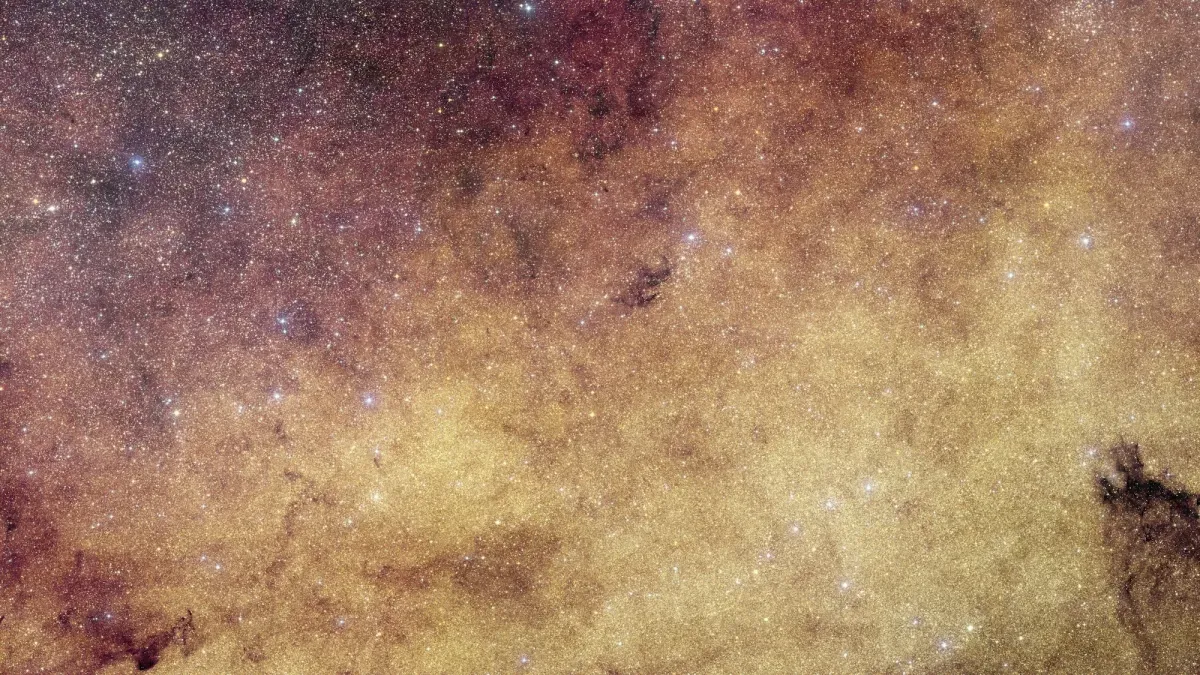
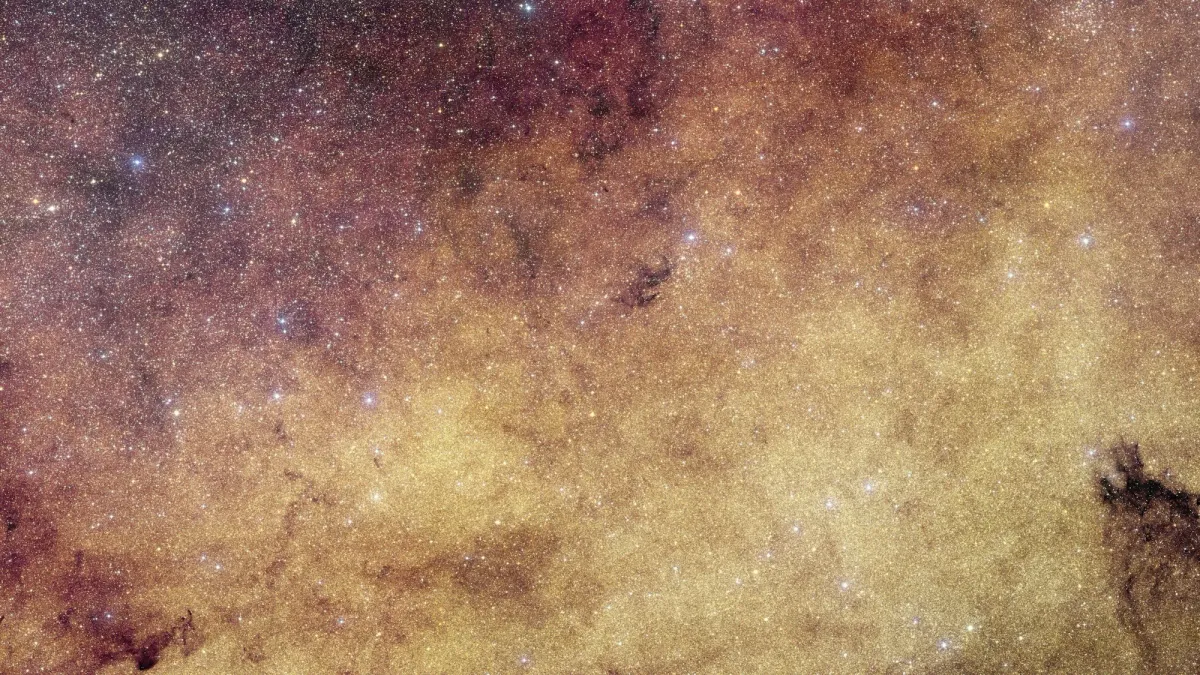
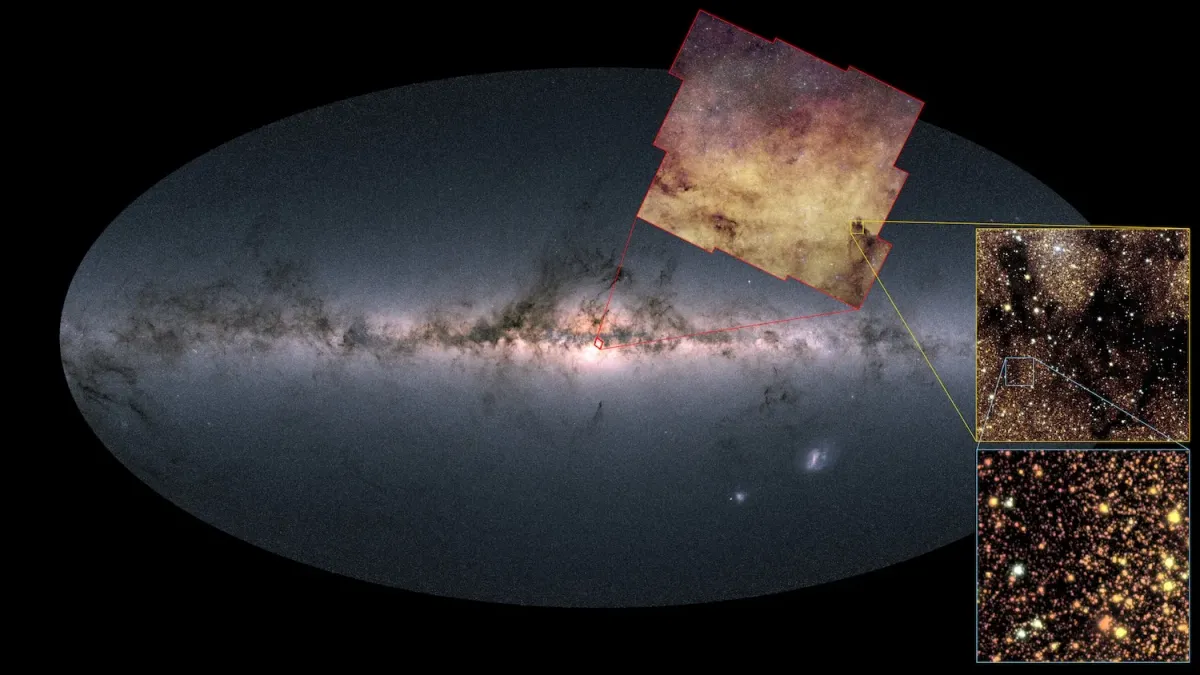
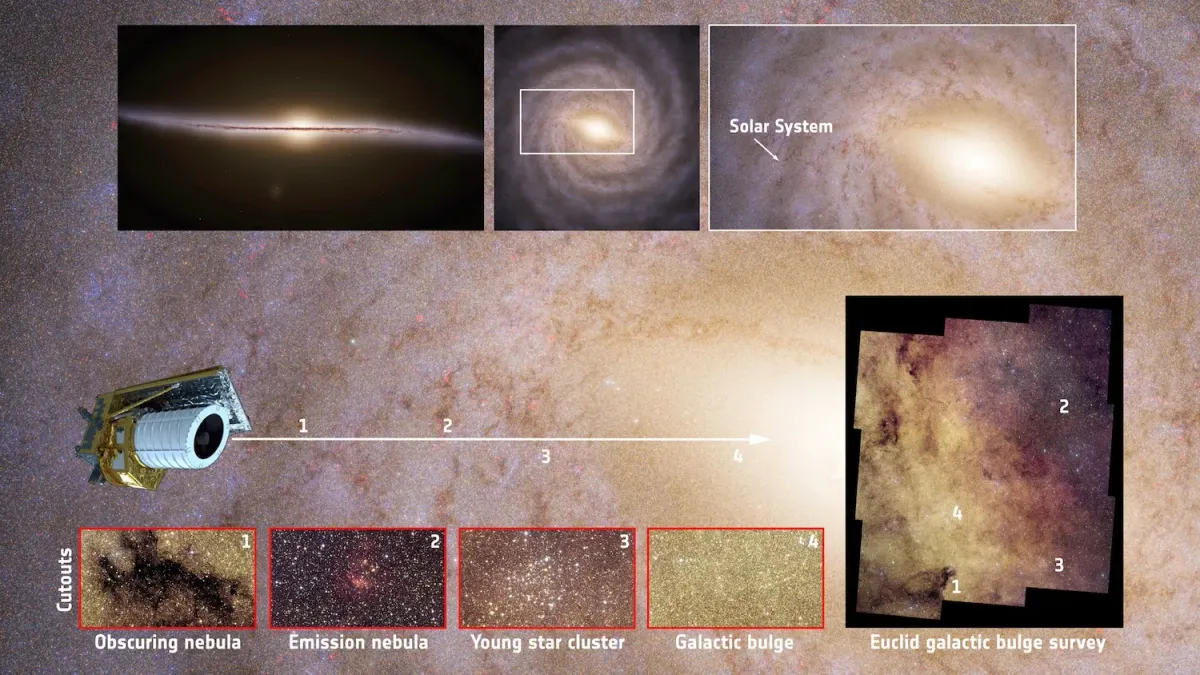
But apparently, Euclid moonlights as an intergalactic paparazzo. It recently snapped an absolutely jaw-dropping picture of the Milky Way's galactic bulge – that dense, star-packed center of our home galaxy. The result? A single image showcasing over 60 million individual stars.
Euclid's Eye-Popping Photography Skills
Think of Euclid's visible-light camera as having the precision of the Hubble Space Telescope, but with an eye for the really big picture. We're talking 270 times the area in just a few hours. Because why take your time when you can capture an entire stellar metropolis in one go?
We're a new kind of news feed.
Regular news is designed to drain you. We're a non-profit built to restore you. Every story we publish is scored for impact, progress, and hope.
Start Your News DetoxThis isn't just a pretty picture for your desktop background. It's the sharpest visible-light image ever taken of our galaxy's core, revealing not just those 60 million stars, but countless star clusters and nebulae, all glowing in spectacular detail.
Beyond the sheer visual splendor, this cosmic selfie is a goldmine for scientists trying to understand things like "microlensing" – a phenomenon that sounds like it belongs in a sci-fi movie, but is very real.
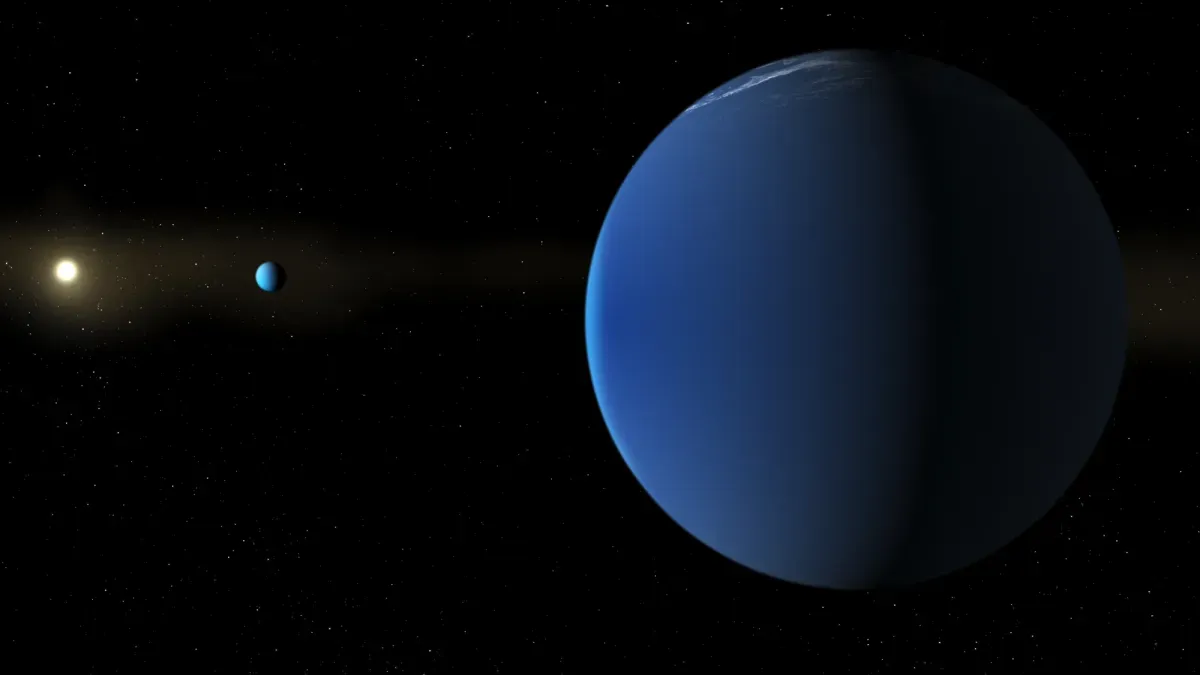
Microlensing happens when two stars align perfectly from our perspective, with the foreground star acting like a colossal magnifying glass. It brightens and bends the light from the background star, and it's how astronomers spot exoplanets they can't see directly. It's basically a cosmic magic trick.
According to Jean-Philippe Beaulieu from the Institut d’Astrophysique de Paris, you need to stare at really crowded parts of the sky to catch these events – which makes the Milky Way's bustling center the perfect hunting ground. Over the last two decades, this method has helped discover nearly 300 new exoplanets. Euclid's new image alone includes 51 known planetary systems, with plenty more waiting to be found.
Now, Euclid's 24-hour photo session isn't long enough to find new microlensing events (those usually take over 20 days to unfold). Instead, this data lets astronomers calculate the mass of known exoplanets and prepare for future discoveries. It's like getting a detailed map of the crime scene before the crime even happens.
Natalia Rektsini, another scientist on the project, pointed out that Euclid has essentially captured the stars involved in all future microlensing events that NASA's Roman Space Telescope (launching in 2026) will discover. So, when Roman spots a new event, scientists can simply refer back to Euclid's data to see how those stars looked before they did their cosmic dance. Which, if you think about it, is both impressive and slightly terrifying.