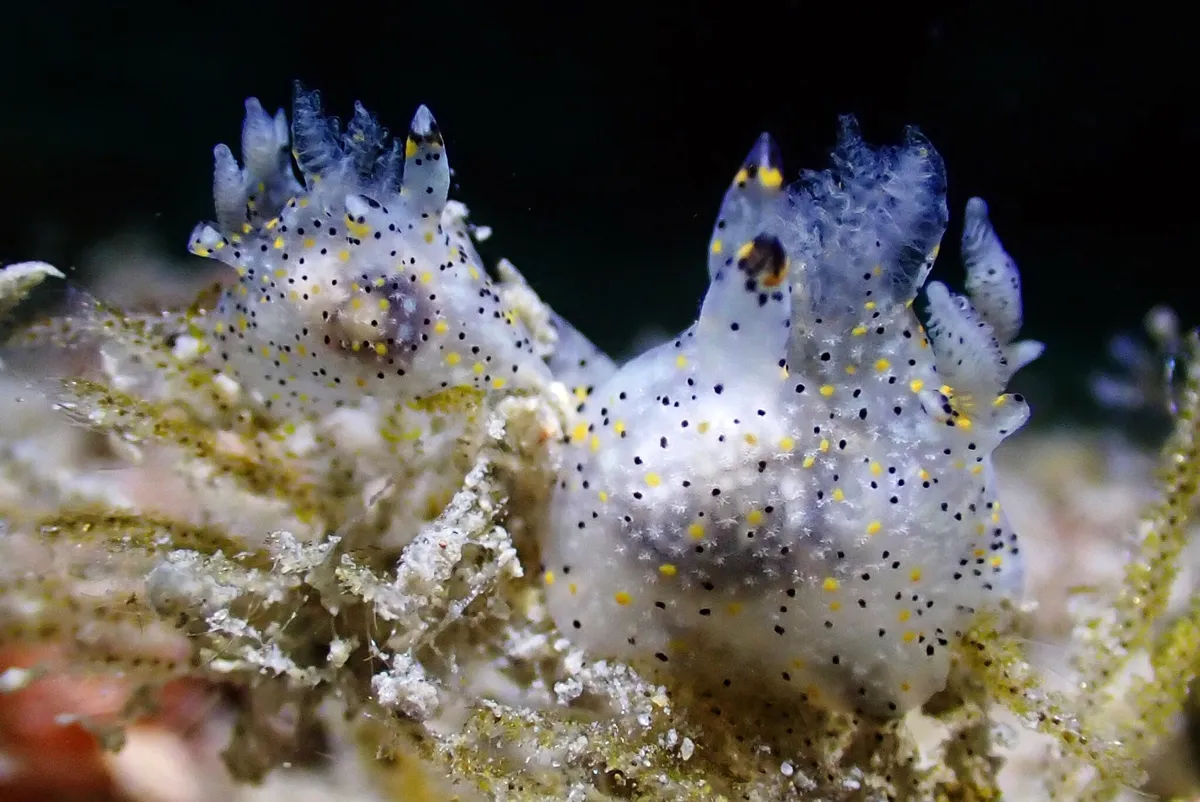
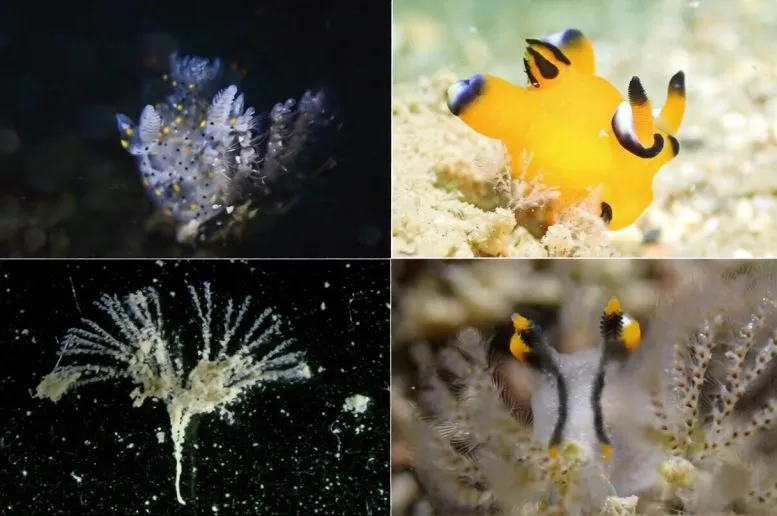
A new sea slug, smaller than a sesame seed, has been found in the waters off Keelung, Taiwan. This tiny marine animal, named Thecacera sesama, has a see-through body with black and yellow marks.
Researchers from several Taiwanese universities named it sesama because it looks like a sesame seed. Taiwanese divers also call it "sesame" in Chinese.
The slug is less than three millimeters long. Lead author Ho-Yeung Chan first saw it in 2019 during a casual dive.
We're a new kind of news feed.
Regular news is designed to drain you. We're a non-profit built to restore you. Every story we publish is scored for impact, progress, and hope.
Start Your News DetoxHow the Tiny Slug Was Found
Chan was an undergraduate student when he found Thecacera sesama. He didn't know it was a new species until he asked sea slug expert Hsini Lin on Facebook.
Studying such small creatures in Keelung is hard. Typhoons hit in summer, and strong winter winds create big waves. Water temperatures can also drop below 16 degrees Celsius. This means researchers only have about four months a year to dive and study nudibranchs. Finding a tiny animal like T. sesama often comes down to luck.
Life on Bryozoans
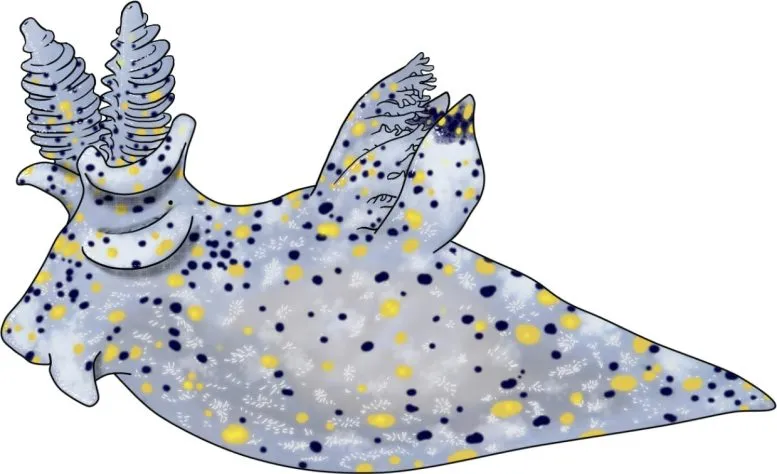
Researchers watched the sea slug feed, search, mate, and lay eggs. All these activities happen on bryozoans, which are small aquatic animals also called "moss animals." The specific bryozoan species T. sesama uses might also be a new species not yet described by science.
Why These Discoveries Matter
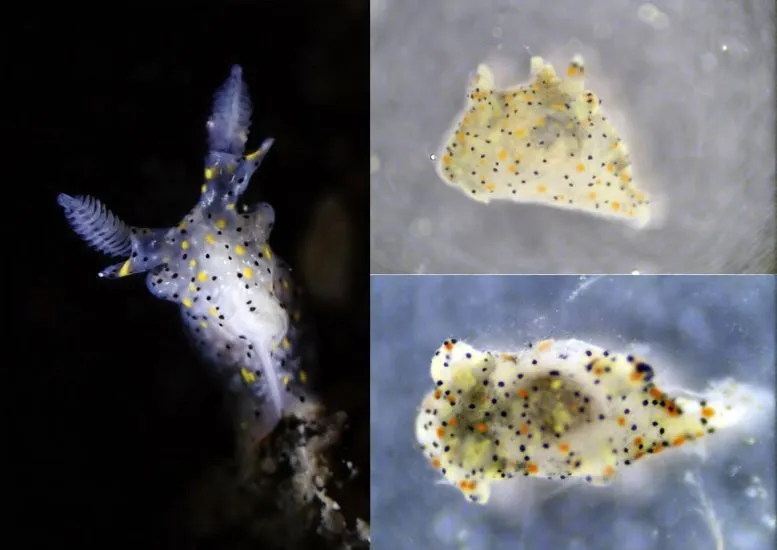
Nudibranchs, even tiny ones, are important in ocean food webs. They are often colorful and found in coral reefs. However, many are so small they are hard to see.
The team thinks finding Thecacera sesama is just the start. Taiwan's waters likely hold many more tiny, undiscovered marine species.
The research on Thecacera sesama was published in the journal ZooKeys on May 11, 2026.
Deep Dive & References
Thecacera sesama sp. nov. (Nudibranchia, Polyceridae) from Taiwan, evident from morphology and phylogenetic analyses of the 16S rDNA and cytochrome c oxidase I gene - ZooKeys, 2026