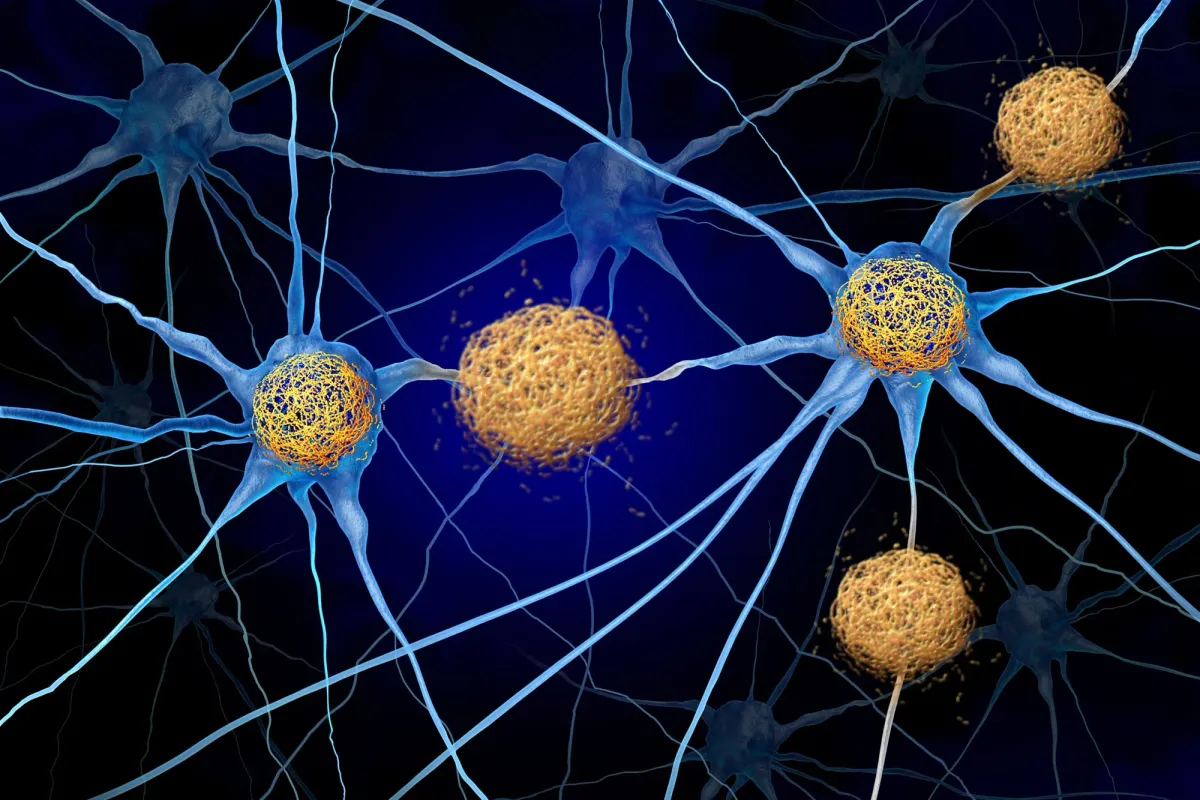
New research shows that tau, a protein linked to Alzheimer's disease, is also vital for creating lasting memories. These findings could help develop new treatments for dementia.
The study was led by Flinders University, with help from the University of New South Wales and Macquarie University. It found that tau helps organize and stabilize memories so they can be kept over time. This is surprising because tau is usually associated with memory loss in dementia.
Tau's Role in Long-Term Memory
Researchers studied "remote memory" in mice. This refers to memories recalled days or weeks after an event. They found that tau is not needed for learning new things or remembering them short-term. However, it is crucial for keeping memories strong for longer periods.
We're a new kind of news feed.
Regular news is designed to drain you. We're a non-profit built to restore you. Every story we publish is scored for impact, progress, and hope.
Start Your News DetoxThese results come from mice, so they might not directly apply to human brains or dementia. Still, they offer important clues that could guide future treatments.
Associate Professor Arne Ittner, a neuroscientist and senior author, explained that these findings help understand why people with dementia lose memories even if they can still learn new things at first.
"Why some memories last while others fade has long puzzled scientists," Ittner said. "Our study shows that tau plays a key role in how the brain forms long-lasting memories. Without it, memories can still form, but they are weaker."
Specialized brain cells called "engram cells" store memories. When we learn, only a few of these cells are chosen to hold a specific experience. The study found that tau is active during this selection process, helping decide which cells store a memory.
How Tau Organizes Memories
Lead author Renée Kosonen noted that tau acts like an organizer, making sure memories are formed correctly. "Our findings show that tau helps determine which cells are selected to store a memory, shaping how an experience forms a lasting memory trace," Kosonen said.
The team also found that tau reduces extra brain activity, or "noise." This allows only a specific group of cells to become part of a memory. This process helps create clearer and more stable memories.
Researchers identified a key molecular process behind this. During learning, tau undergoes a small chemical change called phosphorylation. This helps coordinate the activity of engram cells.
While abnormal tau phosphorylation is a known sign of Alzheimer's, this study showed that controlled, low-level phosphorylation is necessary for normal brain function.
The researchers also found that memories can still exist without tau. They can be accessed by directly stimulating engram cells. This suggests tau is needed to link natural cues, like sights and sounds, to memory recall, rather than storing the memory itself.
Tau and Dementia
The findings also shed light on how abnormal tau causes memory problems in dementia. When disease-related forms of tau were in engram cells during learning, they messed up the formation of new memories. If abnormal tau appeared later, it interfered with the brain's ability to get back existing memories.
Researchers linked these effects to unusual brain activity. This suggests that memory problems in dementia might come from difficulties with memory organization and retrieval, not just memory loss.
"Knowing how tau supports memory formation and recall could help us better understand what goes wrong in memory loss," Ittner said. "Future research will hopefully confirm these ideas in human memory and show their importance in dementia."
The researchers believe tau is more than just a disease-related protein. It also helps regulate how memories are organized and kept. This offers new insights into both healthy brain function and the processes that lead to memory loss in Alzheimer's disease.
Deep Dive & References
Tau T205 phosphorylation modulates engram cell recruitment and remote memory in mice - Nature Communications, 2026