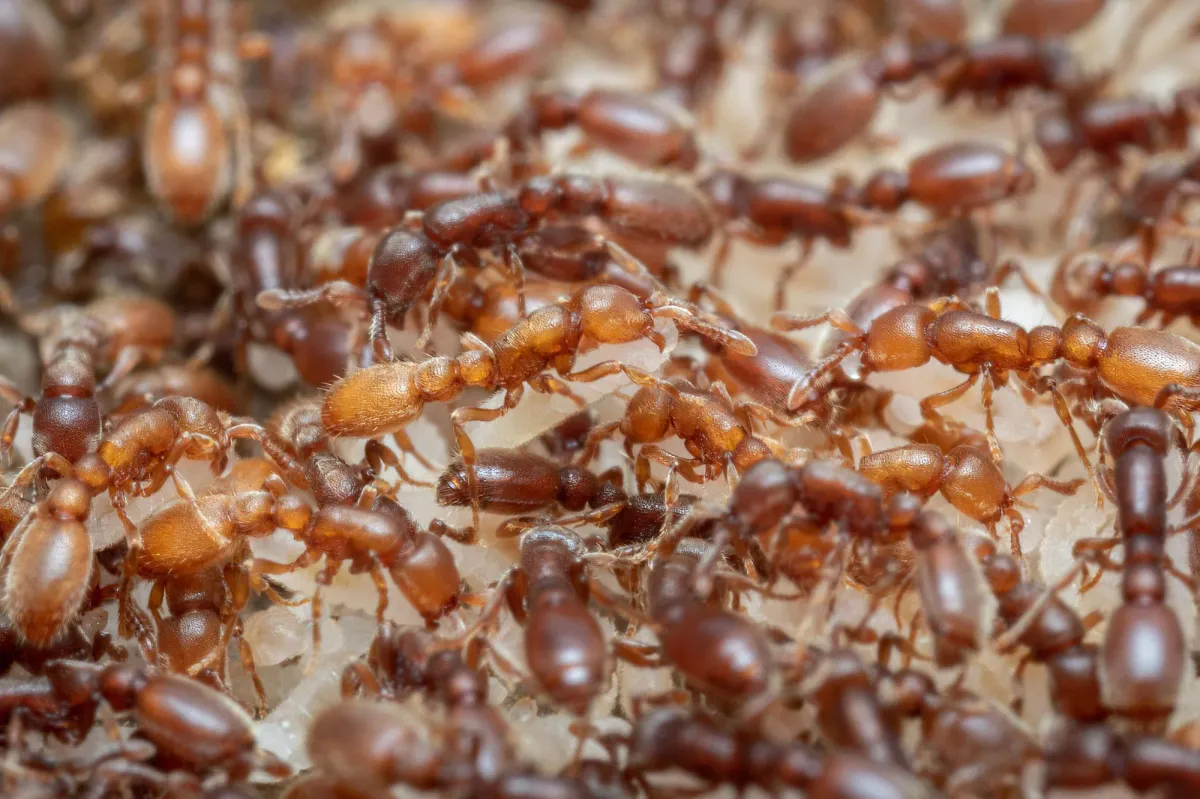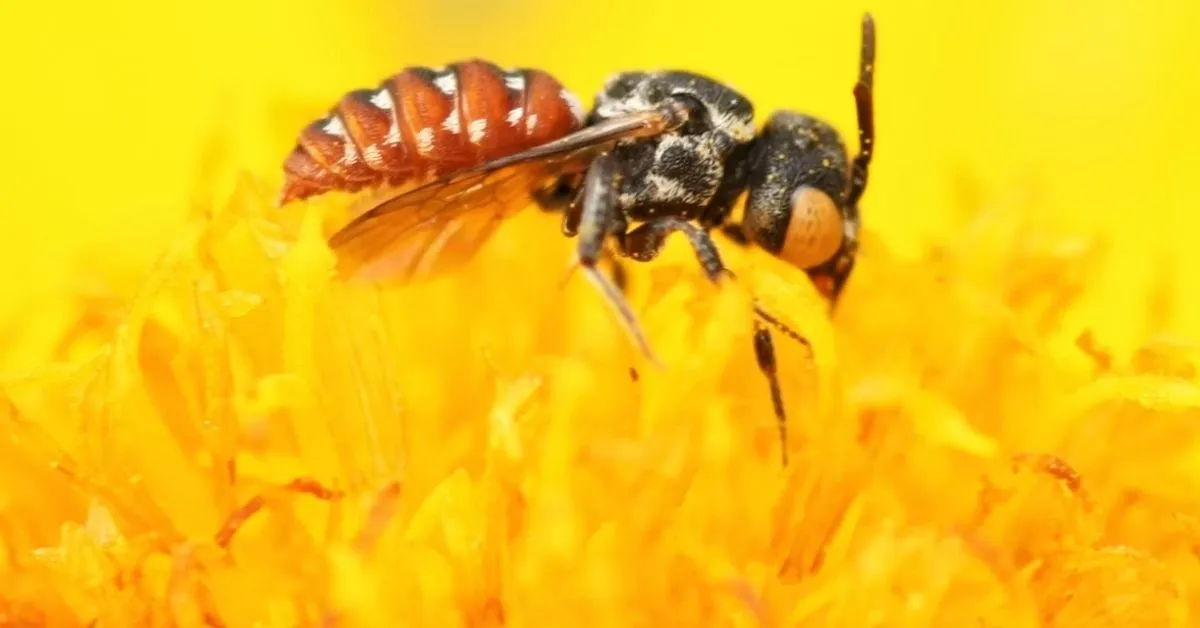
Scientists found that many bee species have magnetic properties. This suggests they might use Earth's magnetic field to find their way. This ability is called magnetoreception.
Bees and Their Internal Compasses
For a long time, scientists knew that honeybees could sense magnetic fields. They thought this ability was linked to living in a colony. Honeybees use a special dance to tell others where to find flowers. This dance uses the sun and the Earth's magnetic field as guides.
Researchers wanted to see if magnetism was only found in social bees. They also wanted to learn how this trait evolved in bees.
We're a new kind of news feed.
Regular news is designed to drain you. We're a non-profit built to restore you. Every story we publish is scored for impact, progress, and hope.
Start Your News DetoxTo test this, they collected different bee species. These included social bees like honeybees and solitary bees like chimney bees. They ground up dried bees into a powder and measured its magnetic strength.
Surprisingly, both social and solitary bees showed strong magnetic responses. This meant that magnetism wasn't just for bees living in groups. Even a small social sweat bee had a high magnetic response.
The scientists then looked at bees from across the bee family tree. They thought magnetism might be an ancient trait. They found magnetism in all bee families they studied. This included social and solitary bees, nocturnal bees, and bees that nest in the ground or in hives. Other insects like beetles, wasps, and flies also showed magnetism.
This led them to believe that magnetism likely existed before bees even evolved. It seems to be a very old and well-preserved trait.
What We Still Don't Know
While many bees are magnetic, proving they use this for navigation is hard. It requires testing live bees outside their natural homes.
Magnetoreception is a tricky sense to study. Even in animals believed to have it, it's often not their main way of sensing the world. Scientists are more sure about honeybees, who can even be trained to react to magnetic changes. The researchers assumed that insects with stronger magnetic responses than honeybees also have magnetoreception. However, they can't prove it yet.
The study also didn't explain how magnetism works or what its purpose is. The magnetic signal was found in many body parts, not just one. This means some ideas about how magnetoreception works, like through light-sensitive cells in the eyes, might not be correct.
This research opens new doors to understanding how bees and other insects navigate their world.