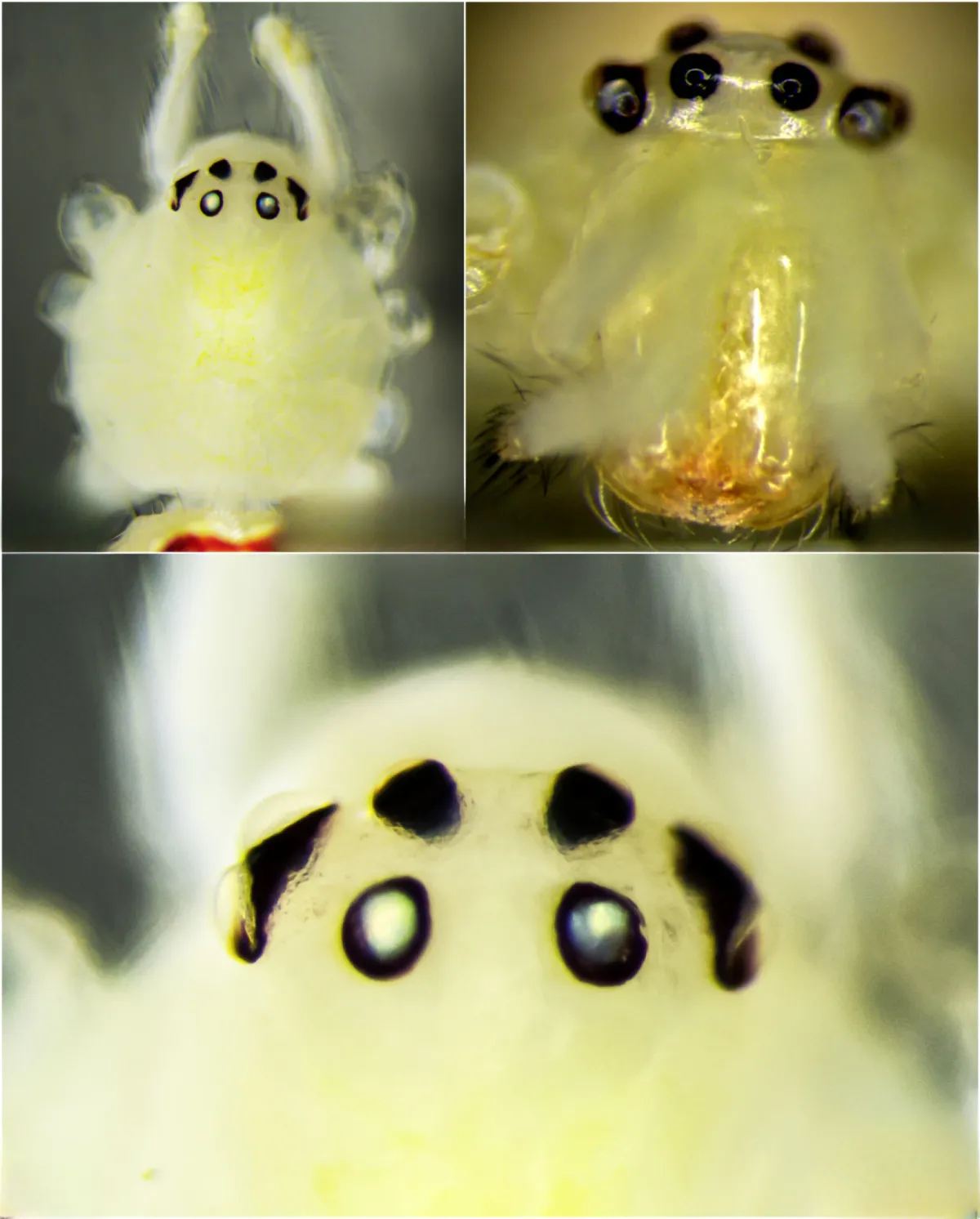
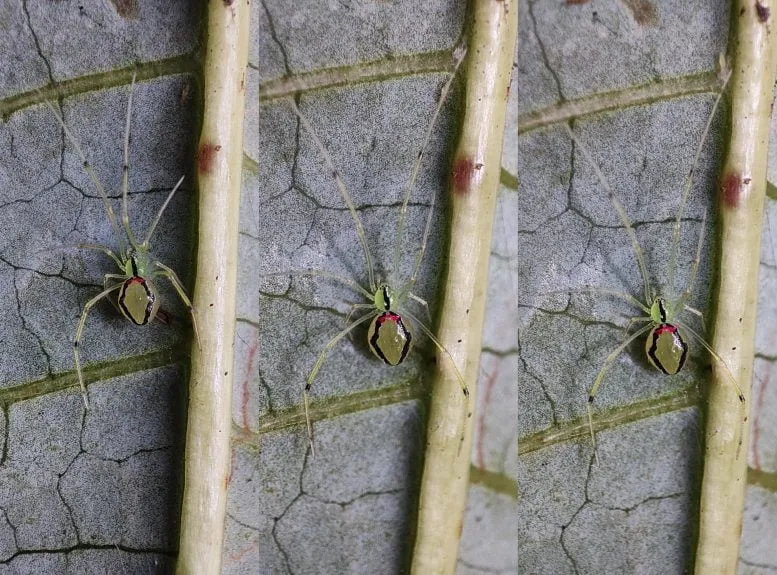
For over a century, scientists thought the "Happy Face" spider lived only in Hawaii. This small, colorful spider is known for the red smile on its back. It seemed like a unique creature found nowhere else.
That idea changed when researchers found a new spider species with the same smile in the Himalayan mountains of Uttarakhand, India. Scientists from the Forest Research Institute and the Regional Museum of Natural History made this discovery. They named it Theridion himalayana, or the Himalayan Happy Face Spider.
An Accidental Discovery
Devi Priyadarshini, a scientist at the Regional Museum of Natural History, coauthored the study. She said the discovery was accidental because their initial survey focused on ants.
We're a new kind of news feed.
Regular news is designed to drain you. We're a non-profit built to restore you. Every story we publish is scored for impact, progress, and hope.
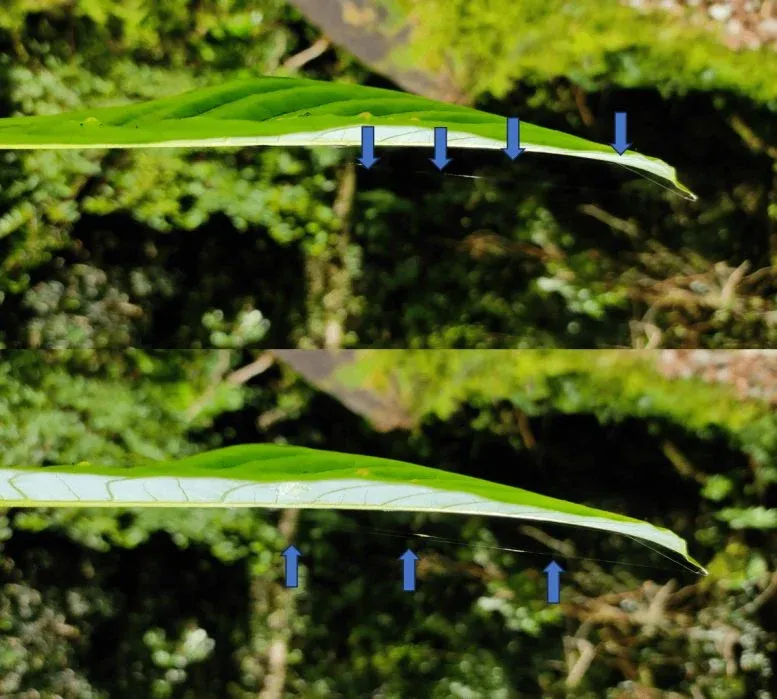
Start Your News DetoxHer co-author, Ashirwad Tripathy, kept sending her spiders from high-altitude areas for identification. One day, he shared an image of a spider from under a Daphniphyllum leaf. Priyadarshini recognized its striking resemblance to the Hawaiian spider she had seen during her master's program.
She knew they had found something important. She asked Tripathy to send all the different forms he found. This led to the discovery over the next few months, starting in October 2023.
Priyadarshini had always been interested in high-altitude spiders. Mountain landscapes and plants are very different from the plains. She saw this discovery as a way to study other polymorphic species in the region. Tripathy also believes more surveys could show even more variations within the species.
Honoring the Himalayas
The species name, himalayana, honors the mountain range where the spider was found. It lives at elevations above 2,000 meters. Tripathy said they chose the name to show respect for the mighty Himalayas. These mountains protect the country and hold a vast amount of biodiversity.
Since this was the first polymorphic spider from the region, they wanted to dedicate it to the amazing mountain ranges.
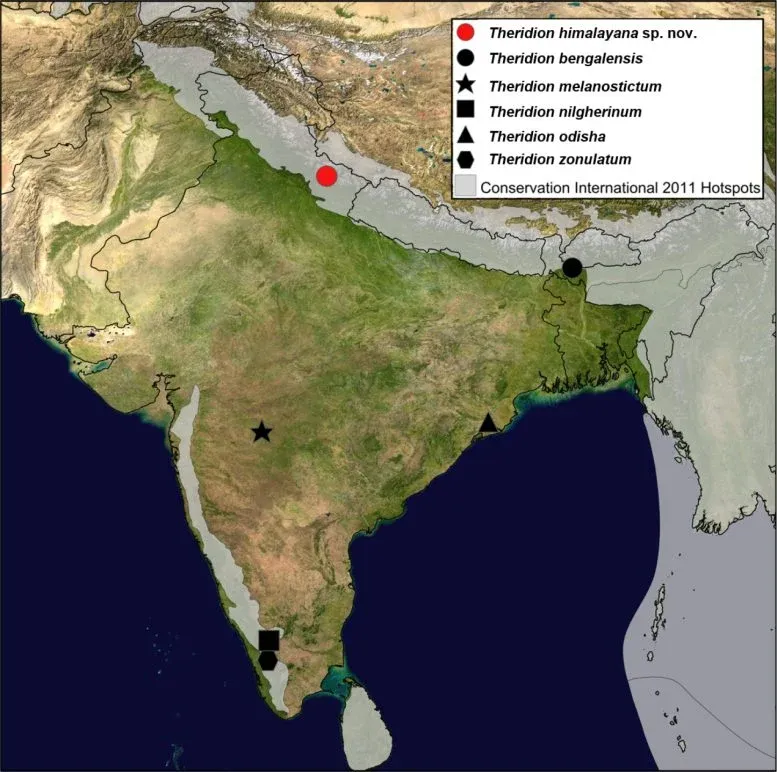 Map showing the Theridion spp. from India with the locality record of the newly described Theridion himalayana sp. nov. Credit: Devi Priyadarshini and Ashirwad Tripathy
The study, published in Evolutionary Systematics, found 32 color variations, called "morphs." These were from specimens collected at three sites in Uttarakhand: Makku, Tala, and Mandal. DNA tests showed about 8.5% genetic difference from the Hawaiian happy face spider. This confirmed that the Indian spider is a separate lineage that evolved independently in Asia.
Unexplained Patterns
The smile-like markings are striking, but their purpose is still a mystery. Priyadarshini explained that the reason for these varied patterns is complex.
She believes these patterns help the spiders survive in the wild. However, why they have such patterns on their backs and what exact role they play in their life cycle is still unknown. This suggests a deeper genetic mystery. Tripathy also noted that the spider was found among other small creatures with similar color patterns.
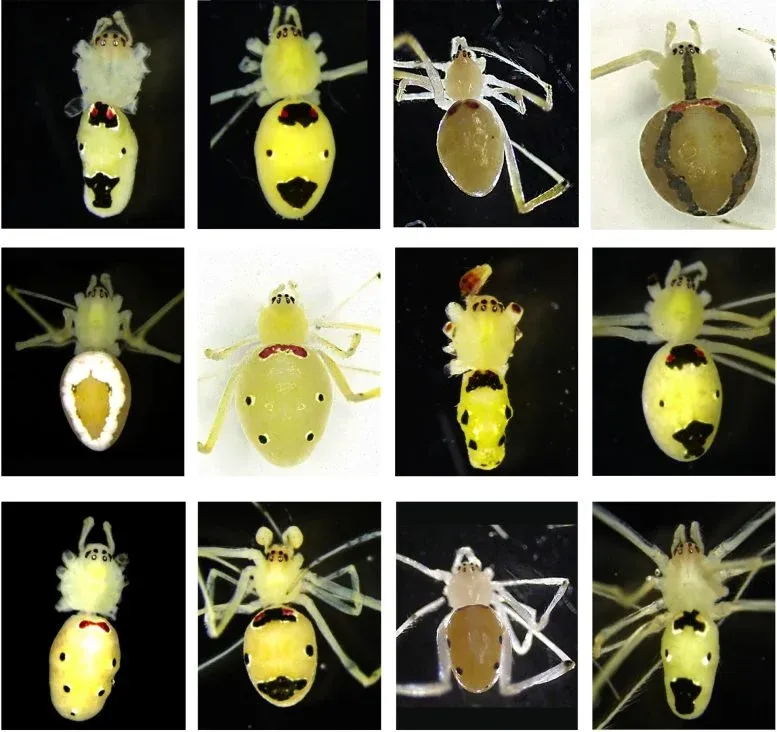 Collage showing morphs of some of the males and females of Theridion himalayana in the population with different polymorphic patterns on the abdomen. Credit: Devi Priyadarshini and Ashirwad Tripathy
The study also found that these spiders often live on ginger plants (Hedychium species). This is similar to their Hawaiian relatives. Since ginger is not native to Hawaii, this connection raises new evolutionary questions for the scientists.
Priyadarshini wondered how the spiders chose an invasive species like ginger. She questioned if T. himalayana could be an "elder cousin" of T. grallator, even though it was discovered 125 years later. She noted that establishing any missing links through Hedychium species will be part of their future research.
Deep Dive & References
On the discovery of a new polymorphic Happy-Face Spider (Araneae, Theridiidae) from the Western Himalayas, India, with notes on its natural history - Evolutionary Systematics, 2026