Imagine your computer's brain, but instead of electrons zipping around and getting hot, information travels on tiny magnetic ripples. That's the promise of "spin waves," and scientists just figured out how to make them take sharp turns without losing their cool.
Turns out, a Z-shaped path is the secret. Researchers have found a way to guide these magnetic waves around corners over 5,000 times more efficiently than current methods. Which, if you think about it, is both impressive and slightly terrifying for anyone still using a laptop that doubles as a space heater.
The Magnetic Superhighway
Spin waves are essentially ripples of magnetism in a material. They can carry data with far less heat than the electrons currently doing all the heavy lifting in our devices. This makes them a golden ticket for reducing the energy guzzled by everything from your phone to those massive data centers powering AI.
We're a new kind of news feed.
Regular news is designed to drain you. We're a non-profit built to restore you. Every story we publish is scored for impact, progress, and hope.
Start Your News DetoxBut there's a catch (isn't there always?). Spin waves are a bit like shy teenagers — they tend to lose energy and weaken, especially when asked to make a sharp turn. This signal loss has been a major roadblock for building practical spin wave circuits. Associate Professor Taichi Goto from Tohoku University put it plainly: bending a spin wave without losing it has been one of the hardest problems. Until now.
Flipping the Script, Literally
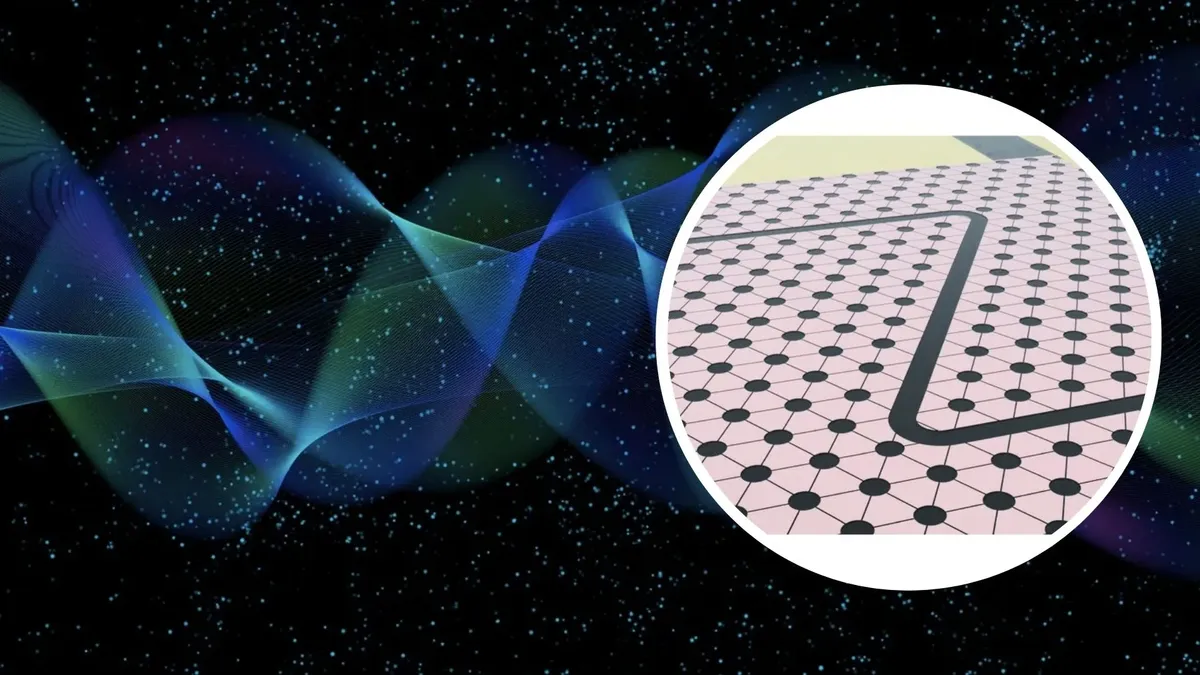
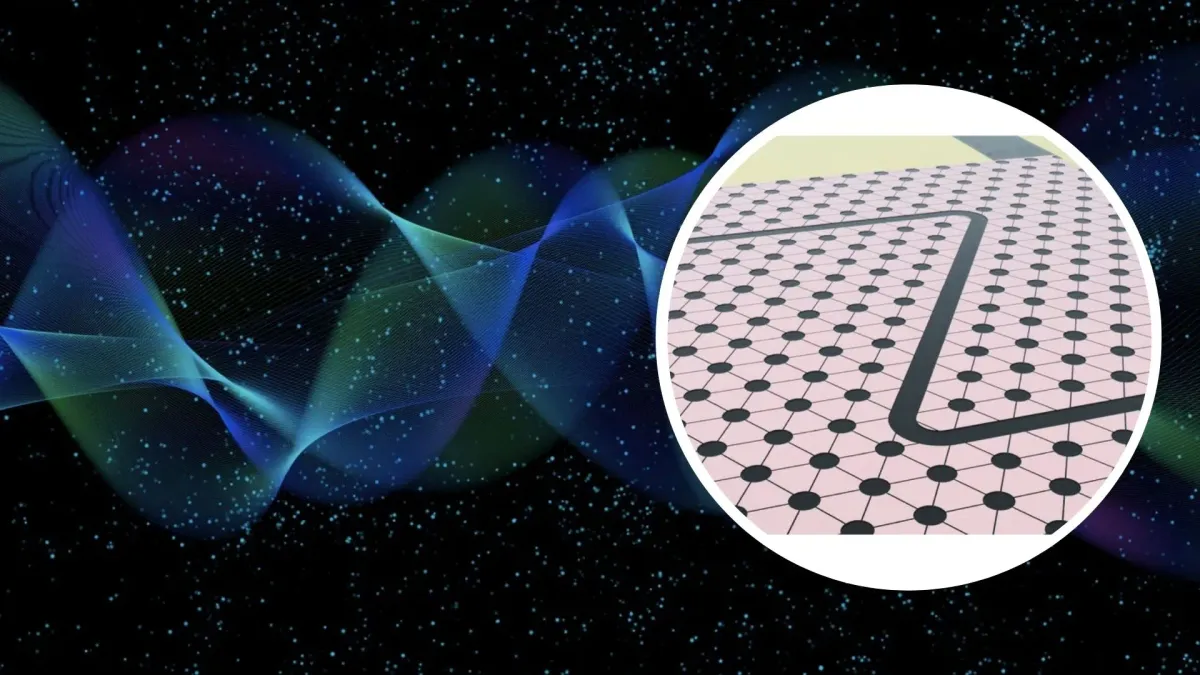
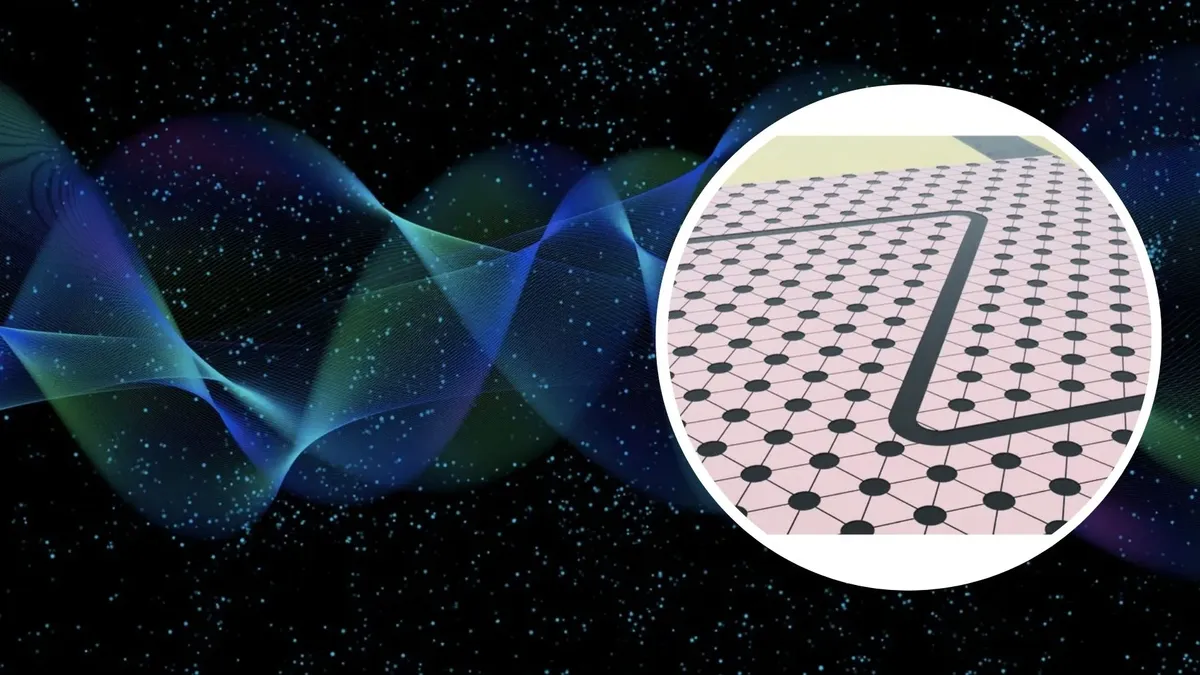
The team, a brain trust from Tohoku University, Shin-Etsu Chemical Co., Ltd., and EPFL, decided to invert an old idea. Instead of placing copper disks on a magnetic garnet film, they used a copper film with holes arranged in a hexagonal pattern, then connected those holes with thin slits. It's like turning a polka-dotted shirt inside out to make it work better.
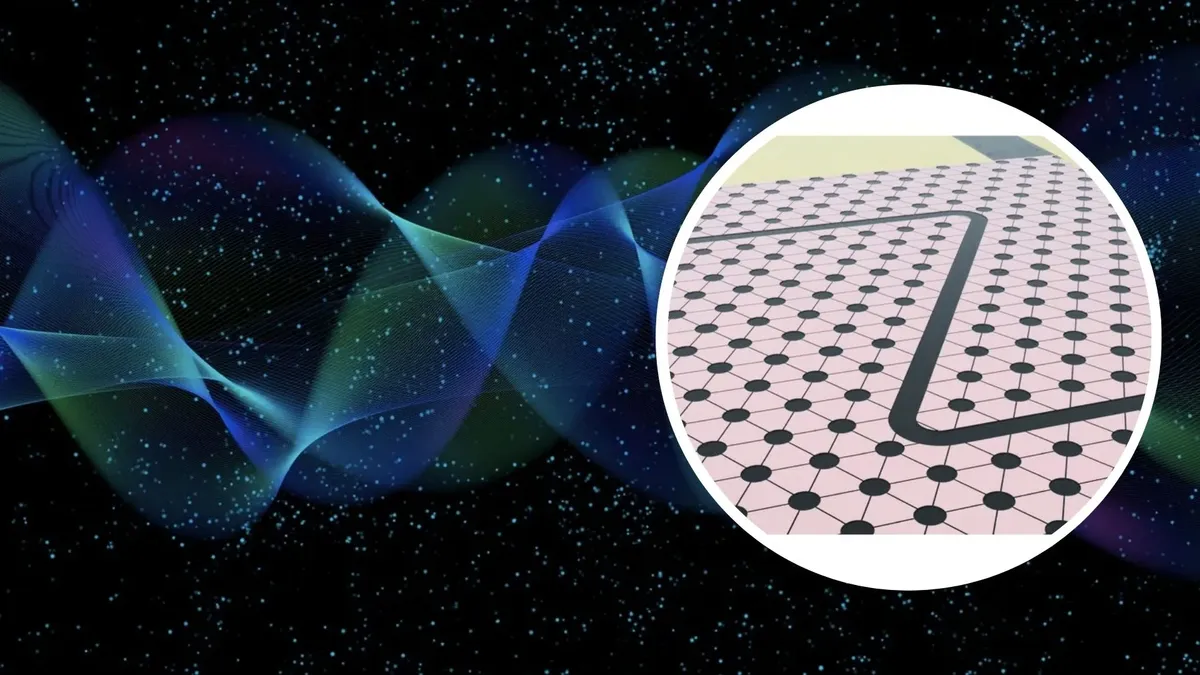
This clever design created something called a "complete magnonic bandgap." Think of it as an invisible force field that reflects spin waves no matter their angle of approach. This is the first time such a bandgap has been observed in this type of crystal, and they've already filed a patent. Because apparently, that's where we are now: patenting invisible force fields for computer chips.
Next, they carved a Z-shaped path (a "line defect") within this crystal by simply removing a row of holes. While spin waves in older designs would've sputtered out trying to navigate such a path, this new method let them cruise right through. The result? Spin wave transmission over 5,000 times stronger than previous attempts, even through those tricky 120-degree Z-turns. It all comes down to avoiding those pesky uneven magnetic fields that used to trip up the waves.
So, your future computer might just be powered by tiny, efficient magnetic ripples doing the cha-cha through Z-shaped corridors, all while barely breaking a sweat. Your electric bill, and the planet, might just thank them.