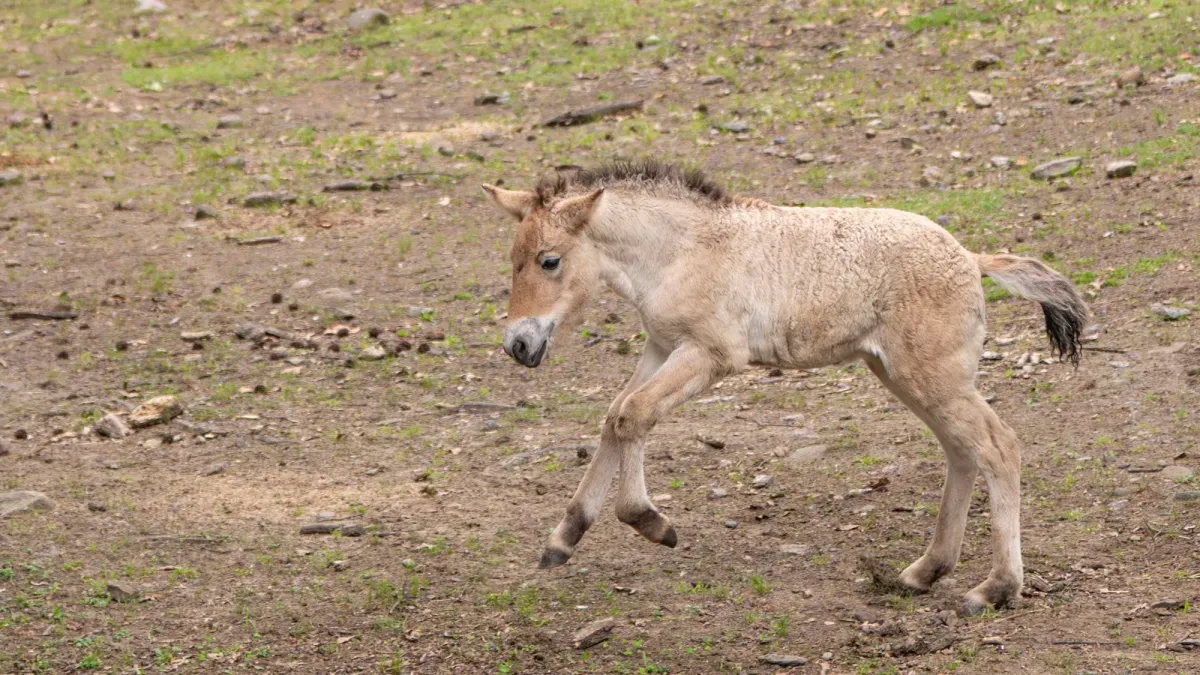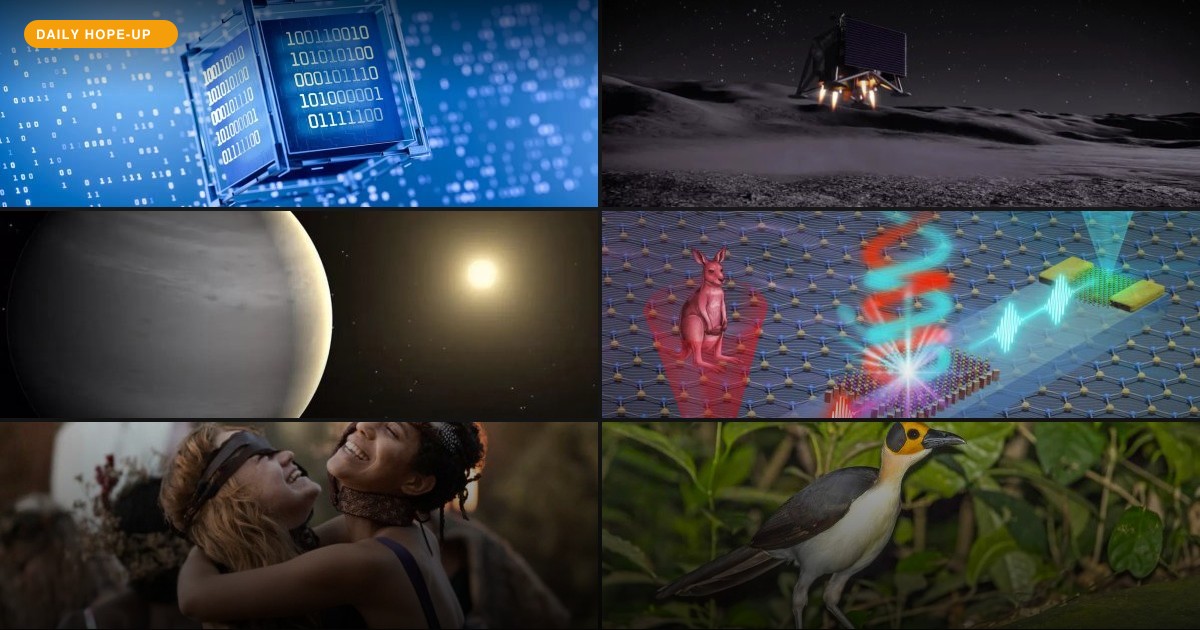
A baby Przewalski’s horse, an endangered species, just arrived at the Bronx Zoo this week, a testament to the quiet, persistent work of conservationists. Meanwhile, in labs across the globe and out in the vastness of space, another kind of persistence is paying off: making the impossible feel, well, inevitable.
The Quantum Leap (and Shrink)
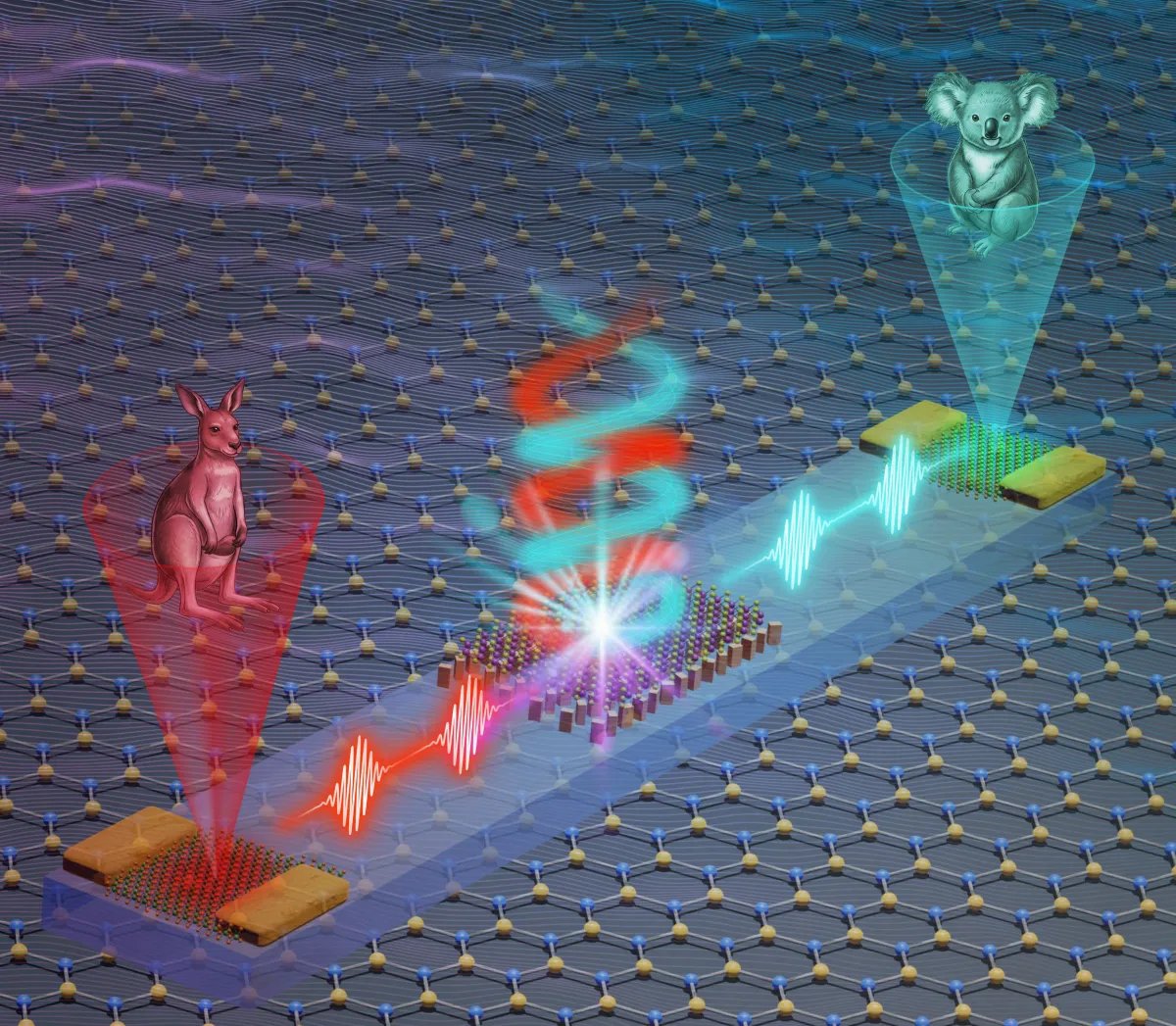
For years, quantum computing has been the stuff of science fiction — or at least, the stuff of football-field-sized laboratories. This week, physicists at the University of Vienna just shattered that perception, discovering a way to make quantum computers penny-sized. The key? Magnons with lifespans a hundred times longer than previously thought. This isn't just a theoretical breakthrough; it's a practical one, hinting at a future where quantum power isn't confined to a supercooled vault. Not to be outdone, researchers also unveiled a tiny chip that uses light, not electricity, for blazing fast computing, further miniaturizing the future of processing. It seems the race isn't just to build powerful computers, but to make them fit in your pocket. If you've been waiting for the future of computing to actually arrive, this week just put it on a diet.
"Physicists at the University of Vienna have discovered magnons with lifespans that are one hundred times longer."
Wait—What is Brightcast?We're a new kind of news feed.
Regular news is designed to drain you. We're a non-profit built to restore you. Every story we publish is scored for impact, progress, and hope.
Start Your News Detox
Deep Space, Meet Deep Pockets
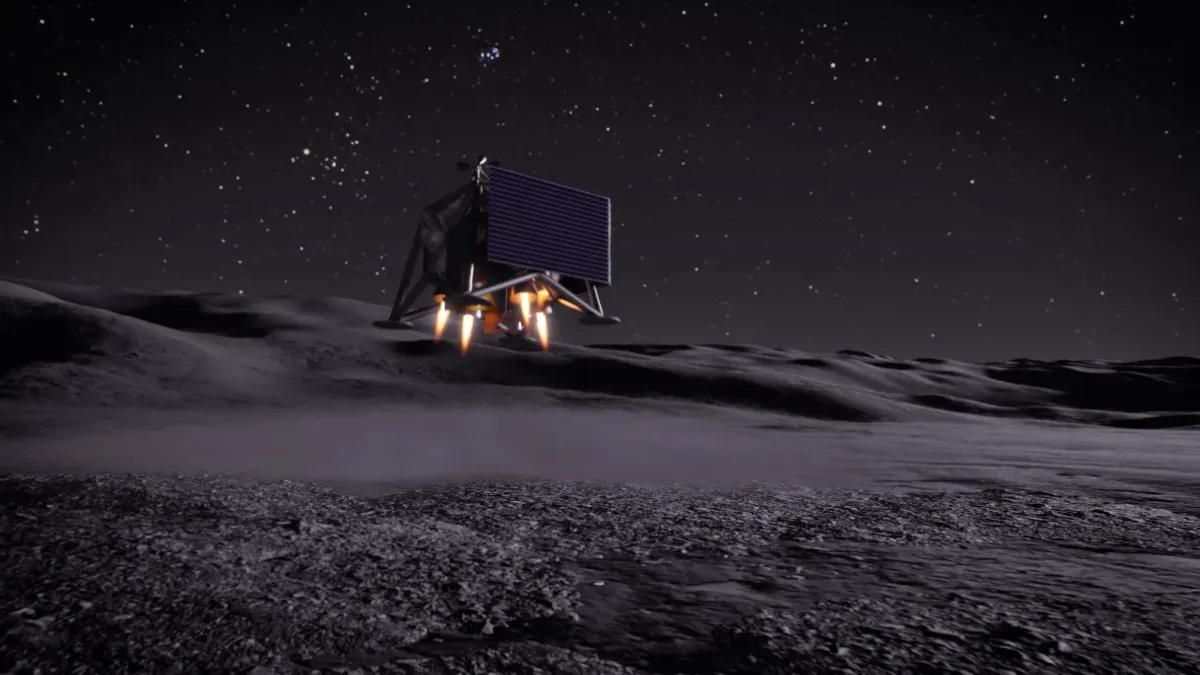
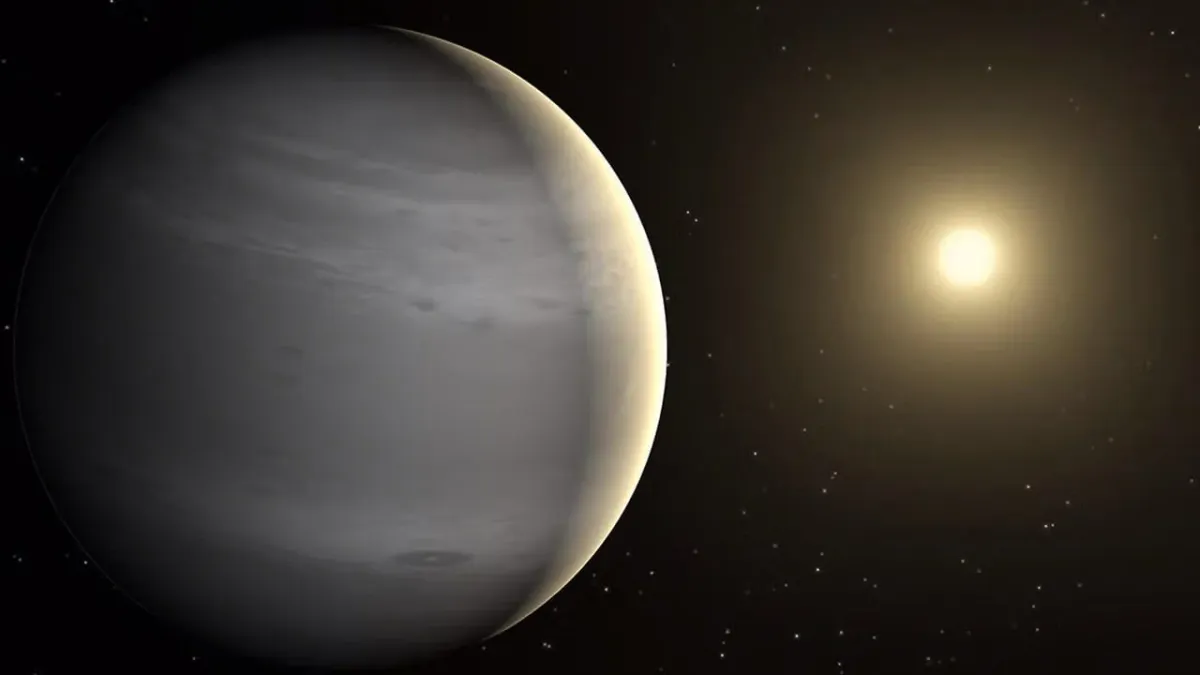
While the tech gets smaller on Earth, our ambitions for space are only expanding. NASA is gearing up for Artemis III, and part of that involves sending four drones to the moon's South Pole to scout real estate for a future permanent base. Think of it as Zillow, but with significantly higher stakes and no atmosphere. But it's not just about setting up shop; it's about understanding what's out there. The James Webb Space Telescope just found a Saturn-sized planet with Earth-like temps and methane, a cosmic “sweet spot” that could hint at life beyond our solar system. And for those who find the universe a bit intimidating, the Girl Scouts are now earning space badges, complete with bows and arrows, bringing the wonders of heliophysics down to Earth. If you've ever felt small contemplating the cosmos, this week proves humanity is making itself quite at home out there.
Nature's Quiet Comeback, Digitally Tracked
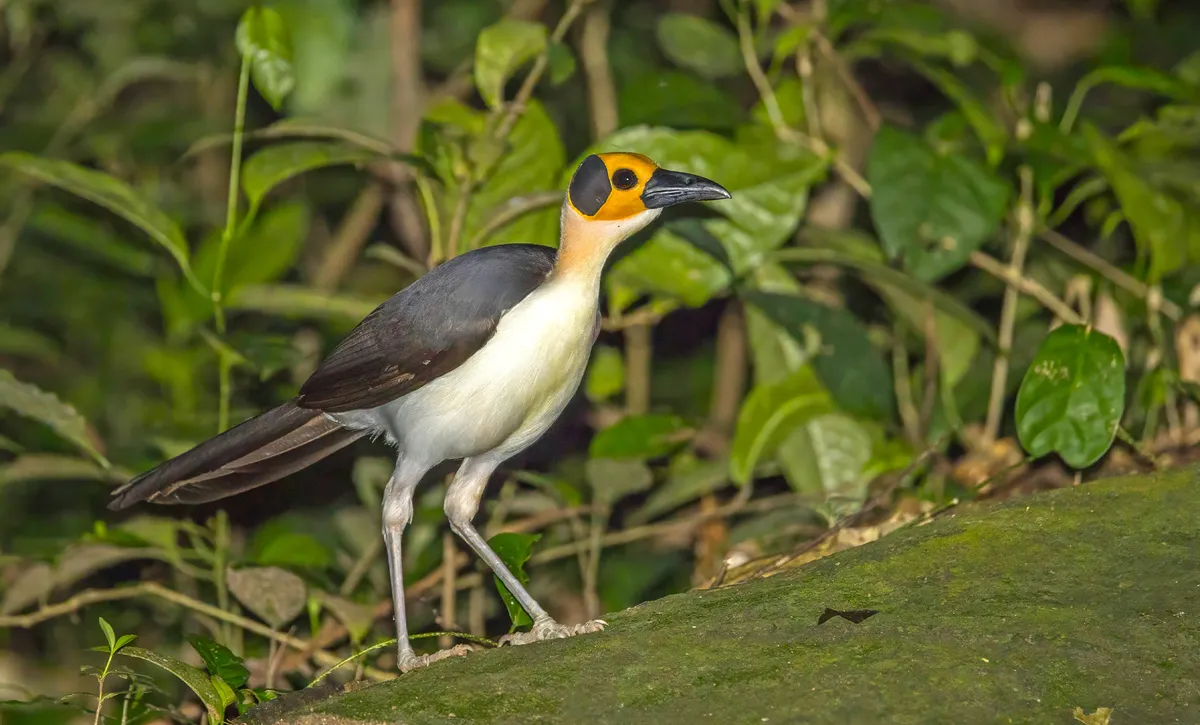
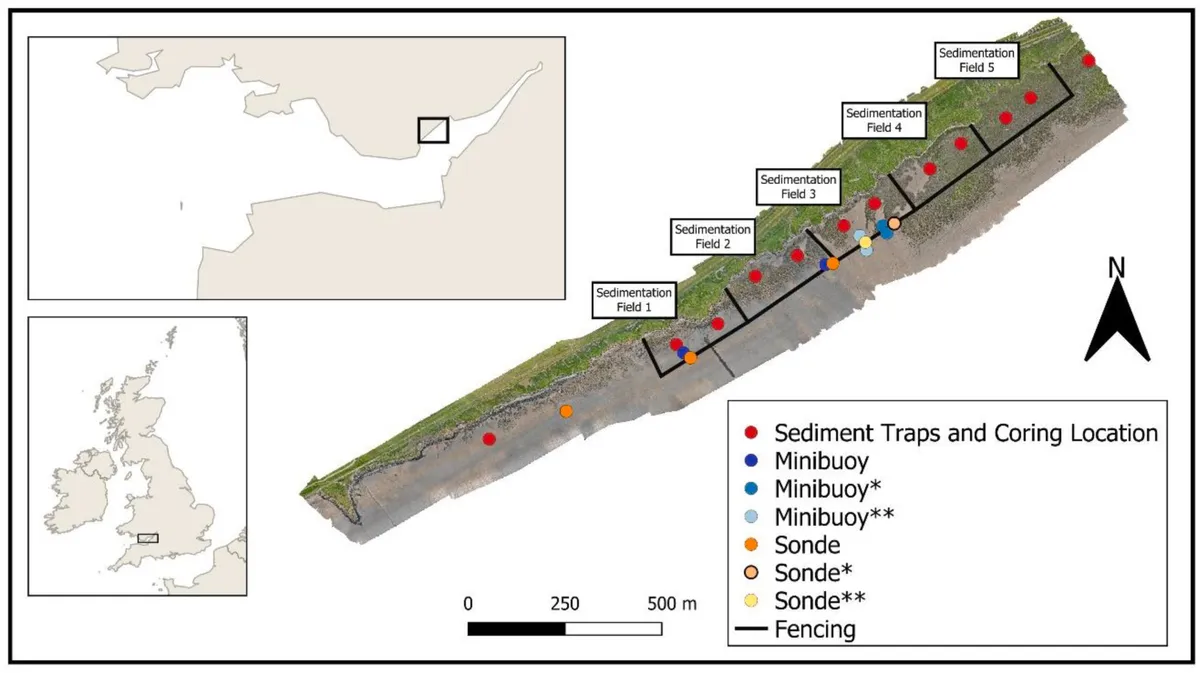
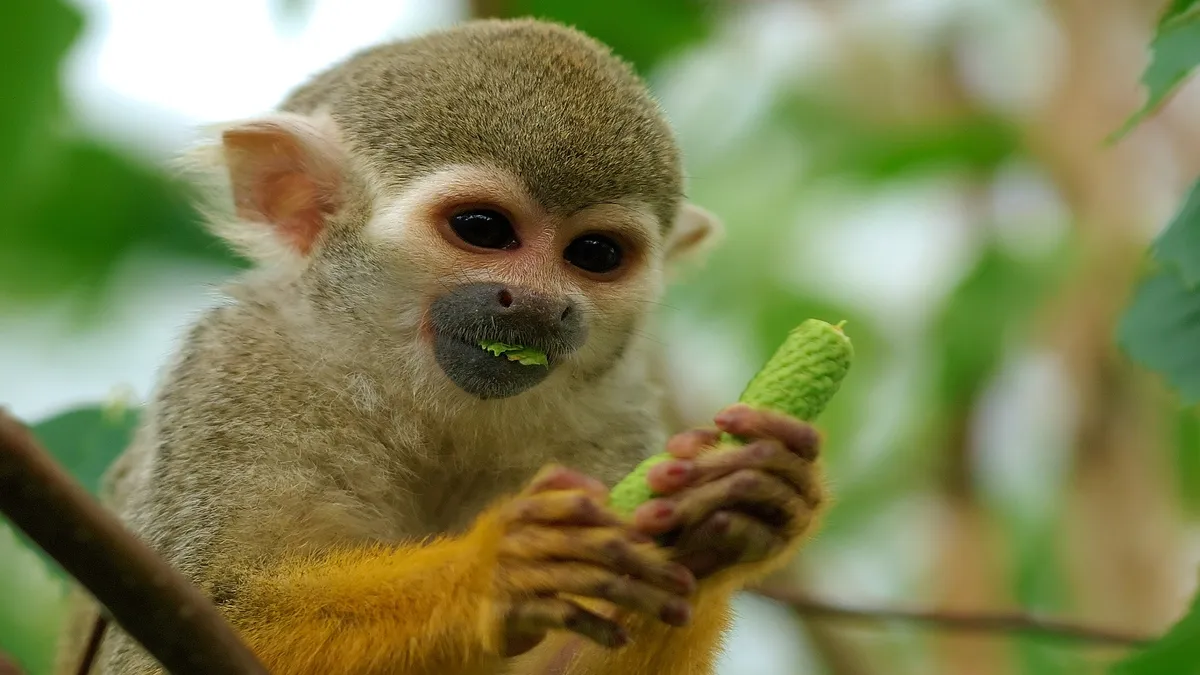
Closer to home, the planet is giving us reasons to listen. In Sierra Leone, ecologist H.S. Sathya Chandra Sagar noticed the profusion of sound in Gola Rainforest National Park — a symphony of birds, primates, and even drumming chimpanzees, suggesting carbon financing is working. It's a reminder that sometimes, the best environmental news isn't a headline, but a chorus. And to help us hear more of those choruses, a new AI model is scanning trees for animals that other tech misses, extending our watchful eyes to the canopy. Even something as simple as maintaining fences can save vanishing saltmarshes, proving that sustained effort, even on a small scale, yields monumental results. If you’ve ever felt overwhelmed by environmental challenges, remember that every hoot, every fence, and every new AI eye is part of a larger comeback story.
Hope stat: 100 — the factor by which new magnons extend the lifespan for quantum computing components, making penny-sized quantum computers a real possibility.
Watch this space: The continued miniaturization of advanced tech, from quantum computers to photonic chips, promises to redefine what's possible in everyday devices.