Our solar system, with its neat planets and their tidy moons, suddenly looks a little… basic. Because 72 light-years away, astronomers have found something so utterly bizarre, they're not even sure what to call it.
Kevin Hoy, an astronomer from Chile's Universidad Diego Portales, co-authored a study in Nature that describes a system he simply calls "super weird." Apparently, when you're dealing with cosmic oddities, sometimes that's the most precise scientific term available.
The Cosmic Masquerade
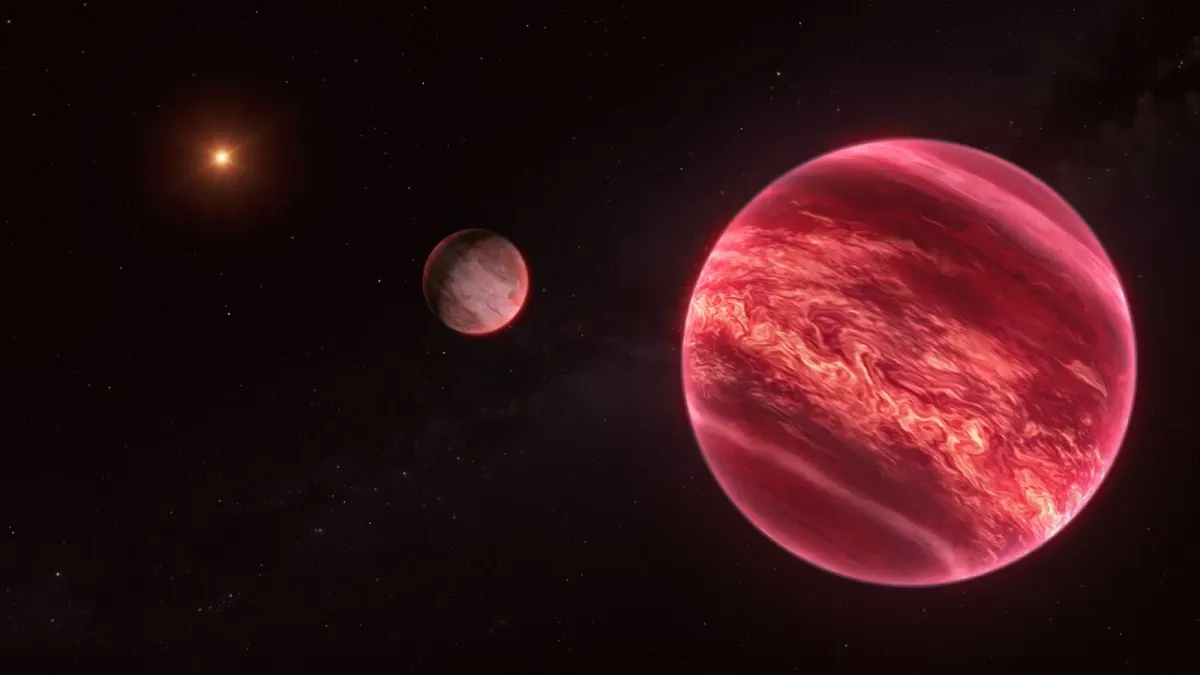
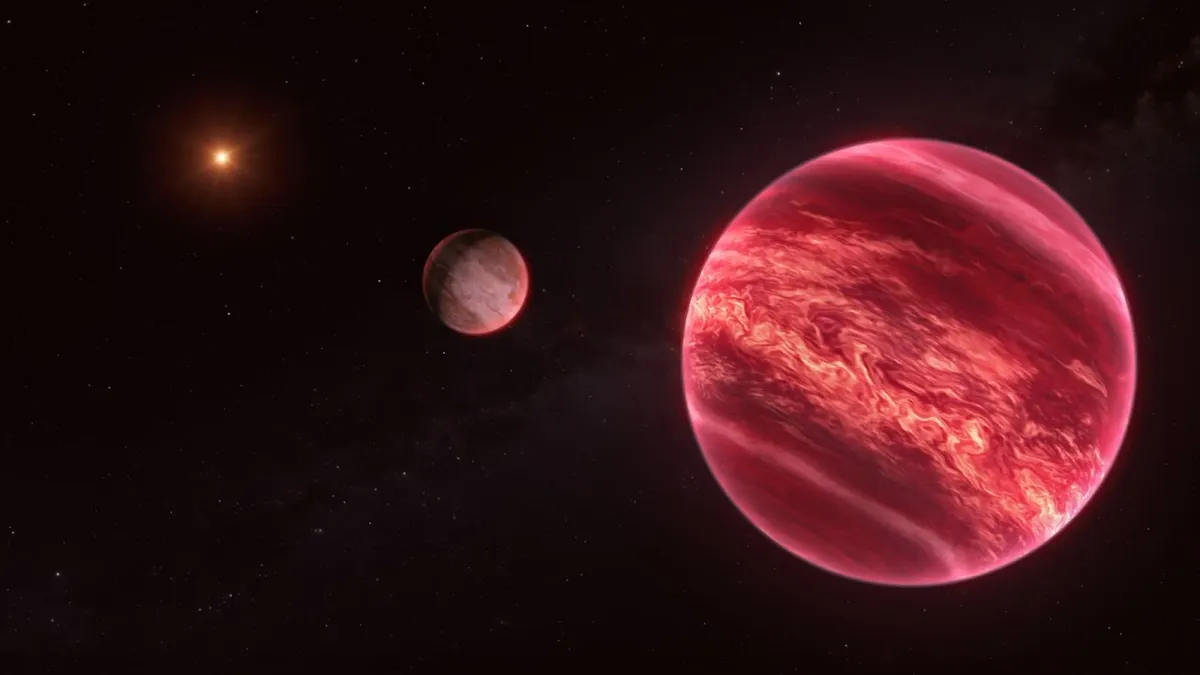
Here's the setup: at the heart of the CD-35 2722 system is a star, roughly half the size of our sun. Perfectly normal, so far. But then things take a turn. Orbiting this star is a brown dwarf – a celestial body too big to be a planet, but not quite massive enough to ignite into a full-blown star. Think of it as the universe's awkward teenager. This particular brown dwarf is a hefty 30 times the mass of Jupiter.
We're a new kind of news feed.
Regular news is designed to drain you. We're a non-profit built to restore you. Every story we publish is scored for impact, progress, and hope.
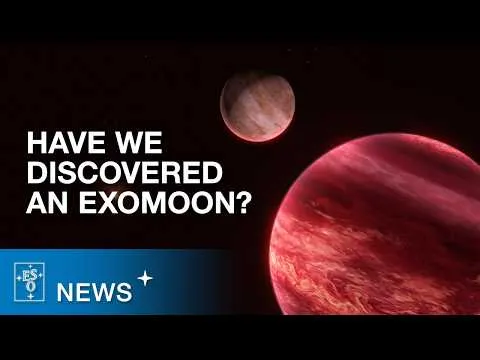
Start Your News DetoxAnd here's the kicker: orbiting that brown dwarf is another object, roughly the same mass as Jupiter. Now, if it were orbiting the star directly, we'd call it a planet. But it's not. It's orbiting the brown dwarf, which is orbiting the star. So, is it a moon? A planet in a very confusing relationship? Astronomers are calling it an "exosatellite" for now, which sounds suitably mysterious.
Alice Zurlo, a co-author on the study, points out that defining a moon in our solar system is a walk in the park. But out there, the lines between stars, planets, and moons are less lines and more a Jackson Pollock painting. This Jupiter-sized mystery object could be the first exomoon ever confirmed. Scientists have found over 6,000 exoplanets, but exomoons have remained elusive. If this one gets the official stamp, it's a first.
More observations are needed, of course, to definitively classify this cosmic enigma. But for now, we have a truly unique system that's making astronomers rethink everything they thought they knew about planetary families. Which, if you think about it, is both impressive and slightly terrifying.