Ever wonder what's really holding your atoms together? Turns out, tiny particles called pions are doing some heavy lifting. And now, thanks to a supercomputer at the U.S. Department of Energy's Argonne National Laboratory, scientists have finally gotten a detailed, 3D look inside one.
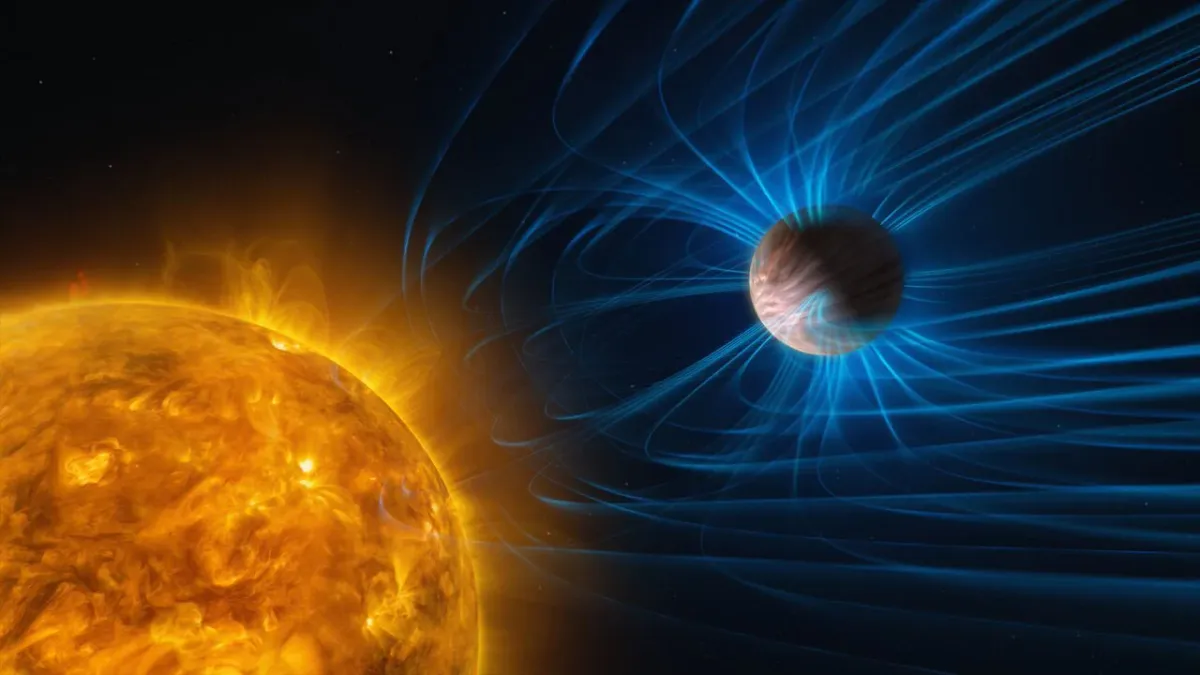
Think of pions as the unsung heroes of the subatomic world. They're intimately linked to the strong nuclear force — the cosmic glue that keeps protons and neutrons from flying apart inside an atom's nucleus. Understanding them is a big step toward figuring out how all visible matter came to be, which, if you think about it, is a pretty fundamental question.
The Lightest Particle, The Heaviest Mystery
For a long time, peering inside a pion was a bit like trying to photograph a ghost with a disposable camera. Pions are the lightest particles held together by this strong force, and experimental data on their internal structure is scarce. So, when you can't see something directly, you build an incredibly powerful digital model.
We're a new kind of news feed.
Regular news is designed to drain you. We're a non-profit built to restore you. Every story we publish is scored for impact, progress, and hope.
Start Your News DetoxArgonne physicist Yong Zhao and his team, collaborating with Brookhaven National Laboratory, turned to the Polaris supercomputer. This isn't your average desktop rig; we're talking about a machine that can take millions of snapshots of 4D spacetime on a grid with millions of points. The kind of task that makes your laptop sweat just thinking about it.
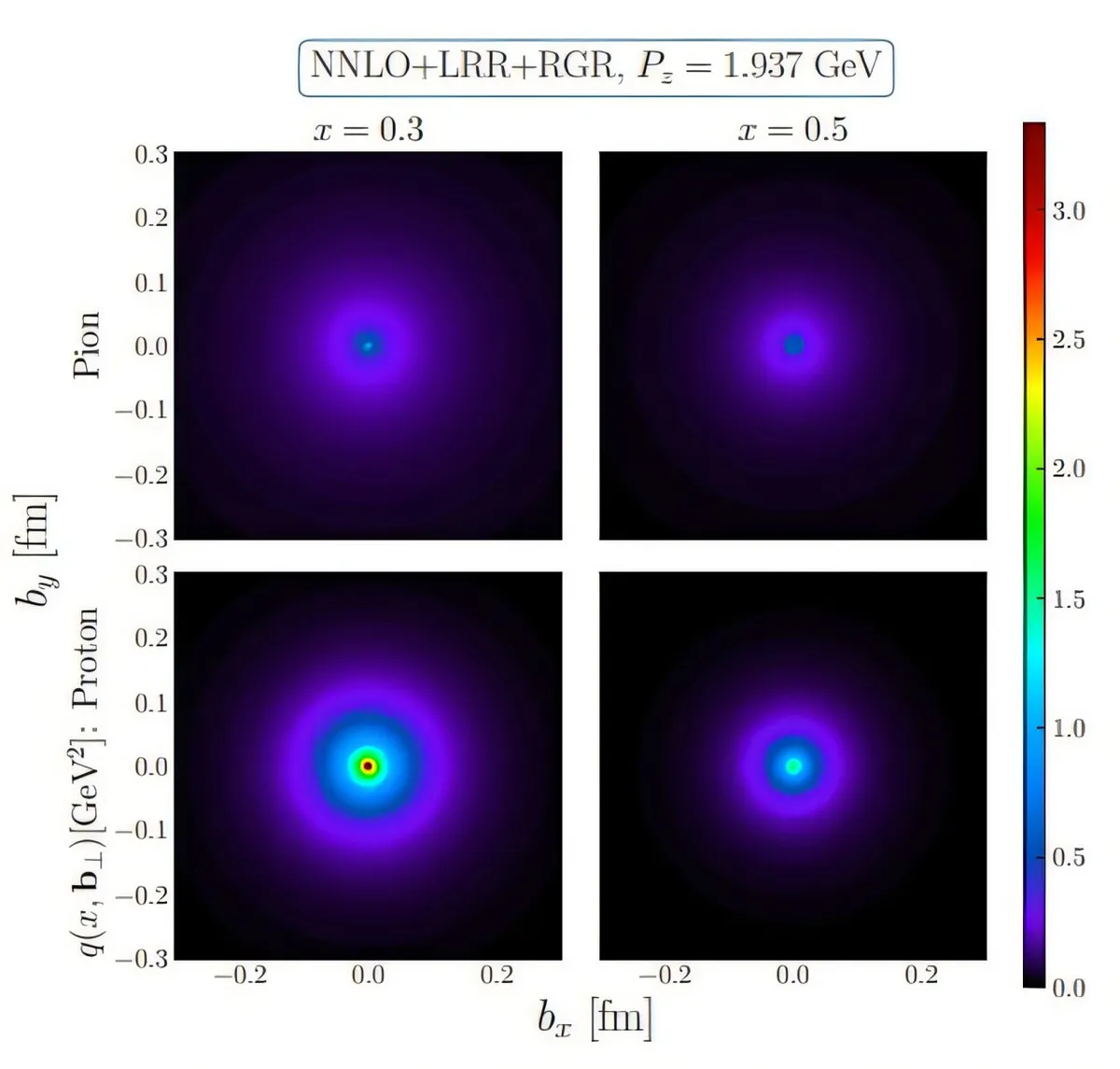
They essentially simulated the strong force, creating high-resolution, 3D images that showed exactly how quarks — the even tinier building blocks inside pions — are arranged and move. It’s like finally getting an MRI of the universe's smallest, most important Legos.
And what did they find? For starters, a pion's effective size actually shrinks across its motion as its momentum increases. It's also smaller than a proton at moderate speeds. These aren't just cool facts; they're critical pieces of the puzzle that will guide upcoming experiments at facilities like the Thomas Jefferson National Accelerator Facility.
Next up for Zhao? He's setting his sights on the Aurora supercomputer to map the proton in three dimensions. Because apparently, once you've seen inside the smallest glue, you might as well check out the biggest bricks.