Imagine a world without refrigerators. Now imagine a harvest that needed to last an entire year in a place where summer temperatures routinely hit 40°C. That was the daily reality 3,500 years ago in what is now Tamil Nadu, India. No sealed tins, no iceboxes, just the relentless march of heat, humidity, and hungry insects.
So, how did they do it? The answer, it turns out, was right beneath their feet.
Earth's Own Cold Storage
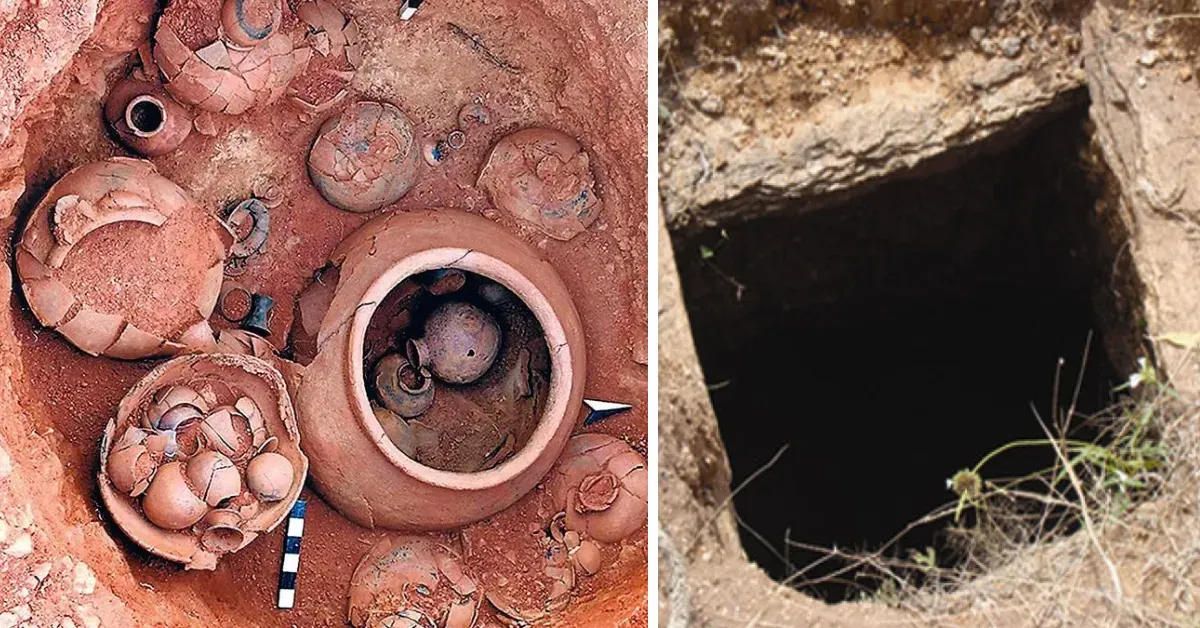
Archaeologists recently unearthed Neolithic-era pit houses at Molapalayam, near Coimbatore. These aren't just holes in the ground; they're sophisticated, 3,500-year-old underground chambers that served as the ultimate low-tech food preservation system. Think of them as the original root cellars, but with a serious upgrade.
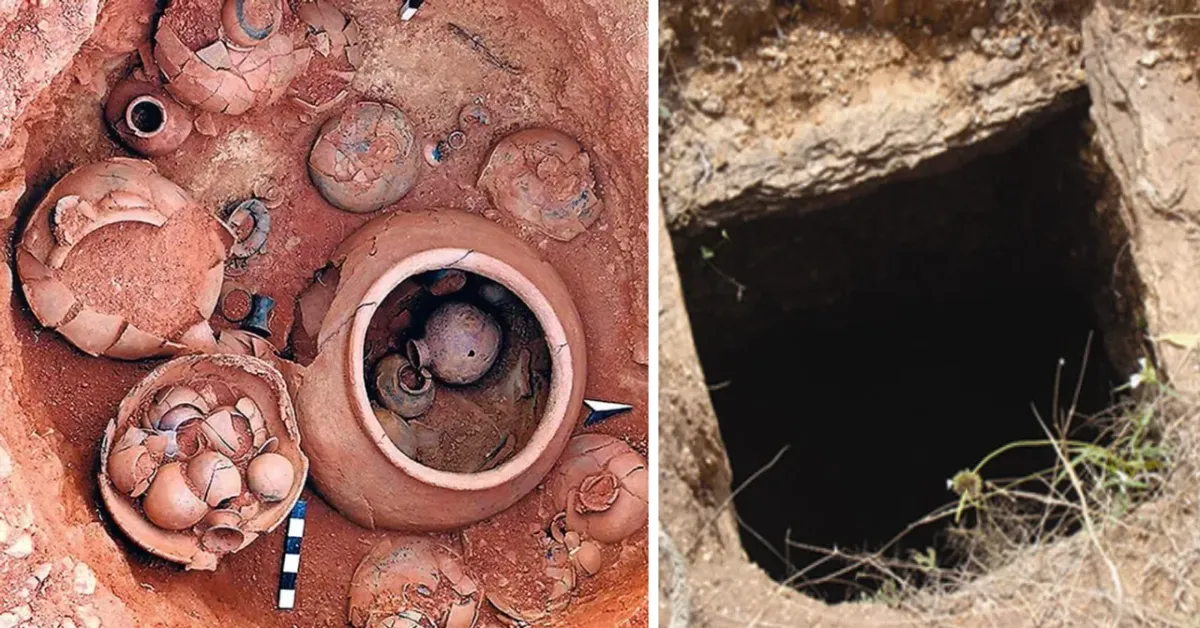
An ancient agro-pastoral community dug these chambers, weaving them directly into their homes. Some pits even had grinding stones, suggesting they doubled as kitchens. Others were large enough to shelter an entire family during a sudden storm. But their primary role? Storing food grain – the lifeblood of the community, often the difference between feasting and famine.
We're a new kind of news feed.
Regular news is designed to drain you. We're a non-profit built to restore you. Every story we publish is scored for impact, progress, and hope.
Start Your News DetoxWhat makes these structures particularly clever is the science behind them. Below a certain depth, the earth maintains a remarkably stable and cool temperature, insulating its contents from the scorching surface heat and humidity. This consistency was a game-changer for preserving grain, protecting it from spoilage, pests, and rodents.
Ancient Engineering, Modern Lessons
The construction itself was a masterclass in organic engineering. Researchers studying traditional methods in Tamil Nadu found that farmers prepared the pit interiors with a mix of tank bed silt, rice bran, and paddy straw to absorb excess moisture. The inner walls were then coated with cow dung slurry – a natural antiseptic, because apparently, they knew a thing or two about bacteria back then.
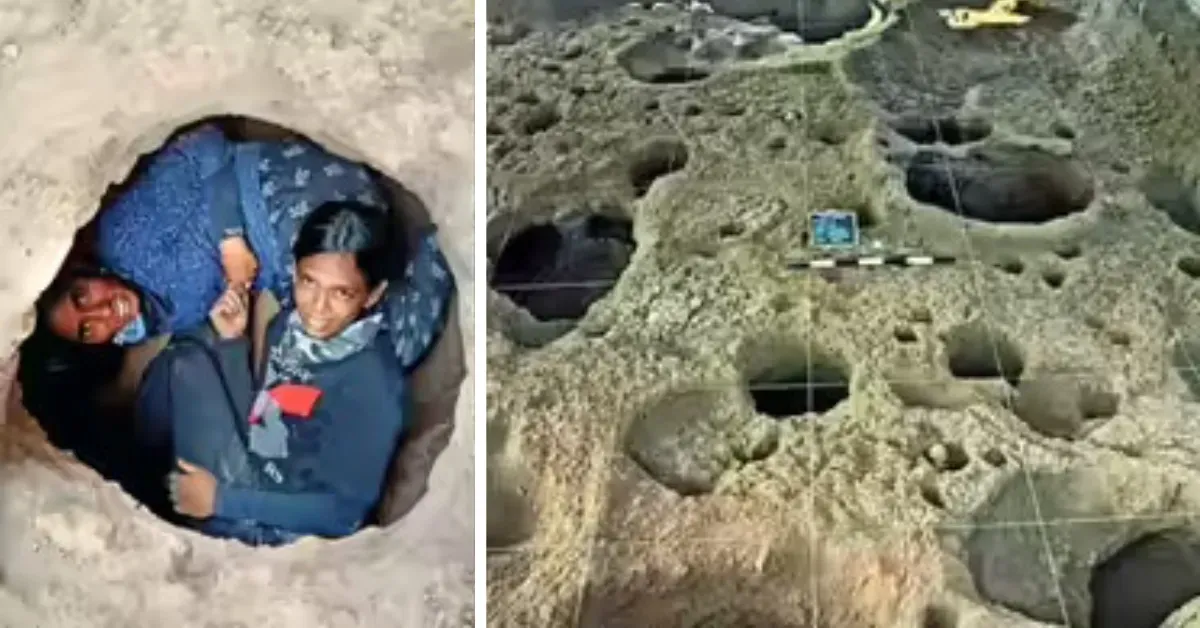
Openings were sealed with stone slabs or woven mats, allowing just enough airflow to prevent fermentation while keeping critters out. Some even had small outlet holes at the base, allowing grain to be removed gradually without exposing the entire store to the elements each time. This was a system designed for the long haul, built on observation, patience, and a deep respect for the land.
This isn't just an archaeological curiosity. As recently as the 20th century, farmers in Tamil Nadu were still using similar methods, like kulumai and kudhir – large cylindrical mud bins plastered with the same organic materials their Neolithic ancestors used. Studies estimate that up to 70% of India's food grain was historically preserved this way.
But then came the Green Revolution, chemical preservatives, and industrial warehouses, and many of these ingenious traditions faded away. Which is a bit ironic, considering India still loses millions of tons of food grain each year due to poor storage. Modern cold chain infrastructure is expensive and energy-intensive, especially in rural areas.
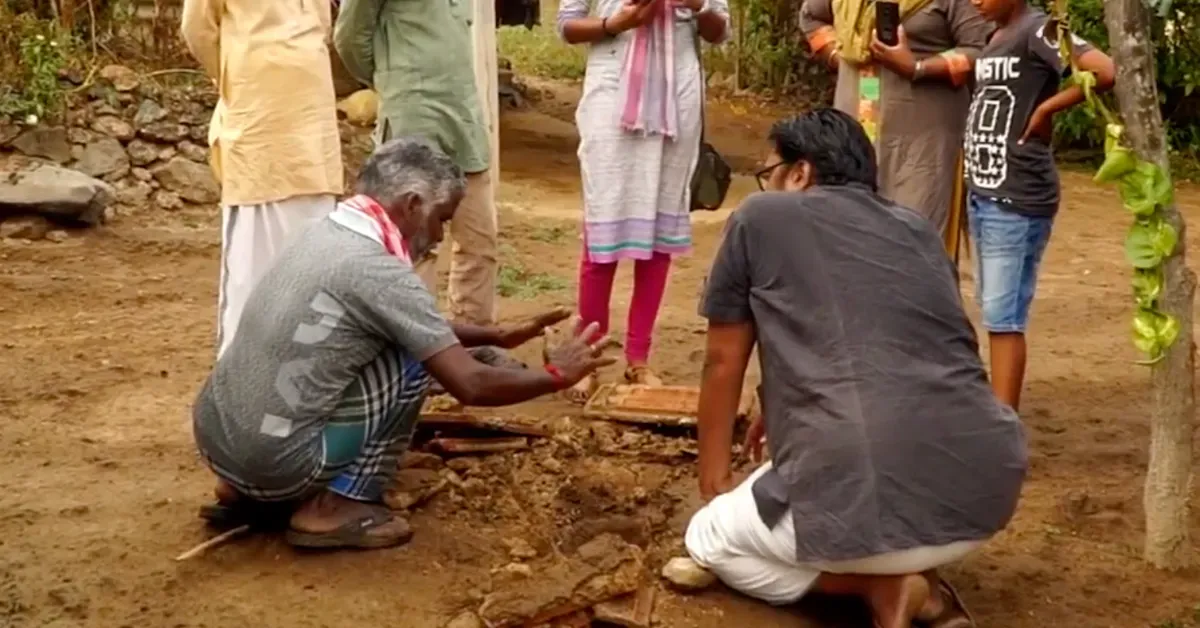
As climate change brings more extreme heat and unpredictable monsoons, the challenge of food storage is only going to grow. And suddenly, those 3,500-year-old pit houses at Molapalayam don't seem so ancient after all. Food scientists are now studying these low-cost, low-energy preservation models, realizing that the wisdom of our ancestors might just hold the key to feeding the future. Let that satisfying thought sink in.