For anyone who's ever grumbled about the relentless march of time, here's a thought: maybe your brain just needs a little pep talk.
New research out of Italy suggests that older adults who took entirely fake pills for three weeks saw real improvements in their memory and physical performance. The kicker? Many of them knew the pills were inert. Because apparently, your mind is a far more potent pharmacy than we give it credit for.
Led by researchers at Università Cattolica in Milan, this study dives deep into how powerful our expectations can be, especially when it comes to the things that typically decline with age. It's a fascinating reminder that the brain often believes what it's told, even if it's the one telling itself.
We're a new kind of news feed.
Regular news is designed to drain you. We're a non-profit built to restore you. Every story we publish is scored for impact, progress, and hope.
Start Your News DetoxThe Power of Pretending
The findings, published in the International Journal of Clinical and Health Psychology, add a curious layer to our understanding of the placebo effect. We've long known that believing in a treatment can have an impact, but this study specifically looked at age-related functions and, crucially, whether knowing you're taking a placebo changes anything.
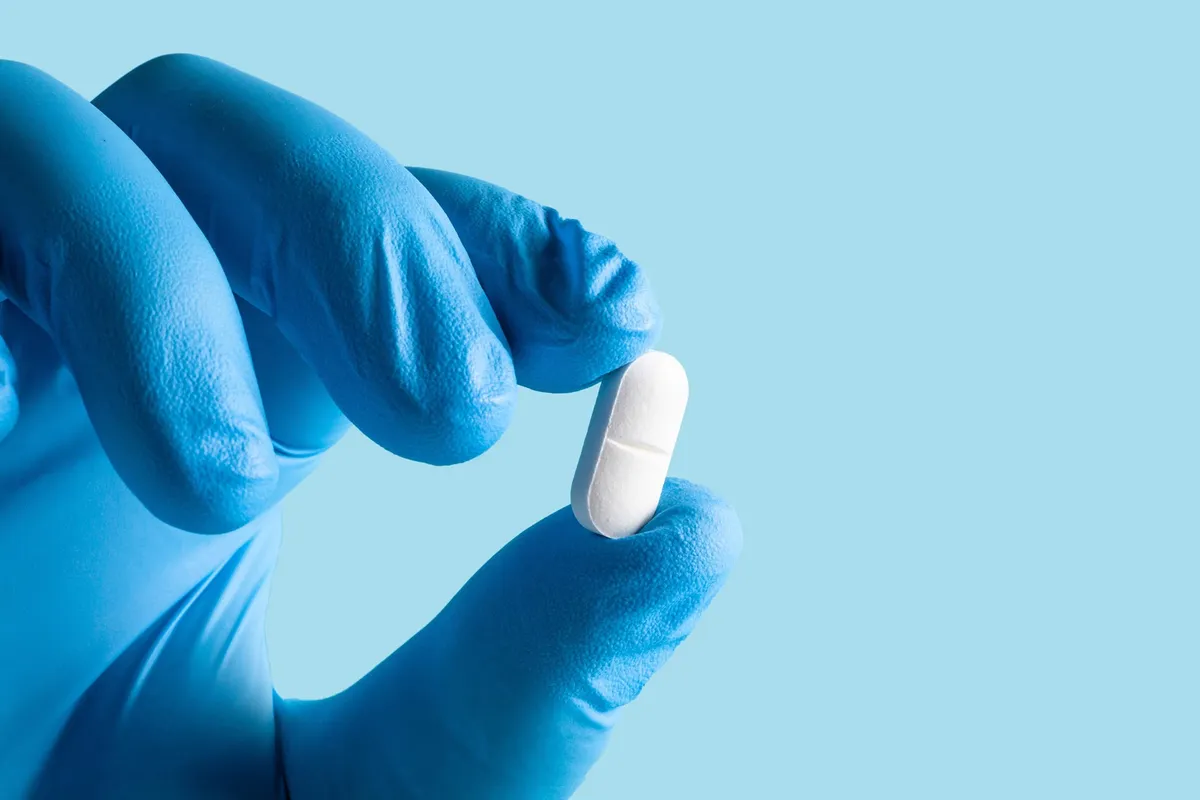
Professor Francesco Pagnini, a clinical psychology expert on the team, explained they wanted to see if an "open-label placebo"—where participants are told the pills are inactive but might still trigger positive mind-body responses—could actually help older adults. Or if the traditional, deceptive placebo (where you think it's real medicine) was necessary.
So, they gathered 90 healthy older adults and split them into three groups. One group got nothing. A second group got the classic, deceptive placebo, believing it was an active supplement. And the third, the brave new world group, got the open-label placebo—they knew it was fake, but were encouraged to believe in its potential.
Over three weeks, everyone filled out surveys and took tests measuring everything from stress and memory to attention and physical prowess.
Real Gains from Fake Pills
The results were, well, pretty convincing for the power of positive thinking. Both placebo groups saw benefits, but the open-label group often showed the strongest improvements.
For instance, stress levels dropped more in the open-label group than in either of the others. And when it came to short-term memory, that group saw significantly better scores than those who received no intervention at all. Just knowing you might feel better made you actually feel better.
Physical performance climbed by 7% in the deceptive placebo group and an even more impressive 9.2% in the open-label group. Cognitive performance saw jumps ranging from 6.9% to a whopping 21.5% in the known-placebo group, depending on the specific test. Professor Pagnini called these "significant effects," comparable to what you'd see from dedicated physical activity or cognitive training.
What this suggests is rather profound: the mind isn't just along for the ride as we age. It's an active participant, capable of influencing not just our well-being, but our actual physical and mental abilities. And maybe, just maybe, an ethical, transparent placebo could be a legitimate tool for healthy aging. All you have to do is believe, apparently.