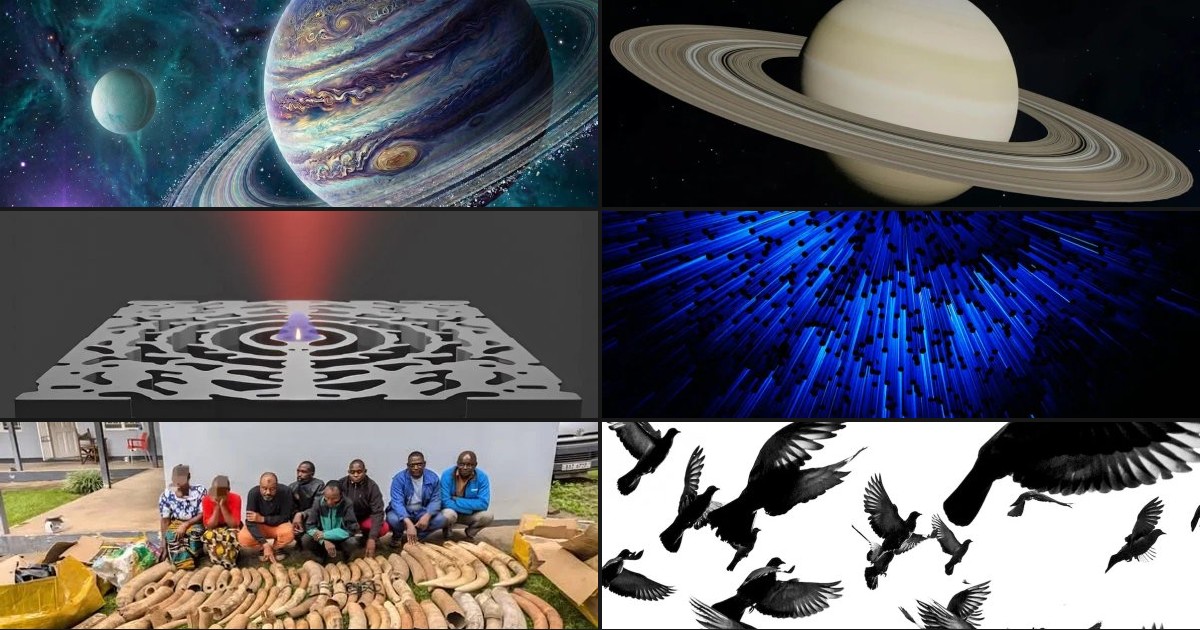
Today, it seems the universe decided to throw a few curveballs, forcing scientists to rethink everything from planetary rotation to the very fabric of reality. Meanwhile, back on Earth, humanity was busy proving its own adaptability, both in the lab and on the streets.
The Cosmos: Full of Surprises, Apparently
Just when we thought we had the cosmos somewhat figured out, a few stories dropped today, suggesting we're barely scratching the surface. Take Saturn, for instance. For decades, its auroras have been "tricking us into thinking the planet spins weirdly," a cosmic optical illusion that finally has an explanation. It turns out the planet's magnetic field is a bit wonky, throwing off our measurements. It's a gentle reminder that even the most established celestial bodies still have secrets.
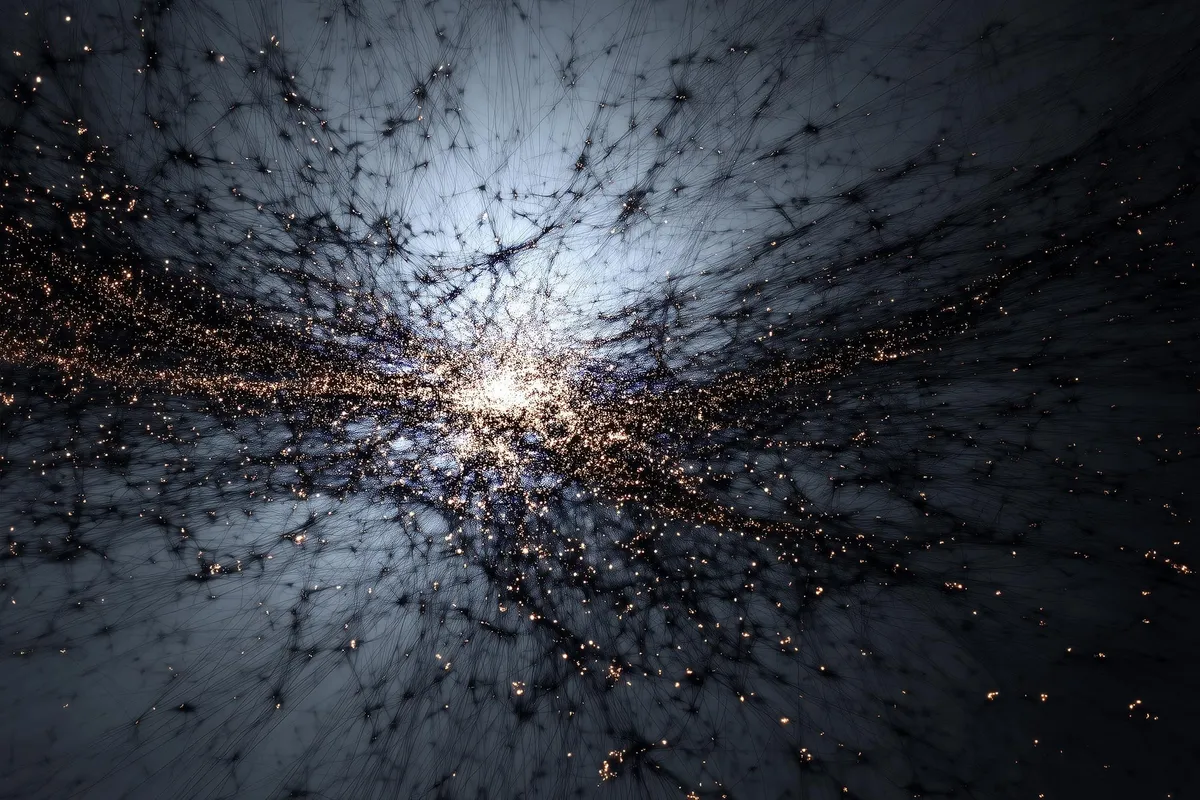
Then there's dark matter, that elusive cosmic glue. Scientists are now suggesting "turns out dark matter might not be one thing, and that's seriously cool." This new model suggests it could be a complex mix, not a single substance, potentially rewriting our understanding of the universe's invisible architecture. And if that wasn't enough to make your head spin, new research posits that "Moons orbiting planets without a star could host life for billions of years." So, not only is the universe stranger than we thought, it might also be teeming with life in places we hadn't even considered. Suddenly, space just got a lot more interesting (and potentially crowded).
We're a new kind of news feed.
Regular news is designed to drain you. We're a non-profit built to restore you. Every story we publish is scored for impact, progress, and hope.
Start Your News Detox
Human Ingenuity: From Microchips to Mountain Villages
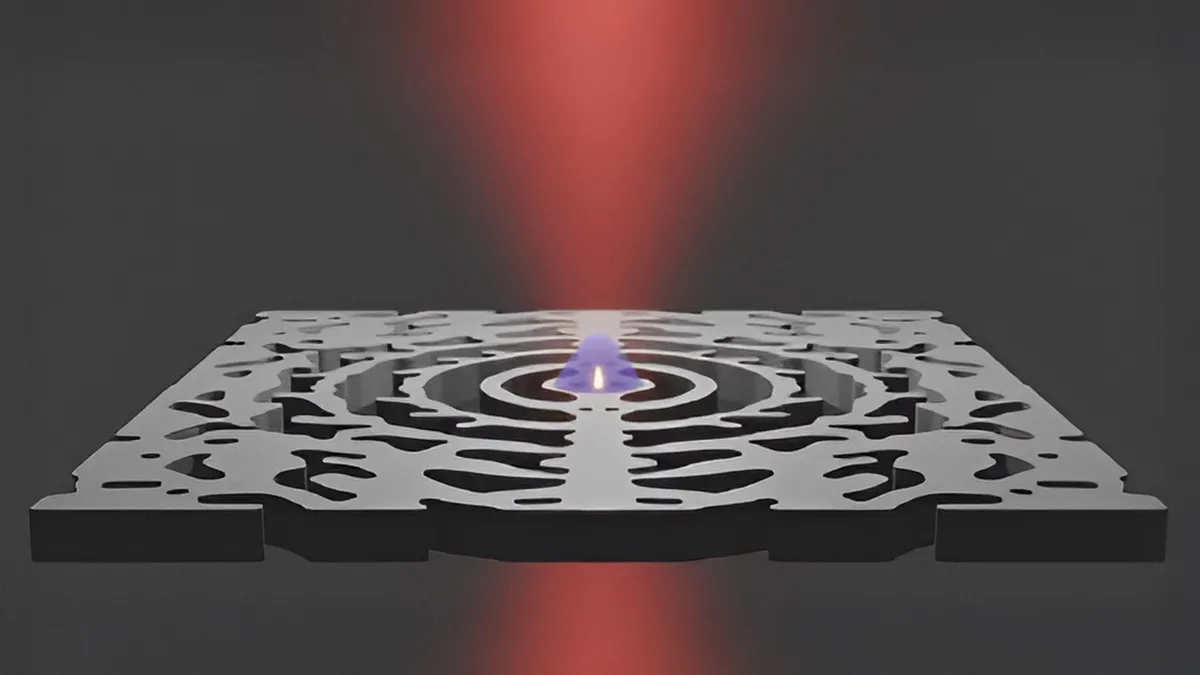
While the universe was busy being enigmatic, humans were busy innovating. On the tech front, we saw the development of "Tiny Lasers Could Make Computers Twice As Fast and Slash Energy Use," promising a future where data zips through microchips on beams of light, rather than electricity. This isn't just a minor tweak; it's a fundamental shift that could reshape computing as we know it.
But innovation isn't just happening in sterile labs. In the high-altitude village of Lachen in Sikkim, "This Tiny Village Is Stopping Plastic Waste With Car Checkpoints and Bamboo Bottles." It's a remarkably simple, yet effective, local solution to a global problem, demonstrating that sometimes, the most impactful changes come from unexpected places. And for those worried about the natural world, Zambia just "nabbed a half-ton of illegal ivory, busting a major crime ring." This isn't just about a single bust; it's a significant blow to a vast criminal network, proving that coordinated human effort can make a real dent in wildlife crime.

From the mysteries of dark matter to a village's fight against plastic, today's stories remind us that progress, in all its forms, is a constant dance between discovery and determination. And sometimes, the most profound insights come from simply looking a little closer, whether at a planet's rings or a community's resolve.