Engineers at The University of Texas at Austin have cooked up a new 3D-printable material that sounds like something out of a sci-fi flick. It's made from water, oil, and a spin in a centrifuge, and it can filter things with the precision of biological tissue. Because apparently that's where we are now.
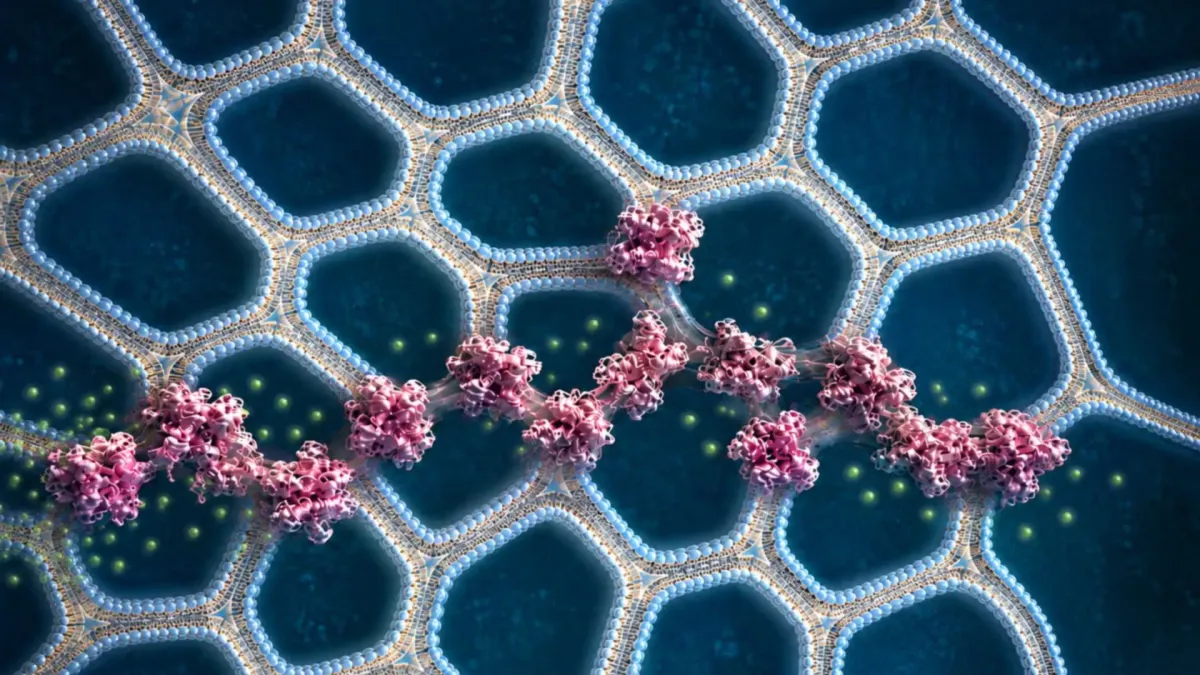
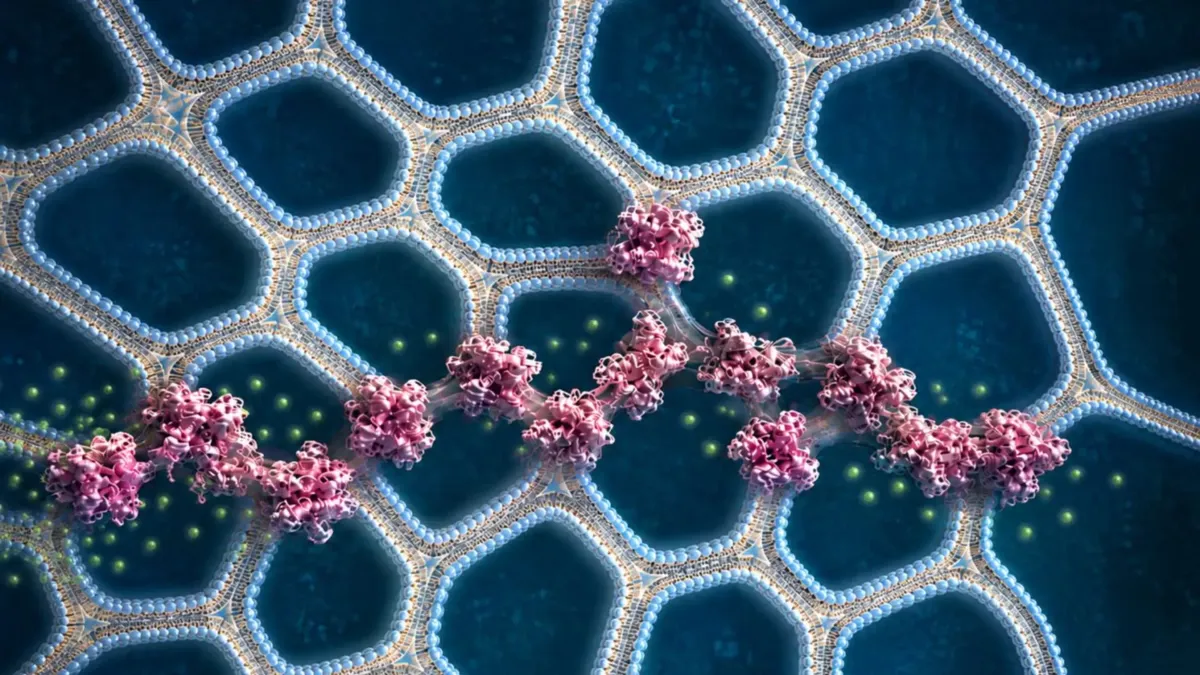
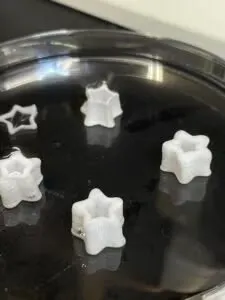
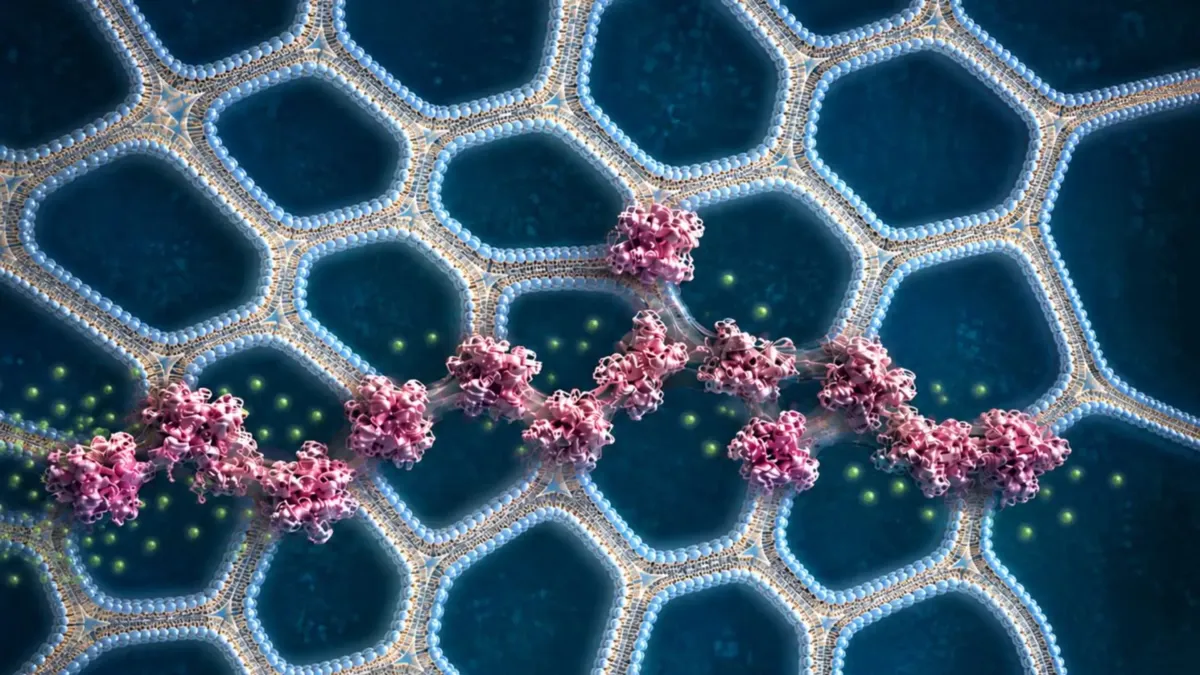
They've dubbed these droplet networks JIBEs, which stands for Jammed Interconnected Bilayer Emulsions. Think of it as a super-selective membrane, letting some things through while politely but firmly blocking others.
From Kitchen to Lab: How It's Made
For years, scientists have been trying to scale up these delicate, microscopic structures. The problem? It was slower than dial-up internet.
We're a new kind of news feed.
Regular news is designed to drain you. We're a non-profit built to restore you. Every story we publish is scored for impact, progress, and hope.
Start Your News DetoxThen came PhD researcher Aida Fica, who, like a genius DJ, mixed different ideas from an academic conference and found the beat. Her team combined two oils, added water, and then packed billions of these tiny droplets together using a centrifuge. The result: dense networks, ready in minutes, mimicking how human tissue cells are organized but on a much, much larger scale.
Each droplet gets a super-thin membrane, just like living cells that band together to form organs. Manish Kumar, a professor at the Cockrell School of Engineering, points out that tissues are basically nature's bouncers, letting in ions and molecules they need (like your kidneys or intestines) and showing the rest the door.
The World's Most Versatile Filter
Because this new bio-material can be 3D-printed from biocompatible substances, its potential uses are, frankly, a bit mind-bending. We're talking medicine, robotics, computing, and even cleaning up the planet.
Imagine: growing tissues for organ grafts, or giving soft robots a structure flexible enough to move without crushing everything in their path. Add special proteins, and this material can conduct ionic currents, potentially leading to new brain-inspired computers. Other versions can act as super-filters, pulling out valuable resources like lithium or stripping pollutants like ammonium from wastewater. Because who doesn't want cleaner water and more lithium for their gadgets?
Fica notes that the best part is its simplicity. It's scalable, has endless applications, and only needs basic lab equipment. No fancy cleanrooms or expensive lasers required. The team is already working with the U.S. Department of Energy to adapt this tech for recovering lithium and other rare-earth elements.
Fica and Kumar have even patented the technique, meaning labs worldwide can now get their hands on these synthetic tissues. Prepare for a future where your robot's brain might just be a JIBE, and your wastewater is suddenly a treasure trove. Which, if you think about it, is both impressive and slightly terrifying.