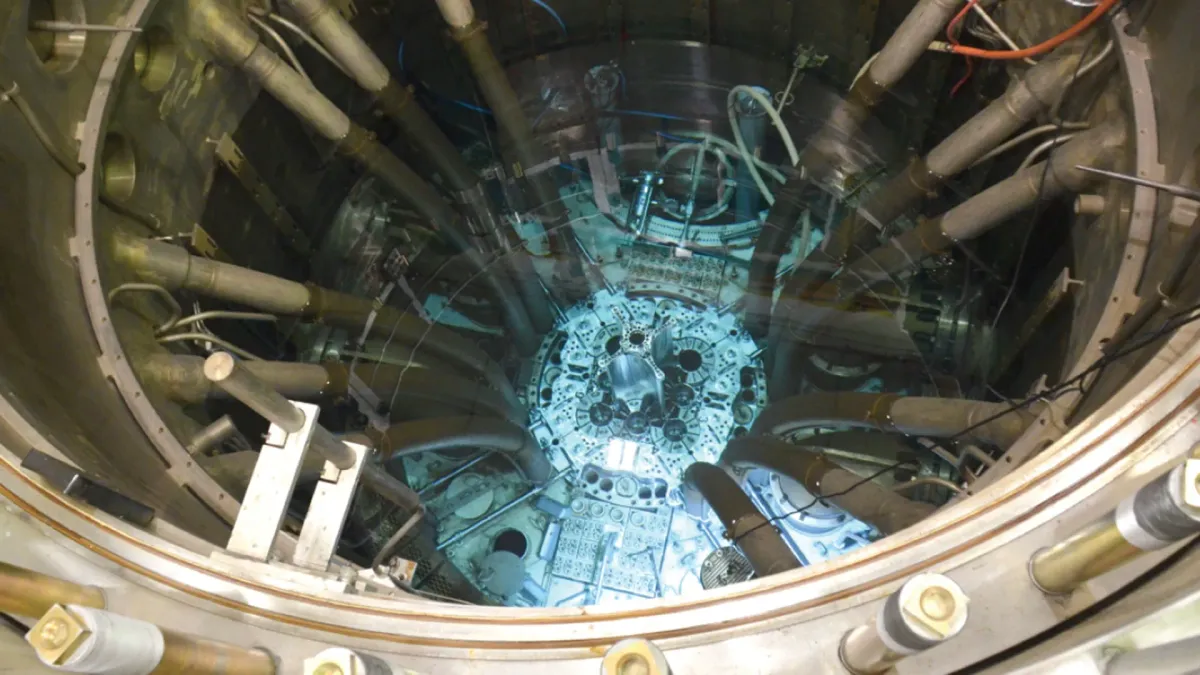
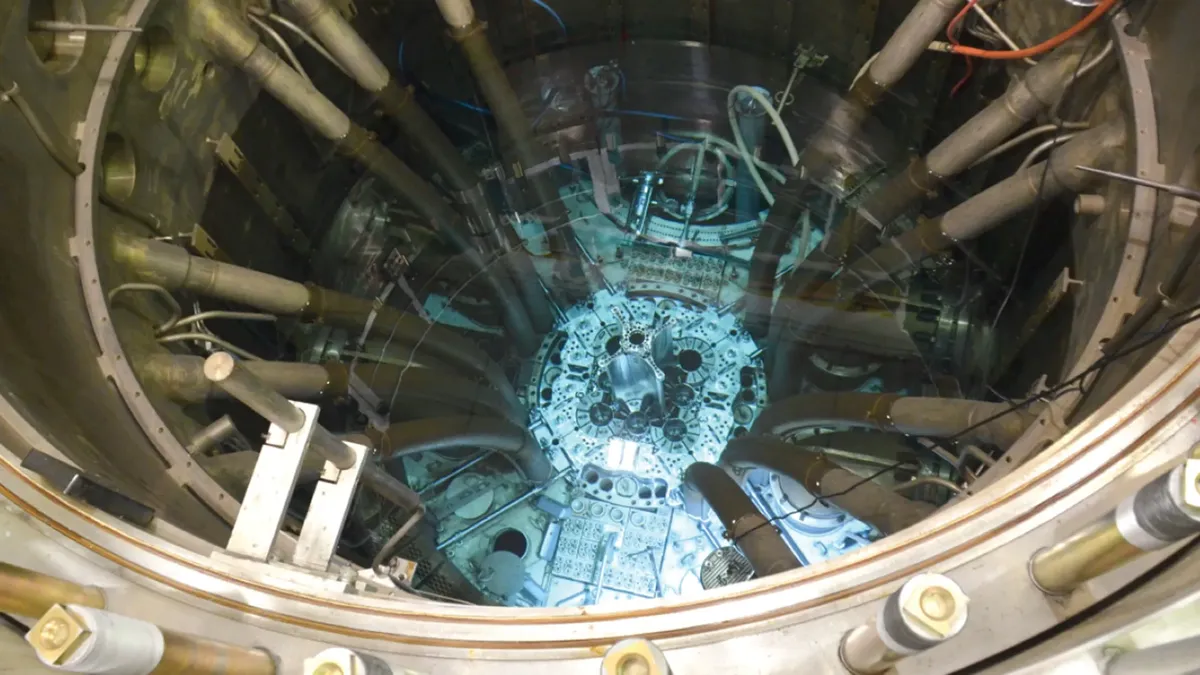
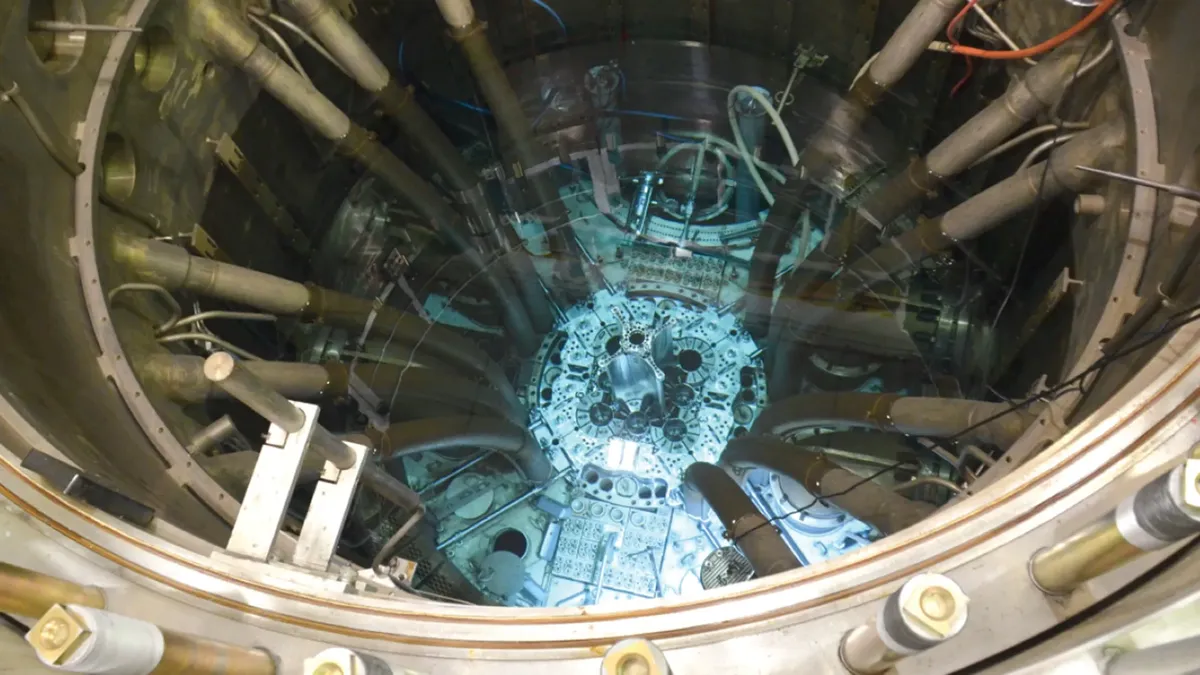
In a move that sounds like something out of a sci-fi movie, the Advanced Test Reactor (ATR) at Idaho National Laboratory — which, for the record, is the world's most powerful nuclear test reactor — just successfully extracted its first irradiated fuel samples. These aren't just any samples; they're from Lightbridge, a company aiming to revolutionize nuclear fuel.
Picture this: a super-hot, super-powerful reactor doing its thing, and then on May 6, 2026, a team carefully removes tiny pieces of its core. These samples are now chilling (literally, for several months) before scientists dig in later this year. The goal? To gather crucial data that could greenlight Lightbridge's next-gen nuclear fuel for widespread use.
According to Seth Grae, Lightbridge's president and CEO, the initial data coming out of the ATR has already confirmed their fuel is, in fact, pretty innovative. Which is always nice to hear when you're dealing with nuclear material.
We're a new kind of news feed.
Regular news is designed to drain you. We're a non-profit built to restore you. Every story we publish is scored for impact, progress, and hope.
Start Your News DetoxThe FAST Lane to the Future
These samples got their dose of radiation via the Fission Accelerated Steady-state Testing (FAST) method, developed by INL. Think of it as hitting the fast-forward button on nuclear aging. It uses highly enriched uranium to simulate years of reactor operation in a fraction of the time. Because who has time for slow science when the planet needs clean energy now?
Once the samples have cooled down and are safe to handle, researchers will meticulously examine how the fuel materials behaved under all that intense radiation. This isn't just for kicks; it's to confirm their computer models and, crucially, to get the thumbs-up from regulators for commercial use. Twenty-four members of Lightbridge's team were apparently on hand for the big reveal, which sounds like quite the nerve-wracking observation.
Powering Up with Partnerships
The ATR is a cornerstone of nuclear research in the U.S., essentially a giant oven designed to bake reactor fuels and materials with intense neutron radiation under incredibly controlled conditions. John Wagner, INL's laboratory director, noted that this project is a significant step forward in understanding advanced nuclear fuel performance.
Lightbridge Fuel itself is a metallic fuel designed to slot right into existing light-water and pressurized heavy-water reactors. The company claims it can make reactors safer, more efficient, and even more resistant to nuclear weapons proliferation. Plus, they're tweaking the tech for future small modular reactors (SMRs), which many governments are betting on as a key player in the carbon-free electricity game. Because apparently that's where we are now: making nuclear power even more efficient and less weaponizable. Which, if you think about it, is both impressive and slightly terrifying in equal measure.