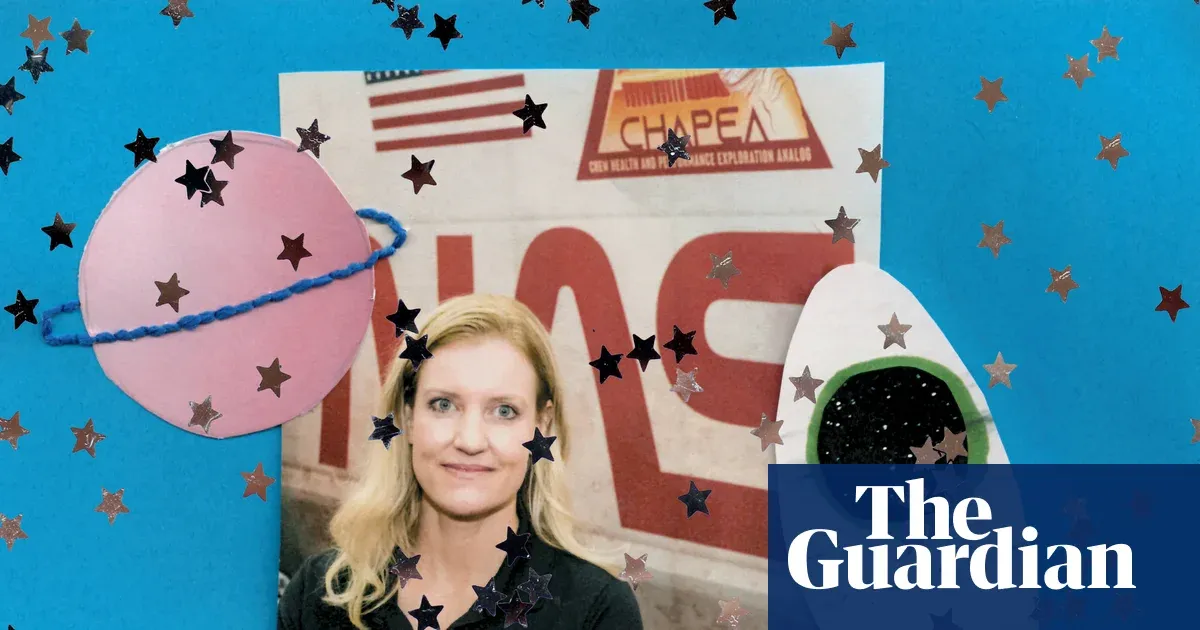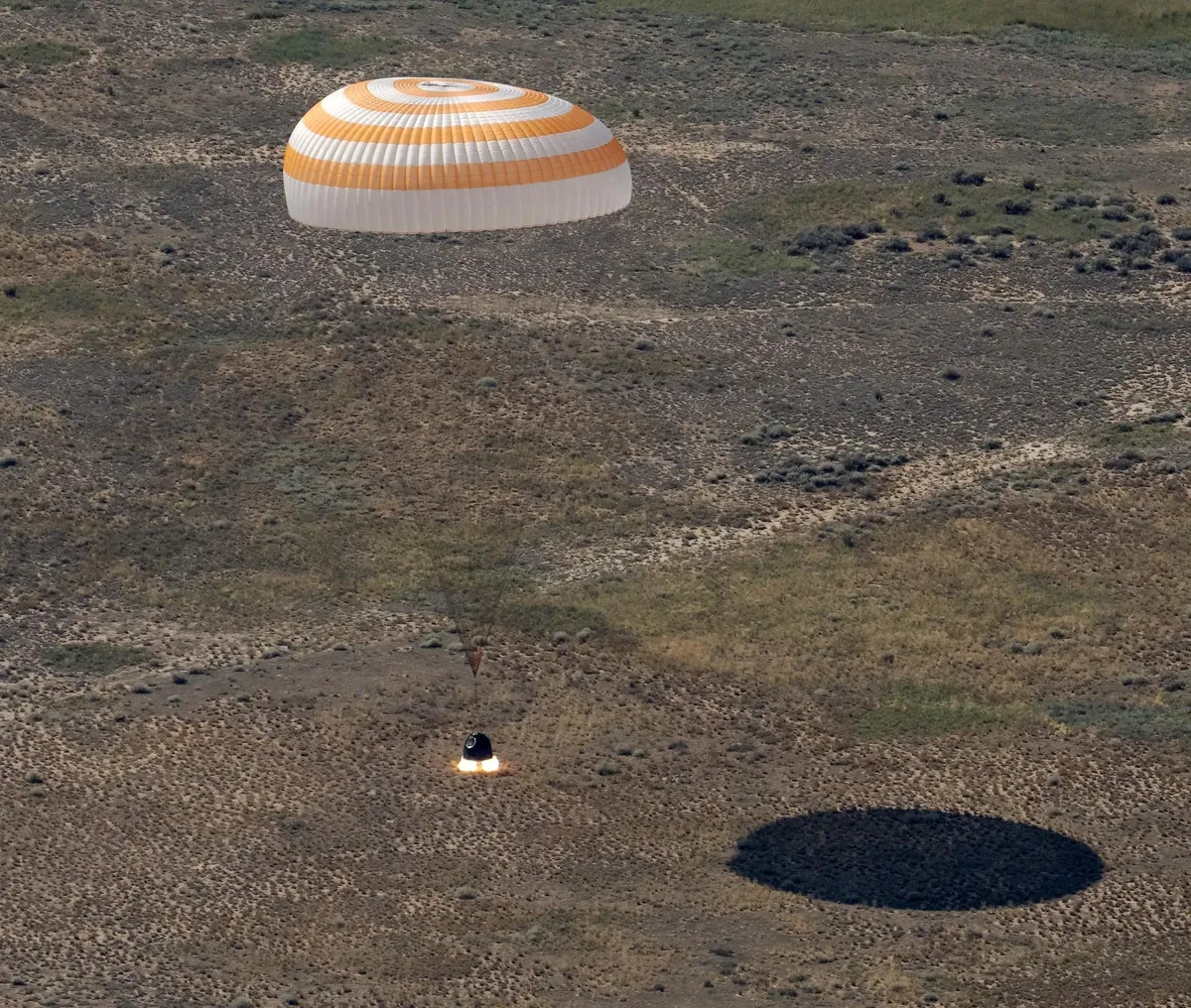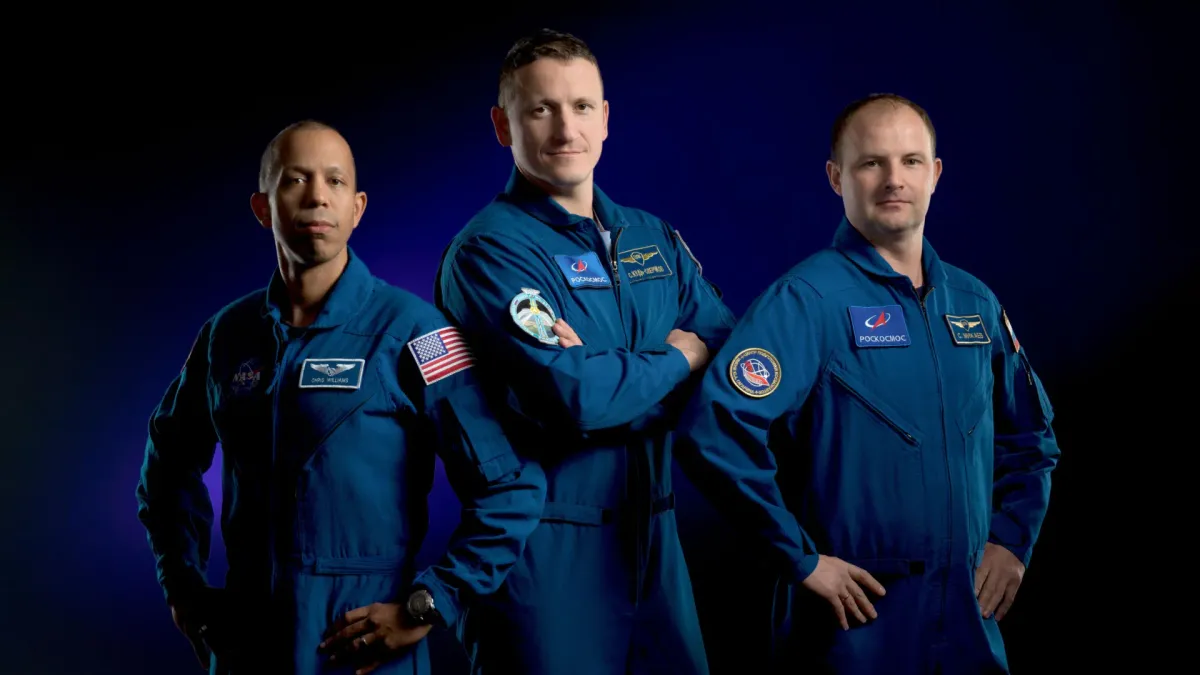
Imagine spending eight months in a tin can, zipping around Earth 3,856 times, covering a cool 102 million miles. That's essentially what NASA astronaut Chris Williams just did, along with Roscosmos cosmonauts Sergey Kud-Sverchkov and Sergei Mikaev. Their Soyuz MS-28 spacecraft made a textbook parachute landing in Kazakhstan, bringing them back to Earth after a mission that sounds less like work and more like an intergalactic road trip.
Williams, on his first space rodeo (as was Mikaev; Kud-Sverchkov is apparently a seasoned space traveler), launched to the International Space Station last November. And while he was up there, he wasn't just admiring the view – though, let's be honest, who wouldn't spend a good chunk of time doing that?
Space Science, Earthly Impact
Our man Chris was busy. His orbital to-do list included some seriously impactful science. Think cancer research – exploring new treatments from 250 miles above the planet. He also dabbled in advanced manufacturing, figuring out how to make better materials in zero-g for things like high-performance computers. Because apparently that's where we are now.
We're a new kind of news feed.
Regular news is designed to drain you. We're a non-profit built to restore you. Every story we publish is scored for impact, progress, and hope.
Start Your News DetoxHe even squeezed in two spacewalks, which, if you think about it, is both impressive and slightly terrifying. One was to prep the station's electrical system for an upgrade, and the other involved fixing a broken joint on the Canadarm2 robotic arm. Because even in space, things occasionally decide to stop working.
All this high-flying research and maintenance isn't just for kicks. It's designed to help us down here on Earth and, naturally, to pave the way for humanity's next big leaps to the Moon and Mars. Because if you're going to spend 241 days in space, you might as well make it count.
After a quick medical check-up (presumably to ensure he remembered how gravity works), Williams was whisked back to Houston. The ISS, meanwhile, continues its quarter-century run as humanity's orbital science lab, a place where discoveries are made that just aren't possible when you're stuck on a planet.