Scientists have shown that even tiny quantum objects feel gravity. This confirms a prediction Albert Einstein made long ago. Researchers from the University of Ulm, the University of Oxford, and Ben-Gurion University of the Negev worked together on this discovery.
Bridging Two Worlds of Physics
Physics often uses two different ways to explain how things work. Classical physics explains large-scale events, like how a ball moves. Quantum physics explains tiny things, like how atoms behave. Scientists are always looking for a single theory that can explain everything. For this to happen, classical and quantum physics need to connect.
Einstein's theory of gravity included an "equivalence principle." This principle says that for someone falling freely, gravity seems to disappear. Think of astronauts feeling weightless in space. The scientists wanted to know if this principle also applied to quantum objects.
We're a new kind of news feed.
Regular news is designed to drain you. We're a non-profit built to restore you. Every story we publish is scored for impact, progress, and hope.
Start Your News DetoxA Quantum Test of Gravity
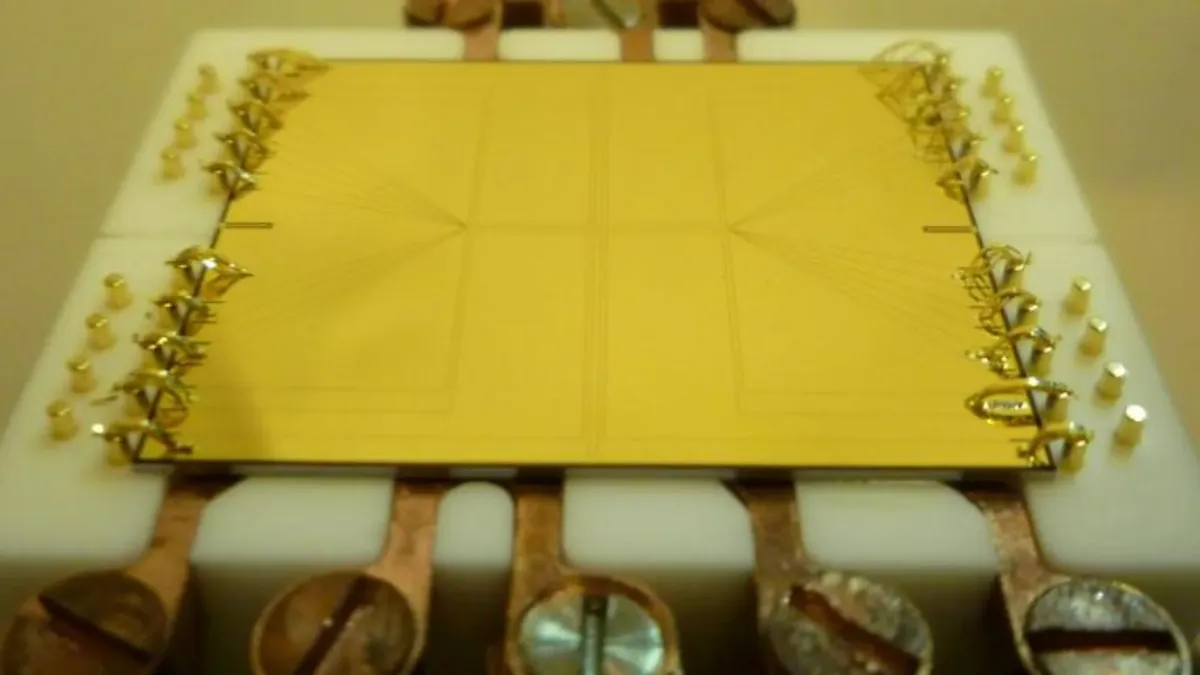
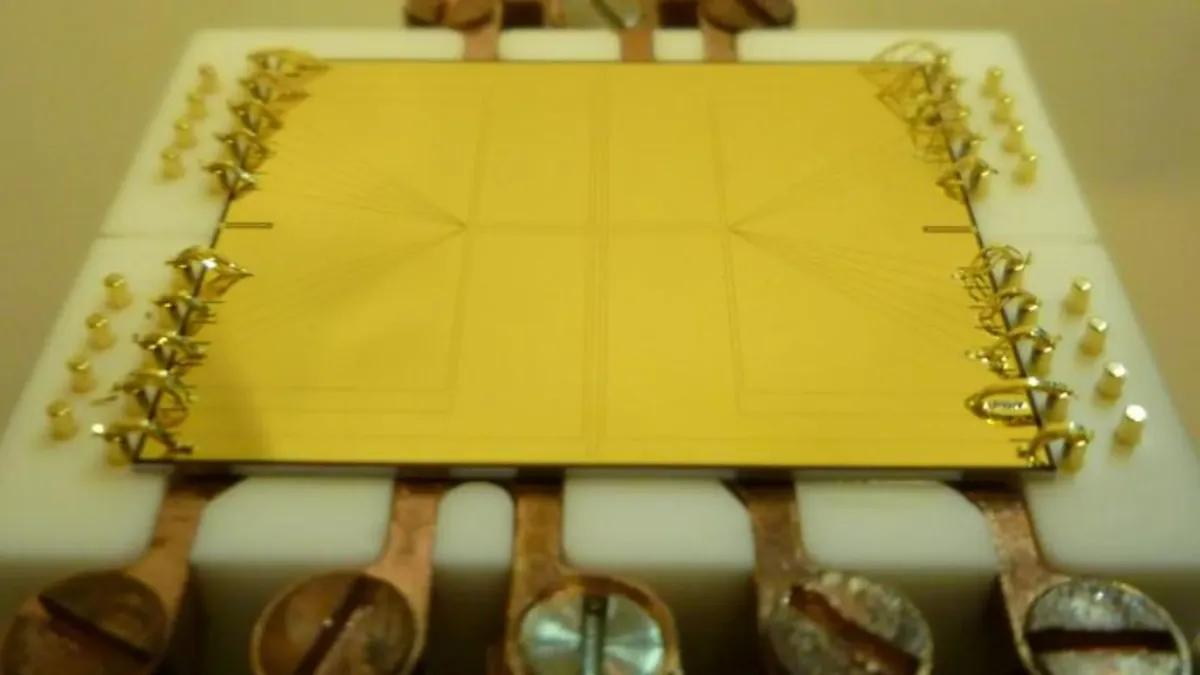
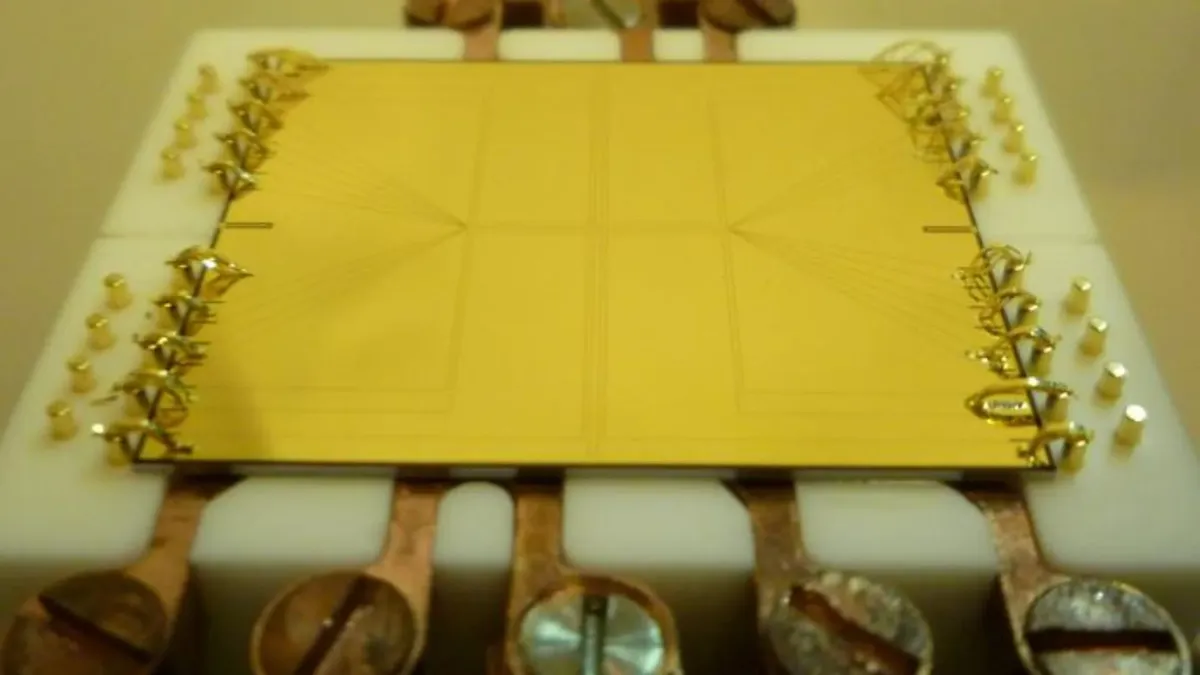
To test Einstein's idea for quantum objects, scientists needed a special tool. They used a Quantum Galileo Interferometer. This device can split an atom's quantum wave into two paths. It can even hold one wave still while the other falls freely. Then, it merges them to see if gravity had an effect.
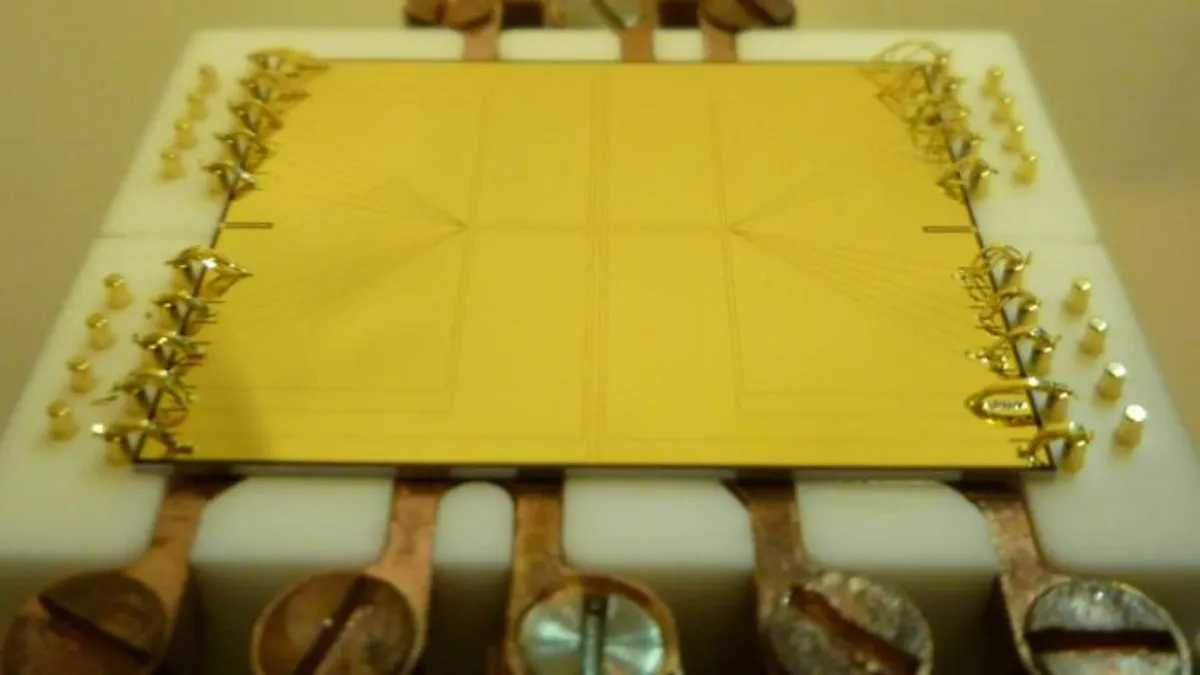
Professor Sir Roger Penrose from the University of Oxford has suggested that quantum mechanics might break down for very large objects in quantum states. Penrose was part of this new research. The team used clouds of rubidium atoms on a special "atom chip" for their experiment.
How the Experiment Worked
First, the researchers used microwaves to put super-cold rubidium atoms into a quantum superposition. This made the atoms travel along two paths at once. They then used tiny wires on the chip to create small magnetic fields. These fields produced an upward force to balance gravity.
This allowed one part of the atomic wave to stay still. The other part was pushed up with a magnetic pulse and then put into a state with no magnetic field. This simulated free fall under gravity.
Finally, another magnetic pulse brought the two wave parts back together. They interfered with each other. The interferometer measured a tiny difference in the quantum phase between the two parts.
This difference matched what Einstein had predicted. While other experiments have used quantum objects to measure gravity, this was the first direct measurement of the predicted quantum phase for a freely falling object.
What This Means
This experiment does not combine quantum and classical physics. Instead, it shows that Einstein's equivalence principle works even for quantum objects.
"We have no consistent theory telling us why quantum physics should fail," said Vlatko Vedral, a physics professor at the University of Oxford. "This experiment pushes quantum mechanics into one of its most intriguing frontiers, gravity, and shows that, once again, its predictions hold."
The experiment also doesn't prove Penrose's idea about larger objects wrong. Instead, it opens the door for future experiments with more massive objects.
Research findings - Science Advances, 2022