Turns out, even ancient VIPs couldn't escape the indignity of having their neighbors crash the party. An Egyptian archaeological team recently unearthed the tomb of Sekhentiu-Ptah, a high-ranking official from Egypt's Old Kingdom (think 2700–2200 BCE). A pretty big deal, considering his titles included "keeper of royal secrets" and "supervisor of the king's works." Because apparently that's where we are now.
But here's the kicker: right next to his pristine eternal resting place, they found a whole collection of later burials. Like a centuries-long, multi-generational neighborhood that just kept expanding, even if it meant a bit of... repurposing.
A Royal Secret-Keeper's Digs
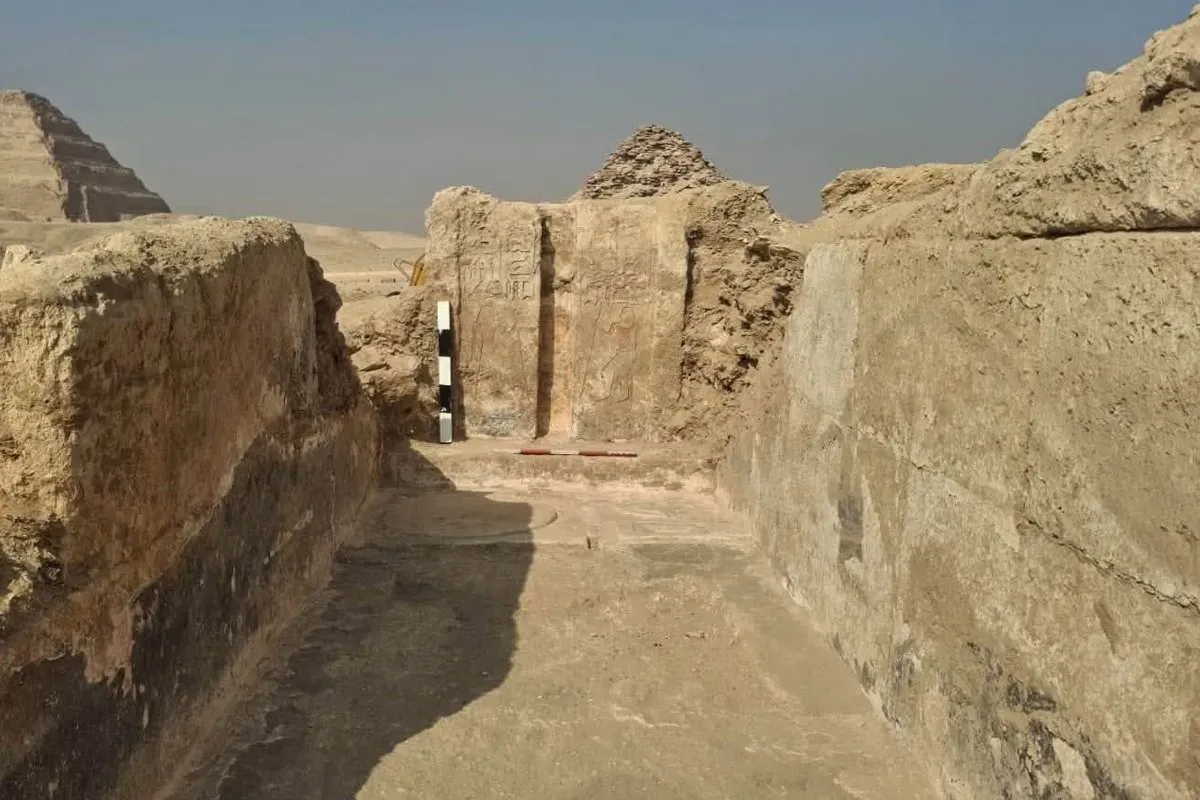
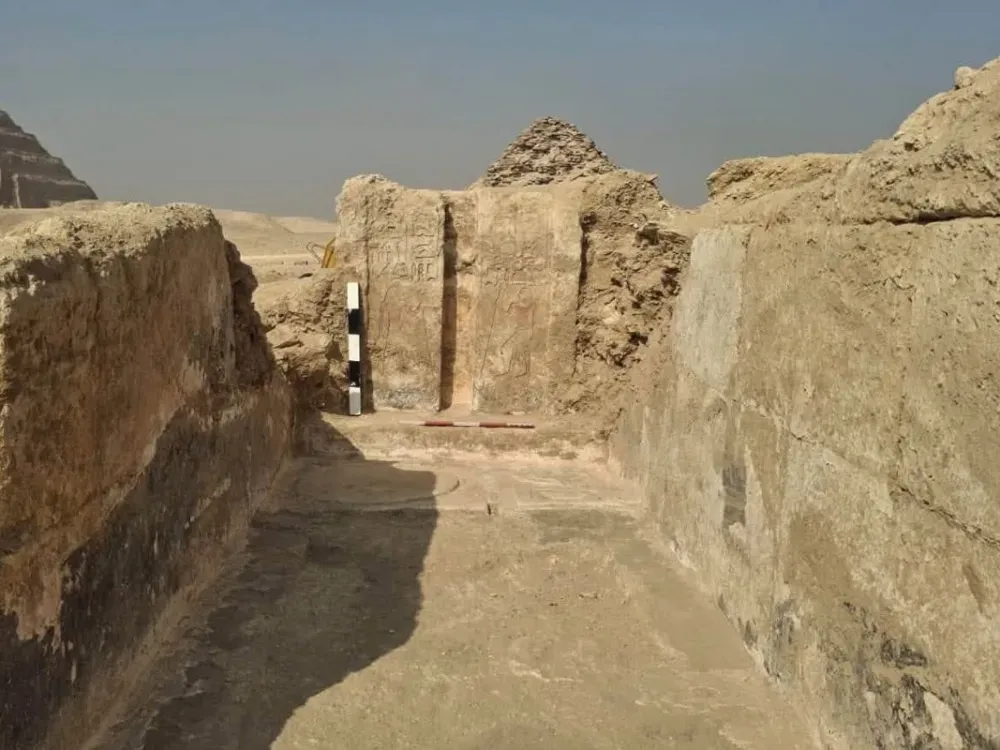
Sekhentiu-Ptah's tomb still had its original funeral chapel and a false door, which is exactly what it sounds like: a door for the deceased's spirit to pass through. In front of it, alabaster goodies like an offering table and a purification basin were untouched. This is huge, because untouched means archaeologists can actually understand Old Kingdom burial customs, rather than just guessing what ancient looters left behind. The hieroglyphs even spelled out his name and impressive résumé, including "royal chamberlain" and "priest of the goddess Maat."
We're a new kind of news feed.
Regular news is designed to drain you. We're a non-profit built to restore you. Every story we publish is scored for impact, progress, and hope.
Start Your News DetoxThe Neighbors Who Stayed a Bit Too Long
Adjacent to Sekhentiu-Ptah's undisturbed sanctuary, the team found later burials, complete with human remains, painted funeral cartonnage (a kind of ancient papier-mâché for mummies), and over 100 little faience ushabti figurines. These tiny servant statues were supposed to do the deceased's bidding in the afterlife. Which, if you think about it, is both impressive and slightly terrifying.
Unfortunately, early checks suggest these later burials were thoroughly ransacked. The passages connecting them? Likely the handiwork of ancient thieves. So, while Sekhentiu-Ptah got his undisturbed slumber, his later neighbors had a slightly rougher eternal go of it. These finds, all from the Saqqara necropolis, just outside Cairo, really drive home the fact that this place was the spot to be buried for millennia. Even if it meant sharing walls with a few uninvited, very dead, guests.