A newly found 550-million-year-old sea sponge fossil is helping scientists understand why early sponges seemed to disappear from the fossil record for a long time. This discovery sheds light on a 160-million-year gap in their evolutionary history.
Sea sponges are simple creatures without brains or guts. Scientists thought they first appeared about 700 million years ago. However, clear fossil evidence only goes back about 540 million years. This left a puzzling 160-million-year period with no sponge fossils.
Uncovering a "Lost" Fossil
In a study published in Nature, Virginia Tech geobiologist Shuhai Xiao and his team describe a 550-million-year-old sea sponge fossil. This fossil fits right into the missing time period. The team suggests that the earliest sponges might not have had hard mineral skeletons. This would make them much less likely to become fossils.
We're a new kind of news feed.
Regular news is designed to drain you. We're a non-profit built to restore you. Every story we publish is scored for impact, progress, and hope.
Start Your News DetoxThis idea helps explain a long-standing puzzle in how life evolved.
The Mystery of Missing Sponges
Scientists use "molecular clock" estimates, which track genetic changes over time, to guess that sponges first evolved around 700 million years ago. But rocks from that time haven't shown clear sponge fossils.
This difference has caused many debates among zoologists and paleontologists.
The new fossil helps connect these ideas. It adds a key piece to the history of one of Earth's first animals. It also explains why older fossils have been so hard to find. This discovery relates to questions Charles Darwin first asked about when early animal life began.
A Surprising Find in China
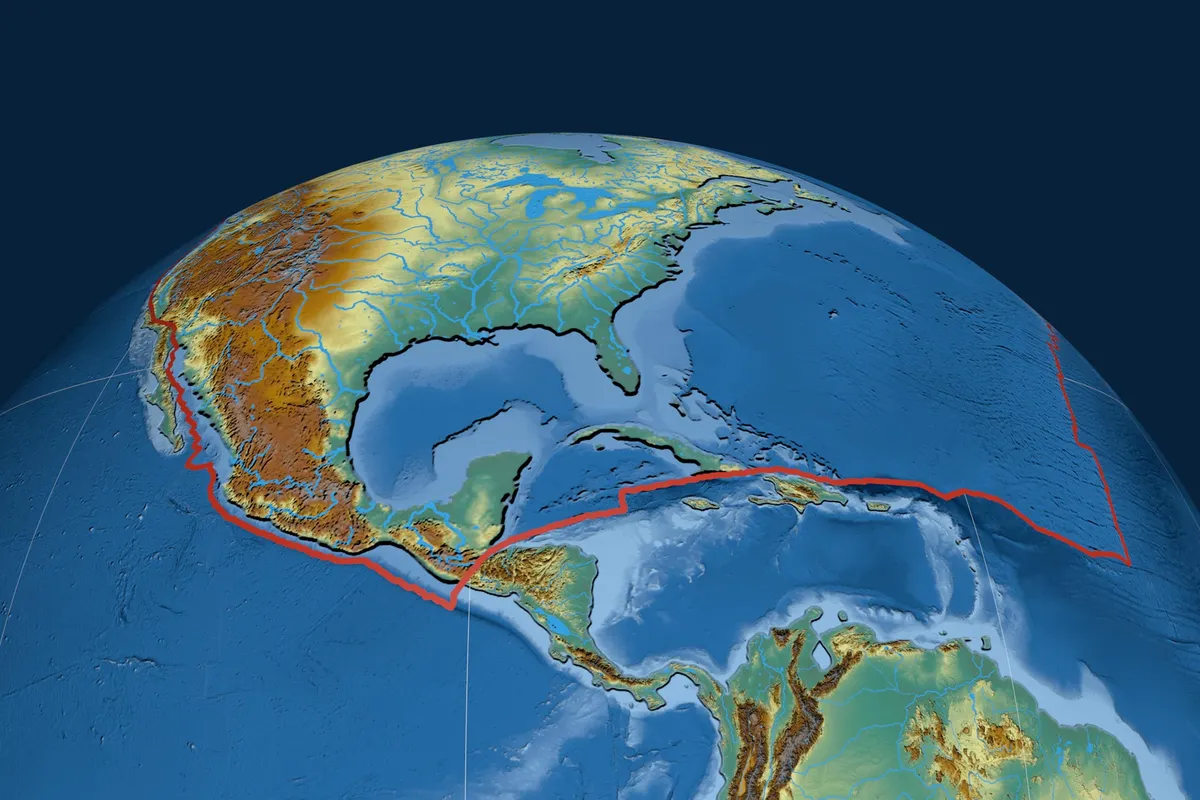
Xiao first saw the fossil about five years ago. A colleague sent him a photo of a specimen found along the Yangtze River in China.
Xiao, a faculty member at the College of Science, said, "I had never seen anything like it before." He realized it was something new almost immediately.
Xiao worked with researchers from the University of Cambridge and the Nanjing Institute of Geology and Paleontology. They tested different possibilities. The fossil didn't match sea squirts, sea anemones, or corals. This left one interesting option: an ancient sea sponge.
Why Early Sponges Were Hard to Find
In earlier work from 2019, Xiao and his team suggested that the first sponges might not have made the hard, needle-like parts called spicules that modern sponges have.
By looking at older fossils, the researchers found that sponge spicules became more mineralized over time. The further back they looked, the more organic and less mineral-based these structures seemed.
Xiao explained, "If you go back far enough, perhaps the first ones were soft-bodied creatures with only organic skeletons and no minerals at all." He added that if this were true, they would only fossilize under very special conditions where quick fossilization happened before decay.
Later in 2019, the team found such a rare case. They discovered a sponge fossil preserved in a thin layer of marine carbonate rock. This type of rock is known for preserving soft-bodied organisms, including some of the earliest animals that could move.
Xiao noted, "Most often, this type of fossil would be lost to the fossil record." He said the new finding gives a glimpse into early animals before they developed hard parts.
Unique Pattern and Unexpected Size
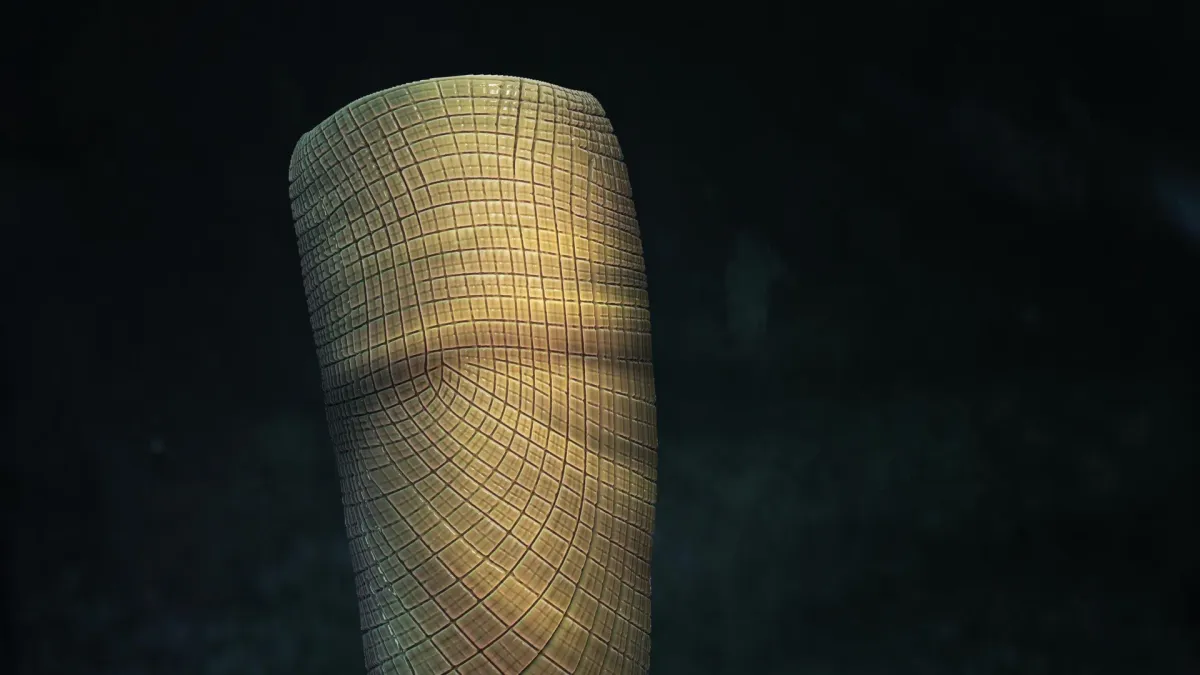
The newly described fossil stands out because of its detailed surface pattern. It has a grid of regular box-like shapes, each divided into smaller, repeating units.
Xiaopeng Wang, a postdoctoral researcher at the Nanjing Institute of Geology and Paleontology and the University of Cambridge, said, "This specific pattern suggests our fossilized sea sponge is most closely related to a certain species of glass sponge."
Its size also surprised the researchers.
Alex Liu, a collaborator from the University of Cambridge, said he expected early sponge fossils to be very small. He noted, "The new fossil is about 15 inches long with a relatively complex, conical body plan, which challenged many of our expectations for the appearance of early sponges."
Changing the Search for Early Life
This discovery helps fill a gap in the fossil record. It also changes how scientists look for early life.
If the first sponges were soft-bodied and lacked mineral skeletons, many might have disappeared without a trace. This means researchers need to look beyond typical fossil clues. They should focus on rare conditions where delicate organisms could be preserved.
Xiao said, "The discovery indicates that perhaps the first sponges were spongy but not glassy." He concluded, "We now know that we need to broaden our view when looking for early sponges."
Deep Dive & References
A late-Ediacaran crown-group sponge animal - Nature, 2024