This week, the world's brightest minds seemed to coalesce around a single, powerful idea: not just inventing new things, but fundamentally improving what we already have. From the microscopic to the infrastructural, the theme was clear: a quiet, determined optimization is underway, making our existing systems more efficient, more resilient, and surprisingly, more elegant.
The Unseen Revolution in Materials
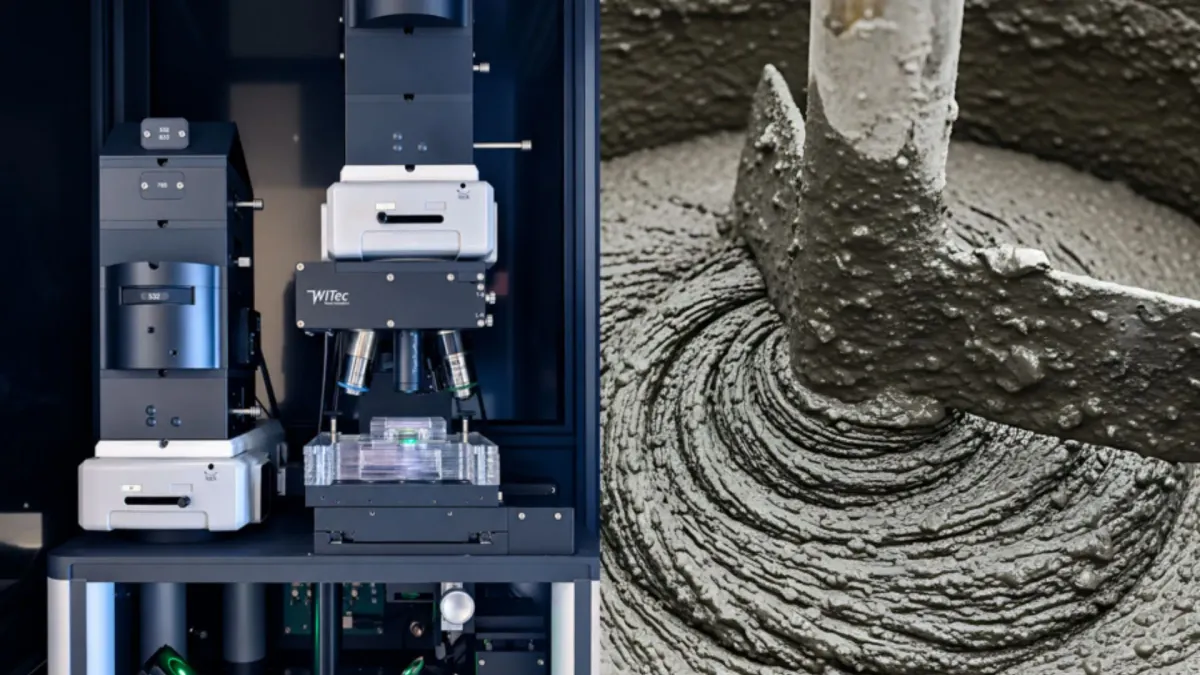
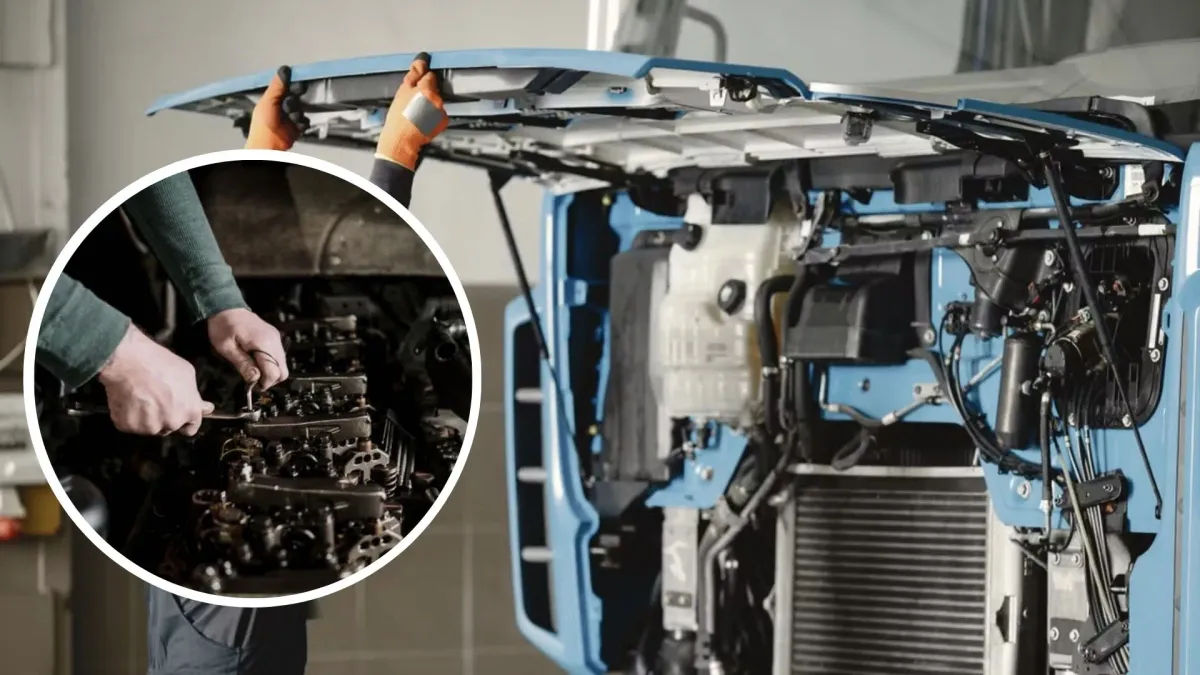
Take concrete, for instance. It’s been around for millennia, but scientists at MIT just cracked a secret ingredient that makes concrete 13% stronger. For years, we knew injecting CO2 into concrete helped, but the why was a mystery. Now, they’ve watched the chemistry unfold, opening the door to not just stronger buildings, but also a clever way to sequester carbon. Meanwhile, in another corner of the lab, researchers at Oak Ridge National Laboratory unveiled new alloys that cut truck engine weight by 15%, boosting fuel efficiency significantly. These aren't flashy new gadgets; they're foundational improvements to the very stuff we build our world with. If you thought the materials science breakthroughs were slowing down, this week proves we're just getting started.
"The coral had been declared dead in 2019. Five years later, it's not just alive — it's spawning." — Read the full story
Wait—What is Brightcast?We're a new kind of news feed.
Regular news is designed to drain you. We're a non-profit built to restore you. Every story we publish is scored for impact, progress, and hope.
Start Your News Detox
Nature's Blueprints, Amplified
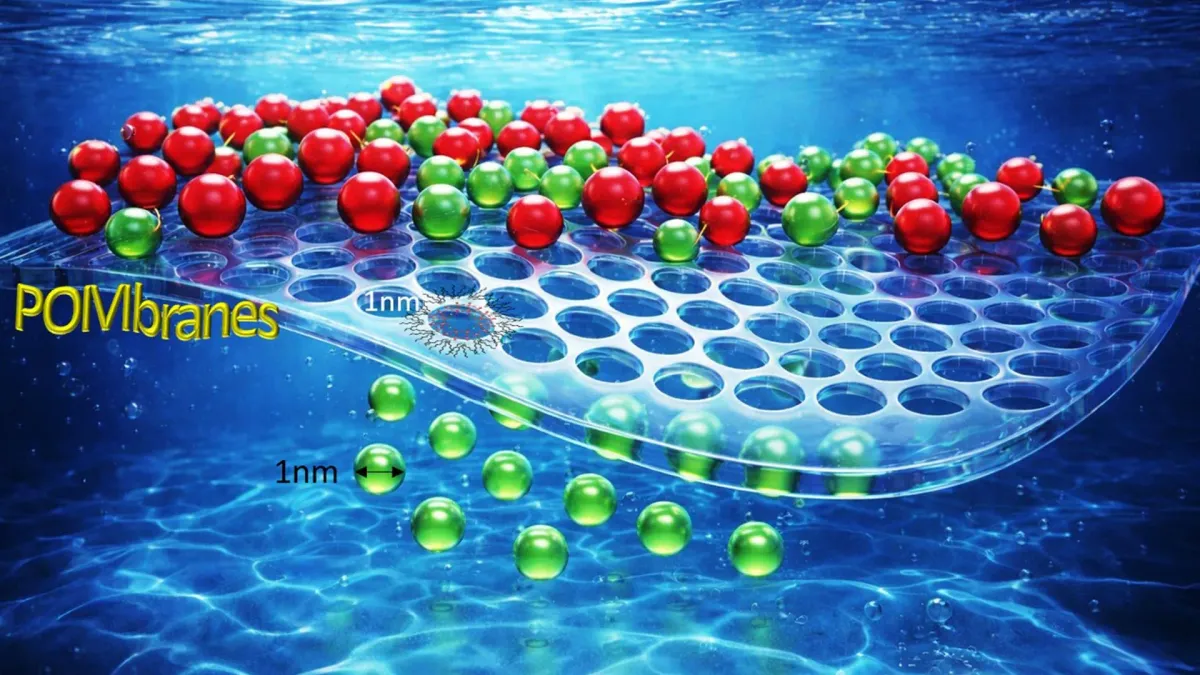
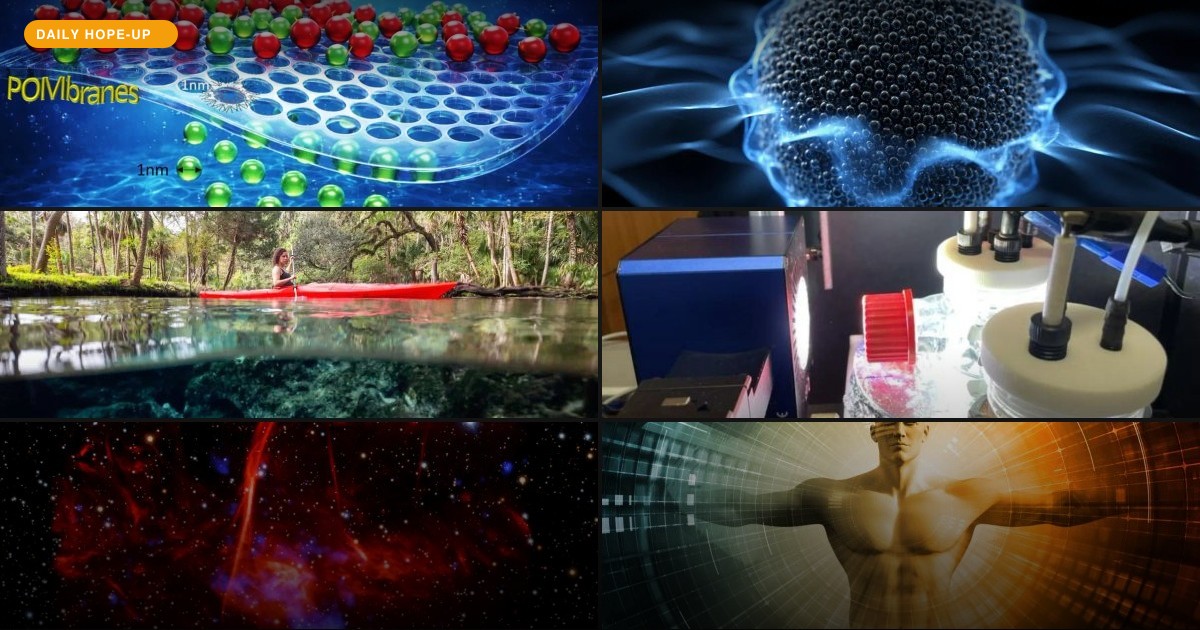
Sometimes, the best innovations come from paying closer attention to the world around us. A new membrane technology, inspired by nature, uses tiny, perfect holes to clean the world's filthiest water. These one-nanometer pores filter molecules with an almost unbelievable precision, promising to slash energy consumption in industries like pharmaceuticals and textiles. It's a quiet revolution, leveraging nature's design principles for massive industrial impact. And speaking of nature bouncing back, this week also saw a global turning point for mangrove forests, with more countries reporting increases than decreases. If you’ve been feeling overwhelmed by environmental news, these stories offer a quiet, steady counter-narrative of clever solutions and natural resilience.
Better Systems, Better Lives
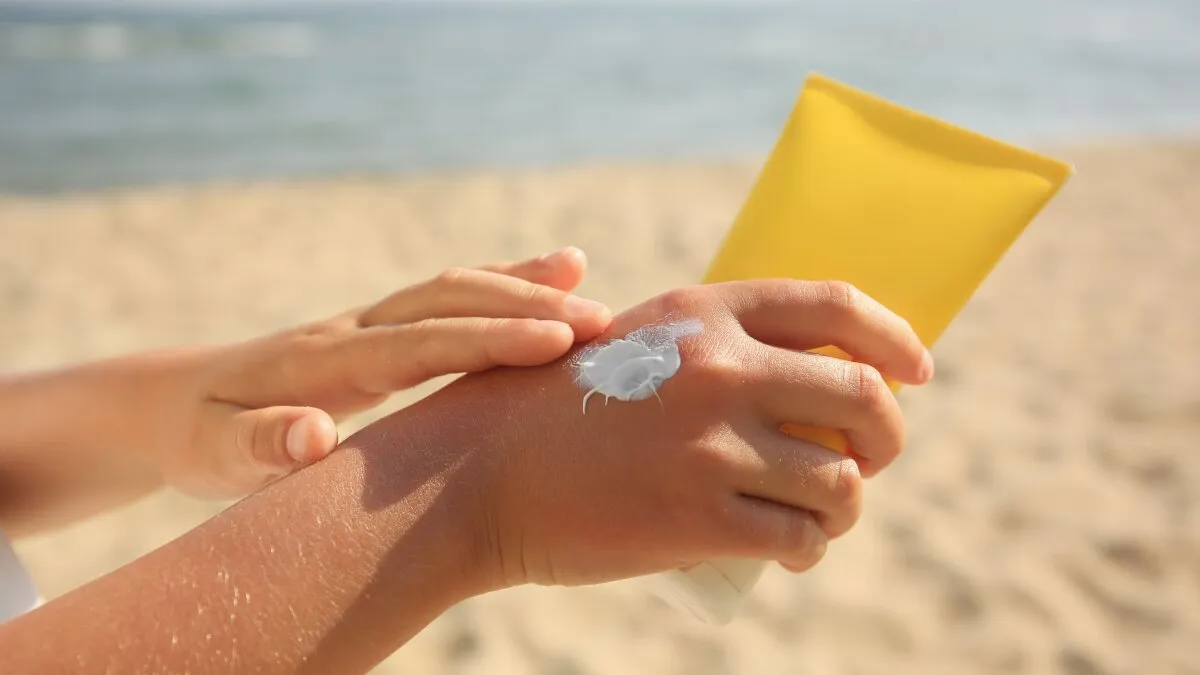
It wasn't just materials getting an upgrade. Our systems, both personal and communal, are also seeing some long-overdue improvements. After two decades, America's sunscreen just got an upgrade with the addition of bemotrizinol, offering more effective UV protection. And on a larger scale, FEMA might actually get more money, a move that has emergency managers breathing a collective sigh of relief. These aren't just incremental changes; they're fundamental shifts that will directly impact daily health and safety for millions. If you've been waiting for things to simply work better, this week delivered some concrete reasons for optimism.
Hope stat: 1 nanometer — the perfectly uniform size of pores in a new membrane that could revolutionize water filtration and industrial processes.
Watch this space: The quiet improvements to foundational technologies often precede bigger, more visible shifts, so keep an eye on these seemingly small but mighty upgrades.