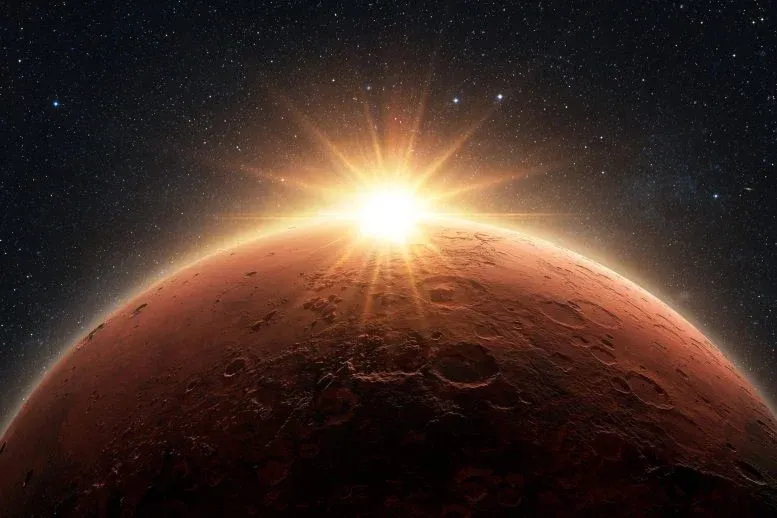
Turns out, Mars is a bit of a show-off. Scientists just uncovered evidence that deep beneath its rusty surface, the Red Planet is hiding vast, interconnected systems of molten rock. Think of it as a subterranean plumbing network, but instead of water, it's glowing hot magma. This discovery throws a wrench into our understanding of how planets get their geological groove on.
For ages, the party line was this: complex geology, like the kind that builds continents and fuels volcanoes, needs plate tectonics. That's Earth's jam, with its constantly shifting surface plates. Mars, on the other hand, is a "stagnant lid" planet – basically, one giant, unmoving crust. So, everyone figured it was a geological simpleton.
Well, Mars apparently didn't get the memo. New research from the University of Oxford, published in Nature Astronomy, suggests the planet managed to get fancy with its crust through extensive internal recycling of molten rock. Because apparently that's where we are now.
We're a new kind of news feed.
Regular news is designed to drain you. We're a non-profit built to restore you. Every story we publish is scored for impact, progress, and hope.
Start Your News DetoxThe Seismic Whisper of a Magma Ocean
The crucial clues came from NASA's InSight mission, which dropped a seismometer onto Mars in 2018. This gadget listened to the planet's rumblings – marsquakes and meteoroid impacts – and picked up an unexplained boundary about 24 kilometers (about 15 miles) below the surface.
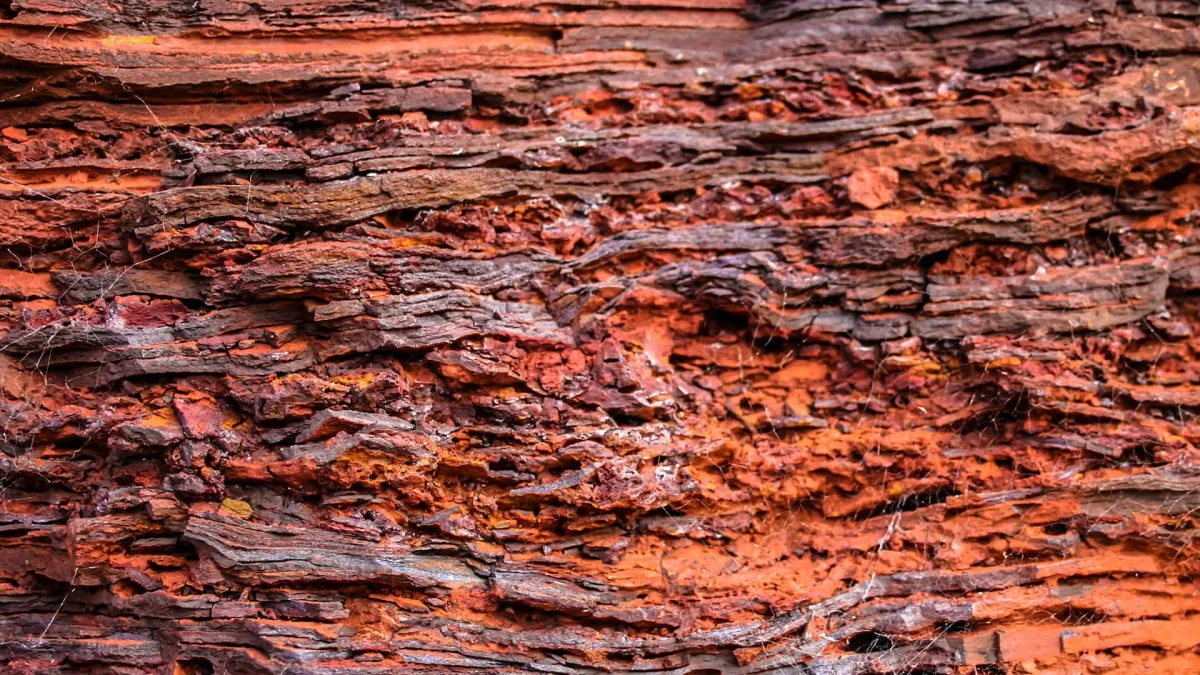
Scientists then ran computer models, comparing the seismic data with hundreds of rock types. What they found was a geological sandwich: below the boundary, rocks rich in iron and magnesium (ultramafic, if you're feeling fancy) best explained the signals. Above it, rocks with more silica (mafic) fit the bill.
This isn't just a quirky rock arrangement. It suggests that molten rock accumulated deep underground, then separated like oil and vinegar. Denser crystals sank, while lighter, more evolved melts floated upwards. It’s a process similar to what happens under volcanoes on Earth, leading to continent formation. Which, if you think about it, is both impressive and slightly terrifying for a "stagnant lid" planet.
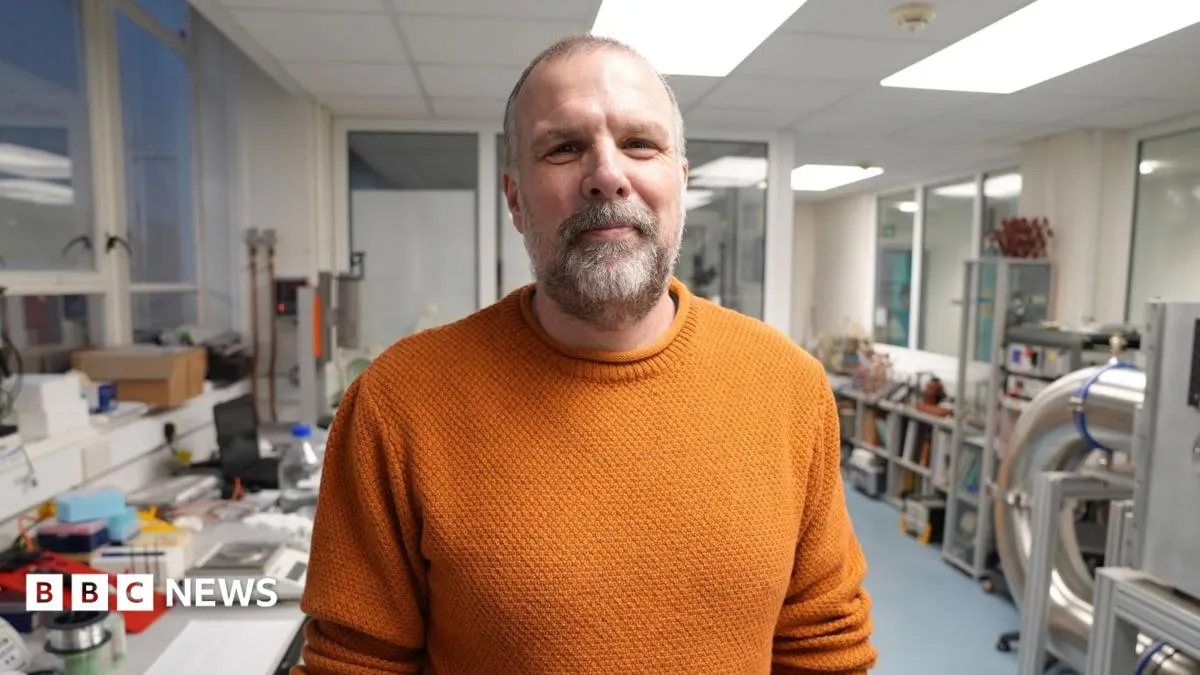
Dr. Tobermory Mackay-Champion, the lead author, put it plainly: this changes how we see Martian volcanism. It means Mars likely had massive, long-lived systems where magma brewed and reprocessed itself. And it makes you wonder how many other rocky planets out there are pulling off similar geological magic tricks.
Earth's Not So Special After All
This buried layer might stretch for hundreds or thousands of kilometers across Mars' northern hemisphere. That means Mars once had enormous, connected magmatic systems, not just isolated volcanic pimples. This process, called "transcrustal magmatism," was previously thought to be an Earth-exclusive club.
Why does this matter? Because geological recycling is a big deal for developing atmospheres, oceans, and potentially habitable environments. On Earth, plate tectonics helps regulate climate and moves water and other essential elements around. It was considered the VIP pass to habitability.
But Mars is now making a strong case for a different narrative. It suggests rocky planets can develop complex crusts and conditions ripe for life without Earth-style plate tectonics. Professor Jon Wade, a co-author, noted that this finding challenges the whole "Earth is unique" idea.
If Mars can do it, then a lot more planets might be habitable than we previously thought – including those we'd written off because they weren't doing the tectonic plate dance. So, next time you look at Mars, remember it's not just a dusty rock; it's a planet that's been quietly rewriting the rules of planetary evolution. And probably chuckling to itself.