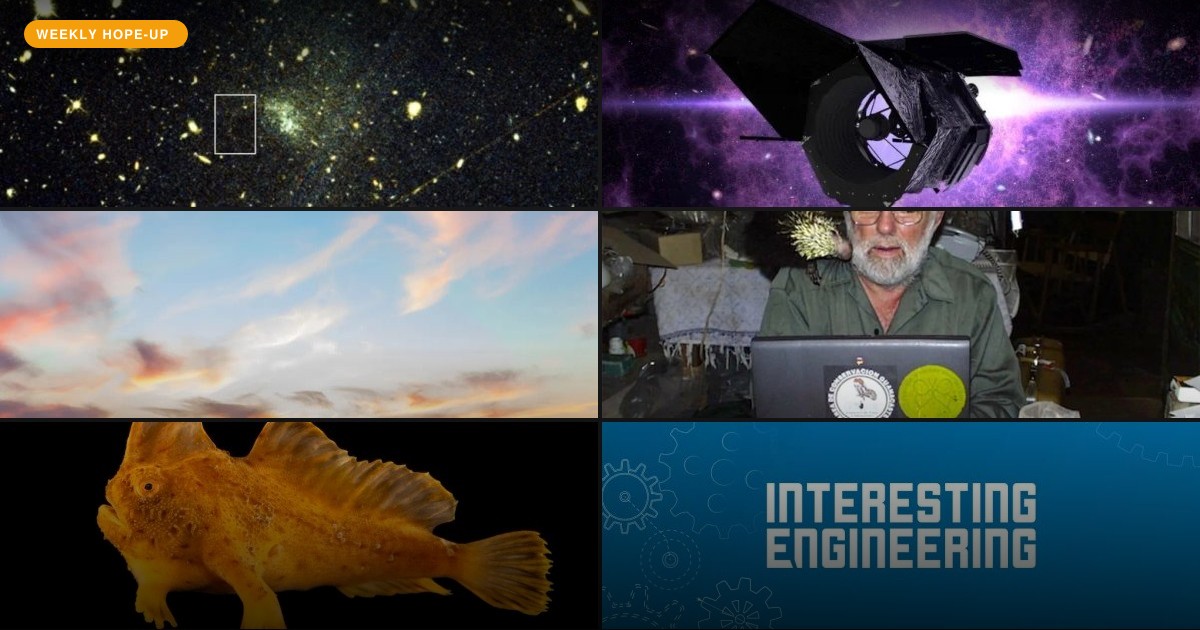
This week, it felt like everyone was playing a long game. From astronomers peering back billions of years to a man who spent five decades coaxing a forest back to life, the recurring theme was patience, persistence, and the slow, deliberate work of building something significant. The universe, it turns out, isn't built in a day – but we're getting remarkably good at chipping away at its mysteries, both cosmic and terrestrial.
The Cosmos is Under Construction (and We're Helping)
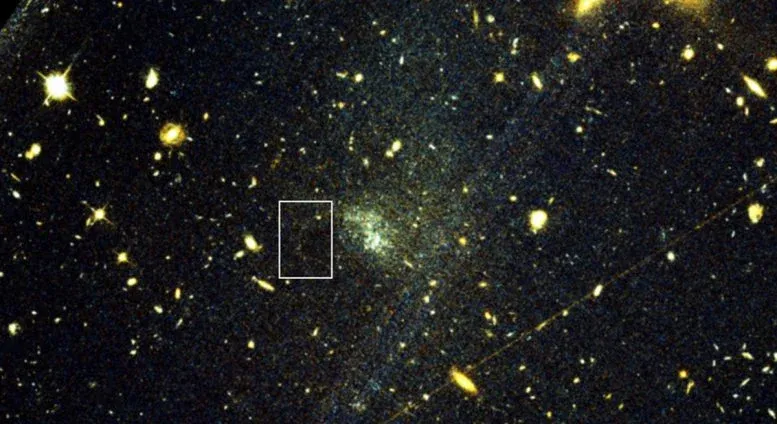
If you've ever felt small contemplating the vastness of space, this week offered a reminder that even the biggest questions are being systematically dismantled. Take the humble stellar stream. Astronomers just found the first globular cluster stellar stream beyond the Milky Way, a faint trail of stars in another galaxy. Why is this a big deal? Because these ethereal structures are like cosmic breadcrumbs, leading scientists to clues about dark matter. It’s a subtle observation, but one that could rewrite our understanding of the universe’s invisible scaffolding.
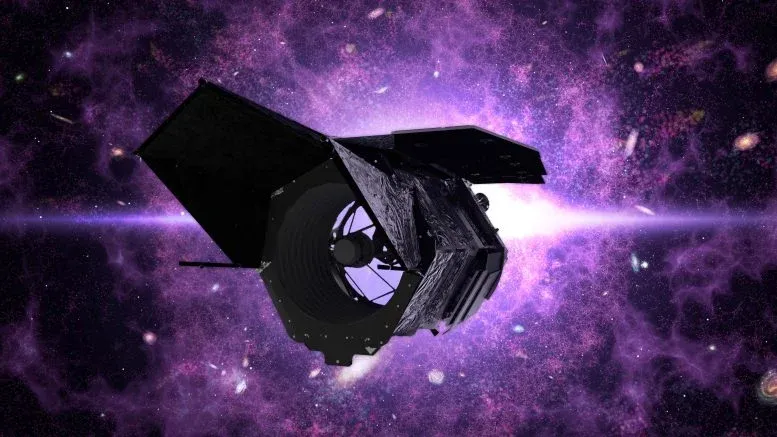
Meanwhile, closer to home, NASA's Roman Space Telescope is getting its final preparations for launch, with stories detailing its space pajamas and its wild origin story. Designed to unravel dark energy and dark matter, this telescope isn't just a piece of hardware; it's a generational quest to understand the very fabric of existence. Add to that NASA's investment in the world's first quantum gravity sensor in space — a project that sounds like science fiction but is very much science fact — and it's clear humanity is laying down the orbital equivalent of new infrastructure. If you've ever wondered if we're still pushing the boundaries of what's possible, the answer is a resounding yes, and often with an eye toward the very smallest and largest scales simultaneously.
We're a new kind of news feed.
Regular news is designed to drain you. We're a non-profit built to restore you. Every story we publish is scored for impact, progress, and hope.
Start Your News Detox"The first terawatt of global solar capacity took nearly 68 years to reach. The second arrived in roughly two years." — Read the full story
Earth's Foundations Are Being Rewritten
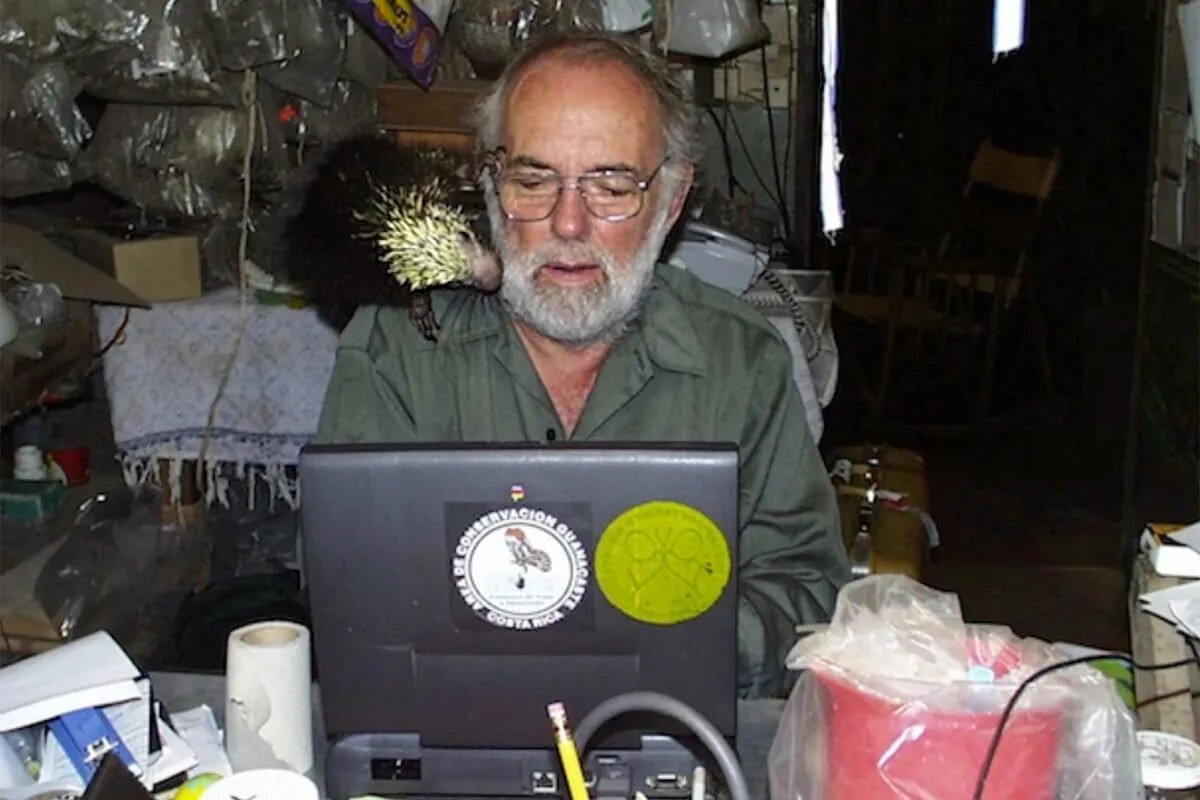
While we're busy exploring the cosmos, the ground beneath our feet is also undergoing a quiet revolution. In Costa Rica, Daniel Janzen spent 50 years patiently regrowing a forest. It wasn't a sprint but a marathon of removing cattle, stopping fires, and letting nature (with a little human guidance) reclaim what was lost. This isn't just ecological restoration; it's a testament to the power of sustained effort.
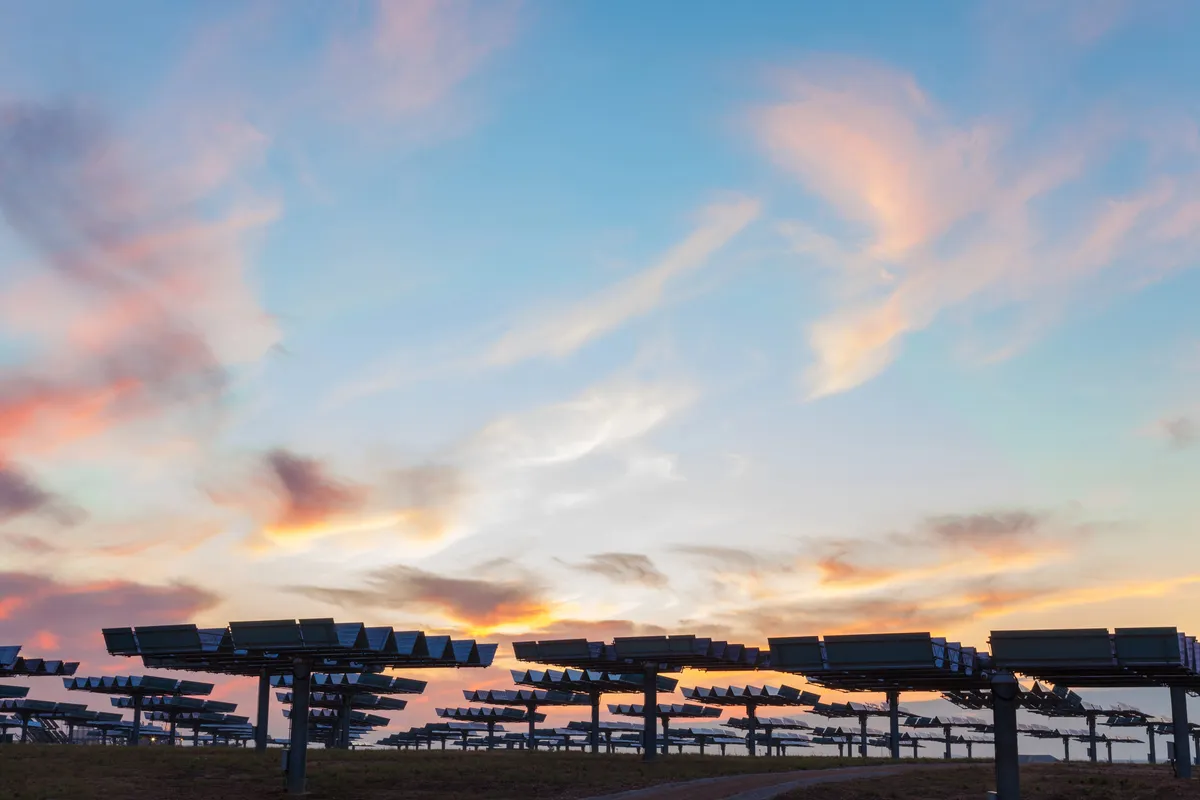
This same deliberate, foundational work is happening in our most carbon-intensive industries. Stanford scientists are now zapping cement into existence 100 times faster, dramatically cutting emissions from a material that literally underpins our modern world. Cement production accounts for roughly 8% of global emissions, so this isn't a tweak; it's a seismic shift in how we build. Meanwhile, the world quietly hit 3 terawatts of solar power. The first terawatt took 68 years. The second took two. The third? Even less. This isn't just growth; it's acceleration, showing that once a foundational shift begins, it tends to compound. It means the very structures of our civilization, from the ground up, are being reimagined for a more sustainable future.
"Ask a chemist to name the strongest single bond in organic chemistry, and they'll likely say carbon-fluorine. It's that bond, repeated dozens of times over, that gives per- and polyfluoroalkyl substances (PFAS) their nickname: forever chemicals." — Read the full story
The Microscopic Gets Macroscopic Attention
Sometimes, the biggest breakthroughs come from understanding the smallest things. This week, the notoriously stubborn "forever chemicals" (PFAS) met their match in a Yale student who figured out how to double their molecular size, making them far easier to destroy. It's a precise, chemical solution to a pervasive environmental problem, born from a deep understanding of molecular bonds.
Similarly, AI is now peering into the very instruction manual of life. Researchers used machine learning to find a secret DNA switch and a hidden 'on switch' in human DNA, identifying the initiator in 60% of human genes. This isn't just abstract science; it's about understanding the fundamental mechanisms that lead to disease and unlocking new ways to intervene. From persistent pollutants to the very code of life, humanity is showing an increasing knack for tackling problems at their most granular level, with implications that ripple out across entire systems. If you've been looking for evidence that complex problems are solvable, this week offered plenty of receipts from the microscopic world.
Hope stat: 68 years — the time it took to reach the first terawatt of solar power. The world just added the third terawatt in a fraction of that time.
Watch this space: Keep an eye on how these fundamental scientific breakthroughs, from quantum sensors to AI-decoded DNA, start to translate into real-world applications and shift global industries.