Today, it seems the grand challenges are being met with equally grand, and sometimes incredibly small, solutions. From half-billion-dollar bets on eradicating the sniffles to microscopic robots fixing nerve damage, the sheer scale of ambition is worth noting.
The Titans Take on Tiny Troubles
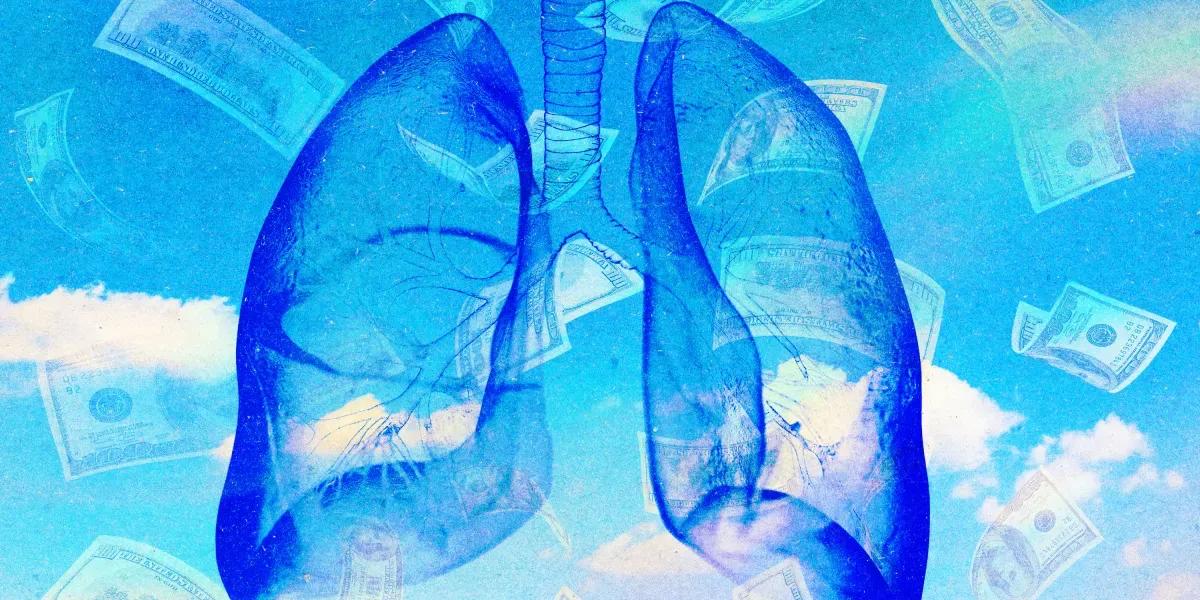
When we talk about Big Tech, we usually think of moonshot projects or social media empires. This week, however, some of the biggest names in the industry decided to tackle something far more quotidian: the common cold. Tech Giants Just Dropped Half a Billion to Kill Your Next Cold details how Stripe, Anthropic, OpenAI, and other donors are pouring $500 million into a new nonprofit, Intercept, with the audacious goal of eliminating respiratory viruses entirely. It’s a fascinating pivot from building AI models to dismantling viral ones, recognizing that the sheer economic drain of the sniffles is a problem worth solving. If you've been dreading flu season, this week just added a serious contender to your corner.
"The average person spends an estimated 105 days of their life sick from respiratory infections, costing the global economy trillions each year." — Read the full story
Wait—What is Brightcast?We're a new kind of news feed.
Regular news is designed to drain you. We're a non-profit built to restore you. Every story we publish is scored for impact, progress, and hope.
Start Your News Detox
The Micro-Machines of Medicine and Ecosystems
While some are throwing billions at the macro-problem of widespread illness, others are perfecting the micro-solution. Researchers are making impressive strides with These Tiny Robots Deliver Stem Cells to Fix Severed Spinal Cords. Imagine microscopic robots, guided with precision, delivering stem cells directly to injured nerve tissue. Spinal cord injuries, long considered devastating, might just have met their match in these microscopic couriers. This means a future where paralysis isn't a life sentence is looking a little less distant.
And speaking of microscopic precision, nature continues to show us how it's done. Did you know a single fluorescent bat, covered in pollen, can be responsible for your tequila? This Fluorescent Bat Is Covered in Pollen, Not Paint, and It Makes Tequila highlights the lesser long-nosed bat, a vital pollinator for agave plants. These bats are literally glowing with their day's work, ensuring the lifecycle of both the plants and, well, the party. 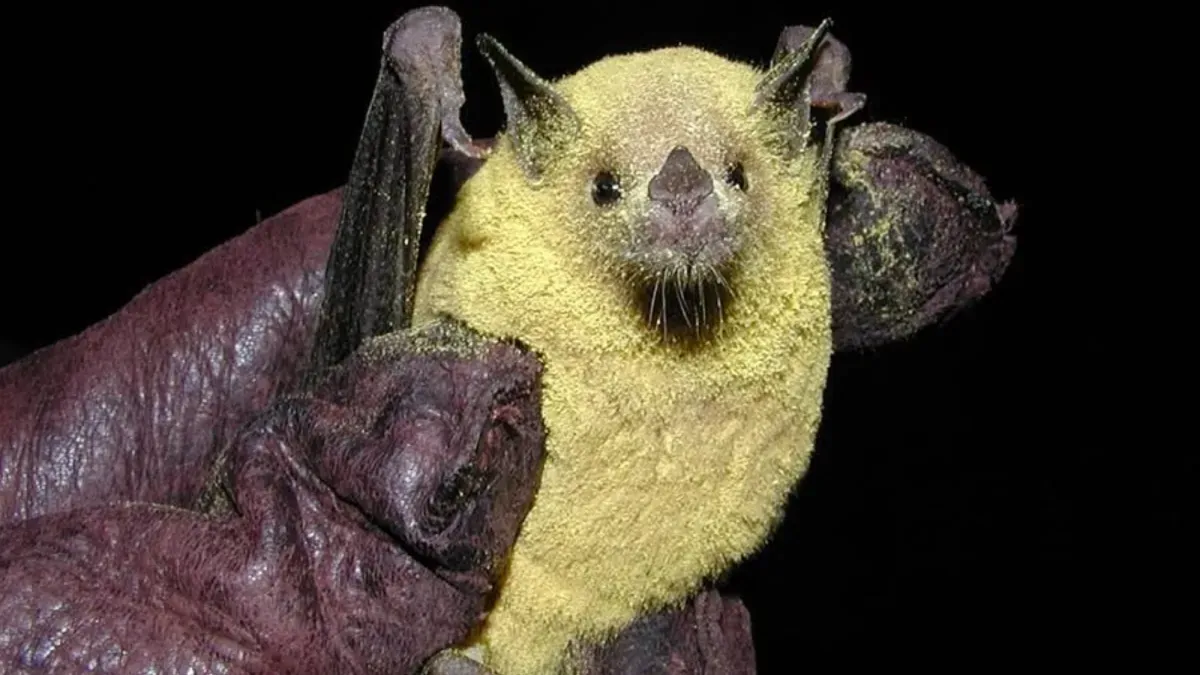 This reminds us that sometimes the most impactful solutions, both natural and engineered, are the ones we can barely see.
Global Connections, From Art to Asteroids
Our world feels a bit smaller this week, as connections span continents and even solar systems. Singaporean artist Ho Tzu Nyen is literally bridging continents with his work, inaugurating a multi-year partnership between the New Museum in New York and Korea's Ulsan Art Museum. As detailed in Singaporean Artist's Work Will Connect New York and Korea, Literally, art is creating tangible links across 6,000 miles. This kind of cultural diplomacy makes the world feel a little less fragmented.
And if that wasn't enough cross-cultural connection, an actual alien comet decided to drop in. A Comet From the Dawn of Time Just Visited Our Solar System and An Interstellar Comet Just Showed Up With a Chemical Surprise report on 3I/ATLAS, an interstellar visitor with an unusually high methanol content. This isn't just a pretty light show; it's a direct chemical sample from another star system. It means we're constantly learning that even the most distant corners of the universe might have more in common than we think.
Hope stat: $500 million — the amount pledged to make your next cold a thing of the past.
Watch this space: The race to cure the common cold is officially on, backed by some serious firepower.