Today, it seems the universe decided to reveal a few of its best-kept secrets. From the microscopic world of rubber to the vast, silent conversations of whales, scientists and observers alike spent the day connecting dots previously thought to be isolated. The overarching theme? Understanding the intricate, often unseen, networks that govern everything from materials science to global migration.
The Language of the Unseen
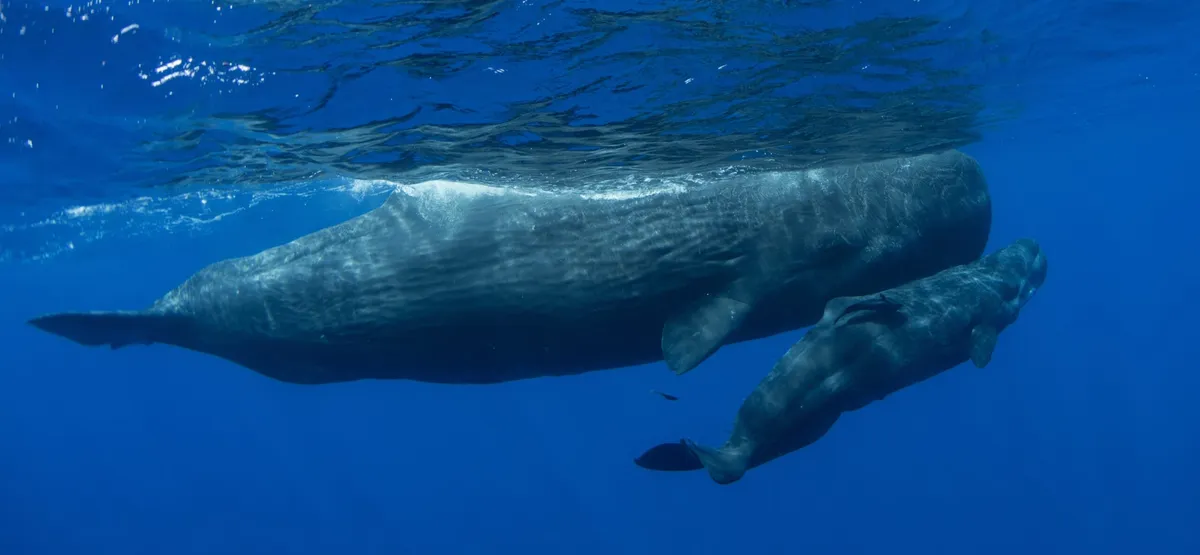
Sometimes, the biggest breakthroughs come from simply listening more closely. This week, researchers cracked a 100-year mystery about why rubber is so strong, pinpointing the microscopic particles responsible for its unique resilience. It’s a bit like finally understanding the secret handshake of a molecule. Meanwhile, across the oceans, scientists are tuning into another complex language: sperm whales are chatting like humans, using an elaborate code of clicks to communicate. And, in a feat of biological engineering, a gene therapy just gave deaf patients a chance to hear a whisper, restoring a sense many thought was permanently lost. What connects these disparate discoveries is the relentless human drive to decode the world around us, whether it's the structure of a polymer or the nuanced communication of a cetacean. If you've ever felt a quiet satisfaction in solving a puzzle, you understand the energy behind these leaps.
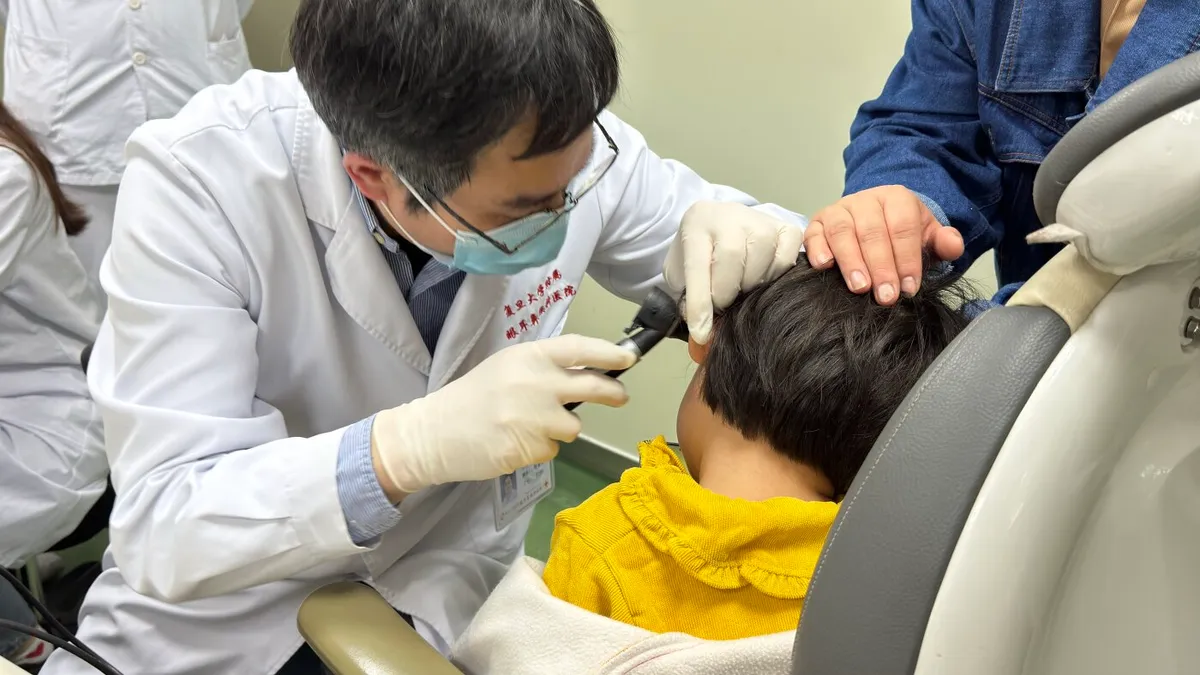
"Researchers say a gene therapy allowed deaf children and adults as old as 32 to hear for the first time. The benefits have persisted for more than two years for some patients." — Read the full story
Wait—What is Brightcast?We're a new kind of news feed.
Regular news is designed to drain you. We're a non-profit built to restore you. Every story we publish is scored for impact, progress, and hope.
Start Your News Detox
The Path Less Traveled, Now Mapped
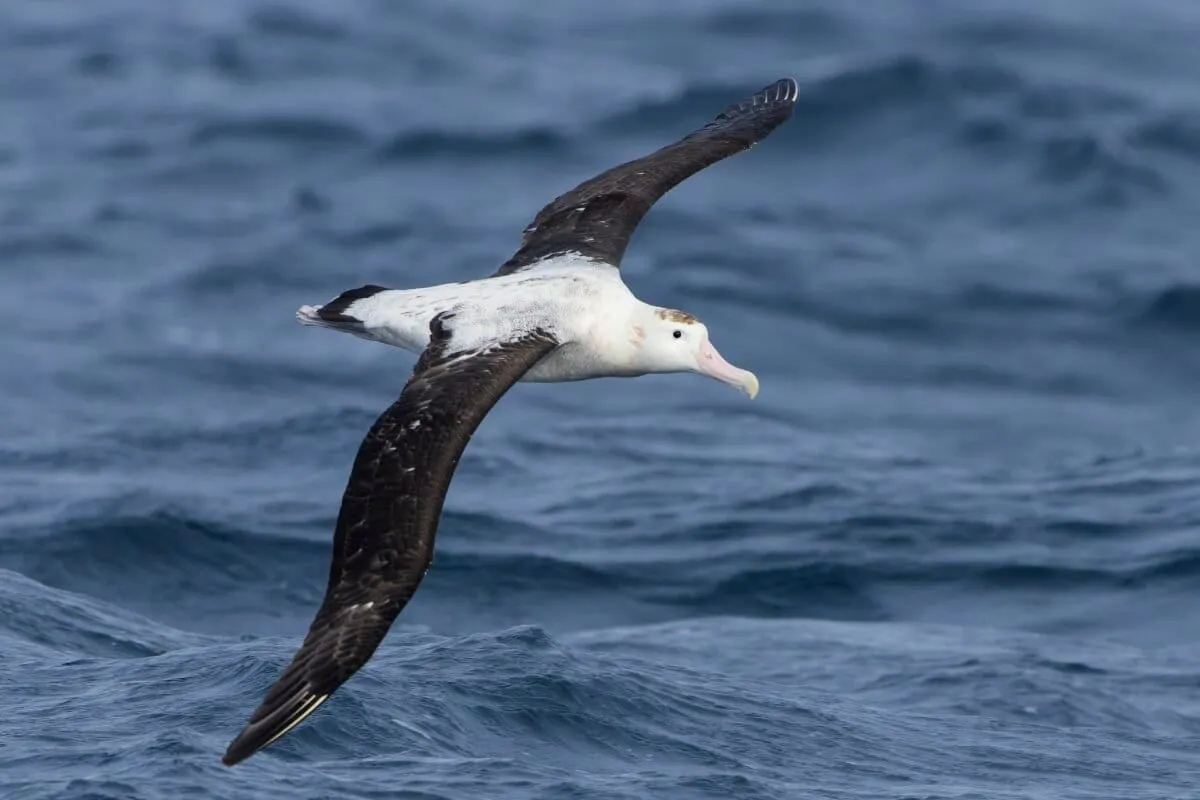
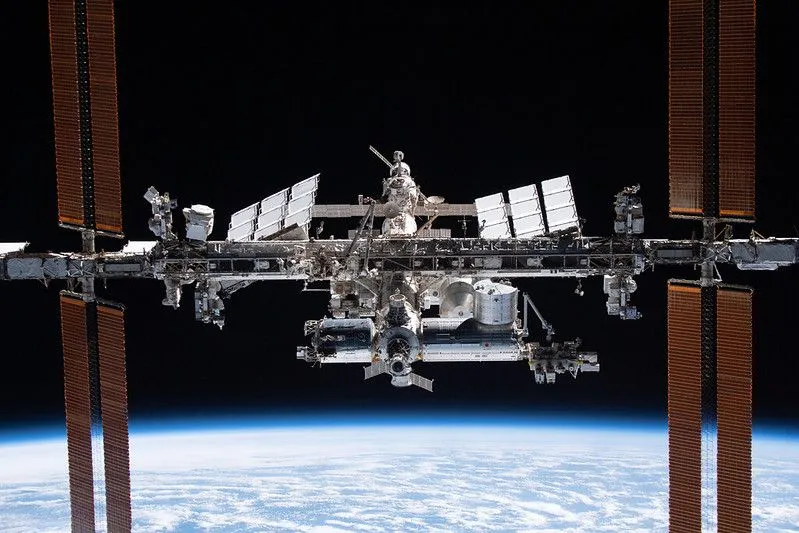
While some were decoding hidden languages, others were busy mapping the pathways that connect us all – human, animal, and even abstract concept. For migratory seabirds, the world just got a little safer as seabirds are getting their own superhighways with the formal recognition of six marine flyways by the U.N. It's a pragmatic acknowledgment that these creatures need protected routes, much like we protect terrestrial wildlife corridors. On a more human scale, it turns out that even astronauts, after months among the stars, can't shake Earth's gravity, their brains still mapping movements to a home they've temporarily left behind. And for those of us on solid ground, a new study confirms what dog owners instinctively know: playing more with your dog creates a deeper bond. All these stories underscore that whether we're talking about birds, astronauts, or our four-legged friends, understanding and respecting the paths we travel – both physical and emotional – is crucial for well-being. If you've been looking for a reminder that connection is fundamental, this week delivered it.
The Power of Persistent Inquiry
Finally, today served as a testament to the sheer, stubborn power of asking questions and refusing to give up. It's Earth Day, and the stories remind us of the unsung heroes: the activists who keep showing up, often against overwhelming odds, to protect our planet. Their persistence echoes the scientific pursuit of knowledge, like the researchers who cracked the case of lasers that "breathe", resolving a decades-old enigma about light. Or the team at UC San Diego who leveraged a supercomputer to give grid batteries a major upgrade. The message is clear: whether it's preserving a coastline or optimizing energy storage, sustained effort, fueled by curiosity and courage, eventually yields results. If you’ve felt a flicker of hope for the future, know that it’s being fanned by people who simply won’t quit.
Hope stat: 6 — marine flyways formally recognized by the U.N. this week, giving seabirds a better shot at survival.
Watch this space: The continued mapping of marine environments could unlock further protections for migratory species.