This week, it seems the universe decided to pull out all the stops, serving up a fresh batch of cosmic oddities and scientific breakthroughs that made us question everything we thought we knew. Meanwhile, down here on Earth, humanity quietly proved it might not be quite the collection of selfish jerks we sometimes suspect. It was a week where the very fabric of reality got a little more pliable, and our collective hearts expanded just a bit.
The Cosmos Is Not Playing By Your Rules
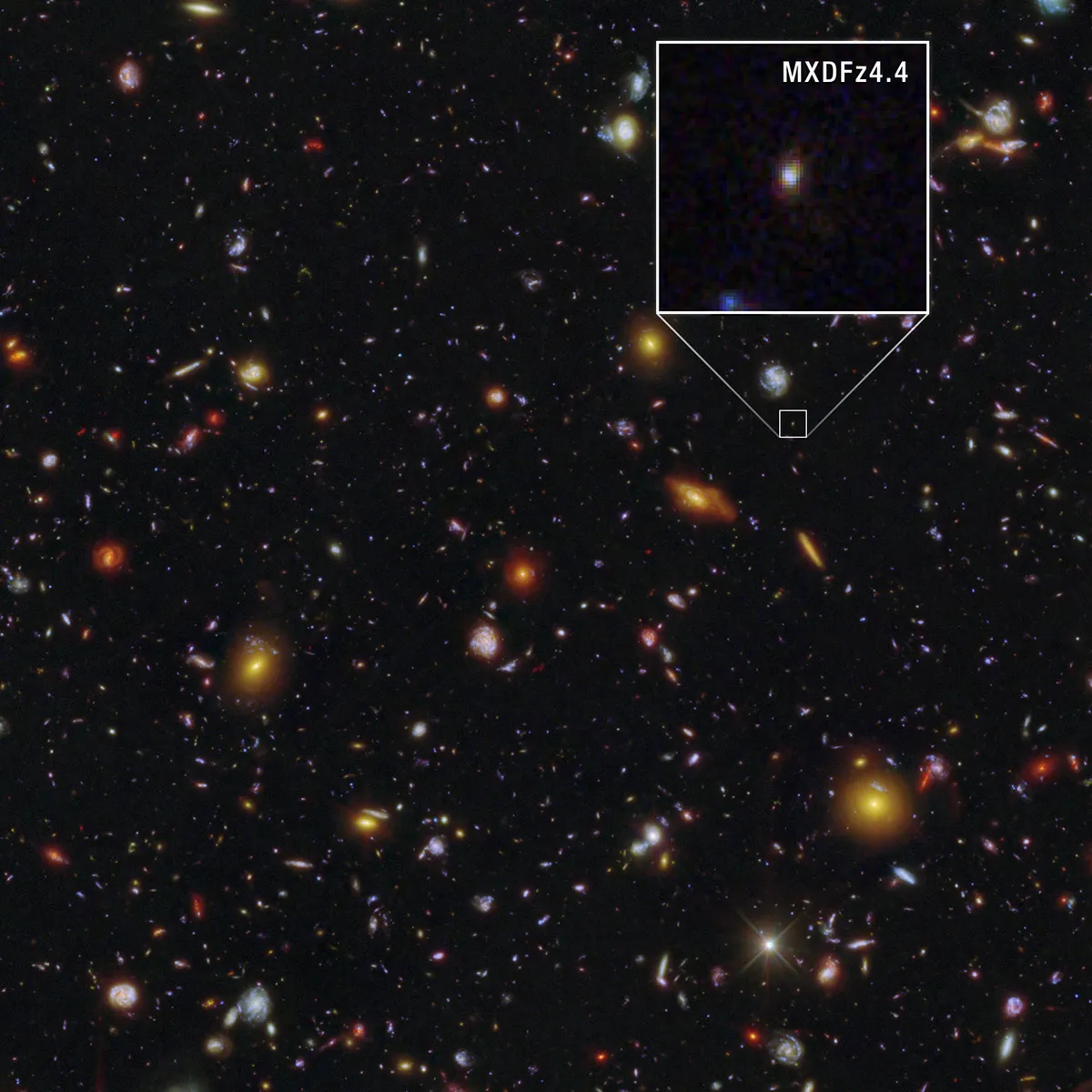
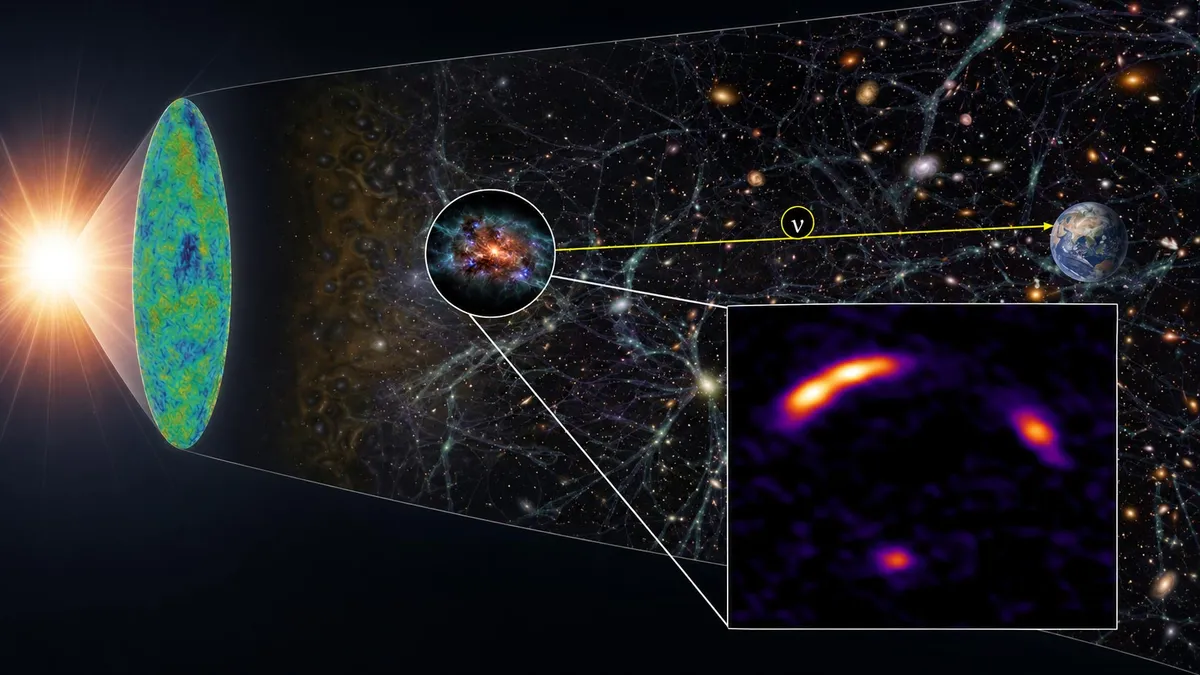
If you thought you had a handle on the universe, this week probably disabused you of that notion. NASA’s Perseverance rover, not content with merely exploring Mars, ran a marathon on the Red Planet, with HiRISE snapping a photo to prove it. Meanwhile, the European Space Agency’s Euclid telescope dazzled us with a photo of over 60 million stars, a mere warm-up act for its dark matter hunt. And as if that wasn't enough, astronomers discovered two 'super-puff' planets less dense than cotton candy. Cotton candy! It’s enough to make you wonder if the universe is just showing off.
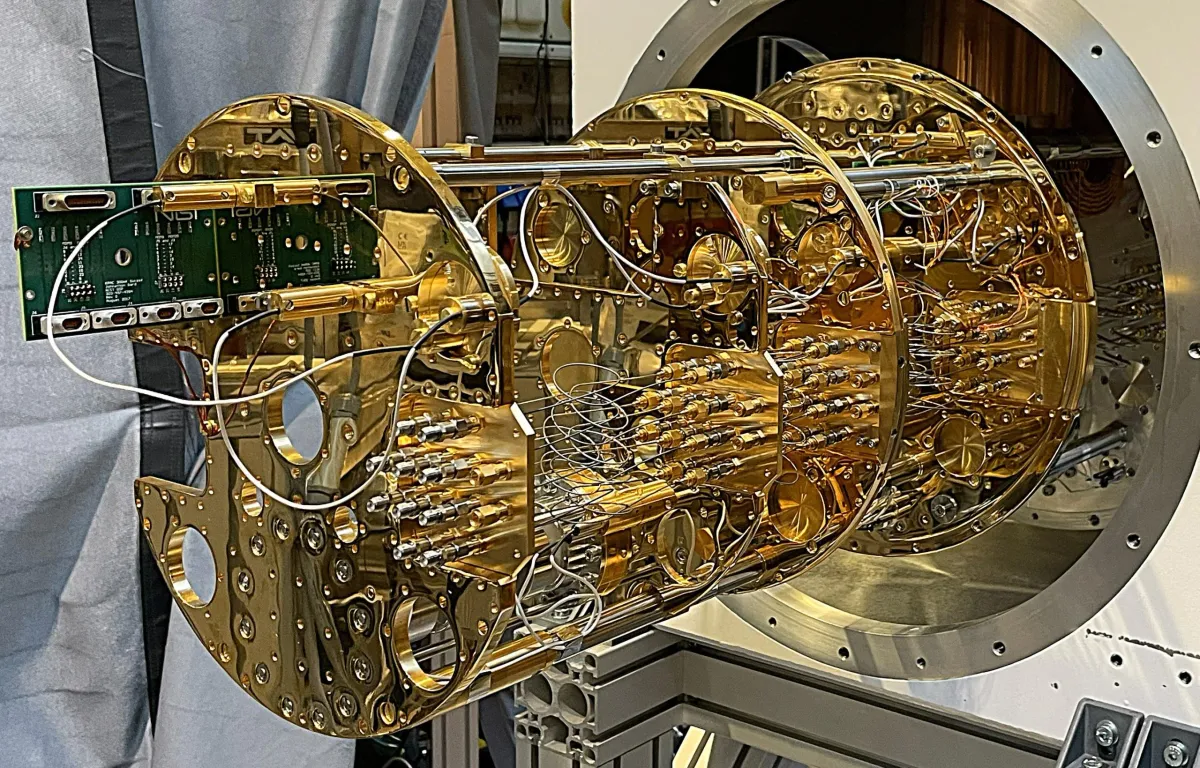
But the real head-spinners came from the quantum realm. Scientists at NASA’s Cold Atom Lab on the ISS are creating one of the weirdest forms of matter in space, pushing the boundaries of quantum research. And then there's the truly mind-bending: researchers found a way to make quantum time flow backwards. If you've ever wanted a do-over, quantum mechanics might be your ticket. What this means for you: The universe is far stranger, and more full of possibility, than we can possibly imagine, which is a surprisingly comforting thought when things on Earth feel a bit mundane.
We're a new kind of news feed.
Regular news is designed to drain you. We're a non-profit built to restore you. Every story we publish is scored for impact, progress, and hope.
Start Your News Detox"The world’s mangrove forests, critical coastal ecosystems feared to be on the brink of collapse, are making an unexpected recovery overall..." — Read the full story
Science Is Just Showing Off
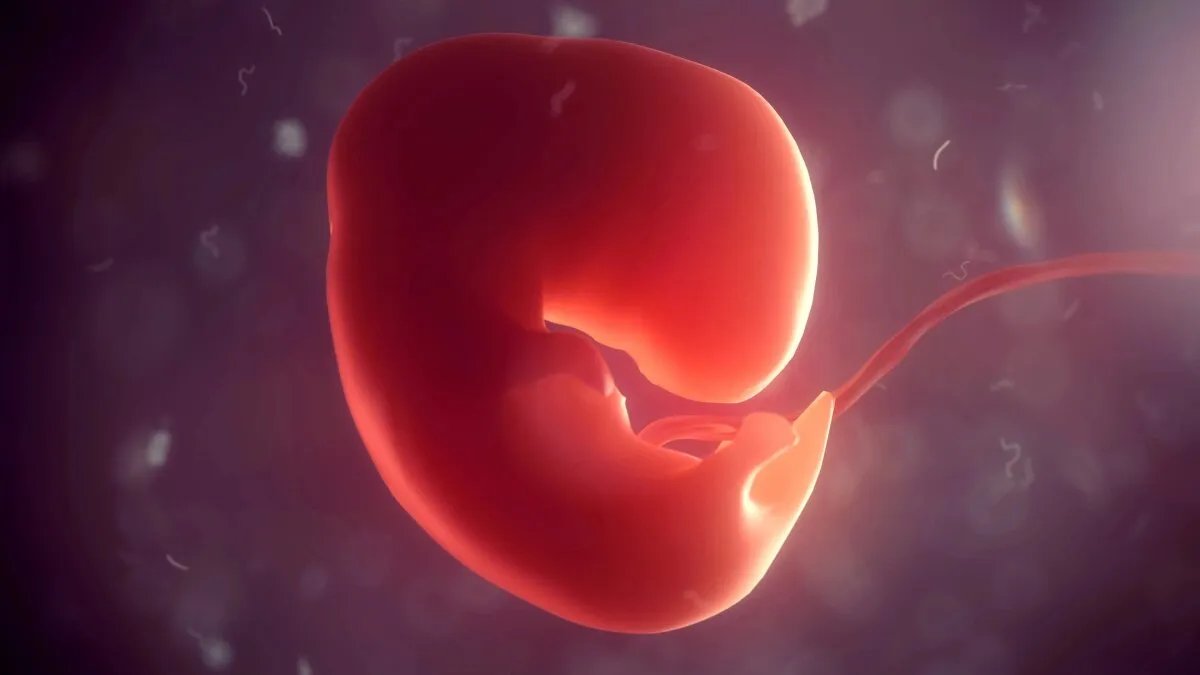
While the cosmos was busy being peculiar, scientists here on Earth were busy defying decades-old limitations. For 30 years, a temperature barrier in superconductivity research held firm. This week, researchers broke that 30-year superconductor record, achieving superconductivity at a balmy 190 degrees Fahrenheit. No longer needing cryogenic conditions, this opens doors for everything from lossless power grids to faster computing. Meanwhile, in a move that feels straight out of science fiction, Chinese researchers grew mini-organs from a lab-made embryo model, a significant step towards cultivating organs for transplant. And speaking of tiny marvels, other researchers developed microrobots that deliver stem cells to fix severed spinal cords, offering hope for devastating injuries. What this means for you: The impossible is becoming merely improbable, and medical breakthroughs that once seemed decades away are now firmly on the horizon.
Humanity, You're Not So Bad After All
Perhaps the most surprising news of the week wasn't from the stars or the lab, but from within ourselves. A study of 100,000 people across 125 countries found that 69% of participants chose to cooperate with a stranger, even when it meant a personal financial loss. So much for Homo Economicus. And if that wasn't enough to warm your cynical heart, Snapchat CEO Evan Spiegel and his wife Miranda Kerr just erased half a billion in medical debt for 261,000 Californians. Not to be outdone, tech giants like Stripe, Anthropic, and OpenAI dropped half a billion to kill your next cold by backing a new nonprofit aimed at eliminating respiratory viruses entirely. What this means for you: When given the chance, people tend to do the right thing, and sometimes, the very wealthy decide to put their money where our collective health is.
Hope stat: 69% — the proportion of people who chose cooperation over personal gain in a global study.
Watch this space: Keep an eye on those quantum time experiments — who knows what they'll rewind next.