Today, we saw a distinct pattern: the quiet, often overlooked work of building stability, whether it's in a quantum computer, a community's infrastructure, or even the subtle mechanics of a human connection. It turns out, the world isn't just seeking breakthroughs; it's also reinforcing its foundations.
The Unsung Heroes of Resilience
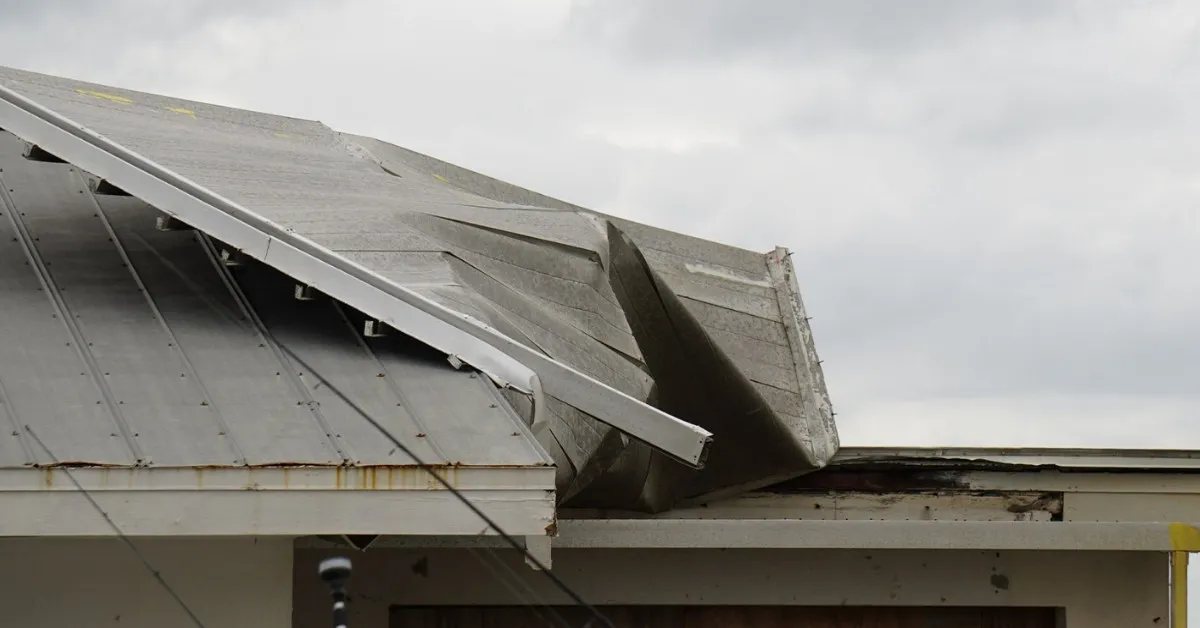
Sometimes, the most impressive progress isn't about inventing something entirely new, but about making the existing world a little more robust. Take Alabama, for instance. After the devastation of Hurricanes Ivan and Katrina in 2005, the state didn't just rebuild; it prepared. Former Department of Insurance commissioner Jim Ridling spearheaded an initiative to hurricane-prep 53,000 roofs. When a hurricane finally hit again, those homes stood a much better chance. It's a testament to long-term thinking over short-term fixes, a quiet kind of heroism that prevents future heartbreak. Similarly, in the health world, a new toothpaste just declared war on gum disease not by scorched-earth tactics, but by precisely targeting only the bad bacteria, preserving the mouth's natural defenses. This isn't about flashy cures; it's about intelligent, sustainable resilience. What this means for you: If you've felt like the world is constantly patching up holes, today's news offers a refreshing counter-narrative of proactive, targeted strengthening.
"In 2005, after Hurricanes Ivan and Katrina devastated the state, then-Alabama Department of Insurance commissioner Jim Ridling was surveying storm damage when a thought dawned on him. Realizing that the storms would come no matter what, he aimed to make roofs stronger — and safer — to weather future" — Read the full story
Wait—What is Brightcast?We're a new kind of news feed.
Regular news is designed to drain you. We're a non-profit built to restore you. Every story we publish is scored for impact, progress, and hope.
Start Your News Detox
From Atoms to Empathy: The Power of Precision
Precision, it seems, is the new superpower. In quantum computing, the very frontier of technology, researchers at Chalmers University of Technology in Sweden are theorizing how 'giant superatoms' could finally solve quantum computing's biggest problem: instability. By creating a system that intrinsically resists errors, they're building a more reliable foundation for the next generation of computing. Meanwhile, in the infinitely more human realm, researchers are discovering that even something as seemingly trivial as small talk is probably more enjoyable than we think. This insight, while not a technological marvel, points to a subtle but powerful precision in our social interactions, revealing hidden enjoyment in connections we often dismiss. And speaking of hidden, scientists are also uncovering the brain's secret weapon against pain-induced depression, naming the brain changes that link pain to depression. Each of these stories, from the subatomic to the social, highlights the profound impact of understanding and manipulating the precise mechanisms at play. What this means for you: The future isn't just about bigger or faster; it's about smarter, more targeted interventions that deliver meaningful stability and understanding.
The Unexpected Ecosystems of Progress
Sometimes, progress emerges from the most unlikely of partnerships. Who would think that a tiger could help send a child to school? Yet, a conservation scientist explained how one tiger can help send a child to school in rural Bengal. This isn't about direct charity; it's about the intricate ecological and economic ripple effects of successful conservation, creating a stable environment where communities can thrive. This theme of interconnectedness also appeared in a novel approach to lung cancer, where tiny fat particles are tackling both cancer and its brutal side effect simultaneously. It's a dual-action solution, recognizing that complex problems often require integrated answers. What this means for you: When you look for solutions, don't just solve the obvious problem; look for the hidden connections and unexpected allies that can create a more holistic and lasting impact.
Hope stat: 53,000 — homes in Alabama that were hurricane-proofed, proving proactive resilience saves more than just roofs.
Watch this space: The continued push for systemic stability in everything from quantum computing to community infrastructure will likely yield increasingly robust solutions.