This week, it seems science decided to show off. From the infinitesimally small — like a newly discovered brain protein that dictates aging, or magnetic structures finally observed after decades of theory — to the impossibly vast, like a Saturn-sized planet with Earth-like temperatures, researchers were busy pulling back the curtain on existence. It’s enough to make you feel like the universe is finally starting to give up its secrets.
The Fundamental Forces Are Getting a Rewrite
Remember those textbooks from high school physics? Well, this week, they got a serious update. Scientists at CERN’s Large Hadron Collider detected strange particle behavior that could rewrite physics by hinting at forces beyond the Standard Model. It’s like finding a secret room in a house you thought you knew inside and out. Meanwhile, the universe's brightest explosions, superluminous supernovae, finally had their power source revealed. NASA’s Fermi telescope confirmed that rapidly spinning magnetars are behind these monster supernovae, solving a cosmic mystery that’s been baffling astrophysicists.
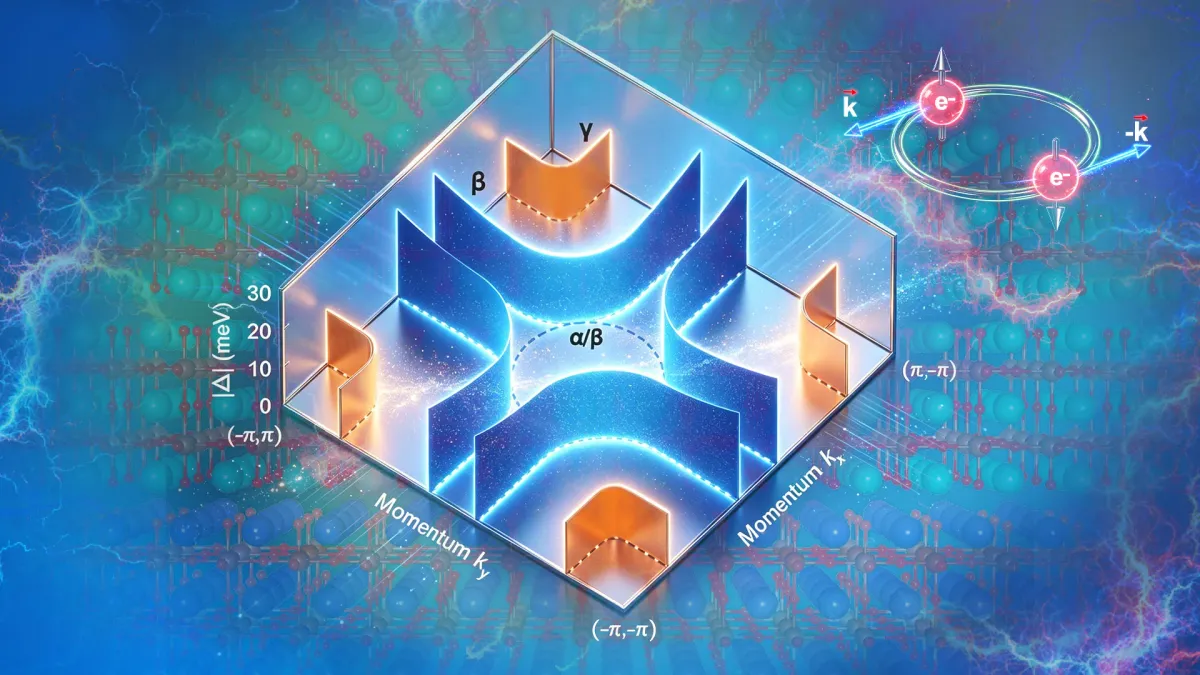
Then, in a feat of fundamental material science, an international team finally proved a 3D magnetic mystery existed, experimentally observing magnetic hopfions — 3D structures where electron spins form closed, linked loops. Imagine discovering a new knot in the fabric of reality. These breakthroughs aren't just for scientists in labs; they reshape our understanding of everything, from the smallest particles to the largest cosmic events. If you've ever wondered how the universe works, this week offered some profound new answers.
We're a new kind of news feed.
Regular news is designed to drain you. We're a non-profit built to restore you. Every story we publish is scored for impact, progress, and hope.
Start Your News Detox"The 68 gigawatts in solar capacity was a 49% increase from the previous export record." — Read the full story
Tiny Tech, Big Leaps
While the universe was busy getting weirder, our tech capabilities were busy getting smaller and more powerful. The race to make computing faster and more efficient saw some significant wins. Researchers at the University of Vienna discovered magnons with incredibly long lifespans, meaning quantum computers could shrink to the size of a penny. Yes, a penny. It’s the kind of breakthrough that makes your smartphone feel positively ancient.
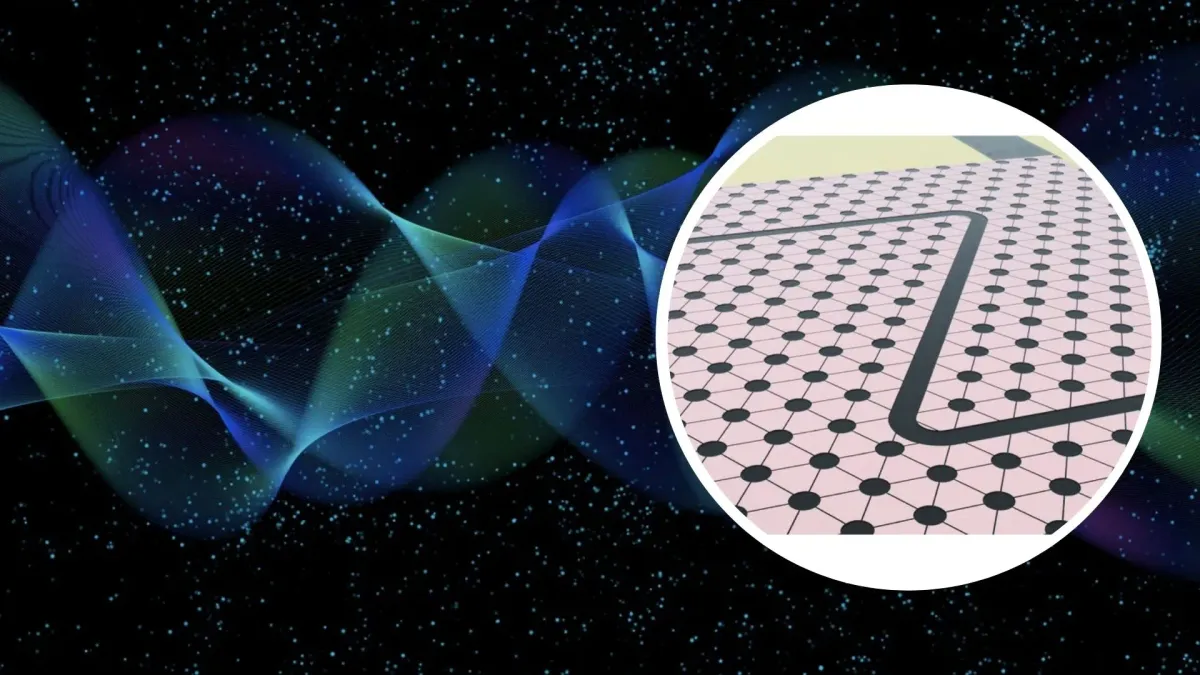
Not to be outdone, a new process using ultra-thin silicon membranes means Moore's Law just got a skyscraper upgrade, allowing chips to stack circuits in multiple layers. This isn't just about faster phones; it’s about enabling AI, advanced simulations, and solving problems that require immense processing power. And for energy efficiency, a team invented a new way to guide spin waves along a Z-shaped path that makes computers 5,000x more efficient. Imagine the impact on everything from data centers to your next laptop. These developments mean that the digital future we’ve been promised is arriving faster, and with far less energy drain than we anticipated. 
Life, Health, and the Fountain of Youth (Sort Of)
It wasn't all quantum particles and cosmic explosions; some of the most compelling discoveries hit much closer to home. Scientists found a brain protein that basically controls your aging. Declining levels of Menin in mice triggered inflammation and memory issues, and restoring it reversed several aging effects. It’s not quite a magic pill, but it's a profound insight into the mechanics of aging itself. If you've been anxious about the future of healthy aging, this week just changed the conversation.
On the medical front, a new DNA test could spare millions of cancer patients from chemo, offering a targeted approach to treatment that reduces unnecessary hardship. And for those living with Multiple Sclerosis, a doctoral thesis from the University of Helsinki reported two drug molecules that achieved myelin repair in MS disease models. These aren't just incremental improvements; they're the kind of fundamental shifts that could redefine how we approach some of the most challenging health conditions. 
"A newly identified brain protein may play a major role in how the body ages. Researchers discovered that declining levels of Menin in the hypothalamus triggered inflammation, memory problems, bone loss, and other aging-related changes in mice." — Read the full story
Hope stat: 49% — the increase in China's solar component exports in March 2026, setting a new record.
Watch this space: The continued advancements in quantum computing and material science, as researchers push the boundaries of what's possible at the atomic level.