July arrived with a quiet hum, then promptly blew the doors off our understanding of… well, pretty much everything. From the outer reaches of the cosmos to the inner workings of our cells, this month presented a masterclass in scientific re-evaluation. It seems many of the assumptions we've been operating under — about planets, black holes, even our own vision — were ripe for an update. The universe, it turns out, is far more surprising, and often more resilient, than we give it credit for.
The Cosmos: A Series of Shocking Revisions
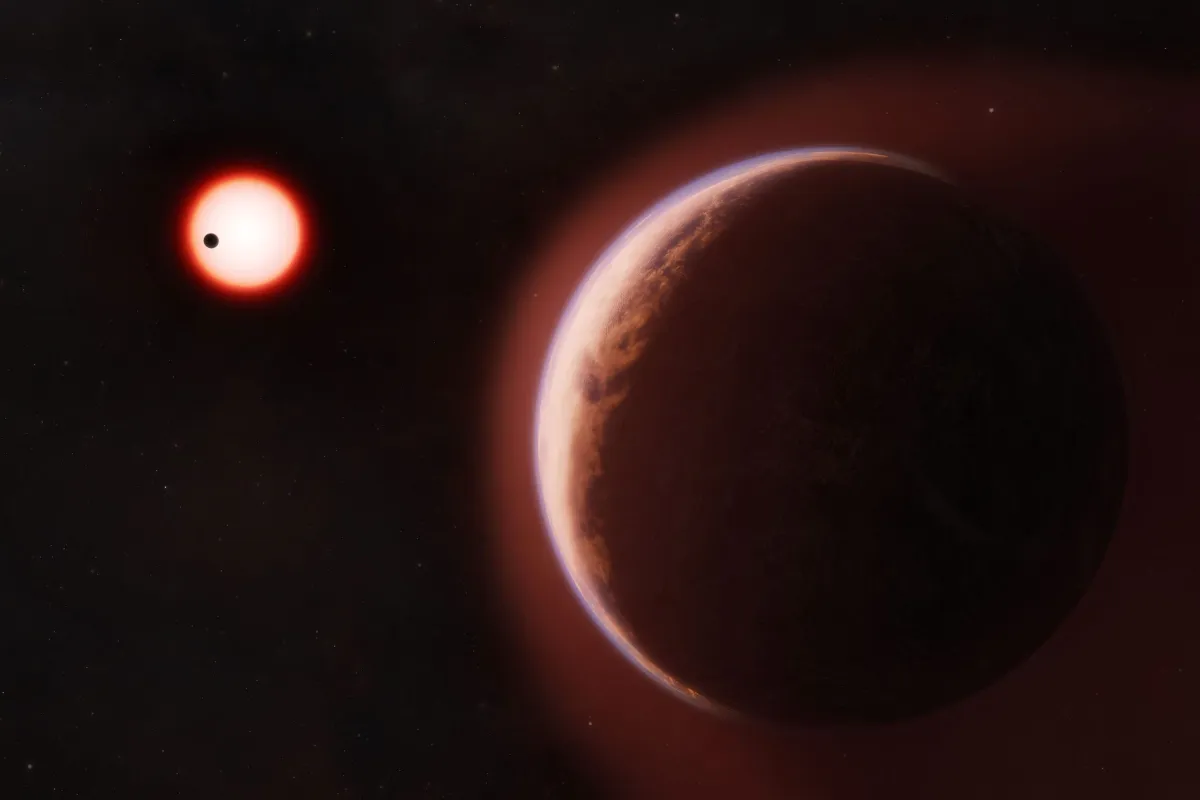
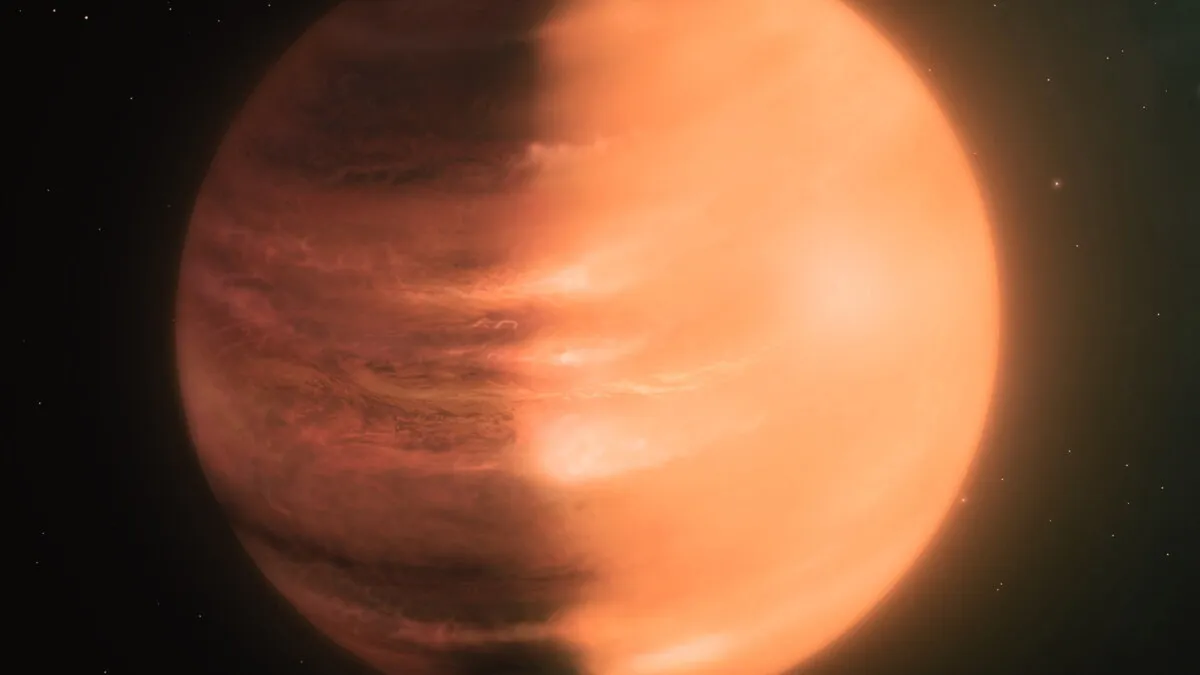
For decades, astronomers have been sifting through the galactic dust, trying to pin down the elusive nature of exoplanets and black holes. This month, they didn't just find answers; they found reasons to tear up the old textbooks. Imagine, for a moment, a distant rocky world, keeping its atmosphere for three billion years. This isn't just a fun fact; it's a massive shift in how we think about the longevity of potentially habitable planets. We’ve always assumed atmospheres were fragile, ephemeral things, especially on smaller worlds. This discovery suggests a tenacity we hadn't accounted for, making the search for extraterrestrial life a decidedly more hopeful endeavor.
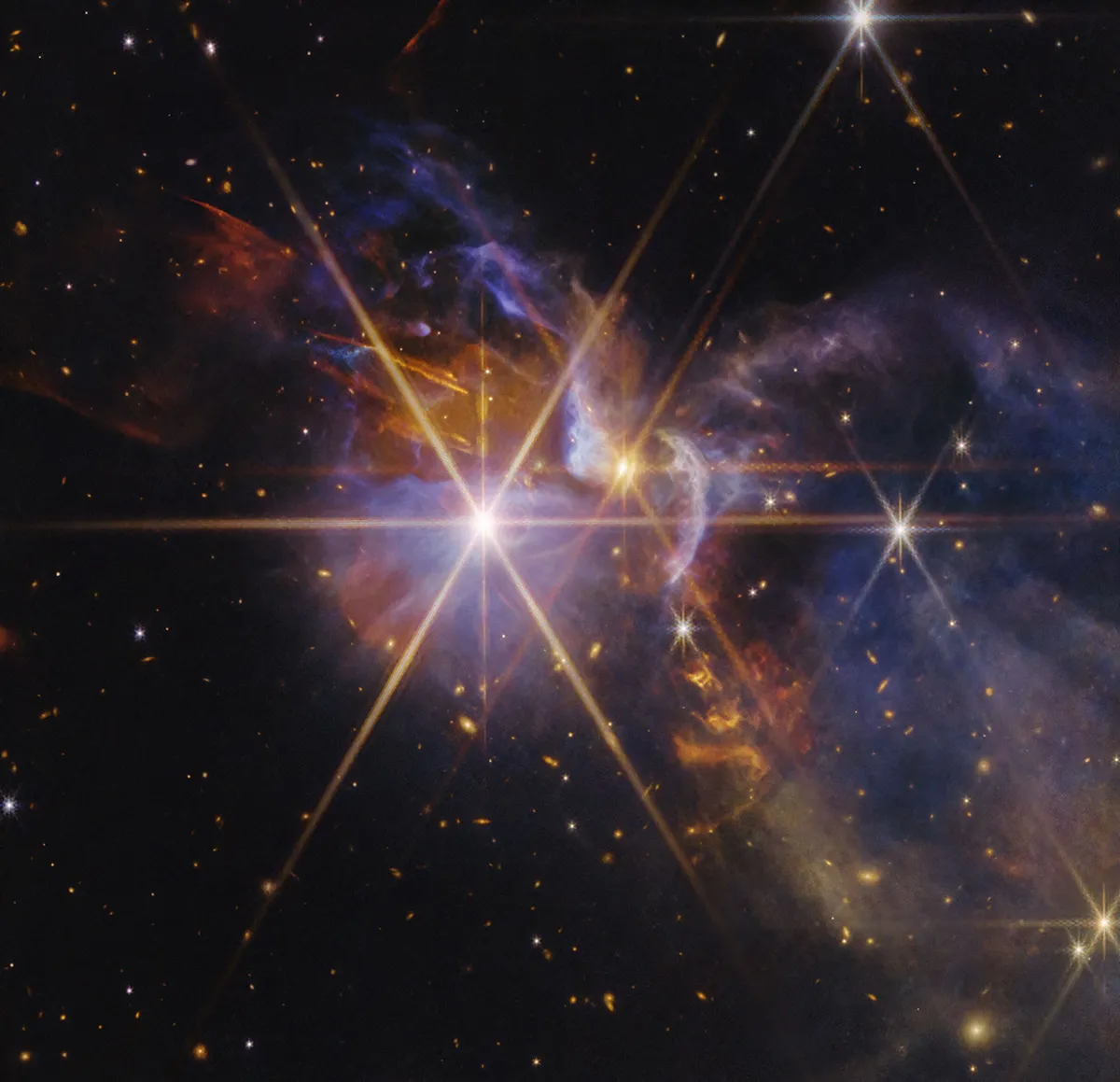
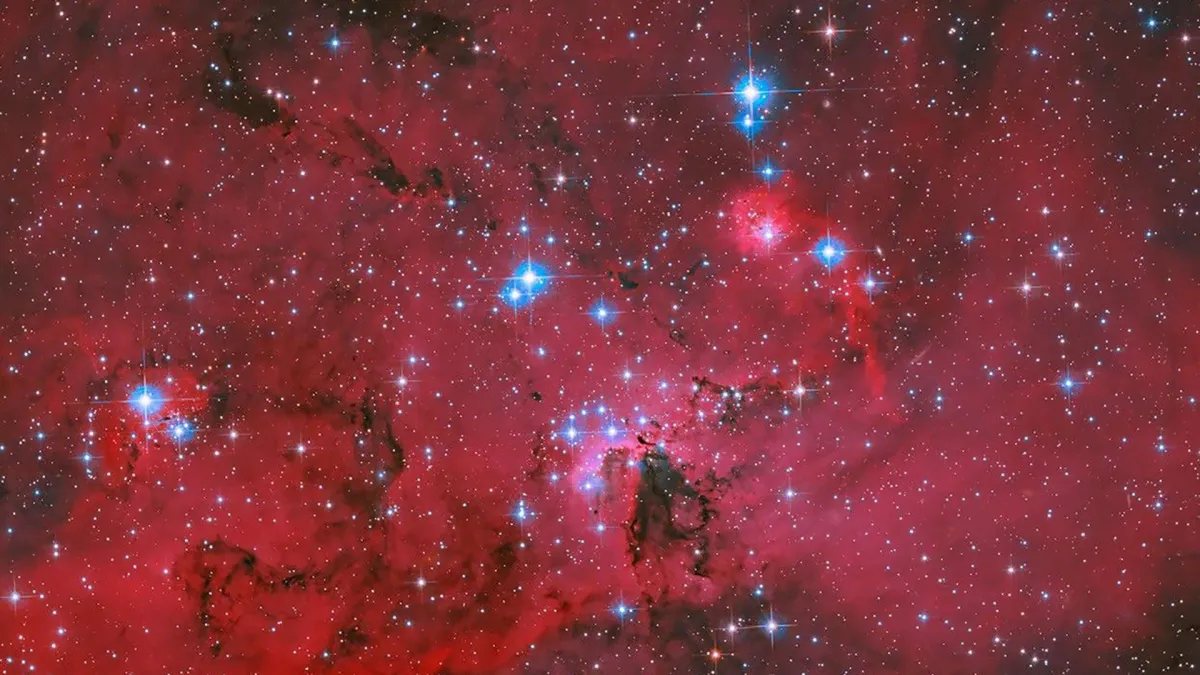
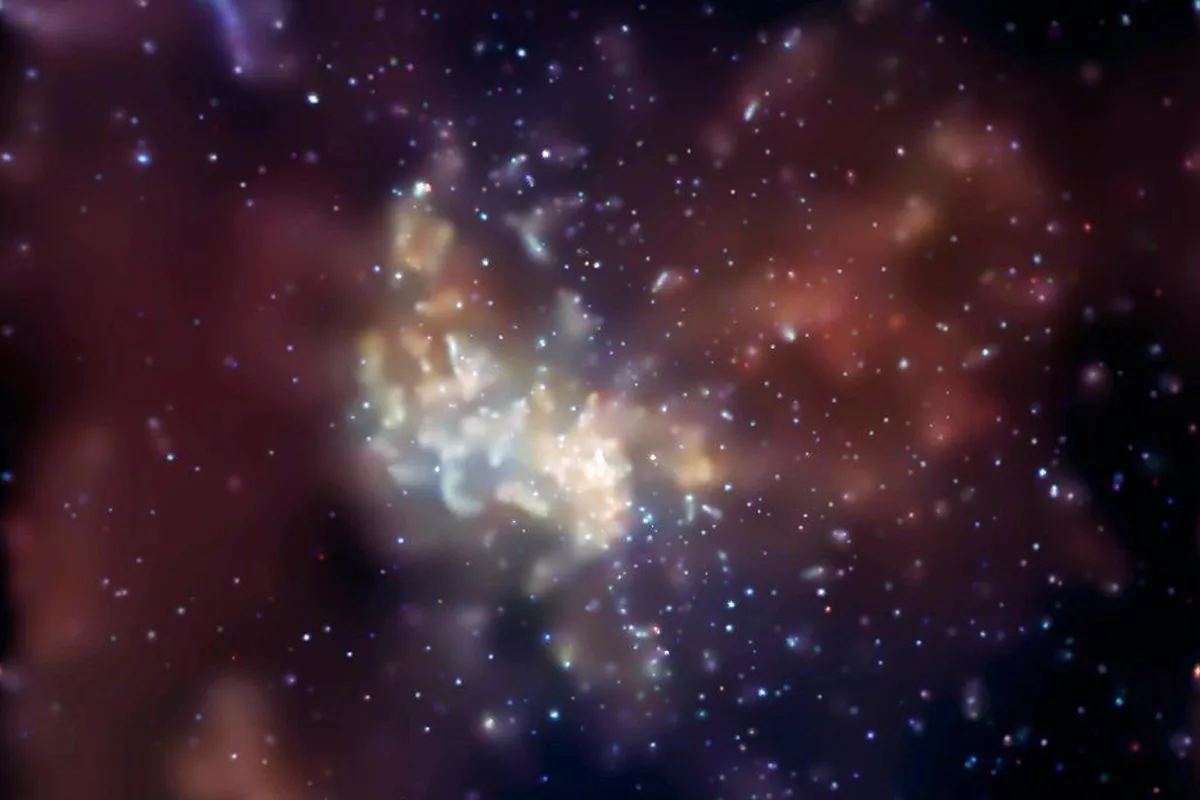
Meanwhile, the James Webb Space Telescope continued its stellar run, peeking through cosmic dust to find baby stars throwing glorious tantrums. These aren't just pretty pictures; they're revealing how stars truly form, pulling in gas and dust for millions of years longer than previously thought. And if that wasn't enough to shake up your understanding of the universe, consider this: our galaxy's supermassive black hole isn't the cosmic shredder we imagined. New observations show it’s not consuming nearby dust objects as previously thought. It’s a bit like finding out the big, scary monster under your bed just wants to be left alone. These aren't minor tweaks; they're fundamental recalibrations. If you’ve ever felt like the universe was too vast and indifferent to ever truly grasp, this month offered a thrilling counter-argument: the more we look, the more we learn, and the more nuanced the picture becomes.
We're a new kind of news feed.
Regular news is designed to drain you. We're a non-profit built to restore you. Every story we publish is scored for impact, progress, and hope.
Start Your News Detox"A faint stream of helium escaping from a distant rocky world has revealed something astronomers had never clearly detected before: an atmosphere around an Earth-like planet in another star’s habitable..." — Read the full story
Health: Faster, Smarter, and Less Invasive
When it comes to human health, the enemy is often time. Whether it’s the ticking clock on an organ donation or the agonizing wait for a cancer diagnosis, every minute counts. This month, researchers delivered some genuinely ingenious solutions to speed things up, reduce invasiveness, and generally make life a little easier for patients and doctors alike.
Take organ donation, for instance. Around one in three donated kidneys are discarded because they degrade too quickly. But now, researchers have built a device that allows scientists to store kidneys for days, not just hours. This single innovation could save countless lives by vastly expanding the window for transplantation. On the diagnostic front, the painful, anxious wait for an oral cancer biopsy might soon be a thing of the past. Scientists trialed a painless brush test that delivers results in just 60 minutes with an impressive 95.5% accuracy. Meanwhile, for the broader fight against viral threats, Simon Fraser University researchers found a light-speed way to hunt down new antivirals, slashing years off the drug discovery process. These advancements aren't just incremental; they're foundational shifts that promise to transform patient care and public health, proving that ingenuity can, quite literally, buy us more time.

Connectivity: From Wildlife Crossings to Community Science
Sometimes, progress isn't about grand scientific breakthroughs, but about simply connecting things that should never have been separated. This month, we saw powerful examples of reconnection, both for the natural world and for the human spirit. The fragmentation of wildlife habitats by roads has been a long-standing environmental challenge, but the trend is shifting. Globally, we're seeing a growing popularity of wildlife crossings, literally building bridges (and underpasses) to allow animals to safely navigate landscapes altered by human development. This is a quiet, steady victory for biodiversity, showing that we can, and are, learning to live alongside nature rather than constantly encroaching upon it.
On the human front, the power of collective effort reached a staggering milestone: NASA's Zooniverse platform, which coordinates online citizen science projects, hit one billion classifications contributed by volunteers. That’s a billion clicks, a billion observations, a billion tiny acts of scientific contribution from people around the world, helping astronomers classify galaxies, map distant worlds, and analyze data that would overwhelm professional scientists. It’s a testament to the fact that curiosity is a universal language, and when given the tools, ordinary people can achieve extraordinary things. And finally, on a deeply human note, the month reminded us of the enduring promise of connection and refuge. As the Refugee Convention marked its 75th year, we heard the powerful story of a woman who escaped war, swam for her life, and became an Olympian, a testament to the lifeline that international commitments can provide. If you've ever felt isolated, this month's stories are a powerful reminder that connection, whether ecological or communal, is not just possible, but actively being built and celebrated.
"1 billion classifications contributed by volunteers around the world. This milestone is a celebration of the power of citizen science and the incredible dedication of Zooniverse volunteers." — Read the full story
July was a month of revelation, of peeling back layers of perceived certainty to find something far more intricate and often more encouraging underneath. From the unexpected resilience of exoplanet atmospheres to the quiet dedication of a million citizen scientists, it reaffirmed that the answers we seek are out there, waiting for sharper tools, fresh perspectives, and the collective will to find them. The universe remains a mystery, but one that is slowly, surely, yielding its secrets to human ingenuity and collaboration.
Hope stat: 1,000,000,000 — the number of scientific classifications contributed by volunteers on NASA's Zooniverse platform.
Watch this space: Keep an eye on how these new insights into black holes and exoplanet atmospheres continue to reshape astronomical theories and future space missions.