This week, the universe decided to flex. Not in a 'doom is nigh' way, but in a 'you thought you knew, but you didn't' kind of way. From black holes behaving politely to the very fabric of reality getting a rewrite, it seems the cosmos is less interested in our tidy theories and more invested in keeping us on our toes. The good news? We're getting better at listening.
The Cosmos: Less Dramatic Than We Thought
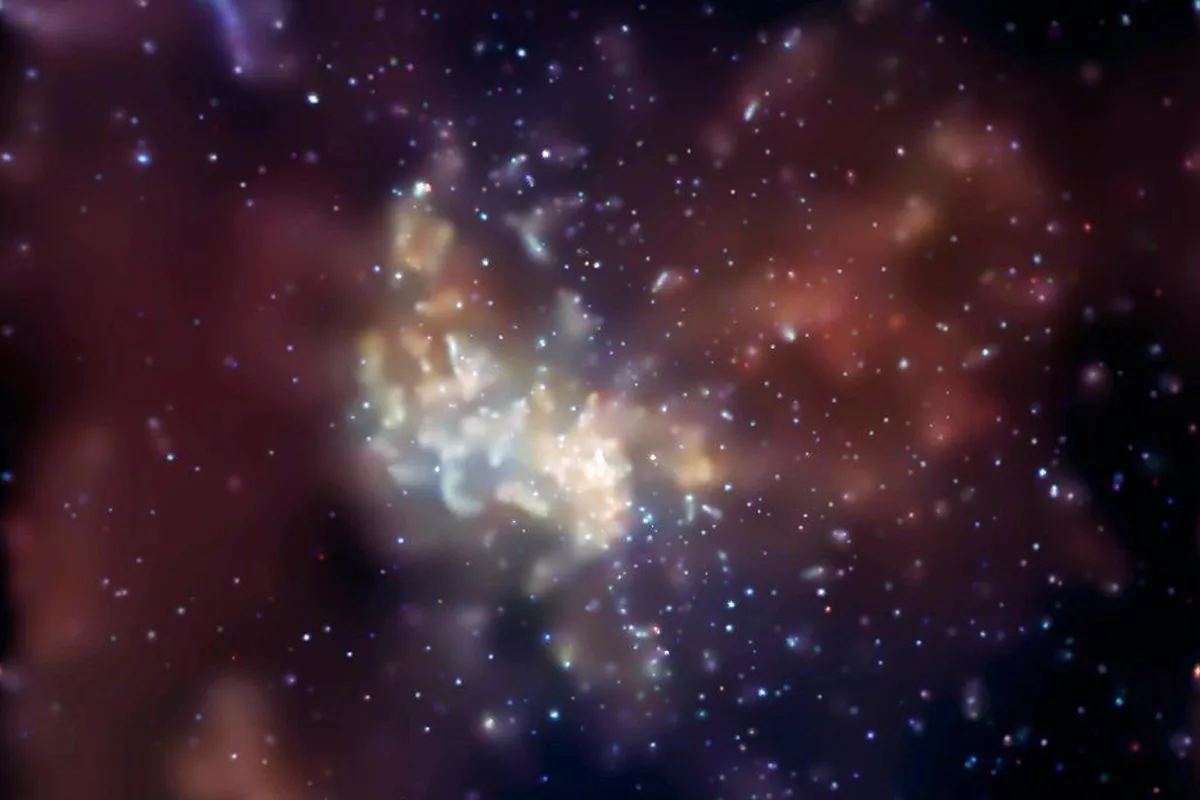
For years, we've pictured our galaxy's supermassive black hole, Sagittarius A*, as a cosmic vacuum cleaner, mercilessly shredding anything that gets too close. Turns out, it's more like a polite diner. New observations reveal that the Milky Way's black hole isn't tearing everything apart as previously theorized. Instead of devouring dust objects, it seems to be… leaving them be. This recalibration of a fundamental cosmic assumption reminds us that even our most established scientific models are just working drafts.
Not to be outdone, physicists also decided to question fundamental assumptions this week. A team engineered a new phase of matter that defies established theory, and another team even suggested that quantum physics might not need imaginary numbers at all. Yes, imaginary numbers are a thing, and apparently, they might be optional. It's a humbling week for certainty, which means it's a great week for discovery. If you've ever felt stuck in your own assumptions, take a cue from the universe: sometimes the biggest breakthroughs come from questioning what you thought you knew.
We're a new kind of news feed.
Regular news is designed to drain you. We're a non-profit built to restore you. Every story we publish is scored for impact, progress, and hope.
Start Your News Detox"The coral had been declared dead in 2019. Five years later, it's not just alive — it's spawning." — Read the full story
Citizen Science: A Billion-Click Milestone
While scientists were busy rewriting cosmic rulebooks, a global army of citizen volunteers hit a truly mind-boggling milestone. NASA announced that volunteers using Zooniverse reached 1 billion classifications. That's a billion clicks, a billion identifications, a billion acts of human curiosity contributing directly to scientific research. From mapping distant galaxies to classifying animal behavior, these aren't just data points — they're collective acts of discovery, powered by anyone with an internet connection and a bit of spare time.
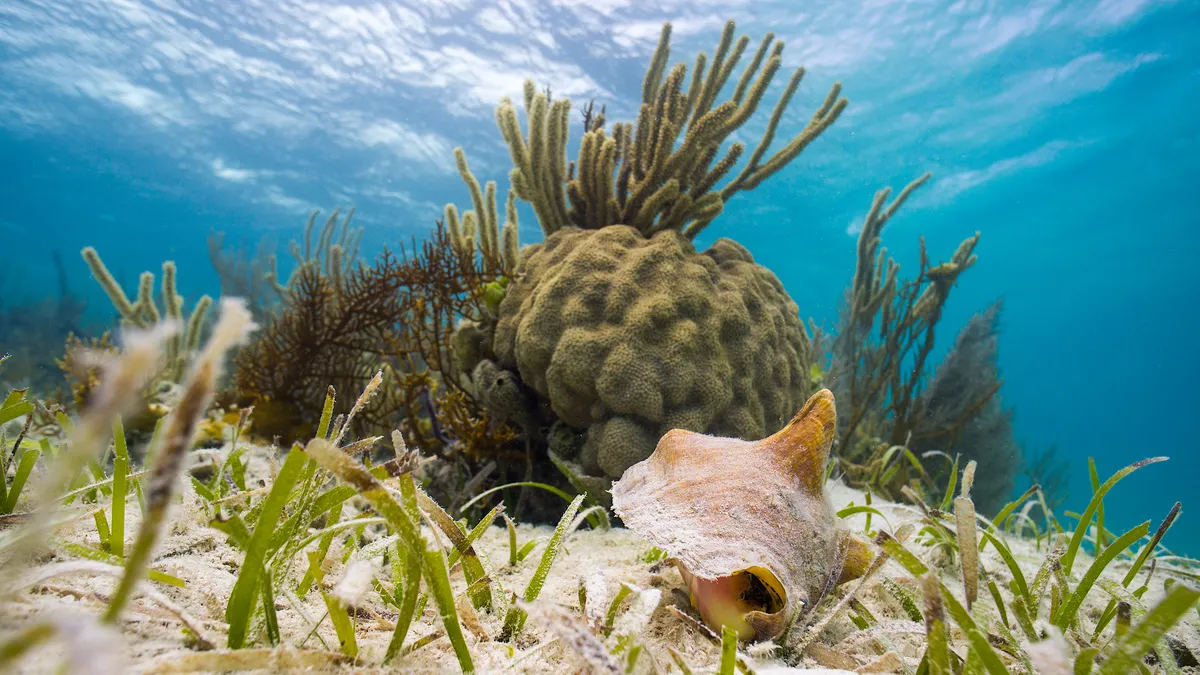
This week also saw scientists using AI to produce the first high-resolution map of global seagrass extent. While AI provided the heavy lifting, the sheer scale of the project, and the implications for conservation, underscores the necessity of both cutting-edge tech and human insight. The lesson here is clear: whether it's a billion clicks or a sophisticated algorithm, collective effort is accelerating our understanding of the planet. Next time you wonder if your small actions make a difference, remember a billion classifications and the unseen work of thousands of volunteers.
From Tiny Pixels to Grand Habitats: The Art of Connection
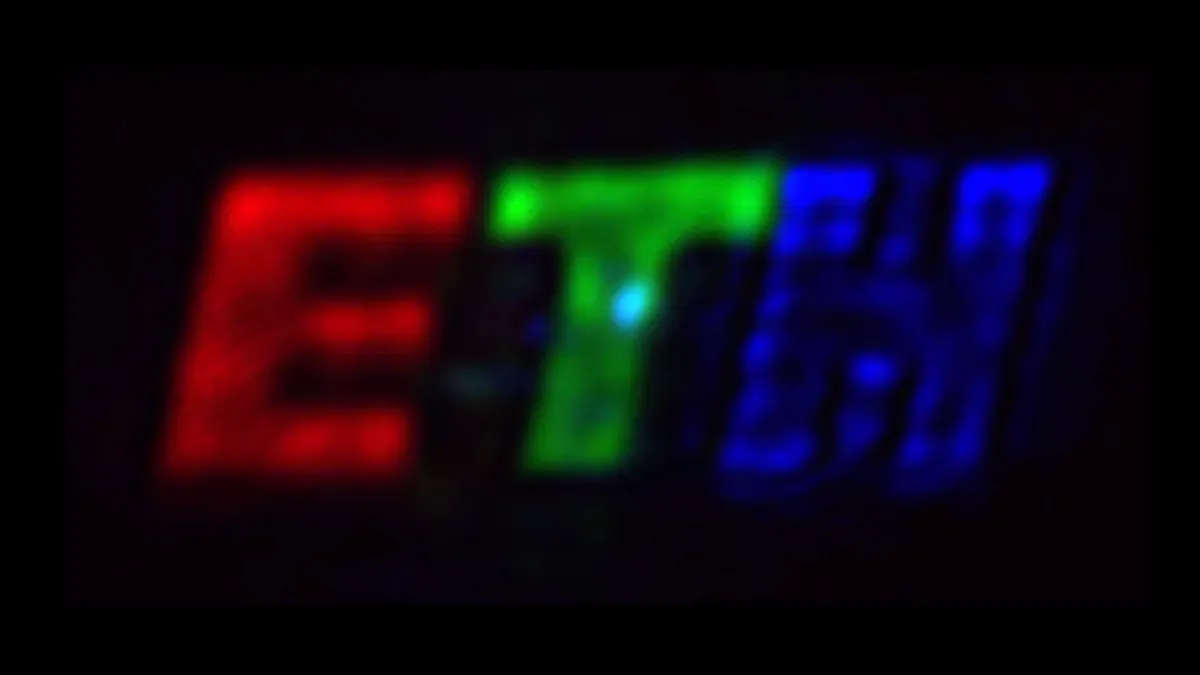
This week offered a masterclass in seeing connections, even where none seemed to exist. Researchers in Switzerland invented a new type of pixel that can both control light (like a screen) and analyze it (like a camera sensor) simultaneously. This isn't just a tech upgrade; it's a fundamental reimagining of how we interact with digital information, blurring the lines between input and output.
Meanwhile, the natural world showed us its own version of connection. The growing global popularity of wildlife crossings is literally reconnecting habitats that roads once fragmented. From giant overpasses to intricate underpasses, these structures are a testament to human ingenuity applied to ecological repair. And in an even more profound act of connection, scientists found that a single bottle of river water can now count every animal nearby using environmental DNA (eDNA). It’s a remarkable shift from painstaking observation to molecular detection, revealing the hidden biodiversity of an entire ecosystem from a few milliliters of water.
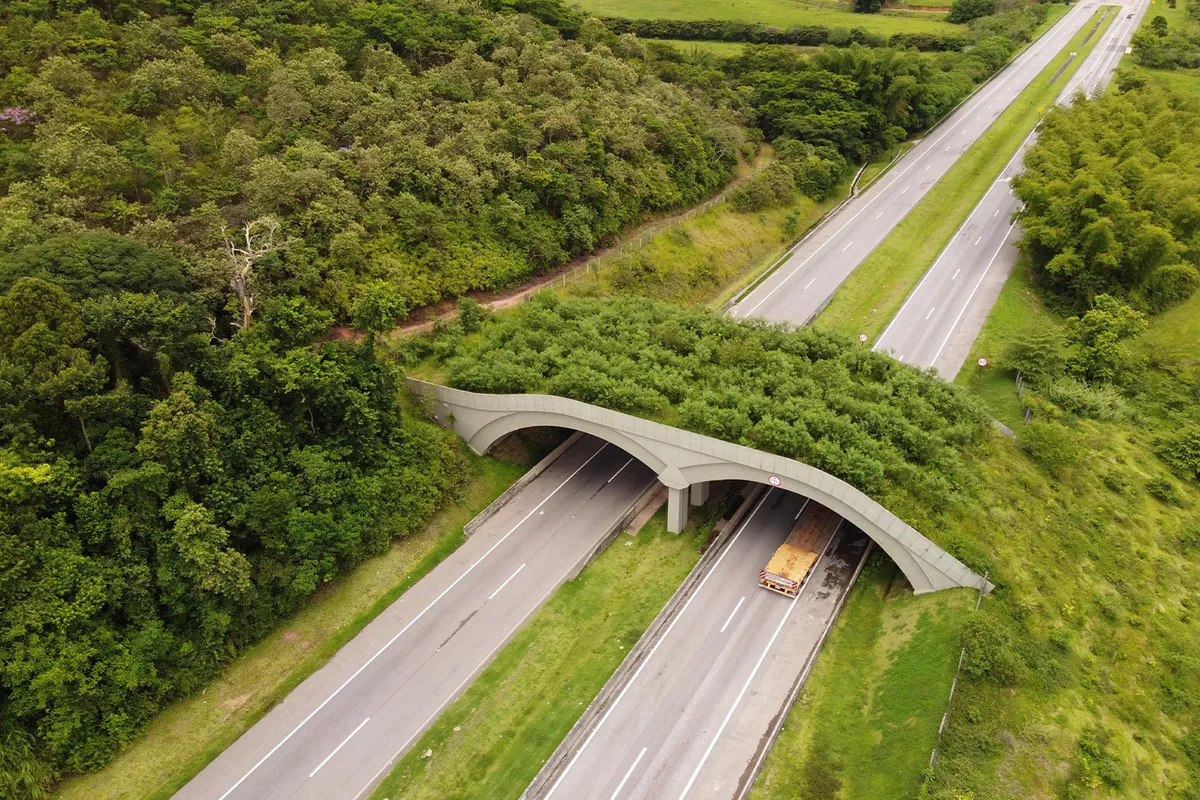
Whether it's a pixel that does double duty, a bridge for a bear, or a DNA strand in a river, this week showed us that the future belongs to those who see the connections, not just the individual parts. When you feel overwhelmed by complexity, look for the elegant solutions that link disparate elements.
Hope stat: 1,000,000,000 — the number of classifications contributed by citizen scientists to NASA projects, proving collective curiosity is a force of nature.
*Watch this space: The continued evolution of AI in environmental mapping, and how these new insights translate into tangible conservation efforts, will be key to watch next.