From capturing carbon to powering devices: A new machine brightens air and homes.
This new device pulls greenhouse gases and pollutants from the air, then generates electricity. It's a battery-like solution, powering small sensors and IoT gadgets.
Every day, people protect what matters. These are their stories.
1146 stories

This new device pulls greenhouse gases and pollutants from the air, then generates electricity. It's a battery-like solution, powering small sensors and IoT gadgets.

Galápagos petrels face a "litany of threats" when they return home to breed. Their population plummeted by the 1980s, leaving only 15,000 individuals of this critically endangered species.

Throw that trash in the river!" This casual command from his grandmother sparked Syazwan Luftan Riady's environmental fight. He witnessed millions in rural East Java dump waste, lacking government services.

A humpback whale, stranded near Germany since March, is finally heading home! A barge carrying the whale reached Danish waters Wednesday, en route to the North Sea.

Six conservationists from South Asia, South America, and Africa just won "Green Oscars" for protecting wildlife from amphibians to lions. The Whitley Awards channel £420,000 to urgent projects.
Join 50,000+ readers who receive our daily digest of the most uplifting stories from around the world.

A rare Javan gibbon, Lima, was born in the U.K., a key breeding center. At 2 months, Lima could return to Java, boosting the endangered species' wild population of under 4,178.

Batabilili" means "protectors" in Tonga, a name chosen by Moreangels Mbizah for guardians in Zimbabwe. They protect both people/livestock from lions, and lions from people—a vital, two-way conservation effort.

Taste honey from Palaui Island, Philippines, and you're likely savoring an endangered tree. Scientists found wild honey collected by Indigenous Agta people came almost exclusively from the endangered narra tree.

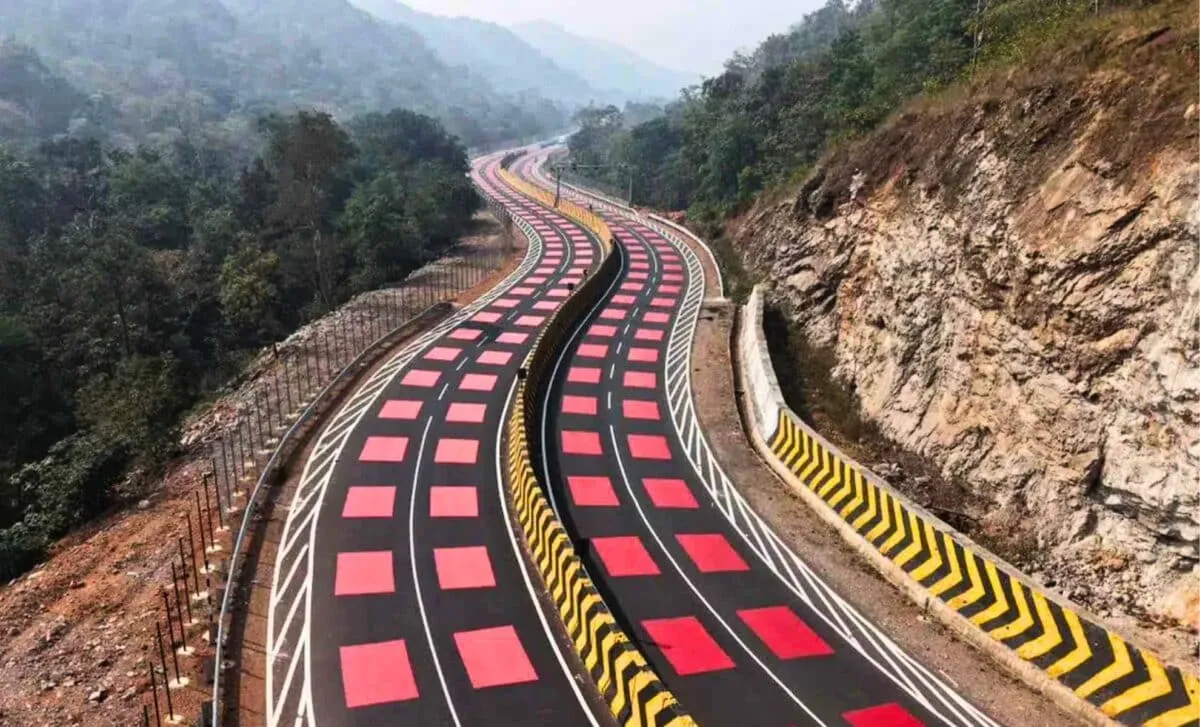
A public road in Indonesia divides forests home to 350 wild orangutans. To prevent habitat fragmentation, conservationists built canopy bridges, reconnecting their vital territory.

The Democratic Republic of Congo: a nation of immense contradictions. Its vast forests, iconic protected areas, and coveted minerals like cobalt and copper are central to global conservation and energy transition.
Brightcast is dedicated to restoring faith in humanity by highlighting the progress, solutions, and kindness that often go unnoticed. We believe in a balanced worldview.
Read our full mission →
A hidden chemical leak may be quietly delaying the ozone layer’s comeback.

A slick Cumberland, Maine road erupted in sound one April night. Hundreds of chirping, clucking creatures emerged, stopping traffic as people in neon vests rushed to the scene.

Cattle dung powers Nkhundye, Zambia! This farming community transforms livestock waste into energy for cooking, irrigation, and electricity, all from a communal kraal.

Forget capes and superpowers. Real heroes save lives. One man became a hero when he spotted a mama duck and her ducklings in a dangerous situation, proving true heroism is about protecting the innocent.

Love animals? Zoos offer daily up-close encounters and vital conservation work. The Nashville Zoo just announced the exciting hatching of tiny, rare Glass Frogs, a major win for species preservation!
Know someone who needs a boost? Share Brightcast with your friends and family.

Climb a spiral staircase bolted to a dark steel silo in Pornainen, Finland, and discover the world's largest sand battery. Inside, massive pipes hint at a heating system unlike any other.

700km northeast of Sydney, Lord Howe Island boasts the world's southernmost coral reef. Our new research reveals this lesser-known reef is vital, connecting vast Pacific coral regions and keeping them alive.

Dolphin sounds could unlock survival secrets! A new University of Otago study, published in the NZ Journal of Marine and Freshwater Research, is the first to use acoustic monitoring for Hector's dolphins.

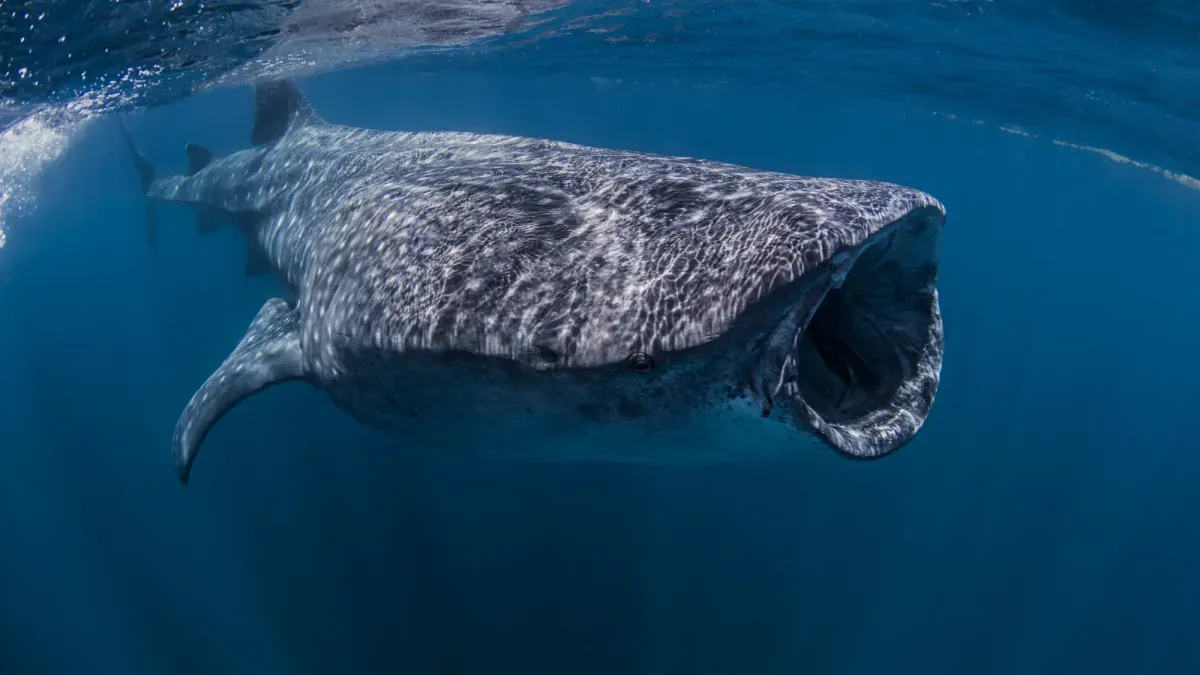
Humpback whales are back! Southern Ocean populations near pre-whaling levels, with scientists observing massive feeding groups. This rapid rebound follows the 1986 whaling ban.

South Africa's Tswalu Kalahari Reserve teems with life and carbon credits. While forests dominate carbon projects, soils hold 3x more terrestrial carbon and are more stable.
Download the Brightcast app for a better reading experience, daily notifications, and offline access.
Download App
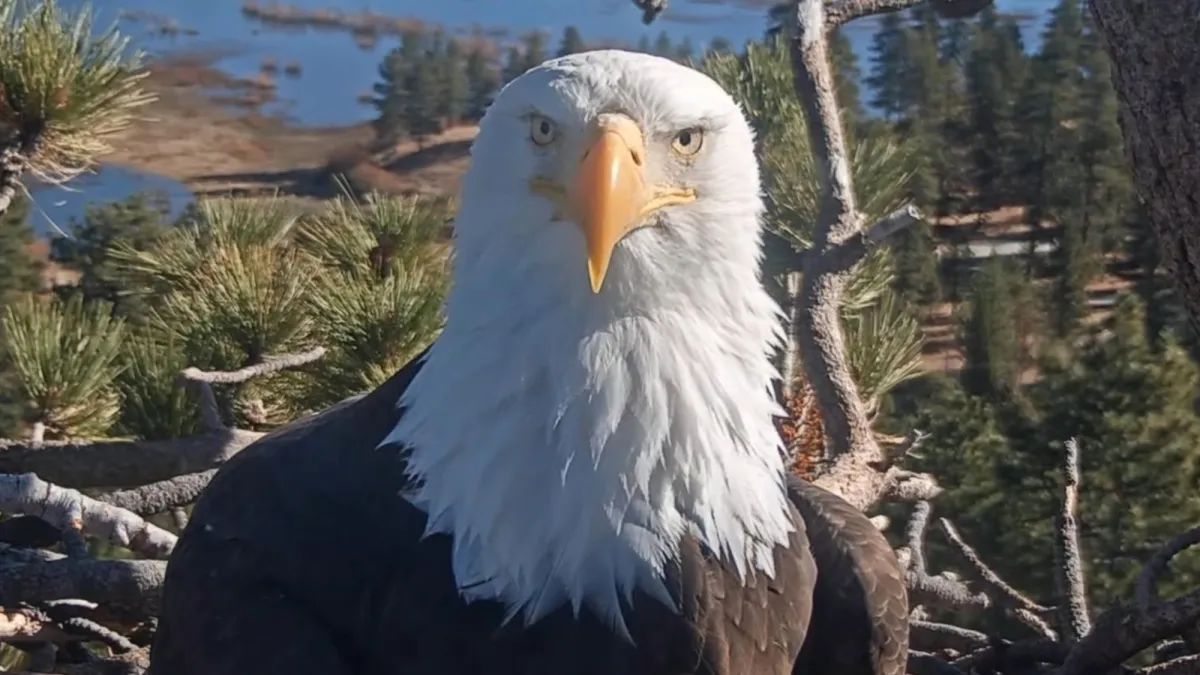
Three weeks transformed these eagle chicks! They're already sprouting crucial pin feathers, essential for their first flight, according to Friends of Big Bear Valley.

Ocean winds offer abundant, clean energy. Experts agree marine wind is key to cutting fossil fuels, fighting climate change, and boosting energy security. The technology is proven and scalable.

Wolves are thriving on a remote Lake Superior island, but their booming population is decimating the moose they depend on. This 134,000-acre national park offers a rare glimpse into predator-prey dynamics.

Madagascar's blue-nosed chameleons flash vibrant noses when excited. For years, they were misidentified as a different species until 2015, when scientists finally recognized them as Calumma linotum.

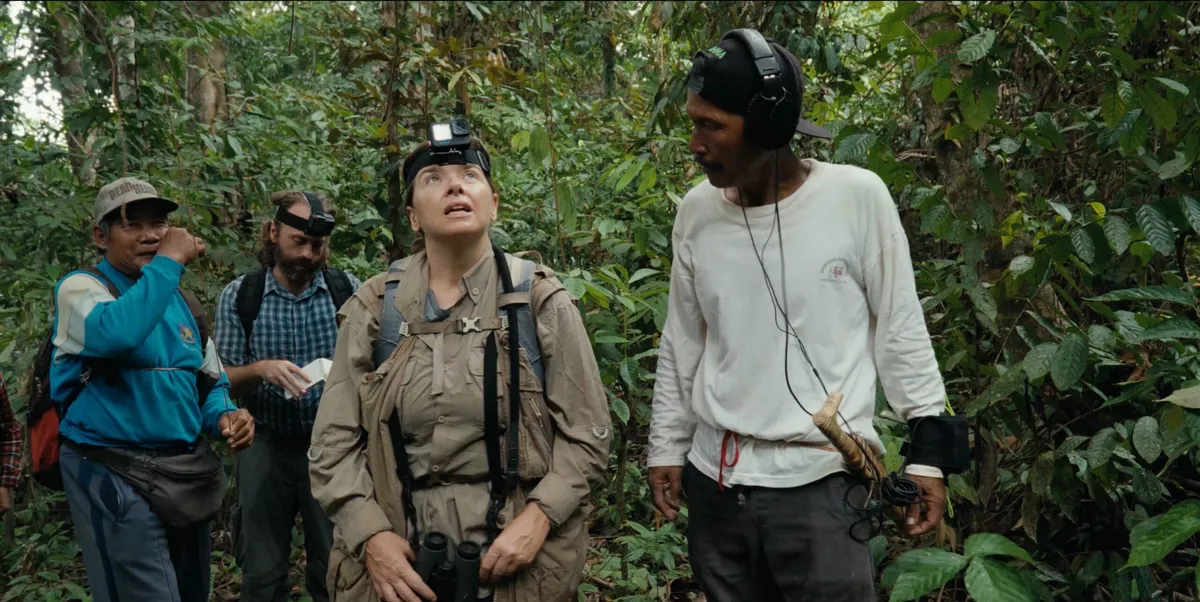
In 1980, Luis Arranz drove a Citroën 2CV across the Sahara, fixing it as he went. This biologist's epic journey kicked off over four decades managing Central African protected areas.
Join 50,000+ readers who receive our daily digest of the most uplifting stories from around the world.

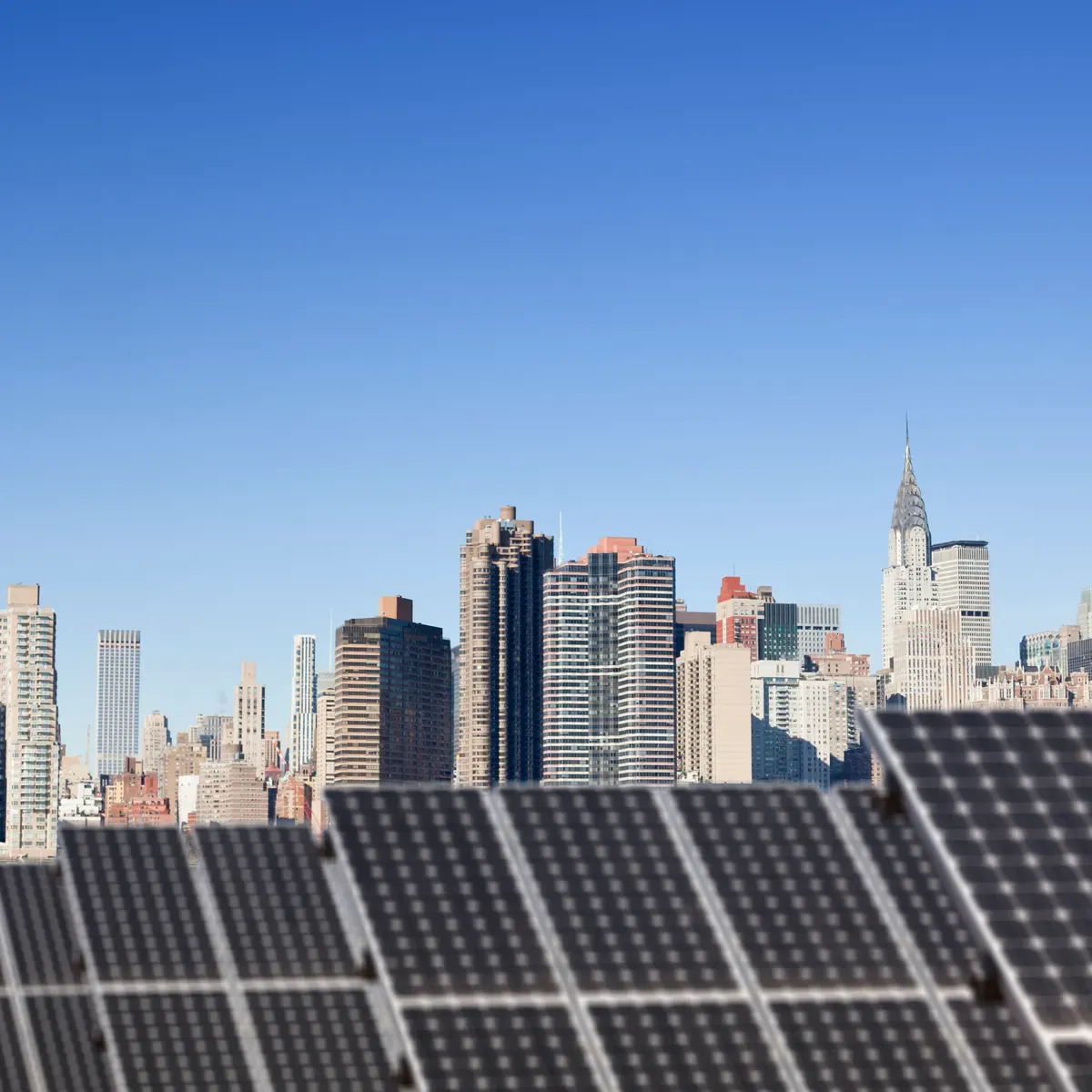
Cities promise opportunity, but waste a huge one: millions of square feet. Flat rooftops, often painted white, should be green—not just a color, but lush with plants.

A zoo crisis often starts subtly: treatment fails, a pregnancy stalls, or recovery falters. This technical, uncertain work leaves no room for error, shaping staff who face biology, timing, and hidden factors.

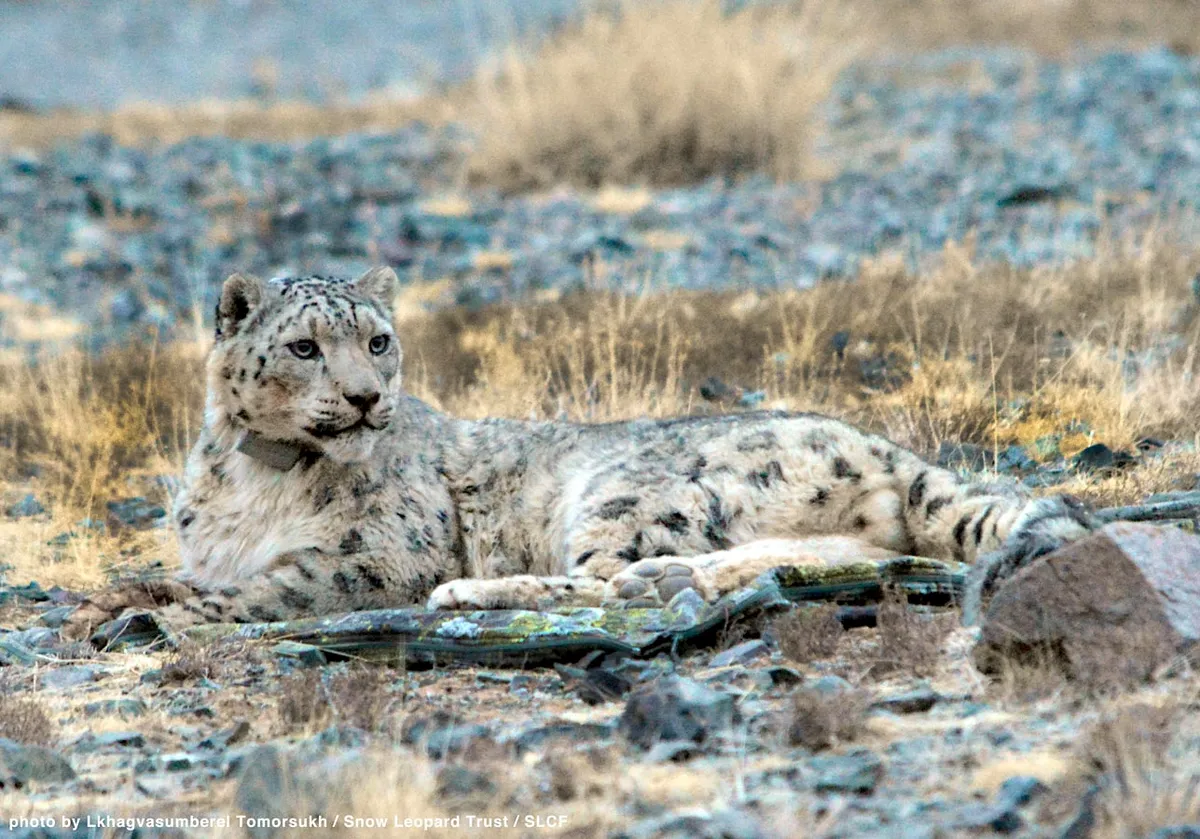
For generations, villagers whispered of Ajotak, a tiger roaming Sikkim’s high-altitude forests like a guardian spirit.

Coal power means pollution, right? Not anymore. A new method converts coal's chemical energy directly to electricity, ditching combustion and its carbon emissions entirely.

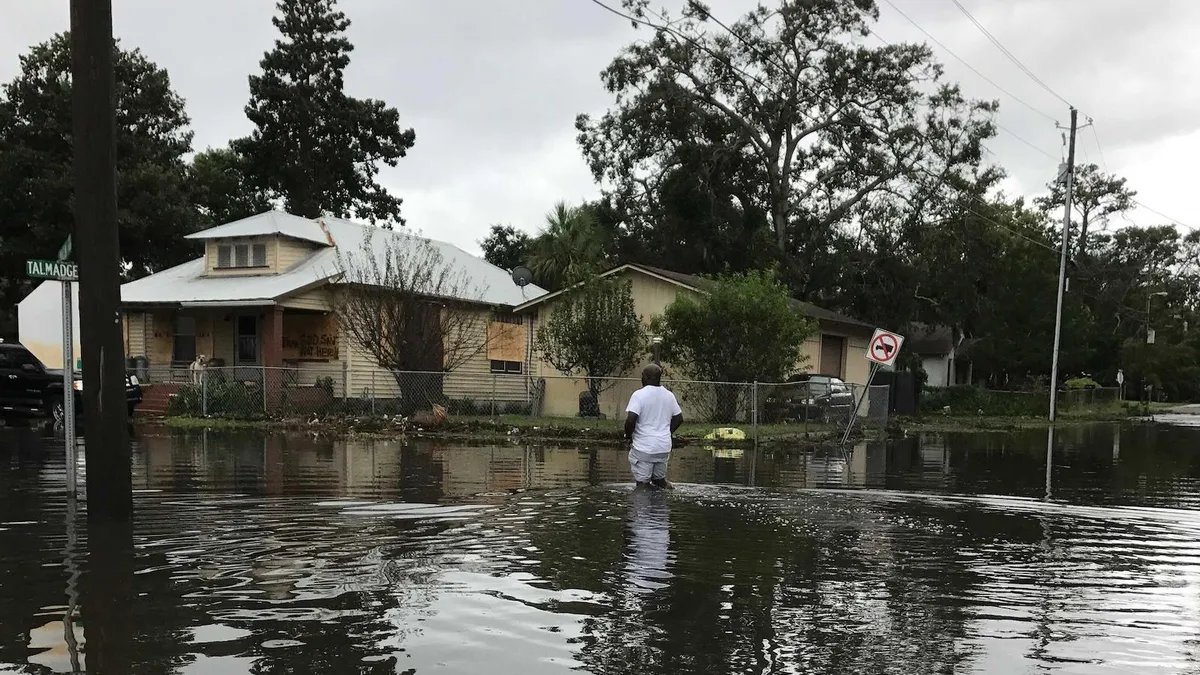
Hermit's Peak-Calf Canyon fire recovery is a nightmare. Residents await aid as floods contaminate water, and the burned forest desperately needs millions of trees—but seedlings are scarce.
Brightcast is dedicated to restoring faith in humanity by highlighting the progress, solutions, and kindness that often go unnoticed. We believe in a balanced worldview.
Read our full mission →
Indigenous Australians farmed eels for millennia at one of the world's oldest aquaculture sites. This discovery upends archaeological understanding of early populations.

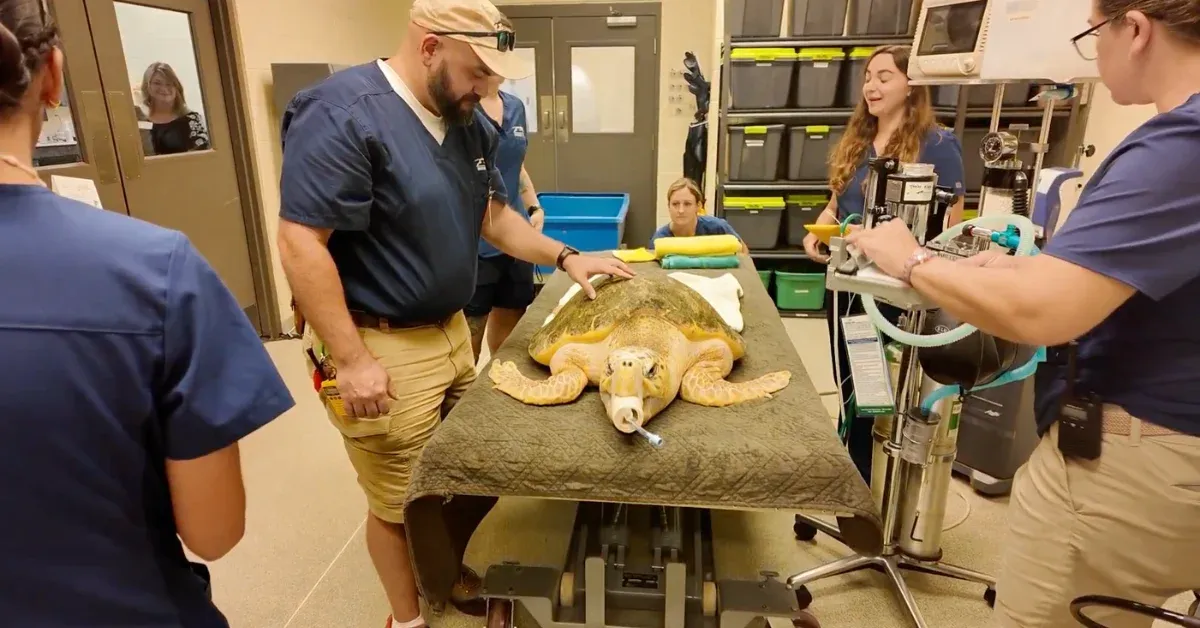
A rare hybrid sea turtle, Earl Grey, is recovering at the Georgia Sea Turtle Center. Born to a Kemp's ridley mother and Loggerhead father, this first-generation cross is a conservation marvel.

A plant species, long presumed extinct, has been rediscovered after an unlikely chain of events.

Etsy bans fur after 58-day protest! Germany's 200-foot coal craters are now swimming holes. Plus, Cambodia honors a landmine-detecting rat.

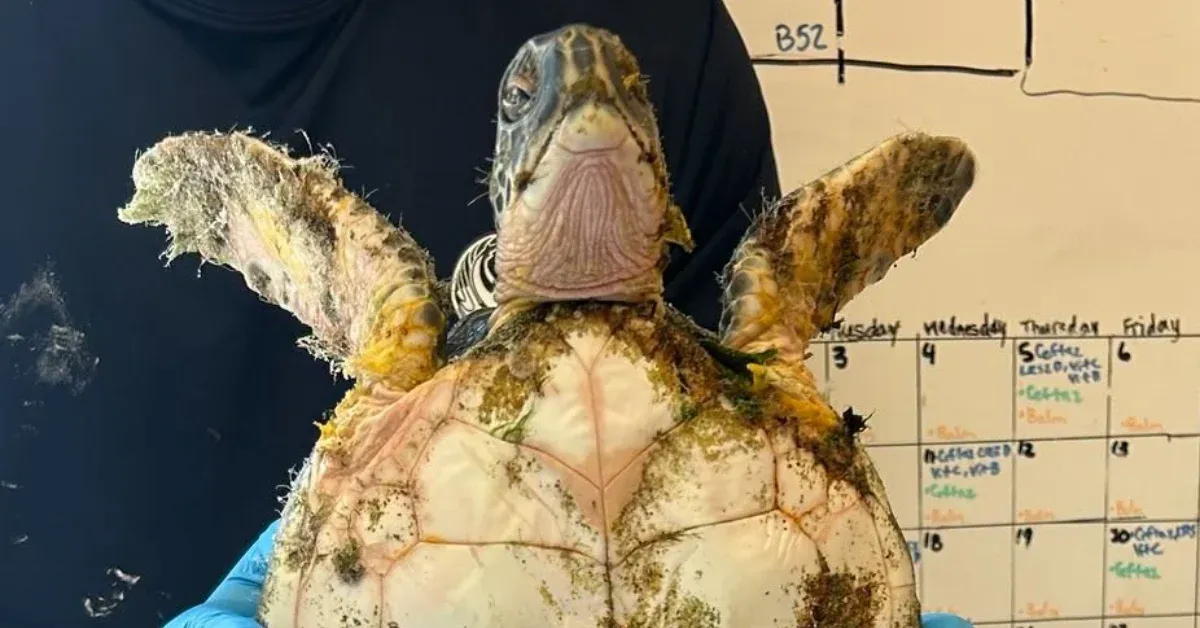
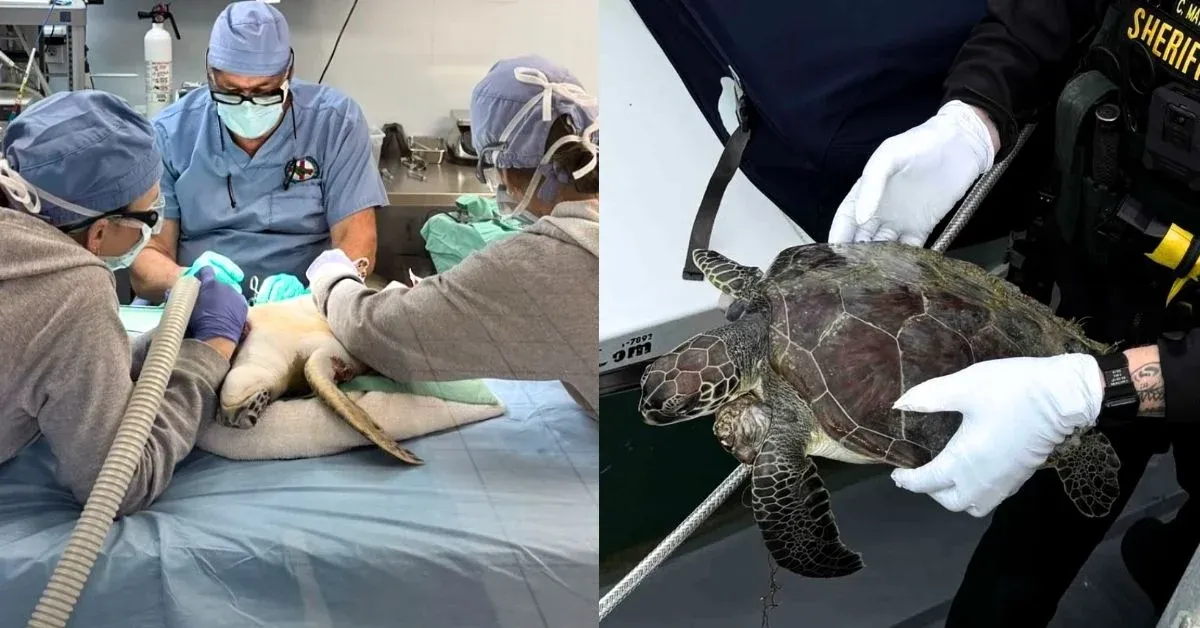
Tangled in fishing line, covered in tumors, and with more line in her stomach, Nutella, a small green sea turtle rescued in Key Largo, was a "long shot" at The Turtle Hospital.
Know someone who needs a boost? Share Brightcast with your friends and family.

A loggerhead sea turtle, "Molly," washed ashore in Ireland in 2004 with severe flipper injuries, likely from a shark attack. She spent 22 years recovering at Dingle Oceanworld Aquarium.

Frustration mounts as 60 countries meet in Colombia, seeking new climate solutions. The UN's deadlock on fossil fuels has sparked unprecedented talks to finally ditch them.

Vietnam's karst forests just revealed their 12th gecko species! Meet Ziegler's Slender Gecko, a new discovery highlighting the overlooked biodiversity of this rugged landscape.

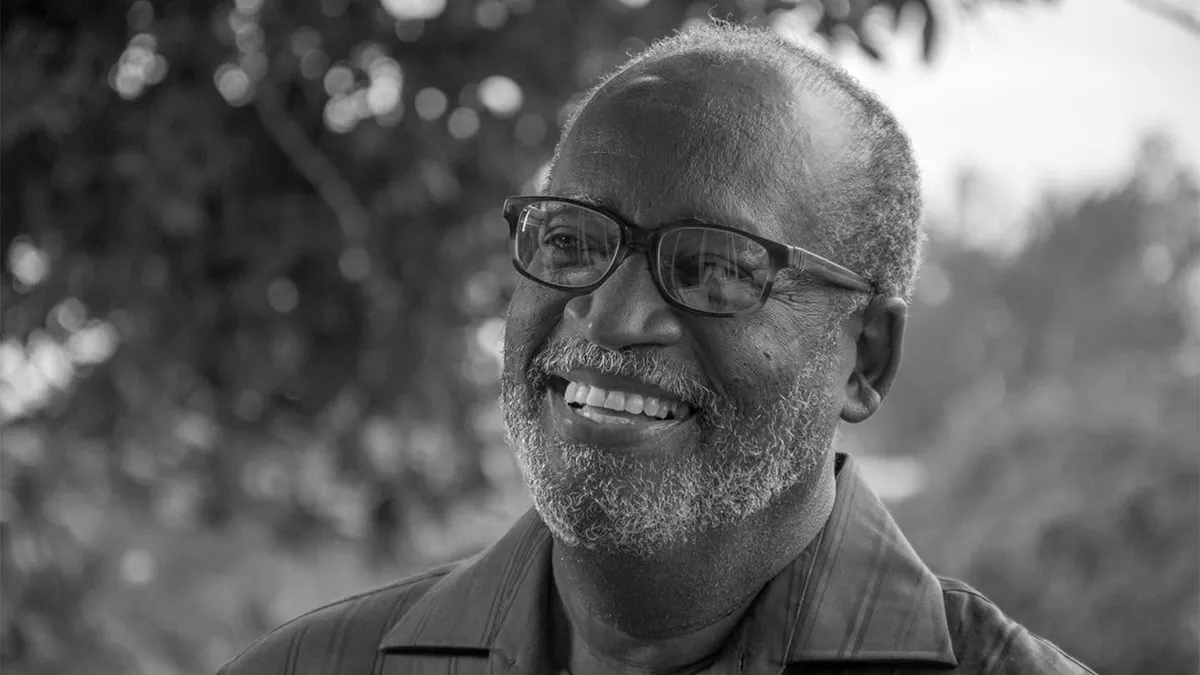
Air pollution and oil/gas emissions threaten communities. Assistant Professor David J.X. Gonzalez is on a mission to protect public health from these environmental harms.

A new skink species, Liopholis mutawintji, may be Australia's most threatened reptile. Fewer than 20 individuals live in a single rocky gorge in Mutawintji National Park.