Svalbard's polar bears teach us how to adapt to a changing world.
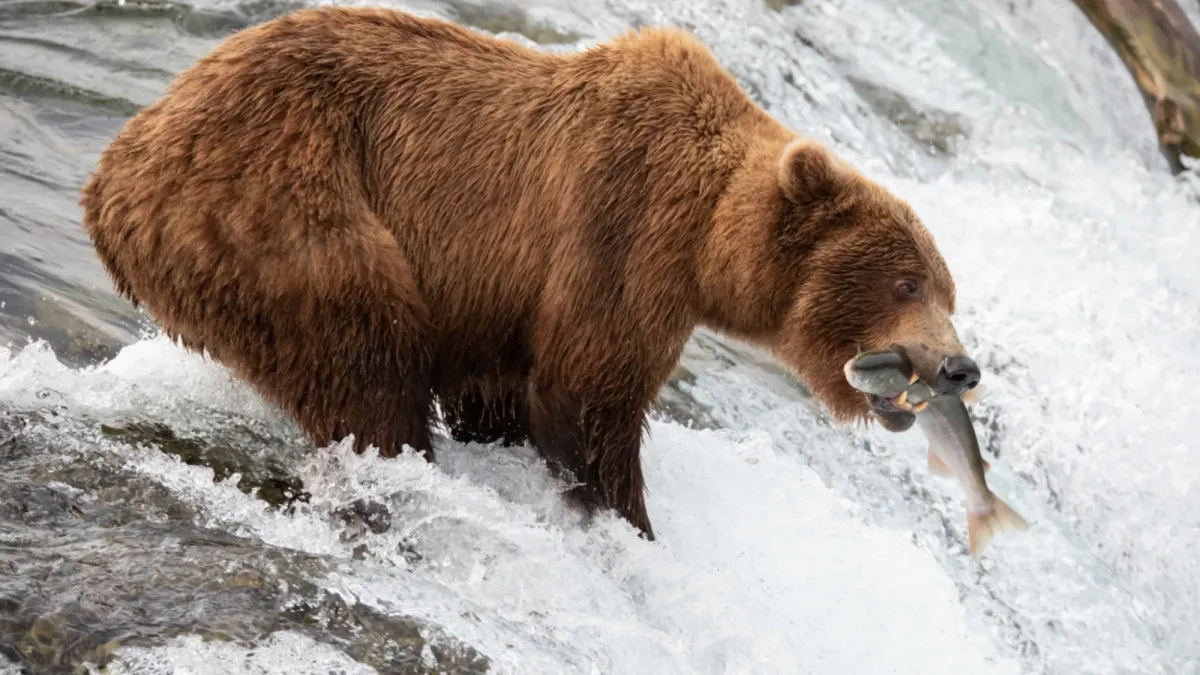
Forget the starving polar bear image. Svalbard's polar bears are thriving, defying climate change expectations and offering a surprising twist to the Arctic's warming narrative.
Every day, people protect what matters. These are their stories.
1146 stories

Forget the starving polar bear image. Svalbard's polar bears are thriving, defying climate change expectations and offering a surprising twist to the Arctic's warming narrative.

A great horned owl, tangled in an electric fence, found a silver lining at Raven Ridge Wildlife Center. Rescued by a game warden, she arrived unable to stand or fly.

Two billion cups of coffee are consumed daily, creating massive waste. Now, researchers plan to transform those discarded grounds into eco-friendly insulation.

Microplastics plague our water. Professor Susie Dai engineered algae to remove and reuse these harmful particles from wastewater, offering a groundbreaking solution.

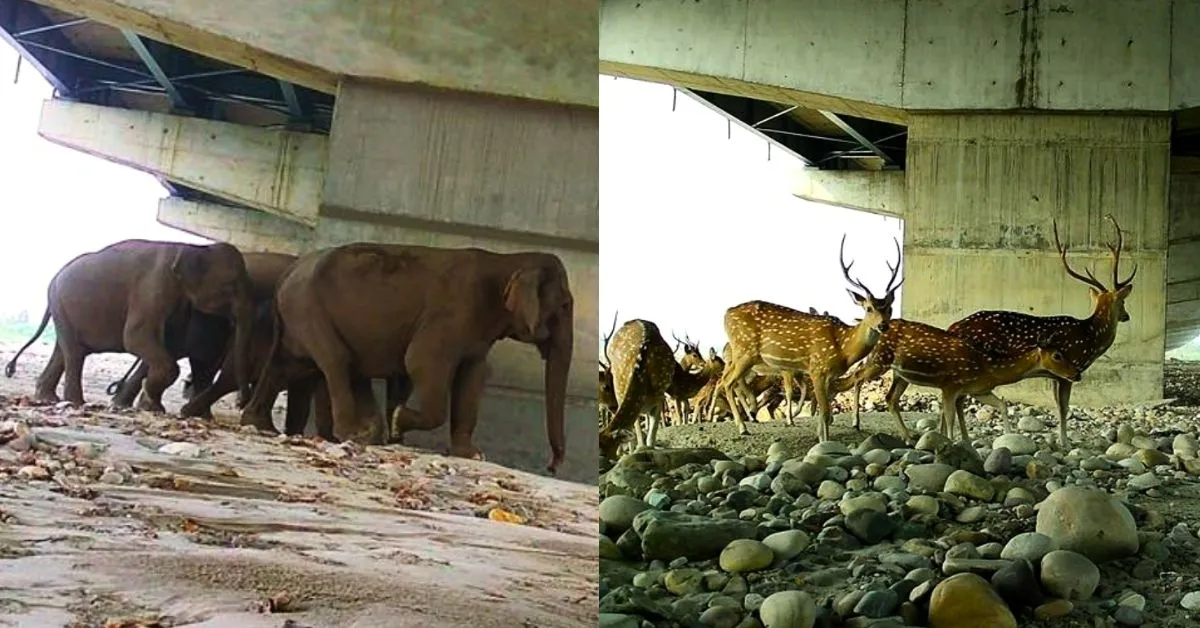
India leads the world in radical rewilding. Meet the unsung heroes—from fishermen to forest officers—who are bringing endangered animals back from the brink, returning them to their natural habitats.
Join 50,000+ readers who receive our daily digest of the most uplifting stories from around the world.

Red light therapy, known for human skin health, now helps bees! Studies claim it extends bee colony life and boosts pollination by stimulating cellular mitochondria.

Cheetah Conservation Fund and Somaliland's Ministry of Environment rescued two cheetah cubs from traffickers. They were moments from being illegally shipped into the exotic pet trade.

Ever wonder how nature filmmakers get impossibly close? That polar bear's breath, the lingering seal's eye? The reality is colder, slower, and far less certain than the illusion of proximity.

Tired of endless environmental doom and gloom? Mongabay's new Solutions Desk spotlights how people *solve* nature's problems, not just report them. This shift to solutions journalism already influences major investments.

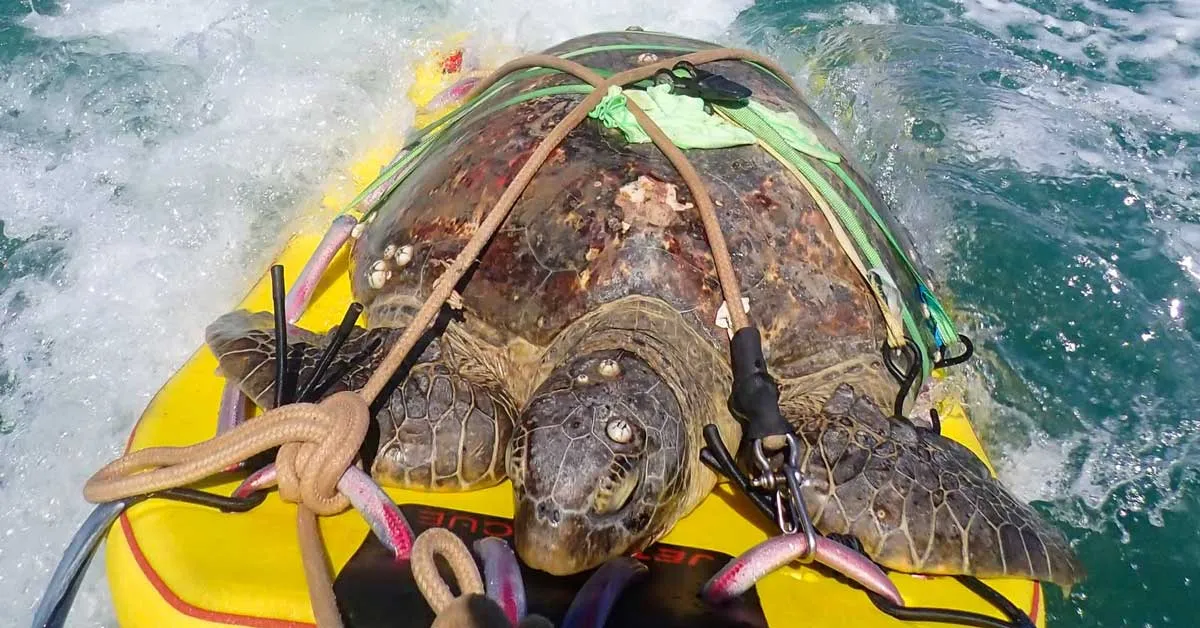
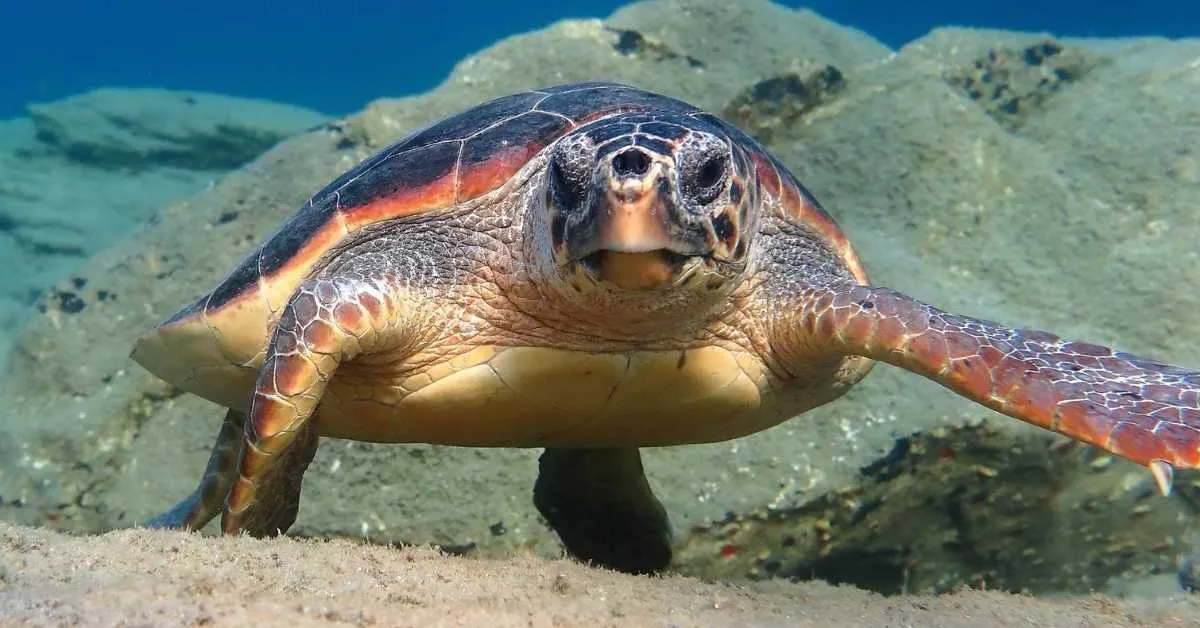
A 240-pound green sea turtle, Meatloaf, was found stranded by the San Gabriel River. Now, she's recovering at the Aquarium of the Pacific after a harrowing rescue.
Brightcast is dedicated to restoring faith in humanity by highlighting the progress, solutions, and kindness that often go unnoticed. We believe in a balanced worldview.
Read our full mission →
Dirty mining for EV metals? Imagine farming nickel with flowers instead. Phytomining extracts critical minerals using daisies and grasses, not drills and dynamite.

Want to boost farm profits by 500%? A new Indian study reveals fruit trees on croplands dramatically increase income, far outweighing carbon sequestration benefits.

Christianity has shaped Kenyan life for over a century, influencing everything from education to politics. It remains one of Kenya's most powerful sociocultural forces.

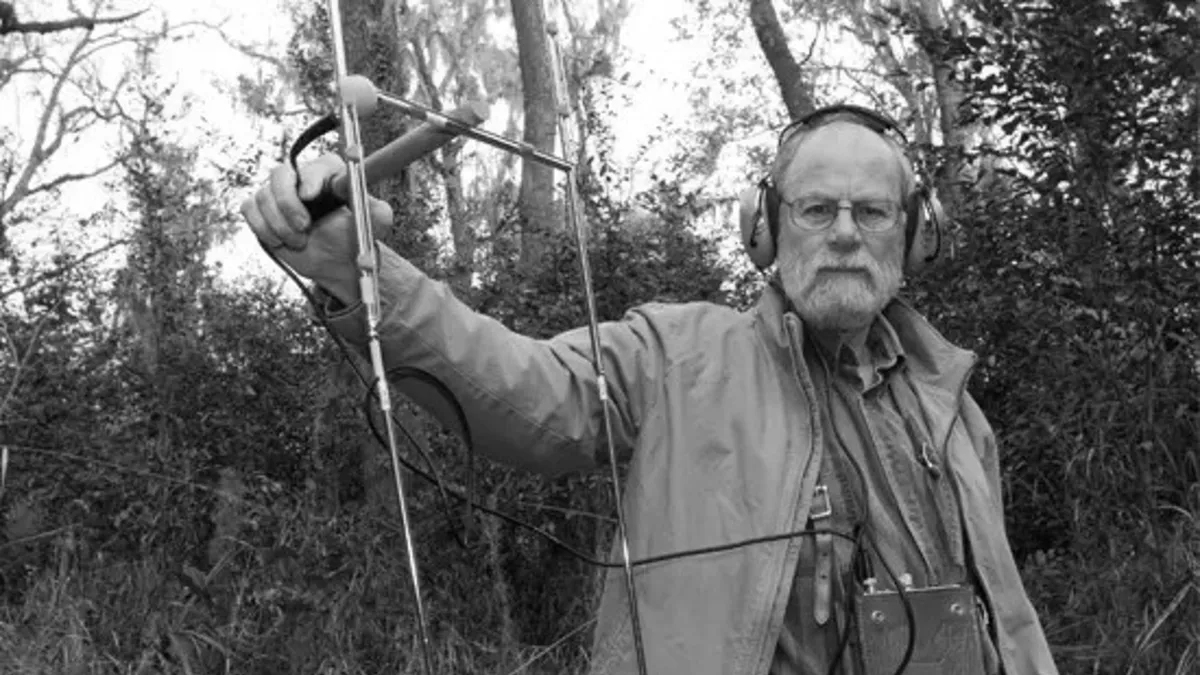
Nature's sounds aren't just pleasant; they offer proven health benefits and now help maintain national park ecosystems. Penn State's Listening Lab analyzes park recordings, providing vital data to officials.

A rusty bush lark, unseen for 94 years, was photographed in Chad by two French birders in February 2026. This dramatic rediscovery is one of many shrinking the "Lost Birds List" from 163 to 120 since 2022.
Know someone who needs a boost? Share Brightcast with your friends and family.

New Zealand's kākāpō, the world's heaviest flightless parrot, faced extinction with only 235 adults left. But a record rīmu berry harvest just boosted their population with 95 new chicks!

Trees sway, not snap, in a storm. This ancient adaptation—flexibility—prevents them from breaking. It's a trick modern skyscrapers now mimic.

Migratory animals ignore borders, but conservation doesn't. They rely on habitats across vast distances and jurisdictions, leading to patchy protection, rising threats, and declining populations.

Advanced imaging reveals an extinct arachnid, a fossil harvestman, once roamed Europe. This discovery expands the known diversity of amber-preserved species in the region.

Hawaii researchers are turning ocean plastic and discarded fishing nets into asphalt roads. Early tests show this sustainable method is viable with minimal microplastic risk.
Download the Brightcast app for a better reading experience, daily notifications, and offline access.
Download App
Golden sun warms Lake Victoria in Kisumu, Kenya. A lone boat bobs, birds sing, and an ibis snatches fish. This serene December morning at Dunga Beach will soon transform as fishmongers arrive.

Georgia is one of the leading states for forestry, ranking first in annual harvest volume and the export of forest products. The state’s forests that are managed for a commercial product offset about a third of Georgia’s greenhouse gas emissions. But a recent rash of paper mill closures coming on th...

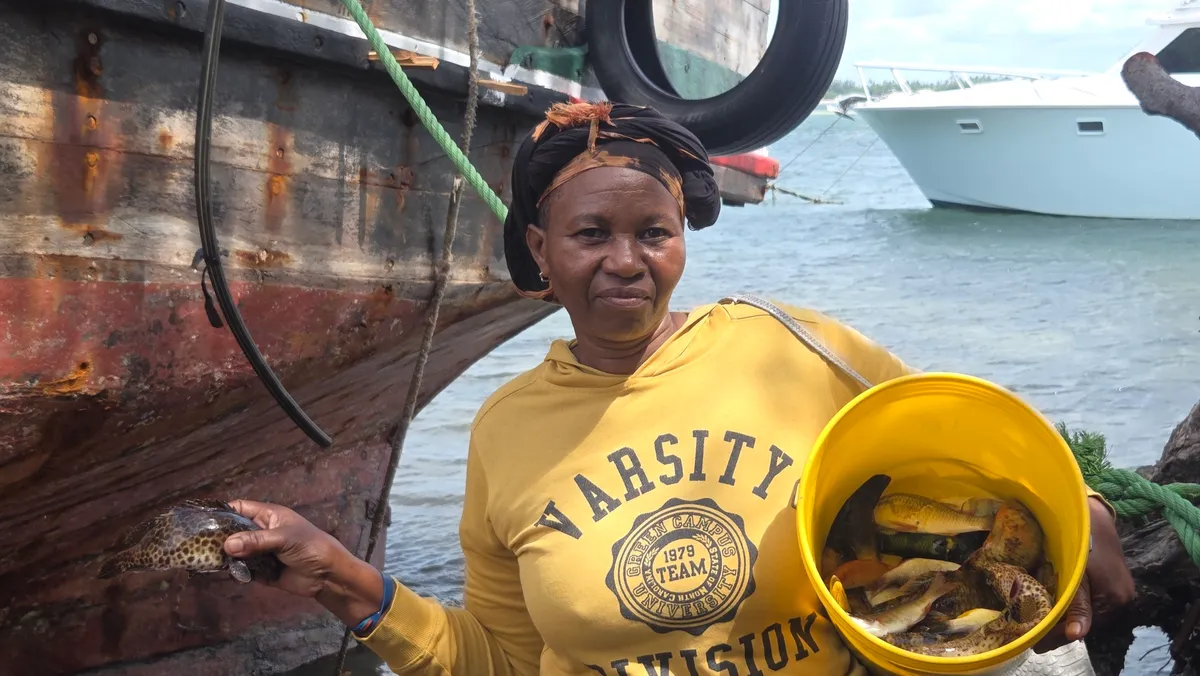
In Port Orford, Oregon, Aaron Longton runs a seafood business from a converted garage. He recently processed a redbanded rockfish, destined for a cutting table.

While the US shivered, New South Wales baked. Rising summer temperatures caused a surge of dehydrated, stranded sea turtles washing ashore, signaling a critical time for these vulnerable creatures.

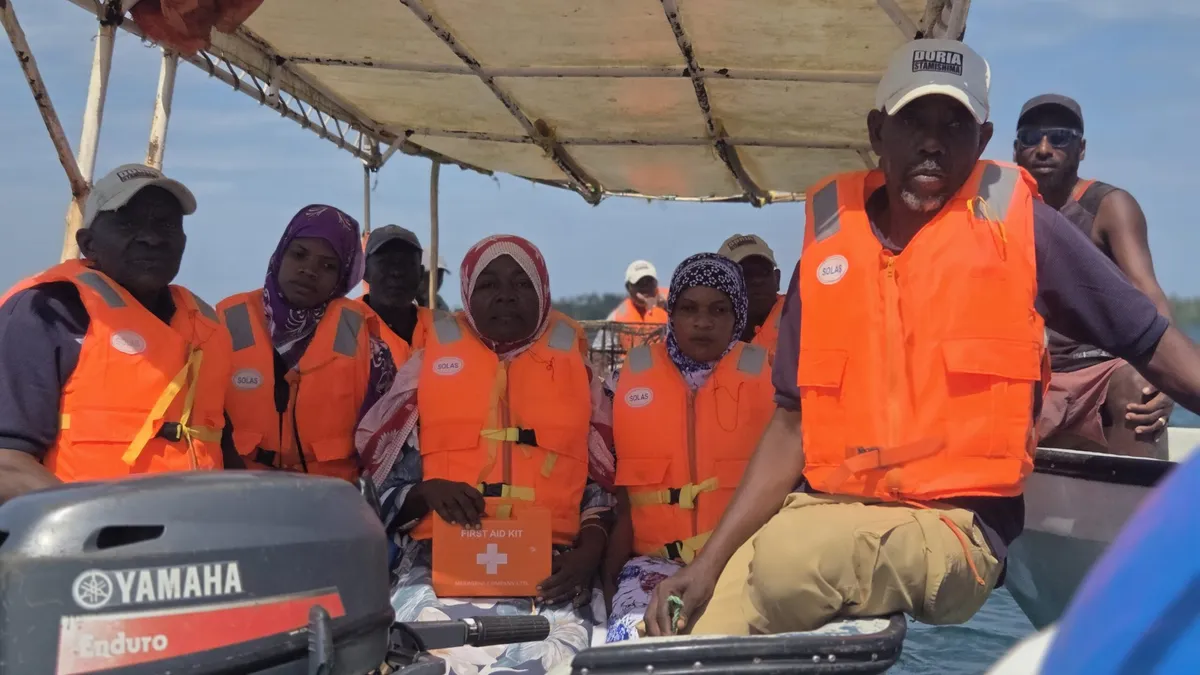
Malawi's strict border controls and increased monitoring have successfully halted invasive crayfish smuggling, nearly a year after a major seizure. Fisheries officer Davie Khumbanyiwa credits enhanced inspections.
Join 50,000+ readers who receive our daily digest of the most uplifting stories from around the world.

Humpback whales: a conservation triumph! From just 10,000 before the 1986 whaling ban, over 135,000 now swim our oceans. This comeback proves human stewardship and whale resilience.

Dozens of migratory animals, including 33 marine species, just received new protections! The CMS COP15 summit in Brazil secured their future, a "very strong" win for conservation.

A stuffed gorilla sparked Jessie Panazzolo's conservation dream at age 3. Now, she reveals the harsh truth: a livable wage in conservation is nearly impossible, detailing dwindling prospects and mental tolls.

Scott Weidensaul's new book celebrates global species recovery! Discover how scientists, conservationists, and Indigenous communities brought the American oystercatcher back from decline.

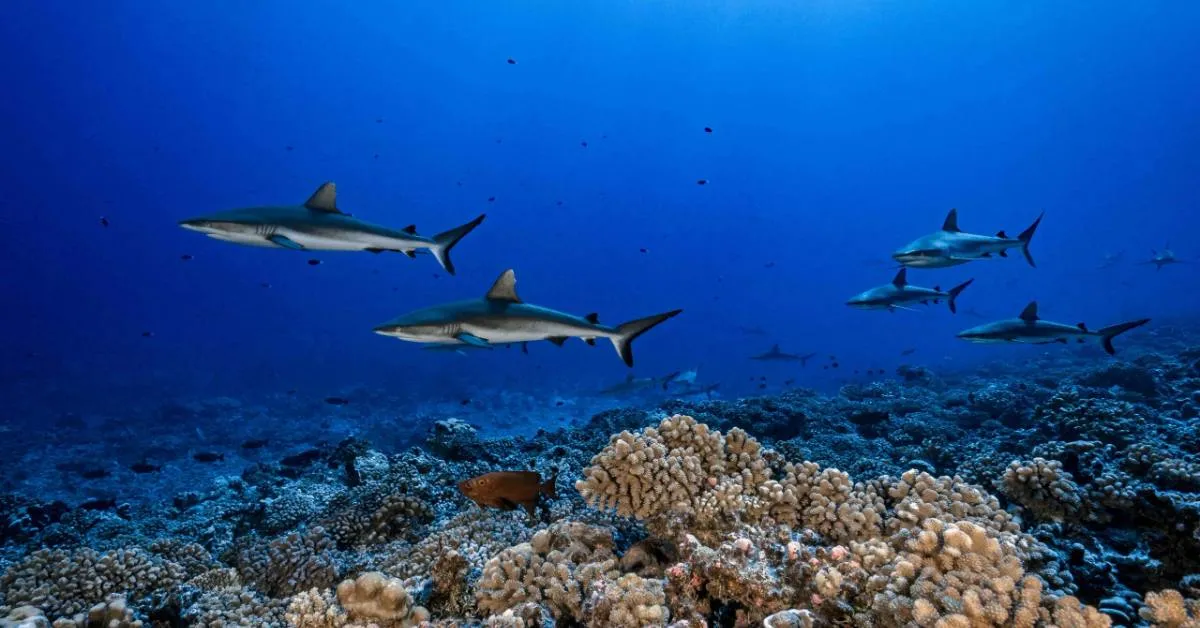
Latin America's largest hospital, University of São Paulo Medical School Hospital, scrapped plans to buy 17+ tons of shark meat for 2026, citing heavy metal concerns.
Brightcast is dedicated to restoring faith in humanity by highlighting the progress, solutions, and kindness that often go unnoticed. We believe in a balanced worldview.
Read our full mission →
North Atlantic right whales are critically endangered. Increased deaths and low birth rates make population recovery difficult, a crisis compounded by climate change and vessel strikes.

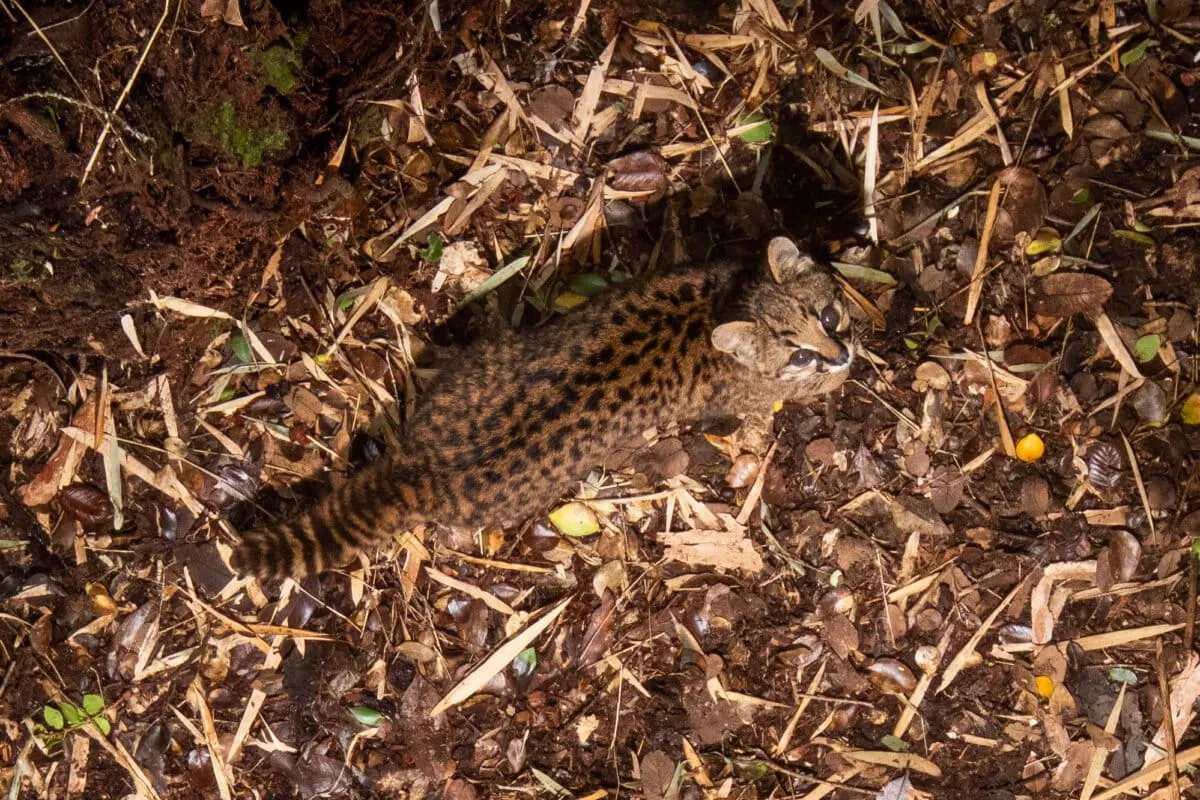
First-ever camera trap images reveal the elusive Pemba blue duiker! This tiny antelope, just 12 inches tall, lives in Zanzibar's Pemba Island forests and may be a unique subspecies.

Rotund, charmingly goofy American Woodcocks are delighting New Yorkers! These birds make a pit stop in Bryant Park during migrations, gathering fans and starring in viral videos.

Endangered sei whales flock to the New York Bight each spring. A new study confirms this busy waterway is critical habitat for one of the world's most vulnerable whale species.

Spotting forest elephants in Central Africa is nearly impossible. They're elusive, hidden by dense rainforest. But Dzanga Bai is different: this mineral-rich clearing is an elephant magnet.
Know someone who needs a boost? Share Brightcast with your friends and family.

Conservation's slow recovery often looks like stasis. Populations dwindle, habitats shrink, and reversal demands decades of patient observation, persuasion, and persistence, not quick triumphs.

Paris was once a cyclist's nightmare. But under Mayor Anne Hidalgo, the city transformed, adding bike lanes and reclaiming public space—a shift that empowered riders like Corentin Roudaut.

Forever chemicals plague our environment. Now, a new materials-based approach offers a fresh perspective on tackling this persistent challenge.

Five "lost" bird species, unseen for over a decade, were rediscovered in 2025! This incredible news comes from the 2026 Lost Birds List, a tally of species missing for 10+ years.

Four male mountain bongos are headed to Kenya from European zoos! This critical transfer, led by Chester Zoo, aims to boost the population of one of Africa's most endangered antelopes.