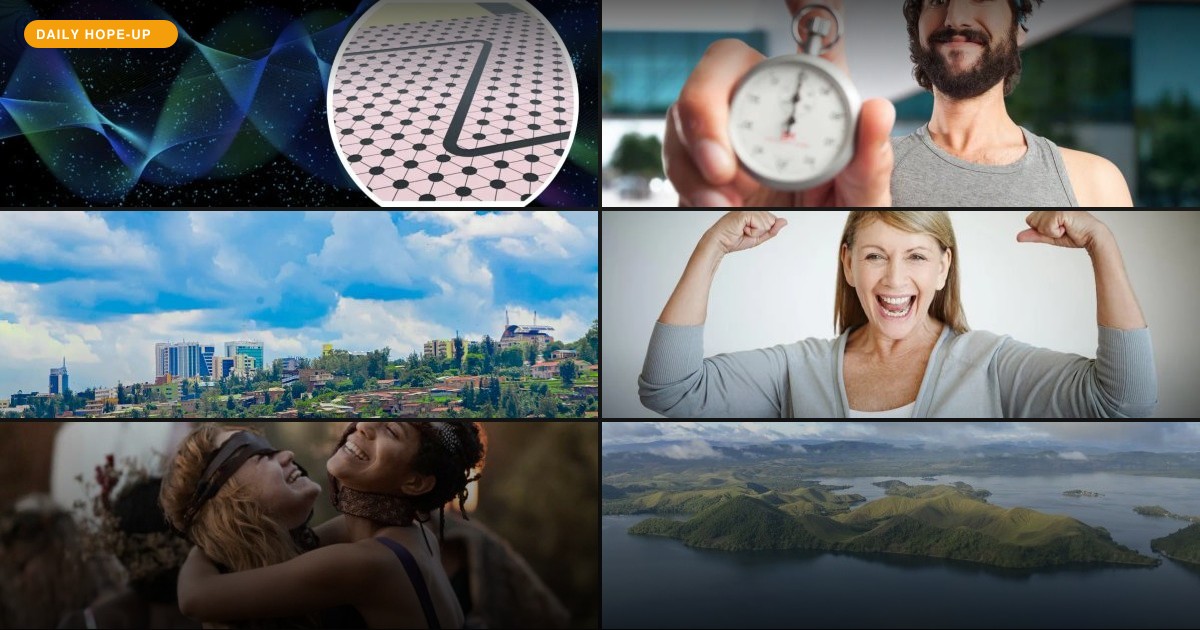
Lasers reveal brain drug delivery.
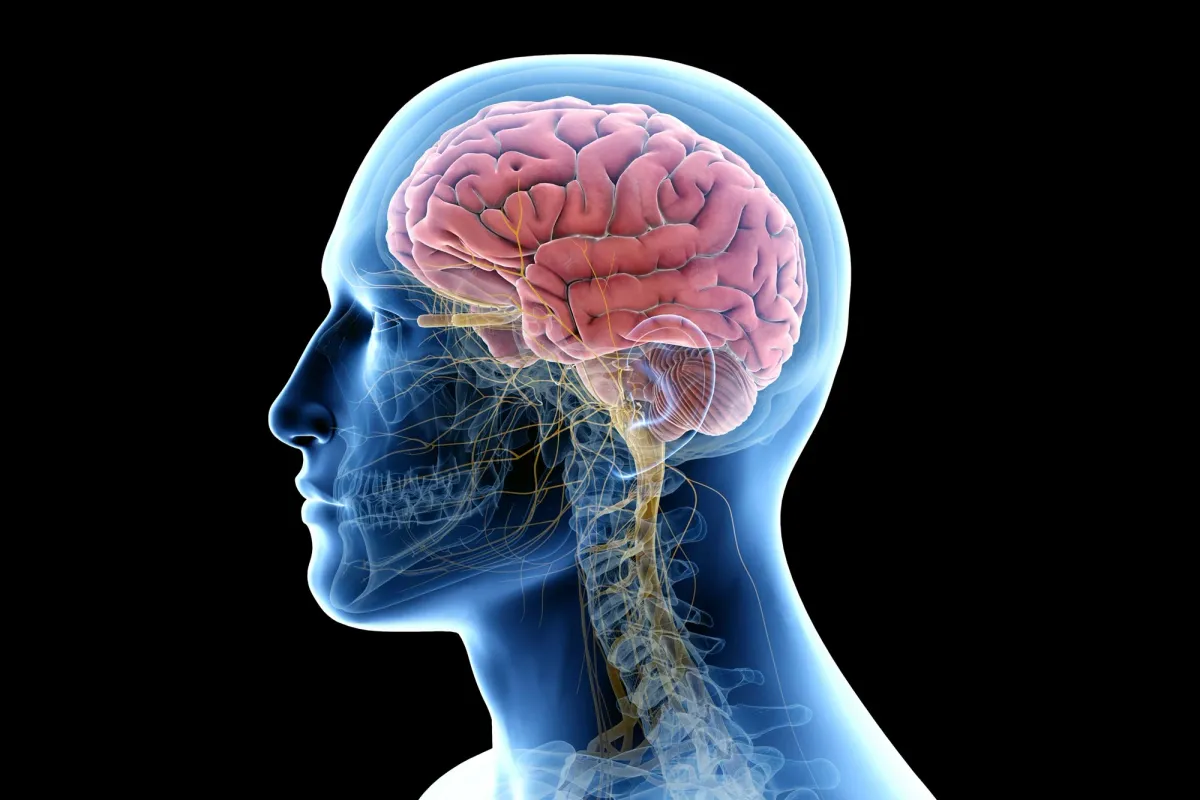
Chaotic laser light can become a precise, stable beam, MIT found. This breakthrough enables much faster, high-resolution imaging of how drugs enter the brain.
Breakthroughs happen quietly. We make sure you hear about them.
2406 stories

Chaotic laser light can become a precise, stable beam, MIT found. This breakthrough enables much faster, high-resolution imaging of how drugs enter the brain.

ER glutathione balance, controlled by SLC33A1, is crucial for protein folding and preventing disease.

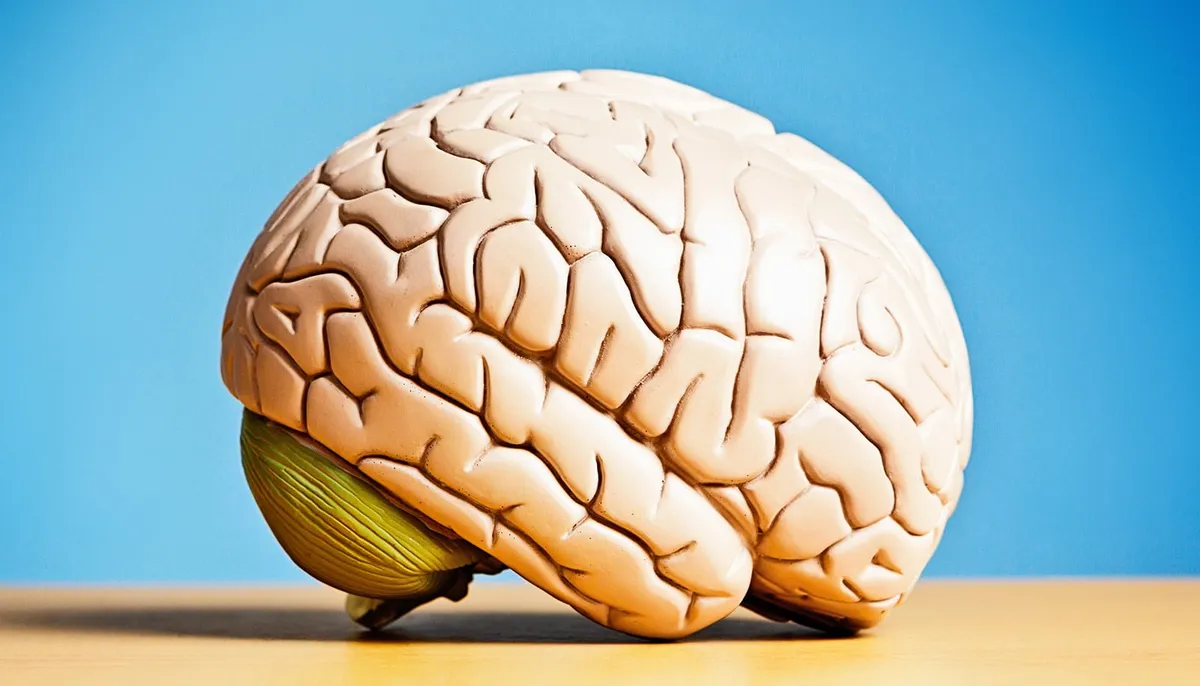
Your brain uses 20% of your body's energy, but not on what you're doing now. Imagination might be about what your brain silences, not what it creates.

Why are expensive fungi thriving here? Researchers analyzed hundreds of soil samples to uncover the secret.

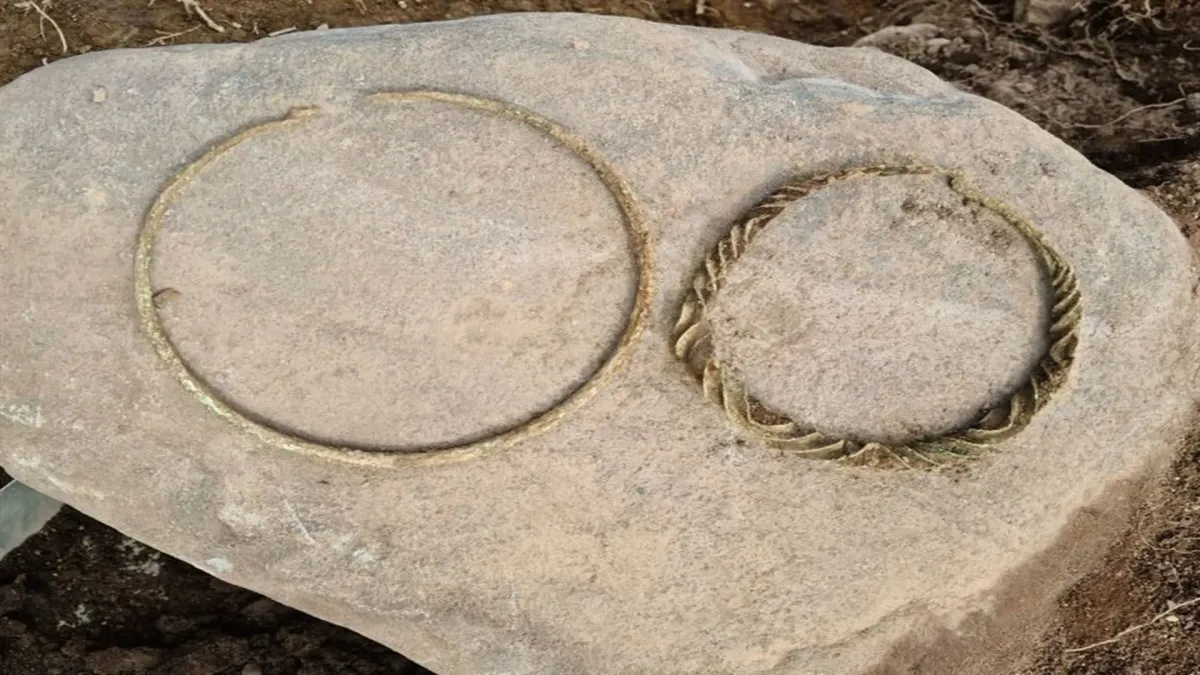
Unearthed: A Bronze Age ax, dating 1400-1275 B.C.E., reveals humanity's first steps into metalworking.
Join 50,000+ readers who receive our daily digest of the most uplifting stories from around the world.

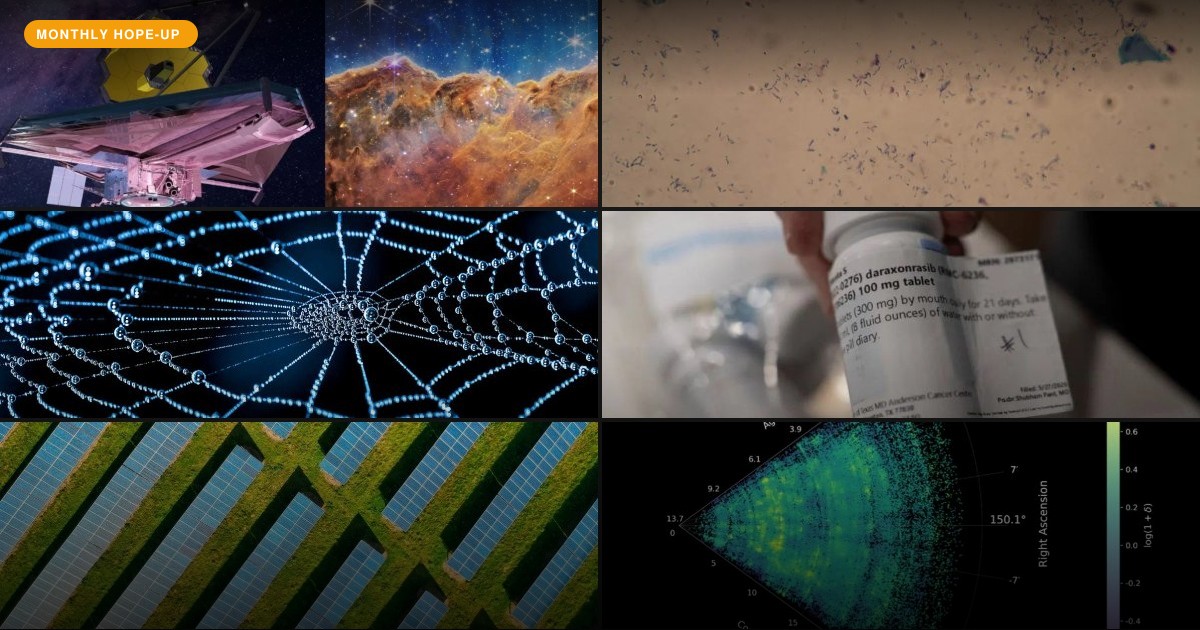
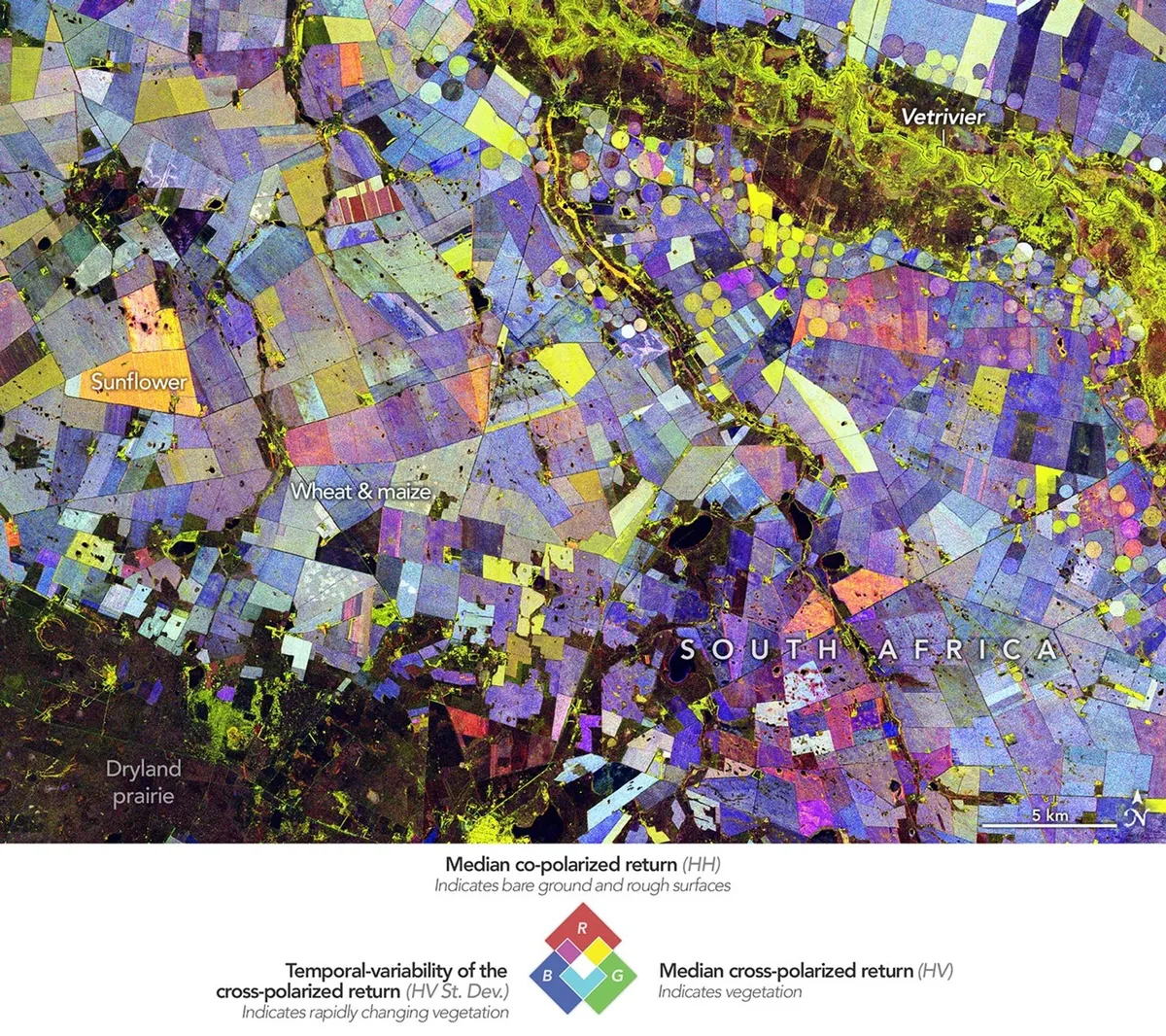
From microchip UV light to cosmic particle accelerators and AI outsmarting doctors, the universe revealed its secrets while humanity made smart strides in health and education. Dive into today's most hopeful stories.

Cities fell silent during the eclipse, even underground. For a few minutes, the world paused.

Unlocking ultrasound, sonar, and sensor tech just got easier. MIT researchers finally mapped the 3D atomic structure of relaxor ferroelectrics, solving a decades-old mystery.

LHAASO just shattered cosmic limits! For the first time, it detected ultra-high-energy gamma rays (>100 TeV) from a gamma-ray binary system, LS..., unlocking secrets of the extreme universe.

Scientists just turned red light into powerful UV inside a tiny chip! This breakthrough brings chip-scale ultraviolet light closer than ever.
Brightcast is dedicated to restoring faith in humanity by highlighting the progress, solutions, and kindness that often go unnoticed. We believe in a balanced worldview.
Read our full mission →
Scientists just revealed a hidden quantum "dance" that could reshape superconductivity. This discovery unveils new possibilities for energy and technology.

Smell's biggest mystery is solved! Scientists mapped millions of mouse neurons, revealing smell receptors in the nose aren't random. They're organized in neat, overlapping stripes.

Forget everything you thought about how your nose works. New research reveals scent-detecting nerve cells aren't random, challenging a long-held belief. Is your nose organized too?

Forget individual biosignatures. A new study proposes we find alien life by searching for large-scale planetary patterns, not just tiny clues.

Plants don't just grow with light; it strengthens their internal structure. This rigidity, however, can slow growth, revealing a hidden balance between strength and expansion.
Know someone who needs a boost? Share Brightcast with your friends and family.

Fishing NYC's East River, Rockefeller University scientist Mark Stoeckle sought fish DNA. He found much more than expected in the notoriously polluted waters.

Water just got weirder. Scientists found a hidden state, explaining its bizarre behavior.

New genetic and archaeological evidence is reshaping the long-standing narrative of the Neolithic Revolution in North Africa.

Pizza to Alpha Centauri in 20 years? Texas A&M researchers developed light-propulsion tech, slashing delivery from tens of millennia.

Tigers' stripes: a camouflage secret unlocked! An online game helped scientists discover high-contrast markings like stripes are harder to see in sunshine and tall grass.
Download the Brightcast app for a better reading experience, daily notifications, and offline access.
Download App
Cancer research may be overlooking a crucial variable: age.

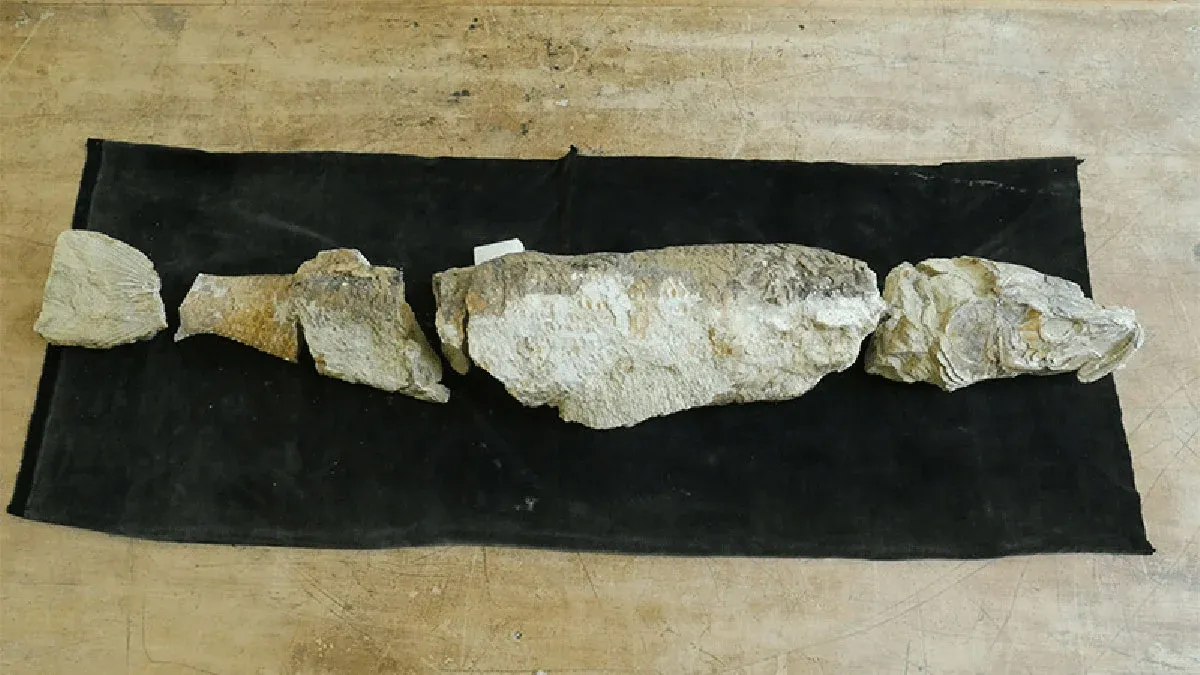
Forget Titanoboa. Scientists just unearthed Vasuki indicus, a prehistoric snake in India that stretched an astonishing 11-15 meters long, rivaling the largest ever to slither across Earth 47 million years ago.

The spacecraft that carried four astronauts around the moon has returned to its launch site, completing a record-breaking journey.

Uncover the intimate lives of Neanderthals! A new genetic analysis of remains from Stajnia Cave reveals a small group that lived together 100,000 years ago.

Aggressive tumors spread faster, resist treatment, and are deadlier. A new study reveals extra chromosomes might be the key to their dangerous behavior.
Join 50,000+ readers who receive our daily digest of the most uplifting stories from around the world.

A mysterious "X-ray dot" discovered by Chandra could unlock secrets of the early Universe. This object, previously unseen by Webb, challenges assumptions about cosmic "little red dots.

Curiosity captured a stunning 360-degree panorama of Mars' "boxwork" formations—low ridges—between Nov. 9 and Dec. 2, 2026.

NASA just fired up a powerful thruster at JPL, a tech breakthrough that could send crews to Mars and robots across our solar system. This test exceeded all previous U.S. power levels.

From secret coral superhighways to rebounding whale populations, the ocean had a day of resilience and warnings. Plus: scientists peer into brains and sail spaceships on light.

MIT scientists found chaotic laser light can spontaneously form a focused "pencil beam." This breakthrough enabled 3D imaging of the blood-brain barrier 25x faster than current methods.
Brightcast is dedicated to restoring faith in humanity by highlighting the progress, solutions, and kindness that often go unnoticed. We believe in a balanced worldview.
Read our full mission →
A common mental health drug could be quietly altering your hearing. This neurotransmitter, widely used, may have unintended consequences for auditory perception.

Mars' Curiosity rover found diverse organic molecules, including DNA-like compounds, in ancient clay. These billions-year-old molecules hint at life's chemistry preserved in Martian rocks.

New research shatters hopes: many planets once deemed promising for life are likely far less hospitable than we thought.

AI just brought a Pompeii victim back to life. For the first time, archaeologists used AI to reconstruct the face of a man killed in the AD 79 Vesuvius eruption, revealing history anew.

Neutrinos are notoriously shy. Now, physicists are combining existing tech in unconventional ways to finally detect these elusive particles.
Know someone who needs a boost? Share Brightcast with your friends and family.

Metals aren't fixed! University of Minnesota research reveals they can be actively tuned at the atomic level, unlocking new electronic behaviors through subtle structural changes.

Texas A&M researchers just unveiled a laser propulsion system that lifts and steers tiny objects without contact. This breakthrough could power spacecraft to nearby stars using "metajets" and laser light.

This comet's vapor reveals a secret: abundant "heavy" water. It suggests a frigid birth in a planetary system, possibly even before its home star ignited.

A DNA-organizing system in cyanobacteria evolved to shape the cell itself. This reveals how old biological tools gain entirely new functions.

Your blood type is just the beginning. Scientists found a hidden genetic layer explaining why people with the same blood type can be so different at a molecular level.