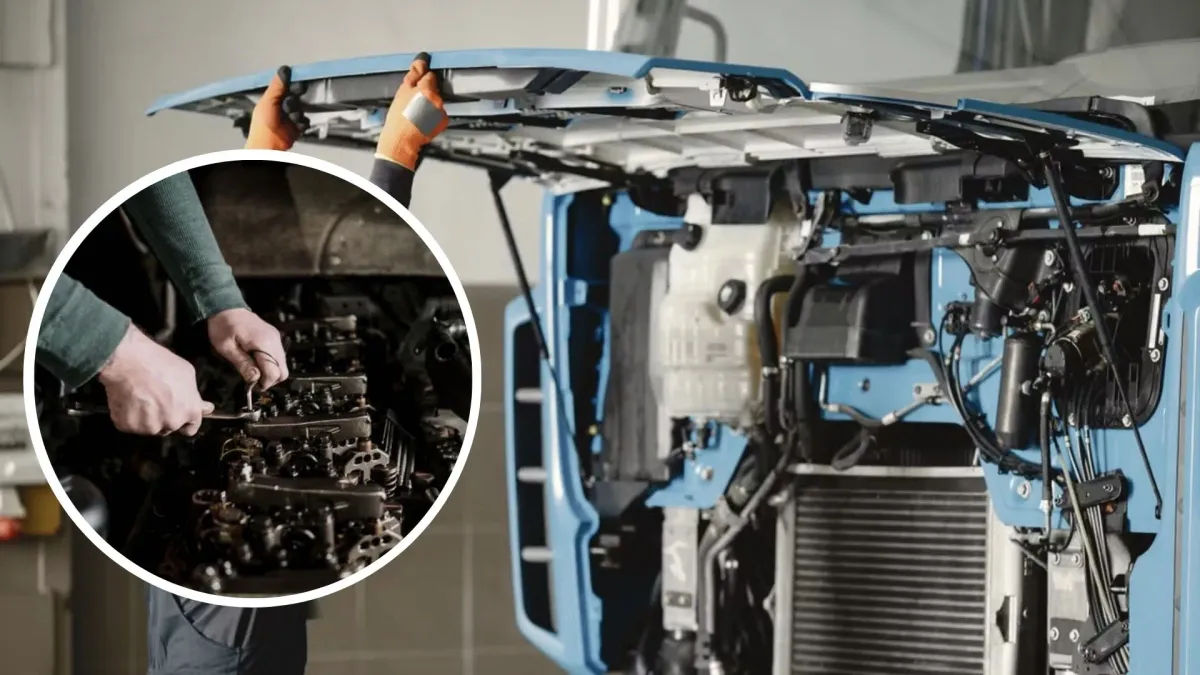
New alloys lighten truck engines.
Lighter, hotter, stronger: ORNL researchers developed advanced aluminum alloys for truck engines. These alloys meet GM's tough standards, promising over 10% better fuel efficiency.
Problems get solved every day. Here's how.
902 stories

Lighter, hotter, stronger: ORNL researchers developed advanced aluminum alloys for truck engines. These alloys meet GM's tough standards, promising over 10% better fuel efficiency.

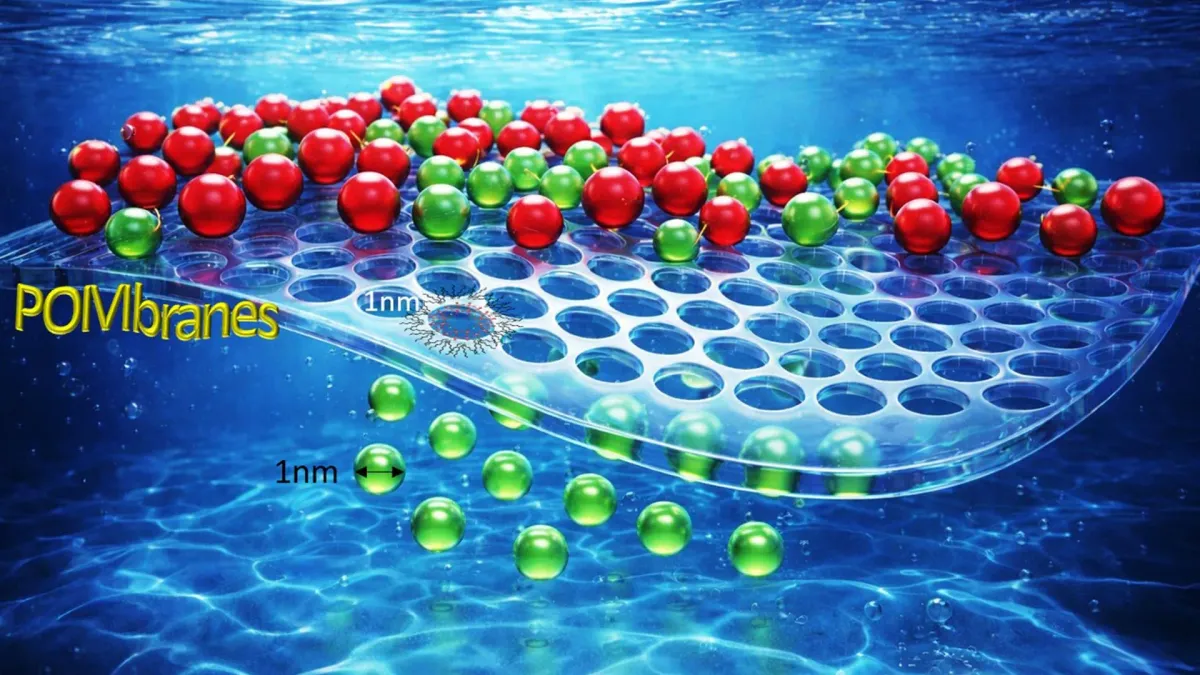
This new nature-inspired membrane uses perfectly uniform one-nanometer pores to filter molecules with remarkable precision. It could transform industries like pharma and textiles, cutting energy and boosting water reuse.

Ever been routed under a bridge or across a highway by your navigation app? Standard maps ignore safety and comfort. ASU is developing "Cool Routes" to map pedestrian journeys based on sun exposure and temperature.

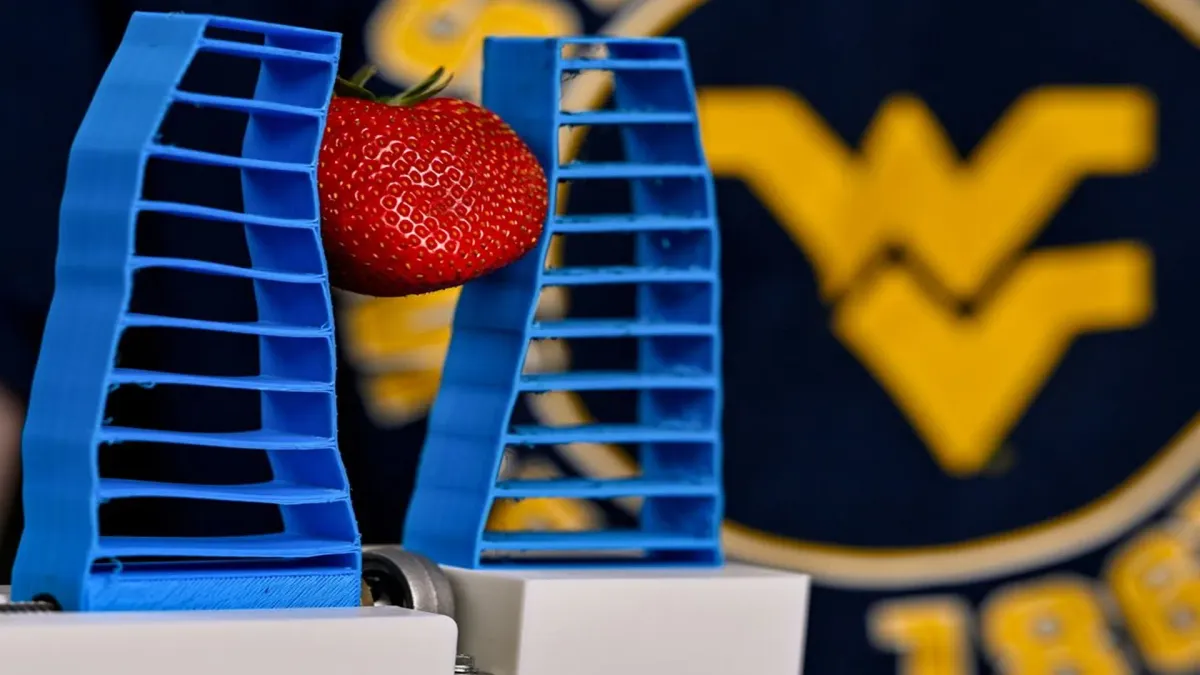
This soft robotic gripper inspects and harvests fruit without damage, reducing food waste and boosting efficiency. Its silicone fingers use sensors to assess ripeness, then gently twist stems to pick.

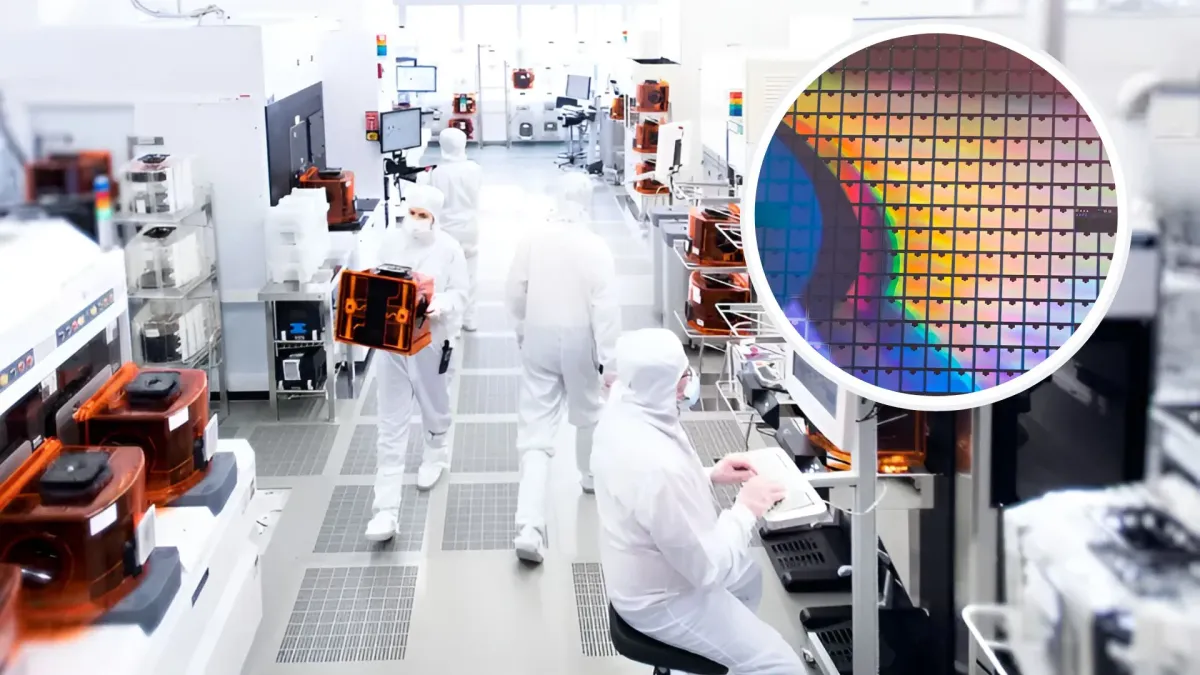
Europe just completed its first fully European end-to-end semiconductor manufacturing flow! GlobalFoundries and Qualinx achieved this milestone, proving secure chips can be designed and fabricated entirely within Europe.
Join 50,000+ readers who receive our daily digest of the most uplifting stories from around the world.

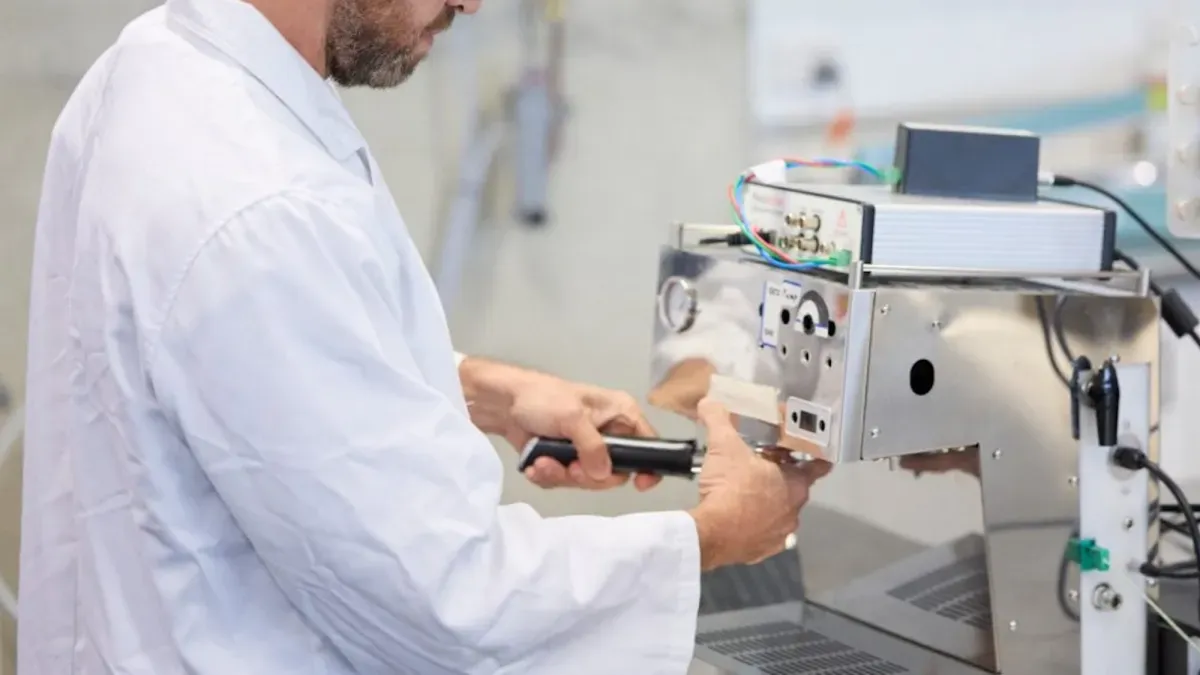
Espresso needs hot water and high pressure. But all those shots add up to an energy-intensive industry. Now, UNSW Sydney researchers found a way to make espresso with room-temperature water using ultrasonic soundwaves.

Millions of AI agents working unsupervised online could create real dangers, warns Google DeepMind. They're investing $10M to build a new field: multi-agent safety, before hypothetical risks become reality.

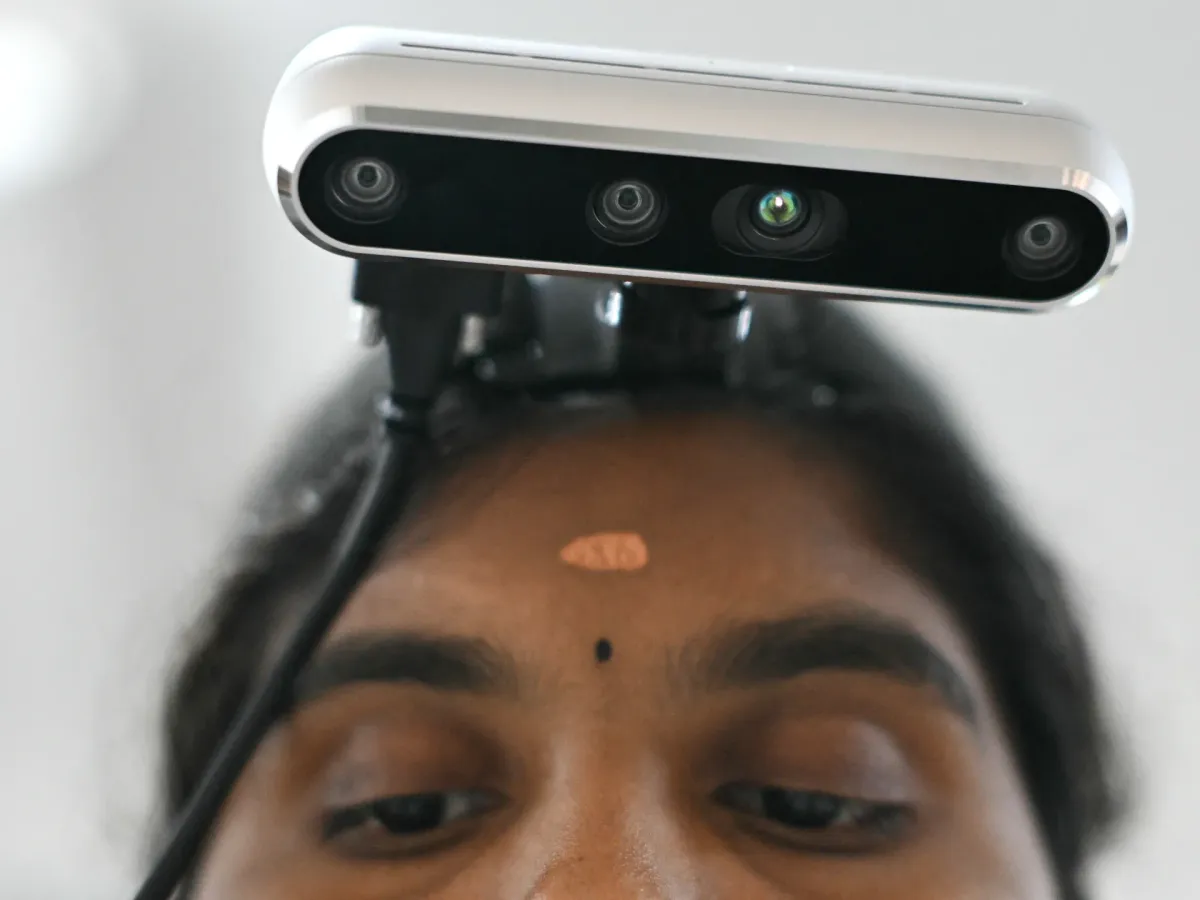
A smartphone strapped to her head, Nagireddy Sriramyachandra films mango slicing. Her mundane videos train AI robots for future household tasks, earning $2.6/hour.

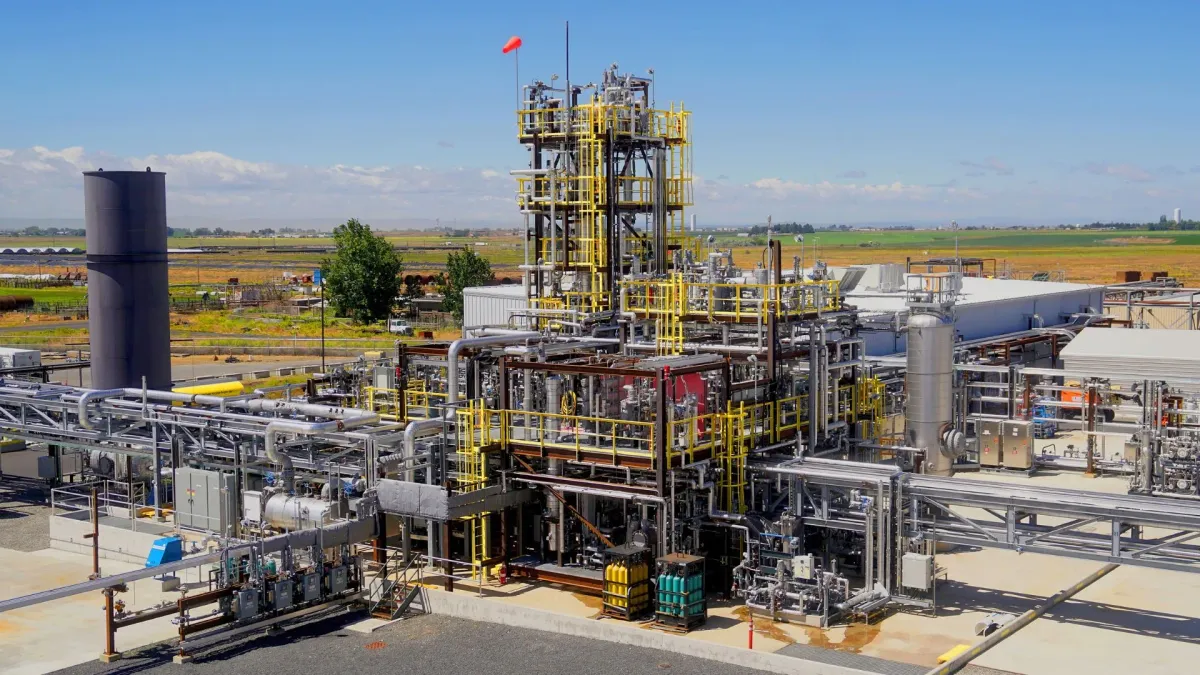
Jet fuel from thin air? America's first commercial plant, AirPlant One, is now open in Washington, turning captured CO2 and renewable electricity into E-Jet fuel. This tech could revolutionize aviation.

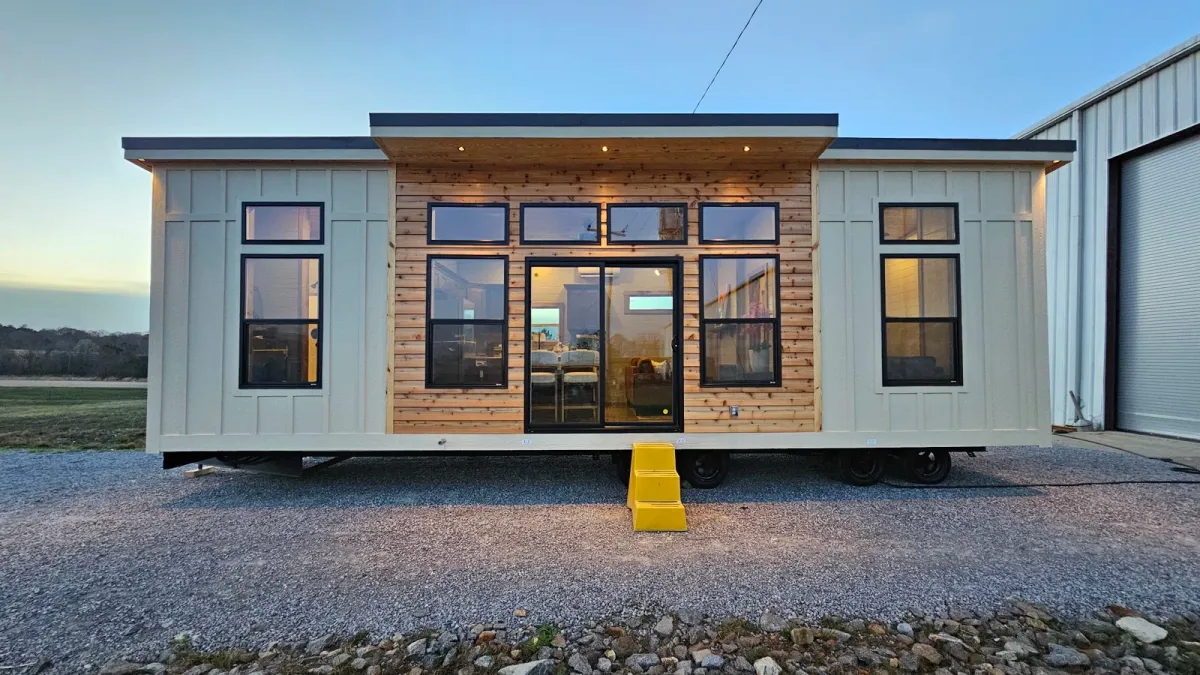
Forget tiny house compromises. The Berenstein Bear prioritizes comfort with an extra-wide design, offering a spacious living area, generous kitchen, and even a bathtub.
Brightcast is dedicated to restoring faith in humanity by highlighting the progress, solutions, and kindness that often go unnoticed. We believe in a balanced worldview.
Read our full mission →
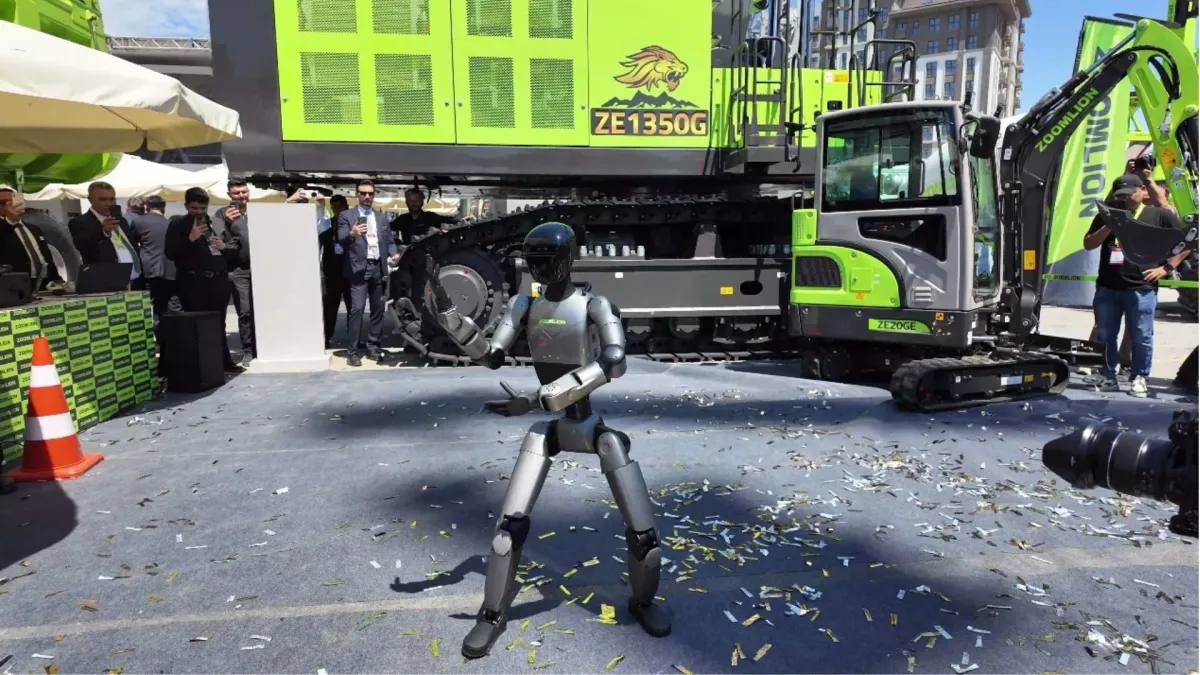
A Chinese humanoid robot stunned an industrial exhibition, performing Tai Chi with fluid, human-like grace. Zoomlion's Z01 showcased advanced motion control and dynamic balance, captivating audiences.

Decarbonizing steel could also store massive amounts of electricity. New research merges molten oxide electrolysis with iron-based flow batteries, offering a lithium-free energy storage solution.

AI's boom demands massive data centers, projected to consume 9-17% of US electricity by 2030. A third of that power cools AI chips—a problem Ferveret aims to solve.

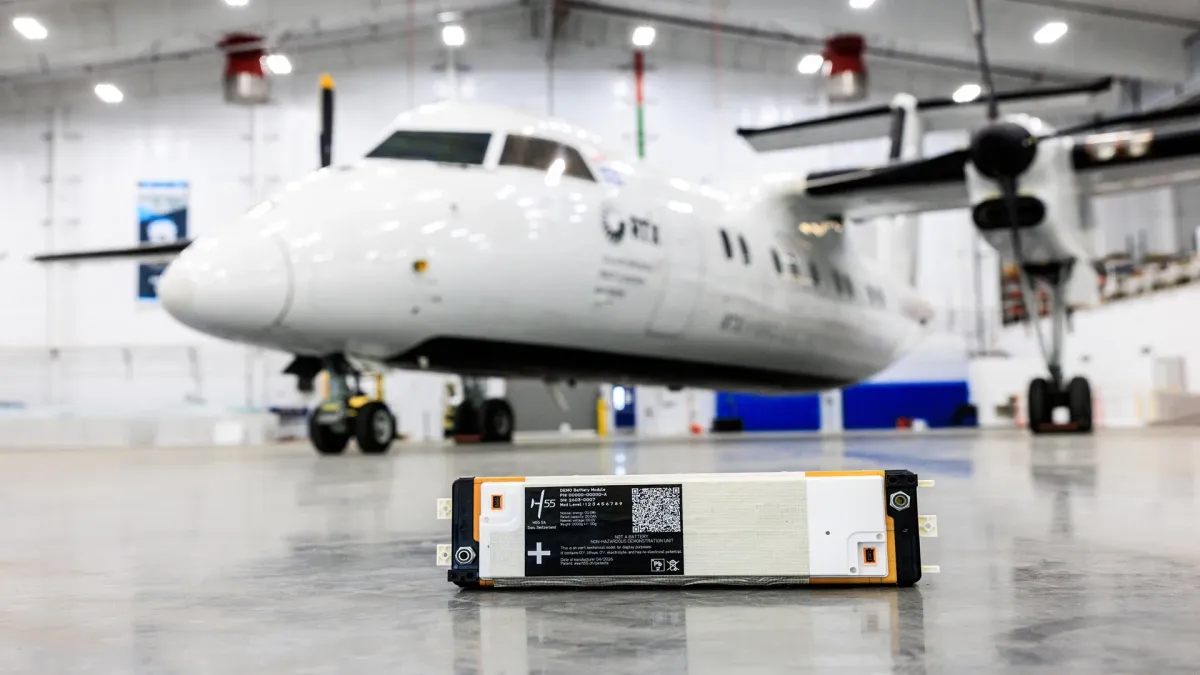
H55 delivered advanced battery modules to Pratt & Whitney Canada for RTX's hybrid-electric flight demonstrator. This key step propels the project into its integration and flight-testing phase.

Shore power upgrades take 3-7 years. A UK company's floating hydrogen platform eliminates the wait, delivering instant port electrification without construction or grid overhauls.
Know someone who needs a boost? Share Brightcast with your friends and family.

Forget cramped tiny living. The 400-sq-ft Miami tiny house offers an extra-wide, single-floor layout, feeling more like a spacious apartment for two.

The UK just committed £1.1 billion ($1.47B) to AI, unveiling a national supercomputer and funding homegrown chip development. It's a race for AI control.

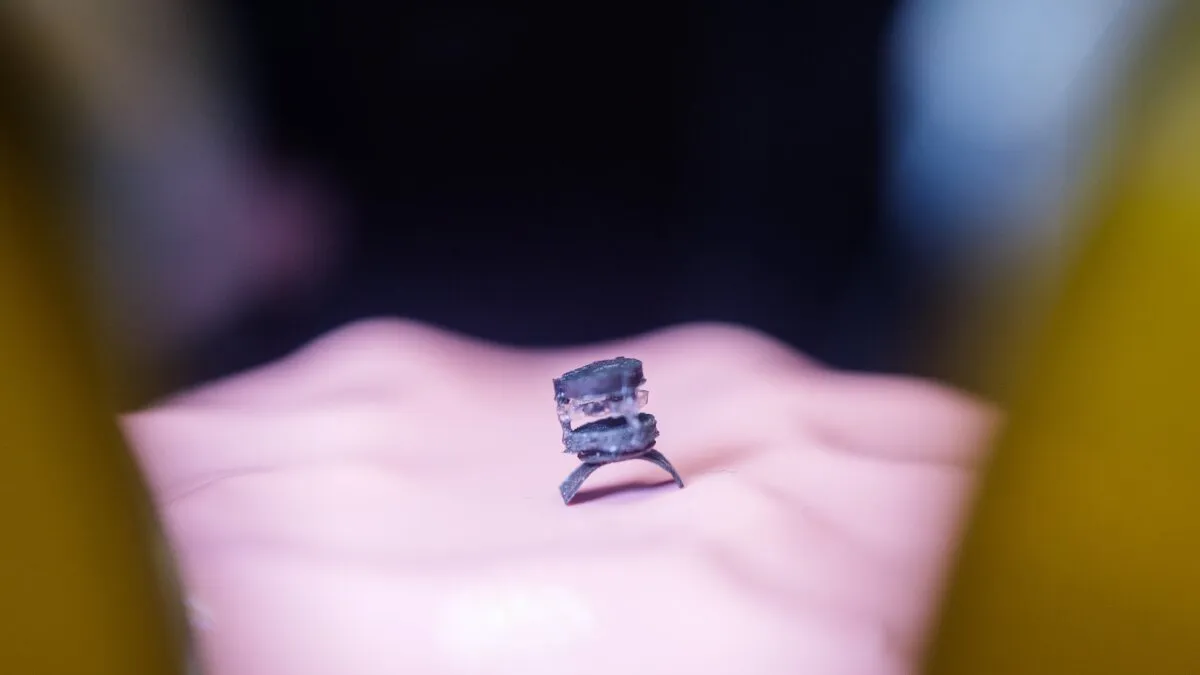
A surgical robot that moves, cuts, releases drugs, grips samples, and generates heat? Scientists just unveiled a 5-in-1 robot that fits on your fingertip!

Apple unveiled new AI features at its developer conference, emphasizing security and child safety while critiquing competitors.

A light railway once snaked from Wisbech, England, through the Cambridgeshire fens to Upwell, a vital agricultural hub 6 miles away. This tramway was an experiment in bypassing costly parliamentary acts.
Download the Brightcast app for a better reading experience, daily notifications, and offline access.
Download App
Long lines and paper forms? Obsolete. State and local governments are embracing digital self-service, transforming how they meet community needs with greater efficiency and effectiveness.

CATL is revolutionizing energy storage! Customer deliveries of its sodium-ion battery systems begin in September, with gigawatt-hour scale shipments expected by 2026.

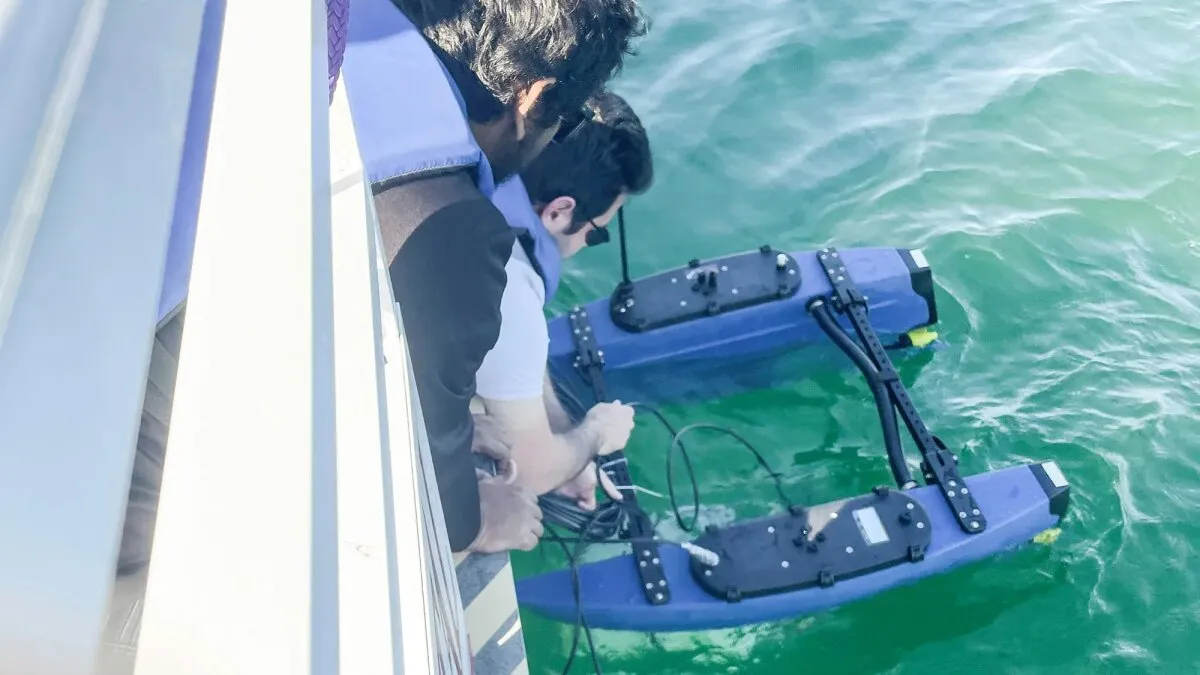
Underwater robots go silent once submerged. Now, new antenna tech, inspired by medical implants, lets submarine machines communicate with each other—and us—from the deep.

Thirsty for freshwater and energy? New solar panels pull potable water and lithium from seawater, leaving no brine waste.

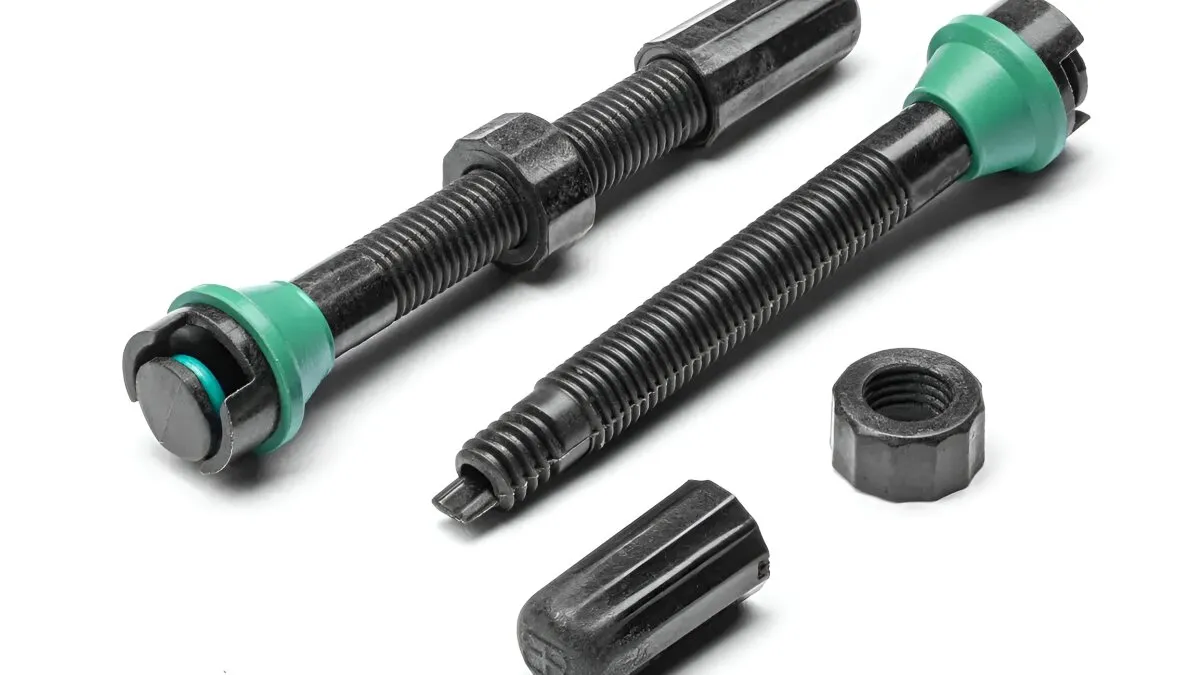
Cyclists secretly hate Presta valves. The Aether valve stem eliminates the problematic core, promising a much more loving relationship with your bike.
Join 50,000+ readers who receive our daily digest of the most uplifting stories from around the world.

Air travel in 2026 is a headache, but boarding is pure dread. Groups, zones, and priority seating turned a simple process into a 40-minute ordeal, up from 15 in the 70s.

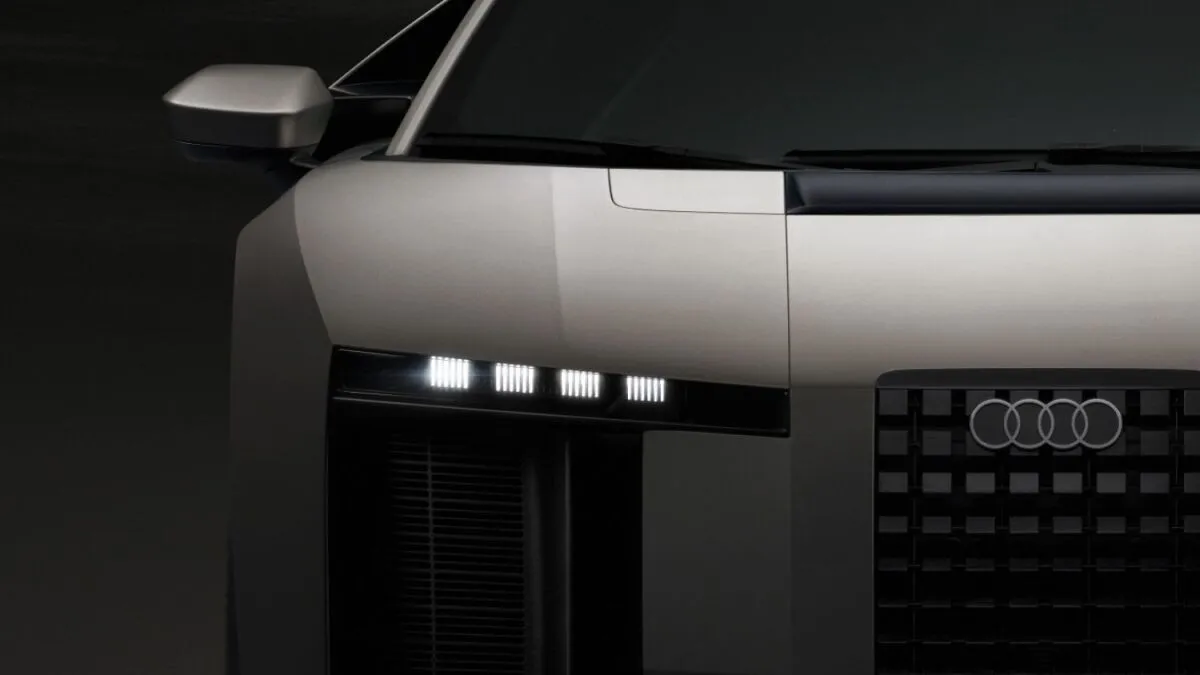
Audi just dropped a bombshell: the Nuvolari. This 217-mph, 1,001-bhp hybrid supercar appeared out of nowhere, stunning the automotive world.

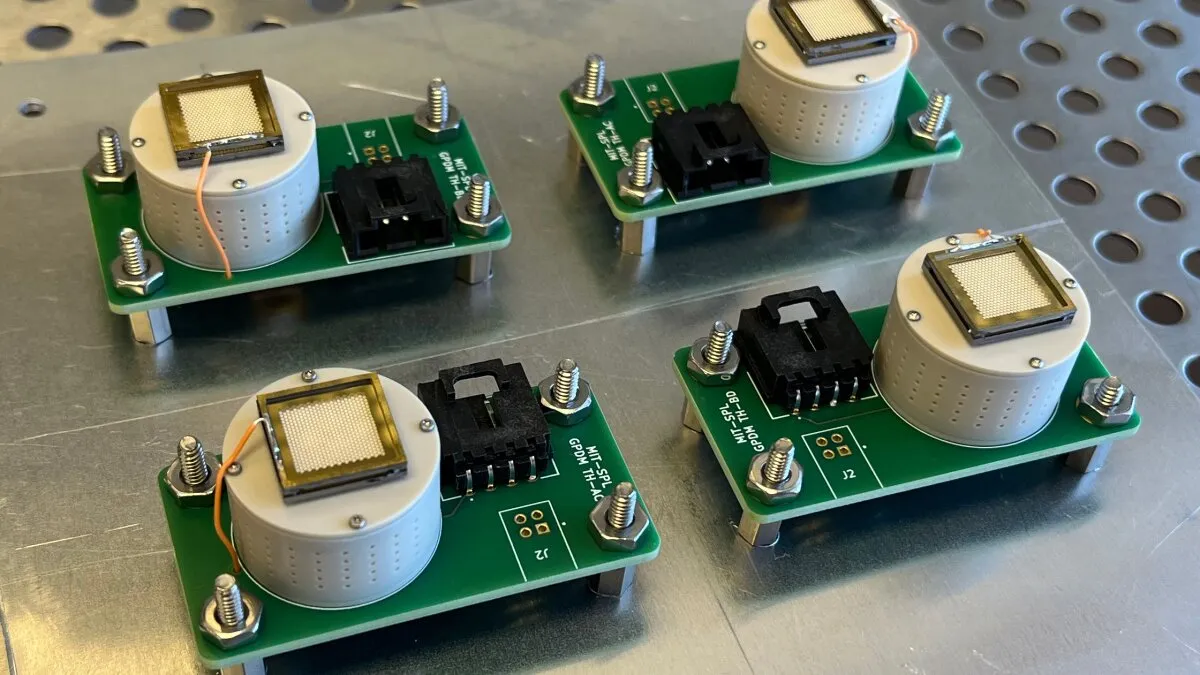
Engineers at MIT have successfully tested a hybrid propulsion system for small satellites that combines the raw punch of chemical rockets with the long-haul efficiency of electric thrusters – and crucially, both run on the same fuel. This tech could propel cheap, briefcase-sized spacecraft to Mars a...

Uber and Lyft have released transparency reports on sexual harassment, physical altercations, and fatalities since 2018, following passenger demands for greater accountability.

Get ready, NYC! The FIFA World Cup is coming, bringing up to 100,000 extra travelers daily. Transit officials are gearing up for the massive influx of fans.

Brightcast is dedicated to restoring faith in humanity by highlighting the progress, solutions, and kindness that often go unnoticed. We believe in a balanced worldview.
Read our full mission →
Blurry images plague every lens, from microscopes to smartphones. UCSD engineers now correct these distortions using a tiny optical element and AI, sharpening your view.

Hurricane Helene unleashed record flooding and damage in Asheville, NC on Sept 28, 2024. Residents are now making calls amidst the devastation.

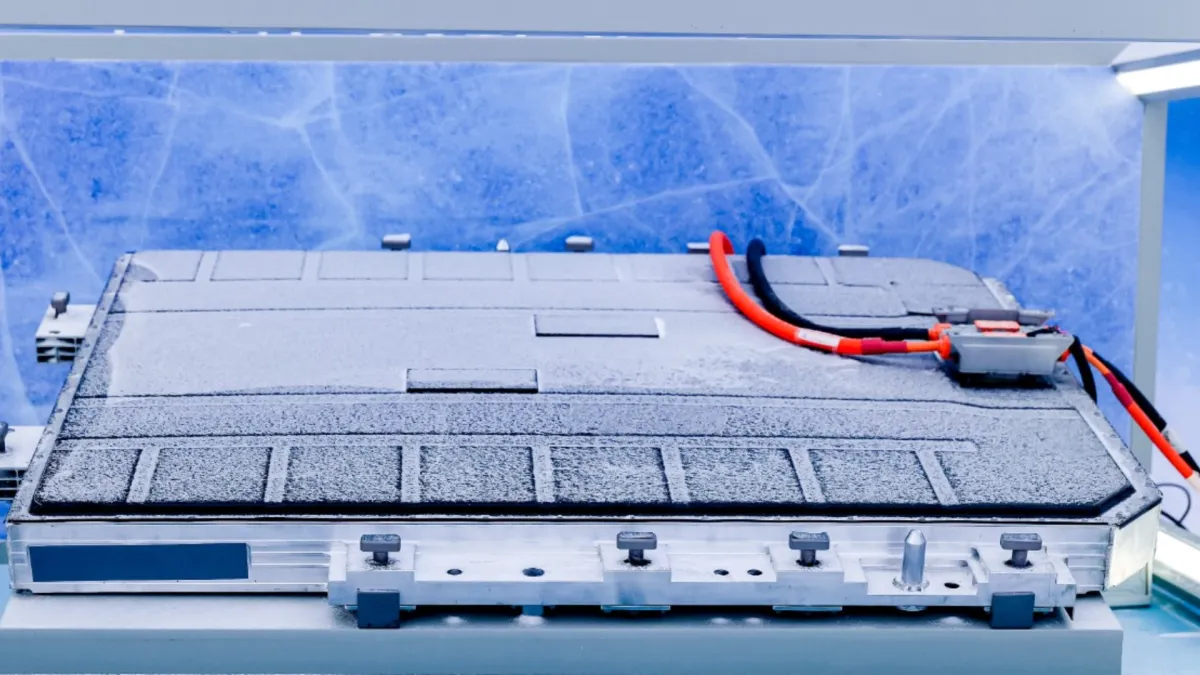
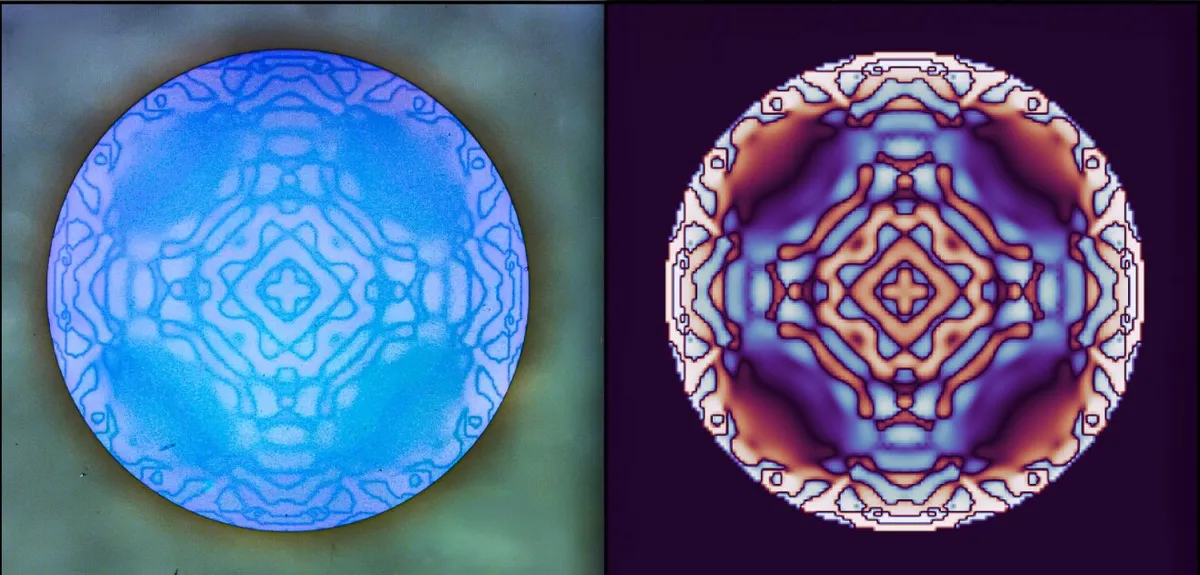
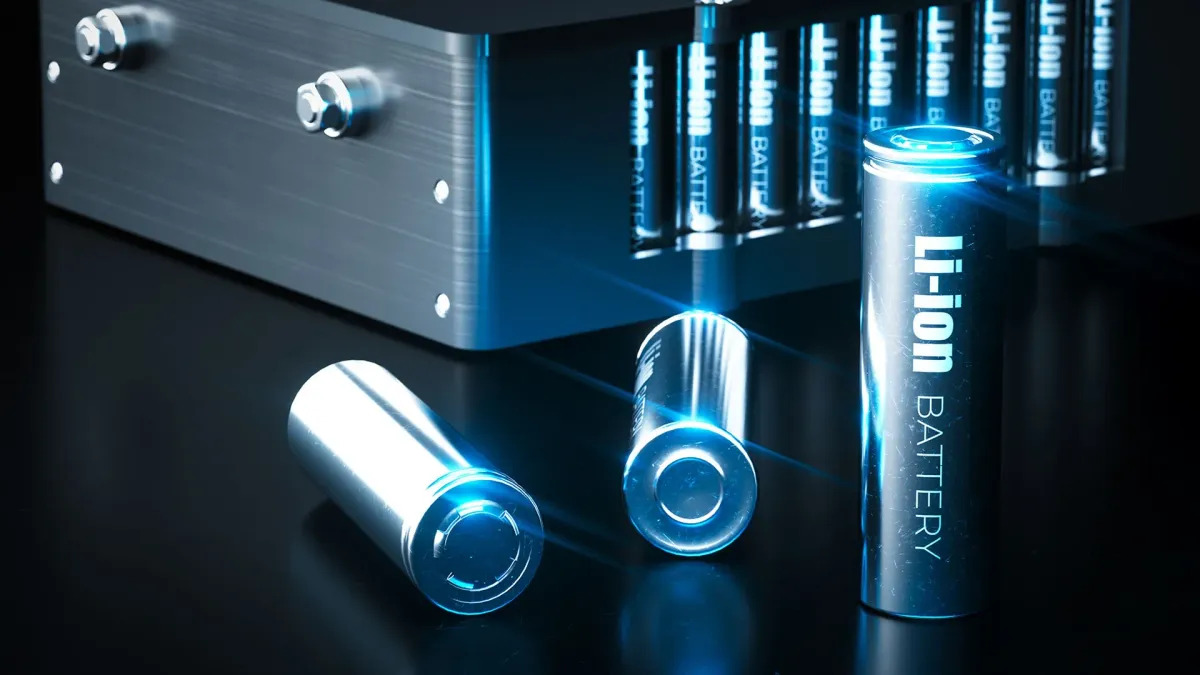
New polymer electrolyte unlocks lithium metal batteries' full potential. Researchers developed a cross-linked poly(THF) to enable wide-temperature, high-voltage performance.

NASA's bizarre X-59 jet is ready for its sonic boom moment. This unique aircraft will soon fly faster than sound, a milestone it was engineered to achieve.

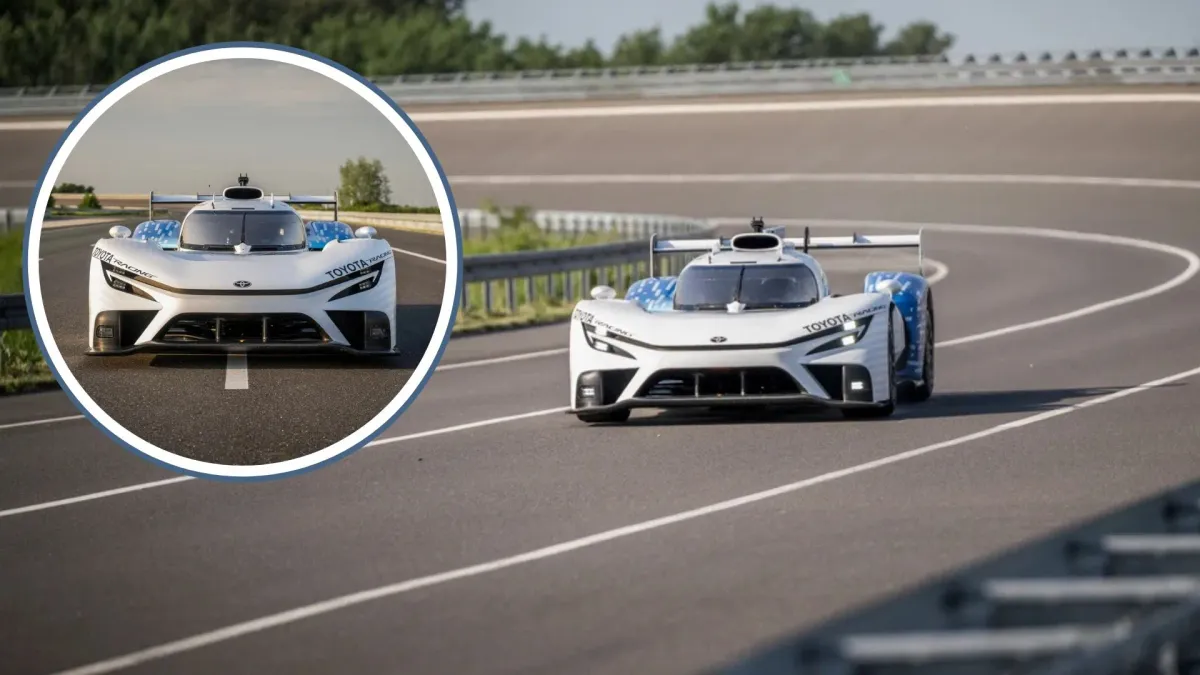
Toyota unveils its liquid hydrogen-powered TR LH2 Racing Prototype at Le Mans next week. This experimental race car demonstrates Toyota's commitment to hydrogen combustion in endurance racing.
Know someone who needs a boost? Share Brightcast with your friends and family.

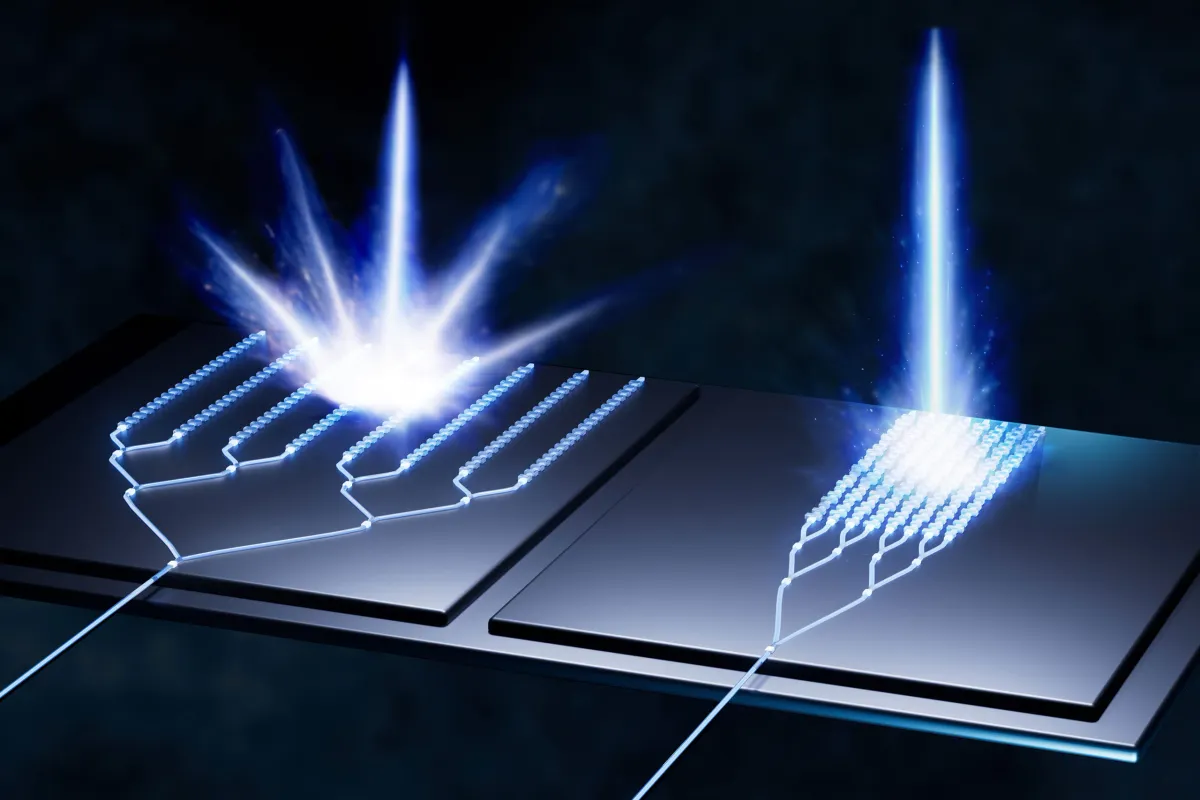
MIT's new lidar chip uses specially engineered antennas to reduce interference and widen its field of view.

AI products are transforming the public sector. Samsara, an AI and tech provider, is rapidly expanding its municipal footprint, bringing new solutions to cities.

Dhaka's traffic rule-breakers once faced a familiar routine: a brief standoff, pleading, or a quiet bribe. Now, a comprehensive reform of the transport management system is urgently needed.

Fly nearly a full day? Airbus's A350-1000ULR, chosen by Qantas for Project Sunrise, just completed its first test flight. This modified jet promises extreme range.

Forget multiple sleeping bags. TravelBird's ThermoShift, now on Kickstarter, combines three components into one adaptive system, ready for any temperature.