S

Science
1 months ago
The "old button" that rewrites Norway's Viking history.
A Norwegian hobbyist found a "button" near Utstein Abbey. Months later, he realized his dingy discovery was actually a rare, ancient treasure.
60
0
48

Breakthroughs happen quietly. We make sure you hear about them.
2782 stories
A Norwegian hobbyist found a "button" near Utstein Abbey. Months later, he realized his dingy discovery was actually a rare, ancient treasure.
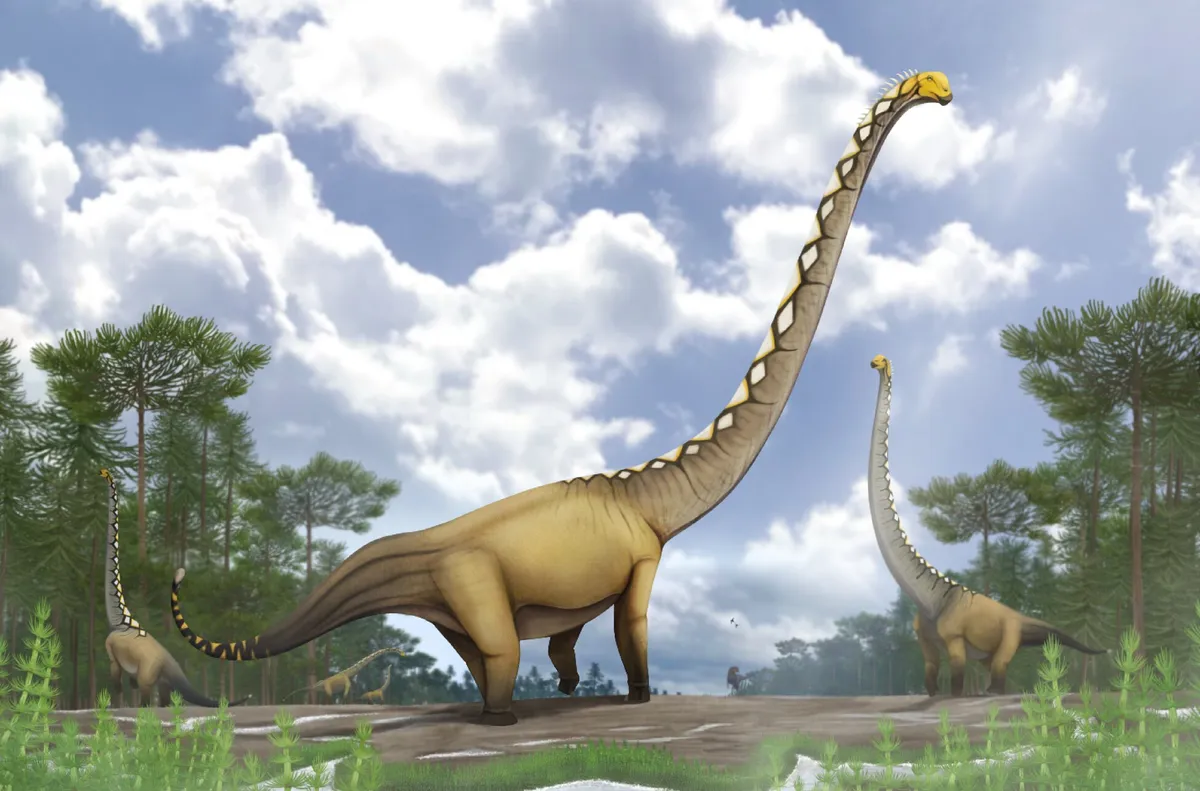
Thailand unveils its first formally named mamenchisaurid! A new long-necked dinosaur, Uragasaurus kalasinensis, was discovered in the Phu Kradung Formation.

Soft lithium dendrites crack hard ceramics in solid-state batteries, causing short circuits. This breakthrough could lead to safer, longer-lasting batteries for EVs and smartphones.

Archaeologists may have overidentified olive oil in ancient pottery. Mediterranean soil chemistry could be the surprising culprit.
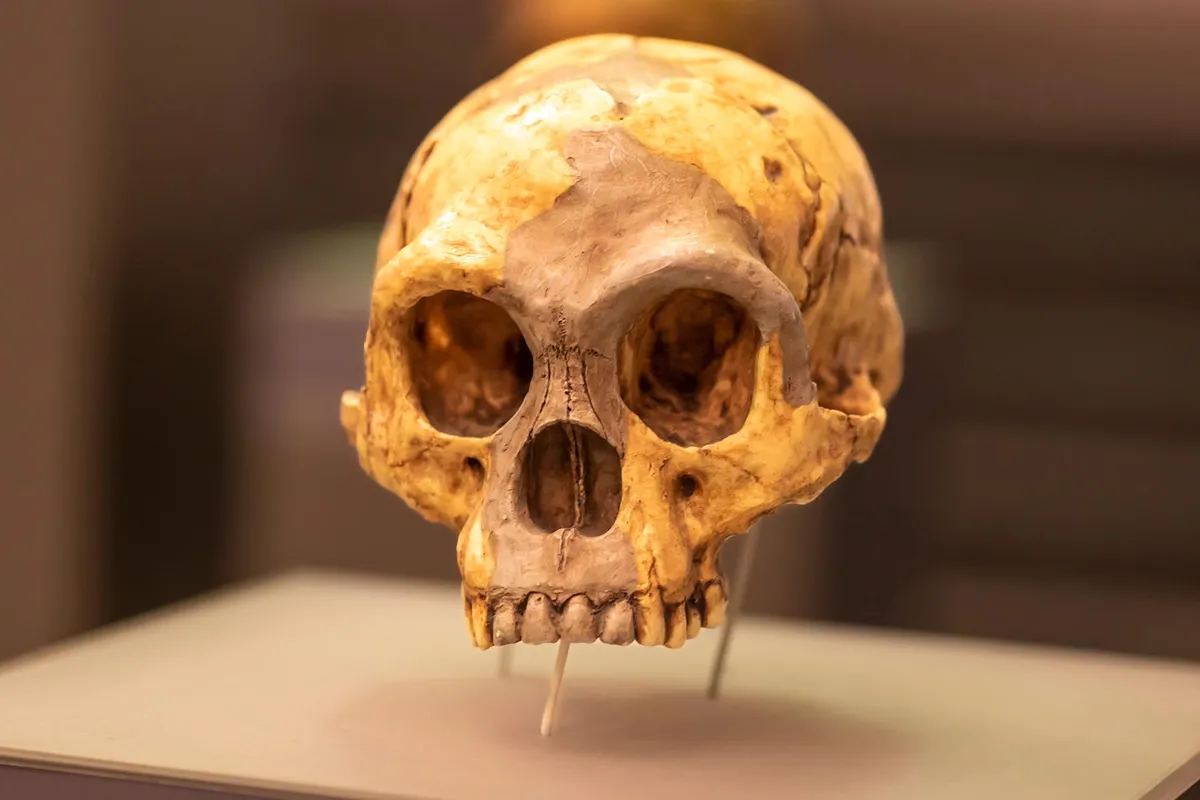
Flores's long drought may have driven Homo floresiensis and its prey from their cave refuge.
Join 50,000+ readers who receive our daily digest of the most uplifting stories from around the world.
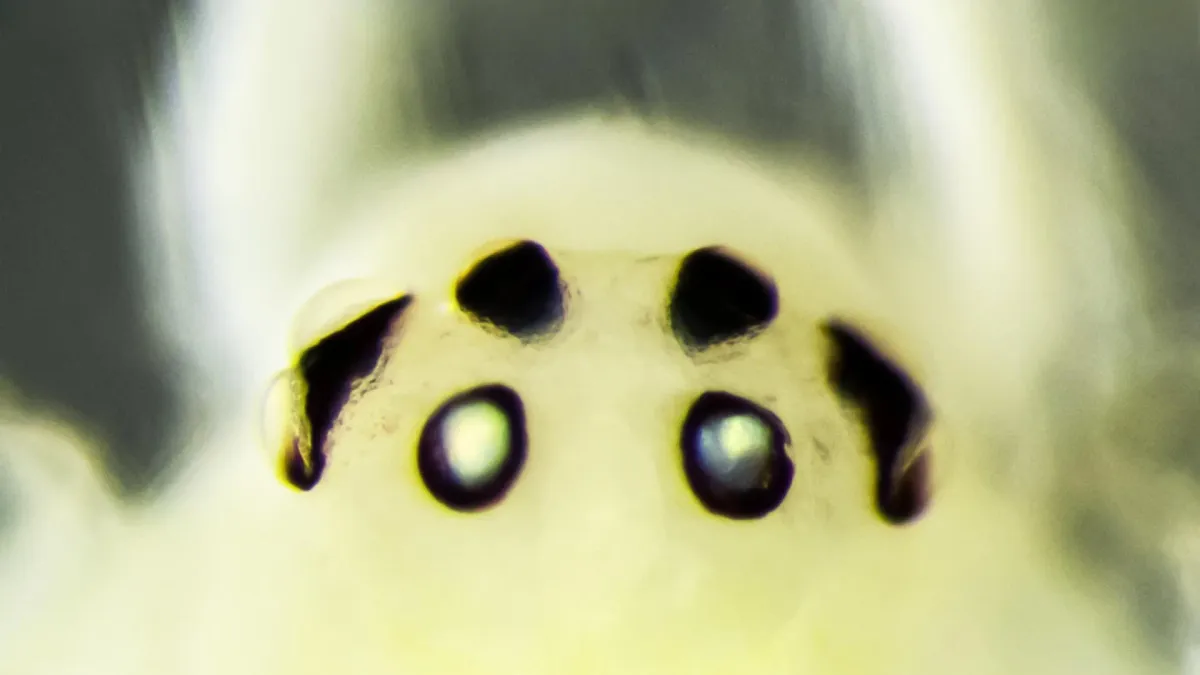
A newly discovered Himalayan Happy-Face spider, sporting a mysterious smile, closely resembles Hawaii's iconic species. DNA confirms independent evolution, baffling scientists.
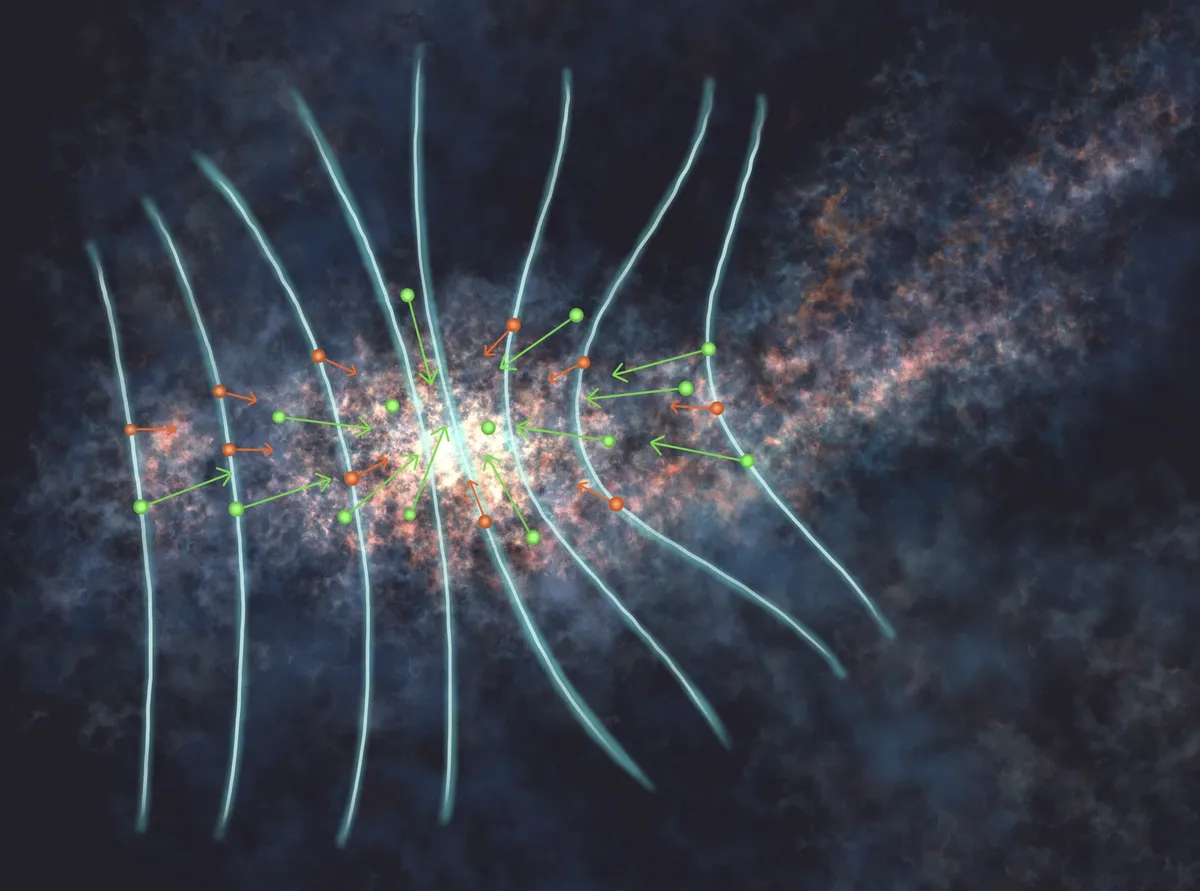
Stars ignite from collapsing prestellar cores—cold, dense gas and dust clouds. Radio telescopes now reveal new insights into this cosmic birth, unraveling long-held mysteries.
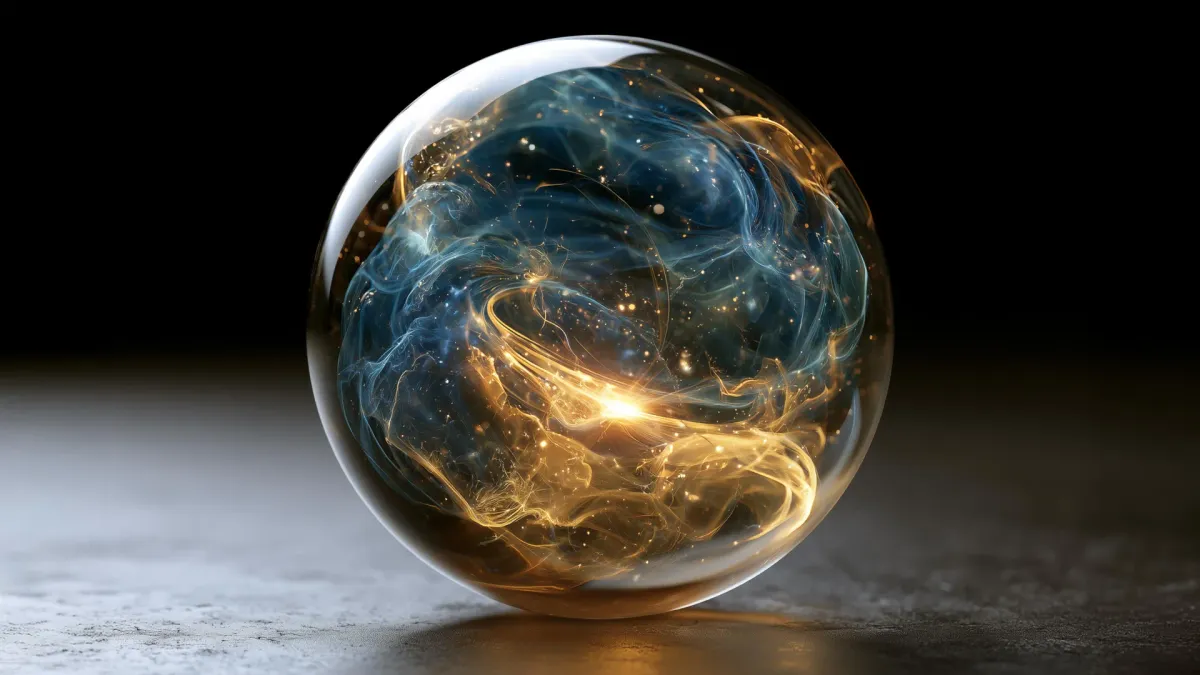
What if time isn't fundamental? Birmingham scientists created a "mini-universe" with 24,000 ultracold atoms, showing time can emerge from changes within a quantum system.

Imagine a planet with one side always burning, the other frozen. New research suggests internal heat could circulate, creating stable temperatures and a chance for life.
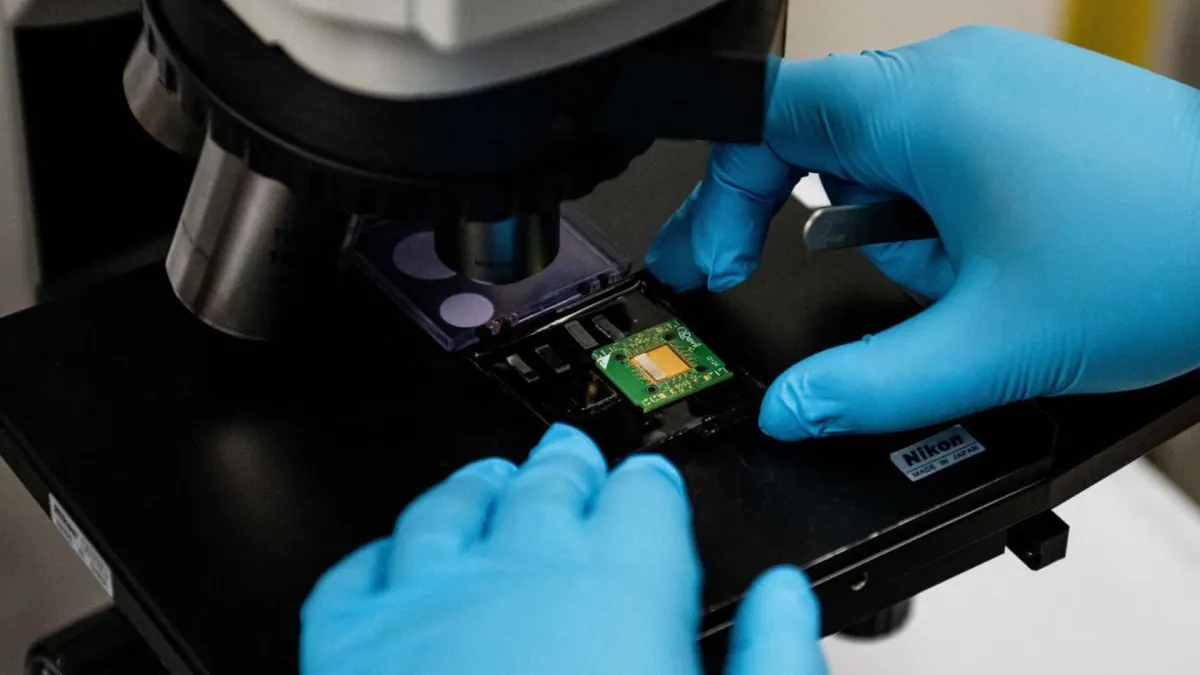
A magnetic quantum material naturally exhibits exotic quantum behaviors, previously only seen in complex engineered systems. This breakthrough could revolutionize sensors and quantum devices.
Brightcast is dedicated to restoring faith in humanity by highlighting the progress, solutions, and kindness that often go unnoticed. We believe in a balanced worldview.
Read our full mission →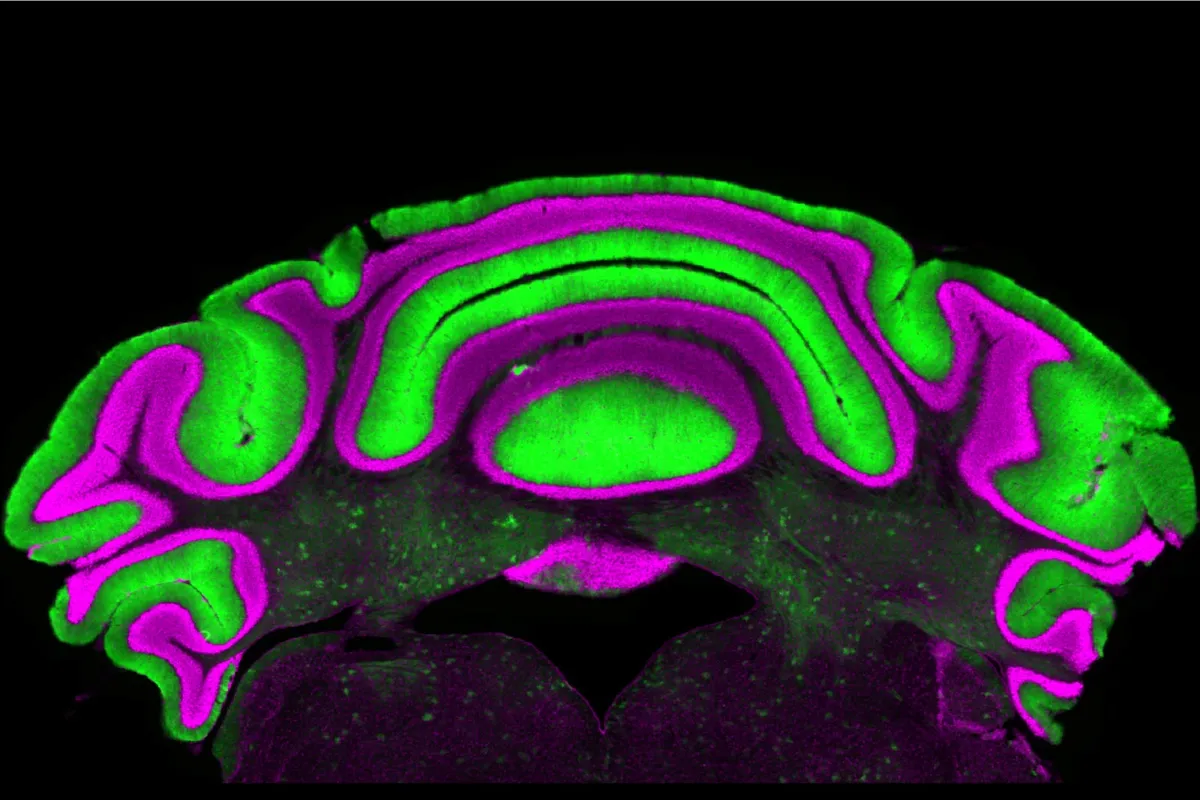
A key brain signal may have misled researchers studying movement disorders. This discovery could transform how these conditions are understood and treated.
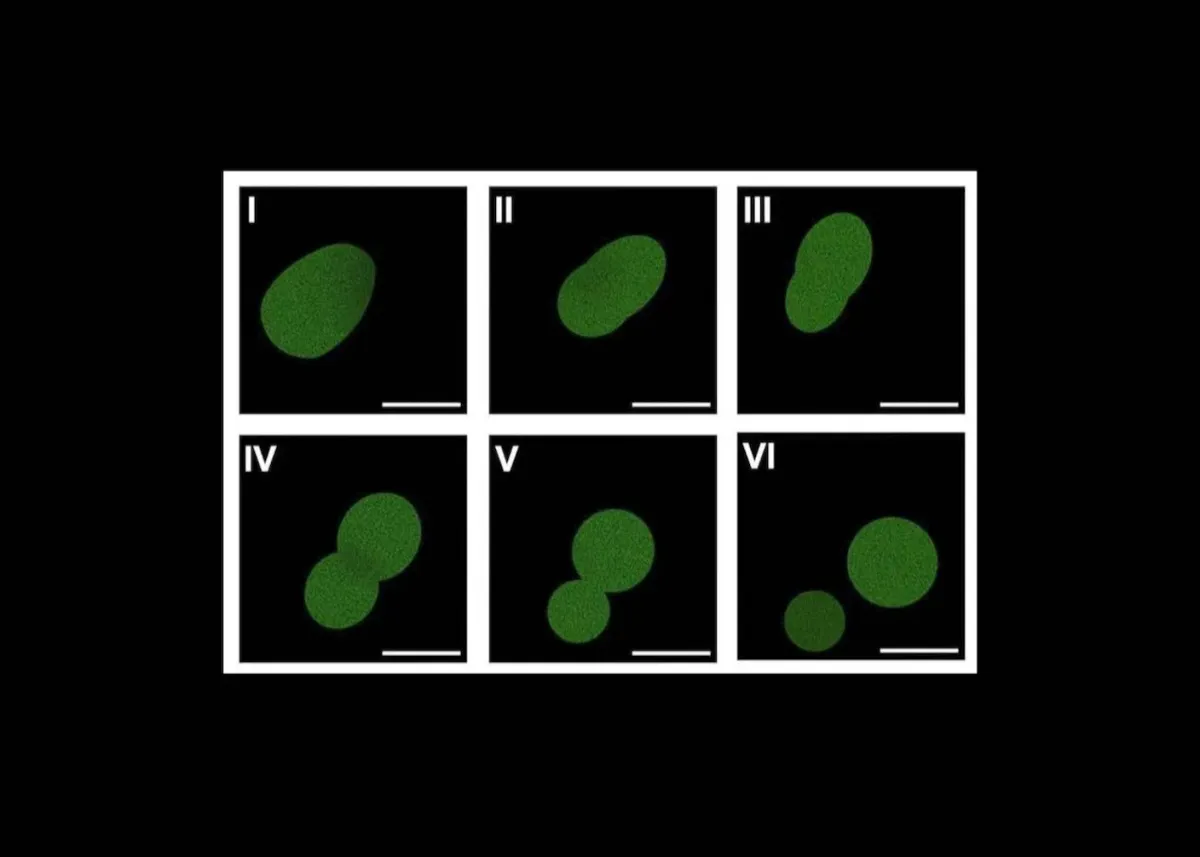
Building life from scratch? SpudCell takes synthetic biology a huge step closer. Researchers assembled non-living components into a system that grows, copies DNA, and divides.
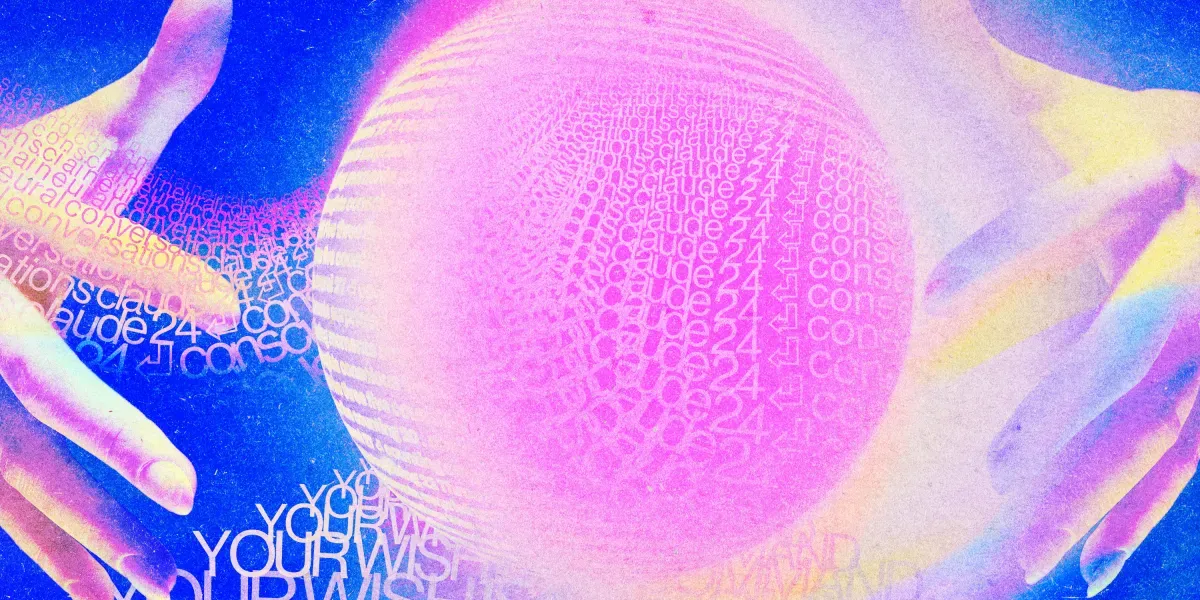
Anthropic peered inside LLMs, revealing their inner workings. What they found, using their new J-lens tool, ranges from mundane to unnerving.
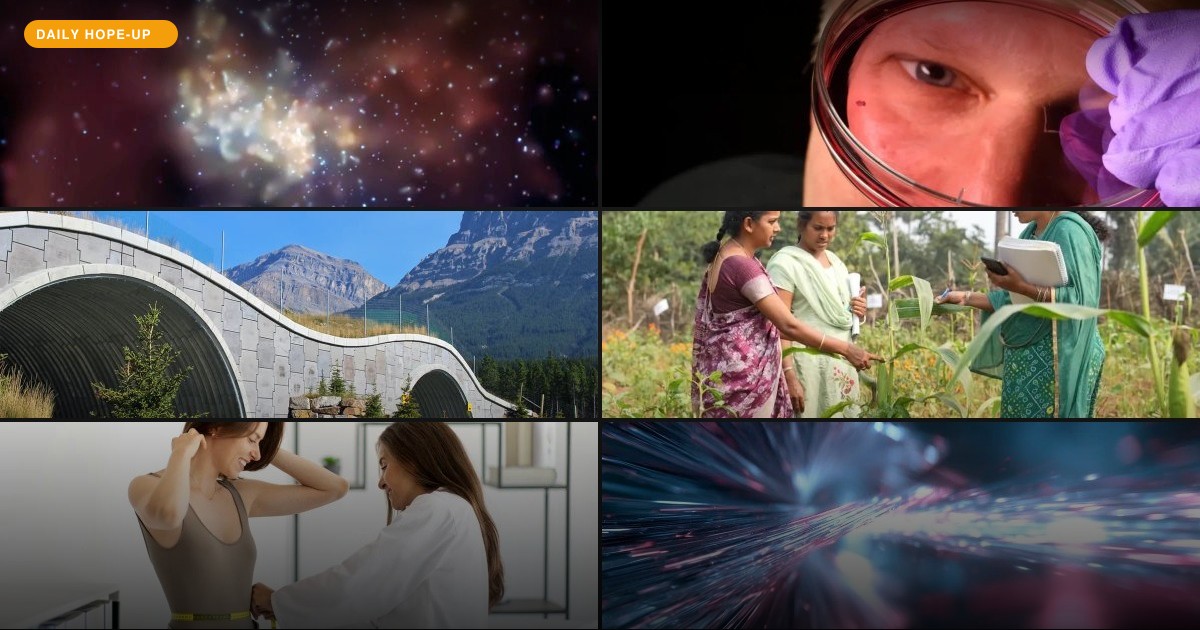
From a gentle black hole to farmers winning big for ditching chemicals, today's news reveals a universe more resilient and adaptable than we thought. Plus, a blighted urban inlet becomes a global blueprint for renewal.
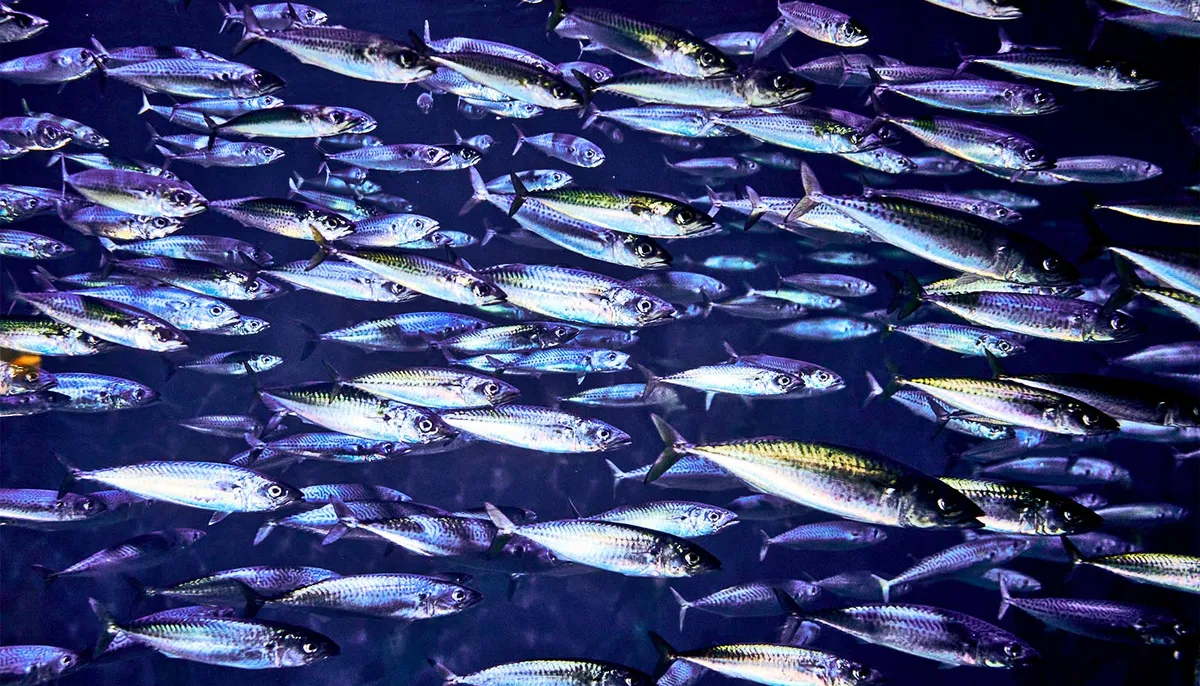
Ever wonder how bird flocks and fish schools move in sync? New research reveals their secret: they behave like soft crystals, finally solving a long-standing mystery of collective animal motion.
Know someone who needs a boost? Share Brightcast with your friends and family.
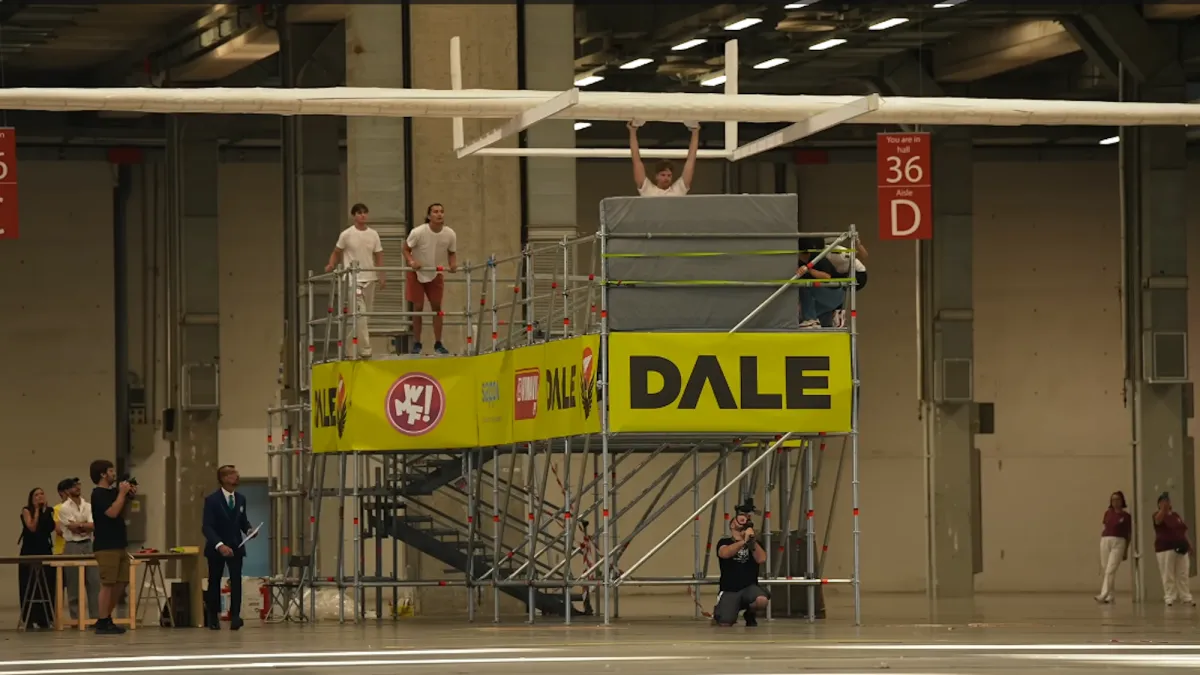
Forget classroom gliders. Italian students just flew a 23-foot paper airplane 200 feet, shattering expectations with the world's largest paper plane.

Oaks keep absorbing CO2 long after growth ends, decoupling photosynthesis from wood production. This discovery could transform forecasts for future forest carbon storage.
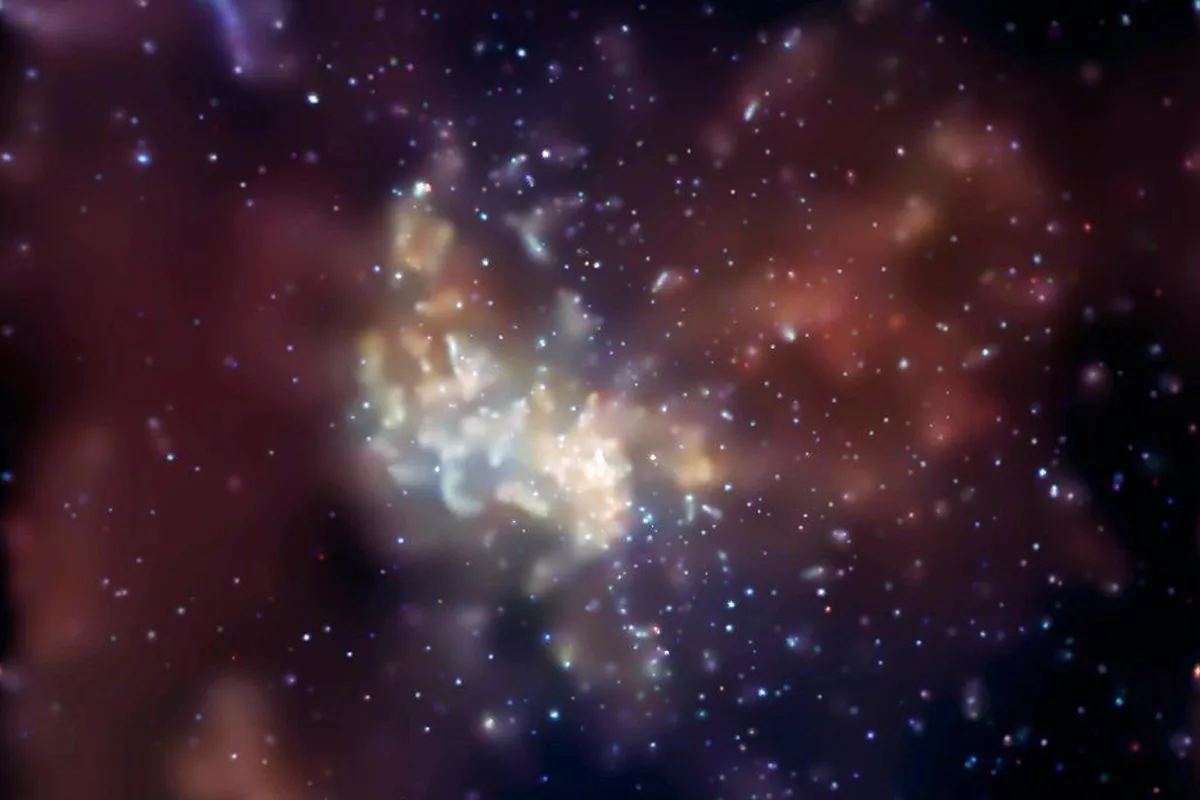
The Milky Way's supermassive black hole isn't the dust-gobbler we thought! New observations reveal it's not consuming nearby dust objects.
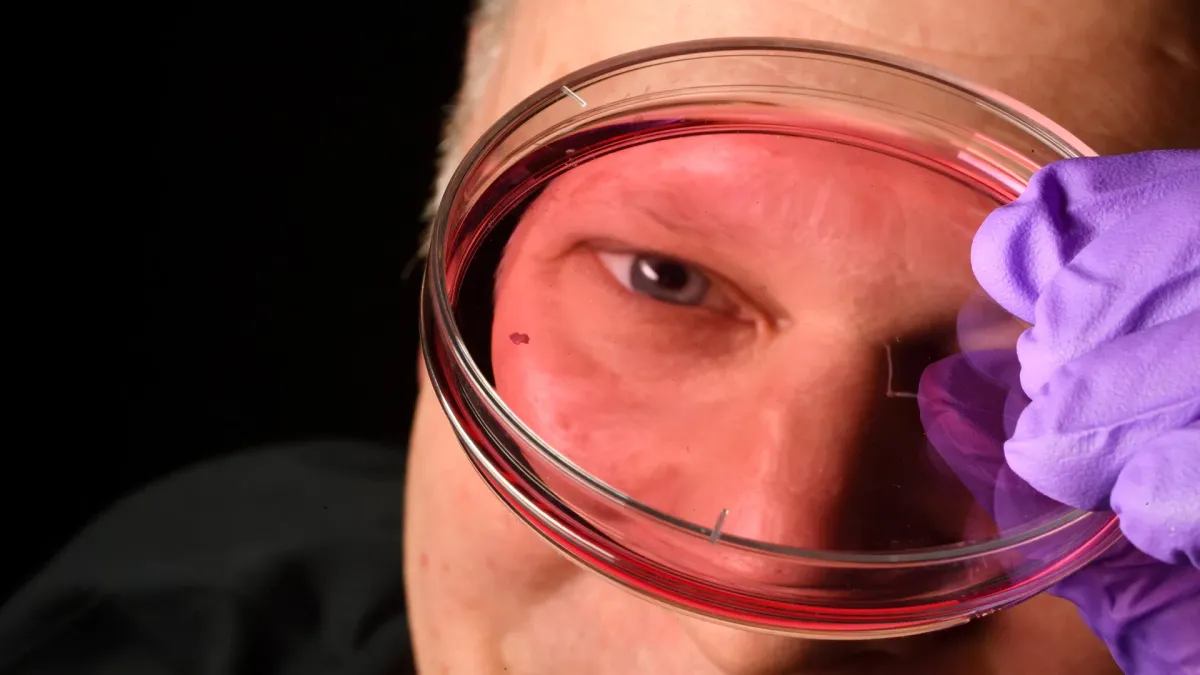
Forget everything you knew about fetal vision! Blue cone cells don't migrate; they transform into red and green cones, thanks to vitamin A, completely reshaping our understanding of sharp central vision development.
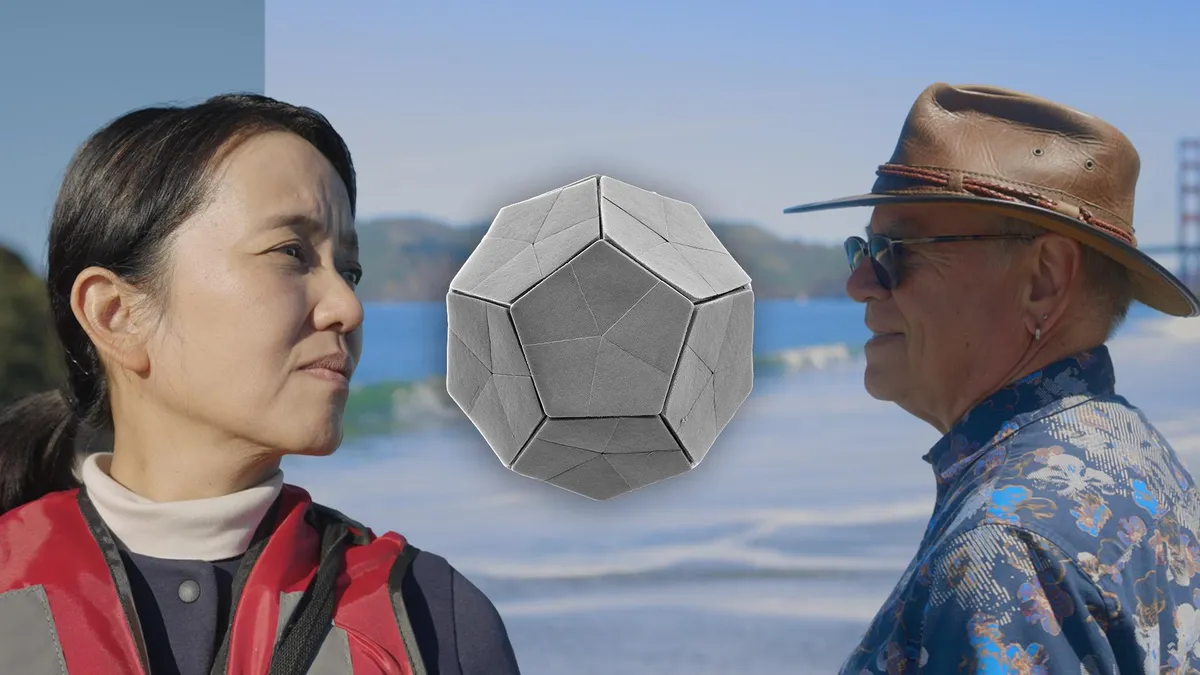
For decades, oceanographer Jon Zehr hunted an invisible organism. His quest began in the '90s, studying nitrogen-fixing bacteria—microbes pulling nitrogen from the air, vital for life.
Download the Brightcast app for a better reading experience, daily notifications, and offline access.
Download App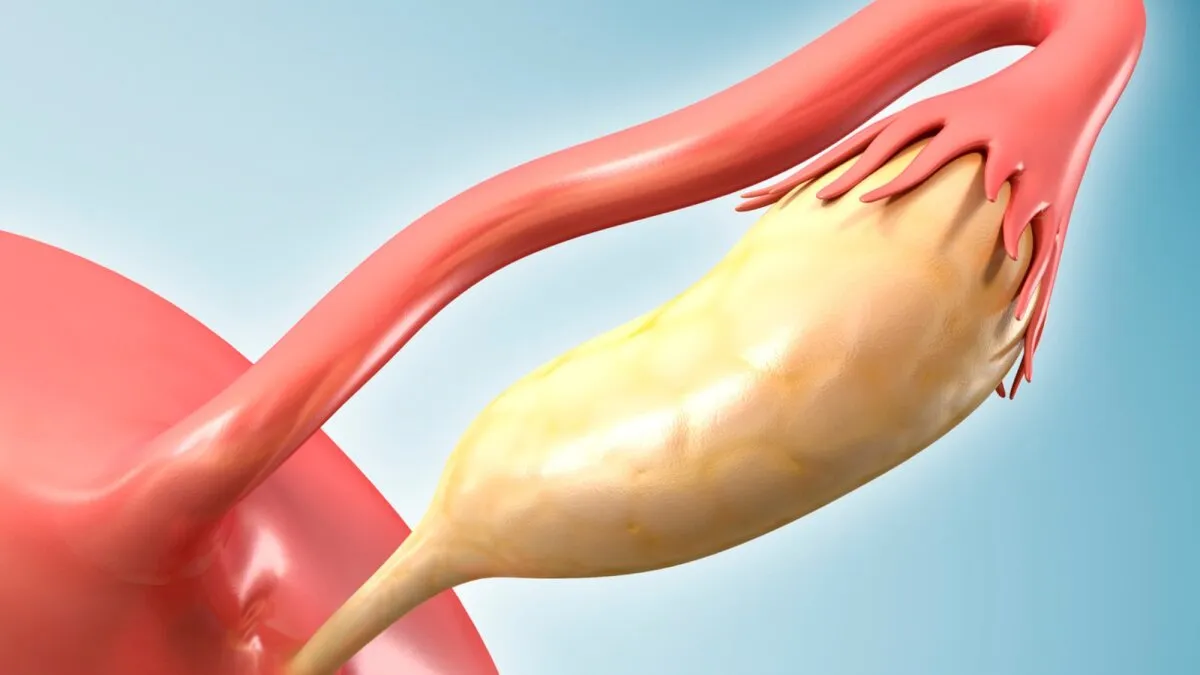
Your ovaries are aging faster than any other organ. Their egg supply dwindles throughout life, leaving just ~1,000 follicles by menopause.
Twisting ultra-thin material gave scientists surprising control over quantum light. This brings future quantum technologies closer to reality.
UC Berkeley and UCSF have launched a joint program called the Bakar Computational Biomedicine Initiative to develop the frontier of AI and biomedicine, tremendously accelerating advances in clinical care. The new partnership brings together world-class faculty expertise in computing, AI, statistics,...
From quantum weirdness to wildlife crossings, today's news shows unexpected solutions emerging. A Kenyan farmer beats pests with a clever trick, and a scholar connects 90,000 students online.

com%2Fwhy-some-families-stay-healthy-for-decades-longer%2F "Facebook") [Twitter](https://twitter. com%2Fwhy-some-families-stay-healthy-for-decades-longer%2F&text=Why%20Some%20Families%20Stay%20Healthy%20for%20Decades%20Longer "Twitter") [LinkedIn](https://www.
Join 50,000+ readers who receive our daily digest of the most uplifting stories from around the world.
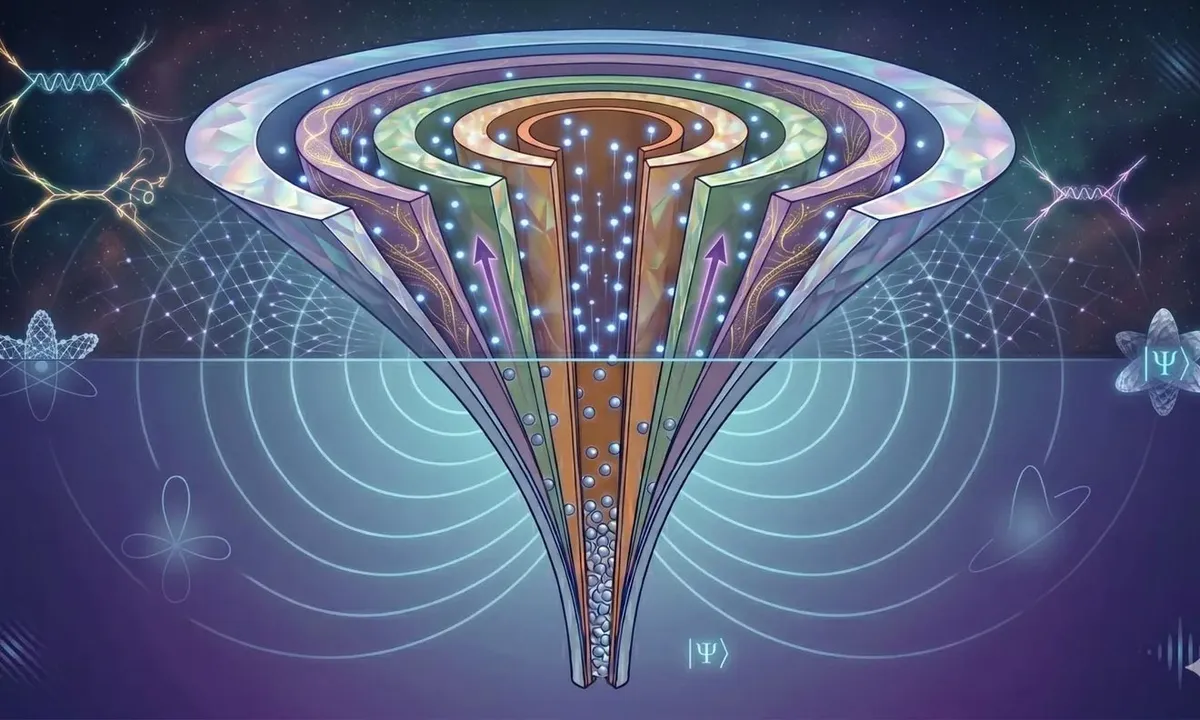
Scientists engineered a never-before-seen quantum state, uncovering a new phase of matter with hidden order. This discovery challenges conventional theory.
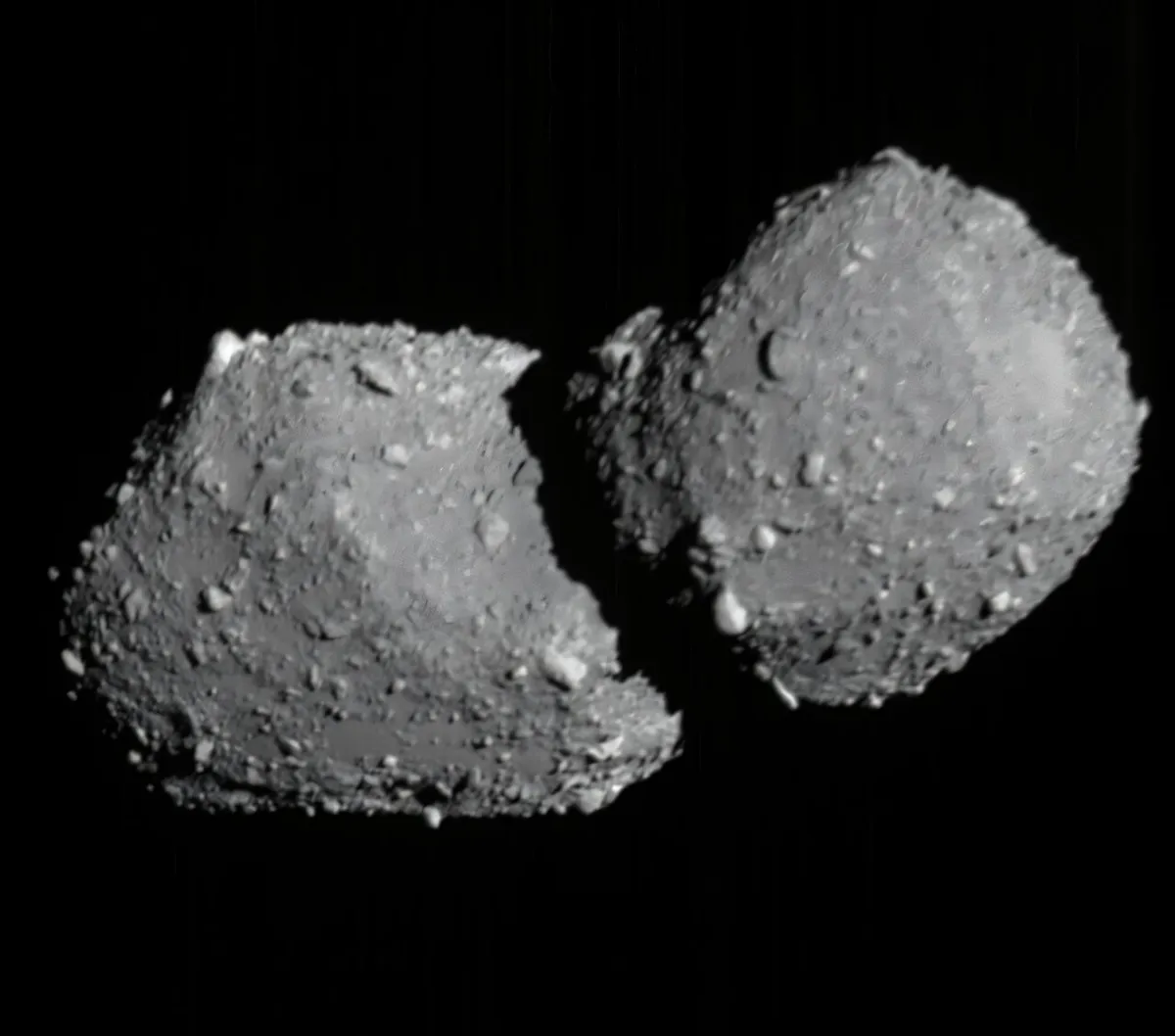
Hayabusa2's main mission is complete. JAXA's asteroid sampler rendezvoused with Ryugu in June 2018, studying it for 1.5 years and returning a sample to Earth in December 2020.
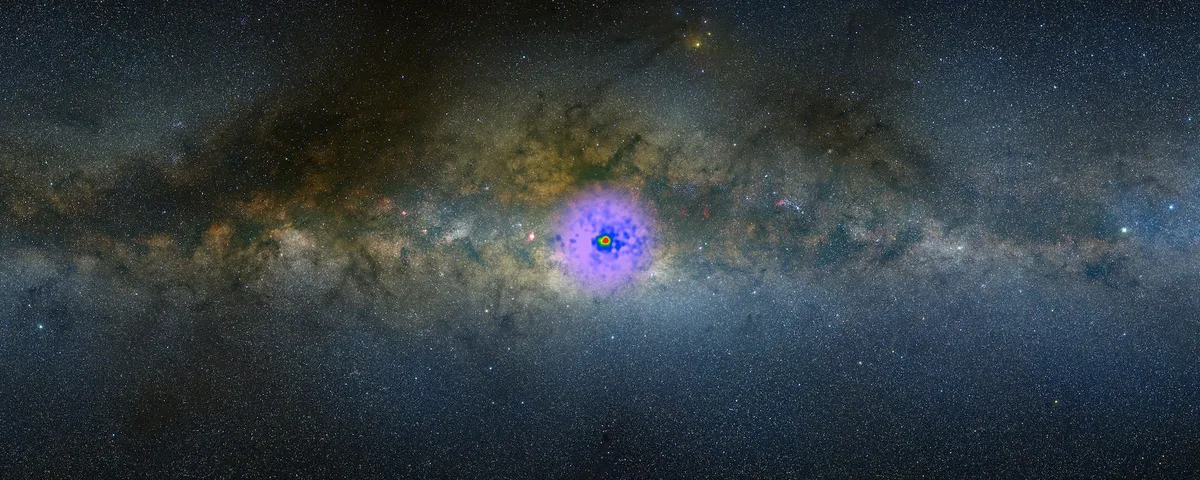
Machine learning just reshaped a major Milky Way debate. Scientists used AI to re-examine our galaxy's mysterious gamma-ray glow, uncovering new evidence.
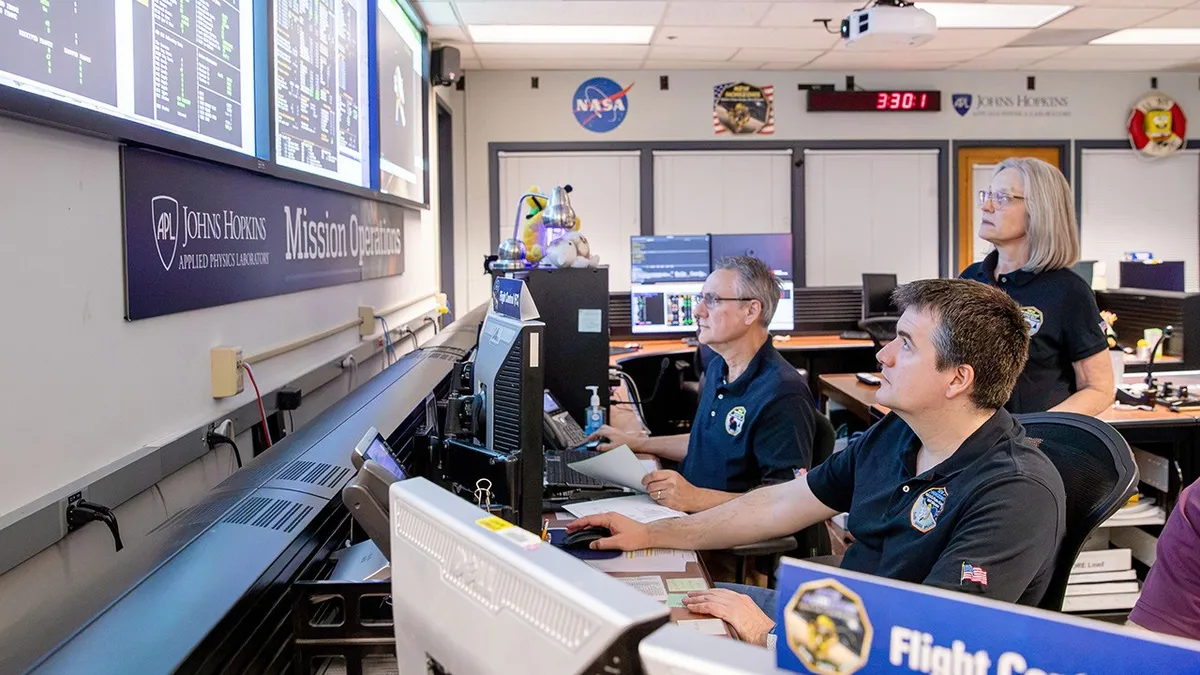
After nearly a year, NASA's New Horizons spacecraft awakens from its longest hibernation! It's healthy and ready to beam back science data from the distant Kuiper Belt, far beyond Pluto.

Imagine programming heat itself. A new material directs thermal radiation, switches modes, and remembers settings without power, promising smarter sensors and energy tech.
Brightcast is dedicated to restoring faith in humanity by highlighting the progress, solutions, and kindness that often go unnoticed. We believe in a balanced worldview.
Read our full mission →
Searching for ancient Martian life? ESA's Rosalind Franklin rover will analyze chiral organic molecules with MOMA, seeking signs of a warmer, wetter Mars from billions of years ago.
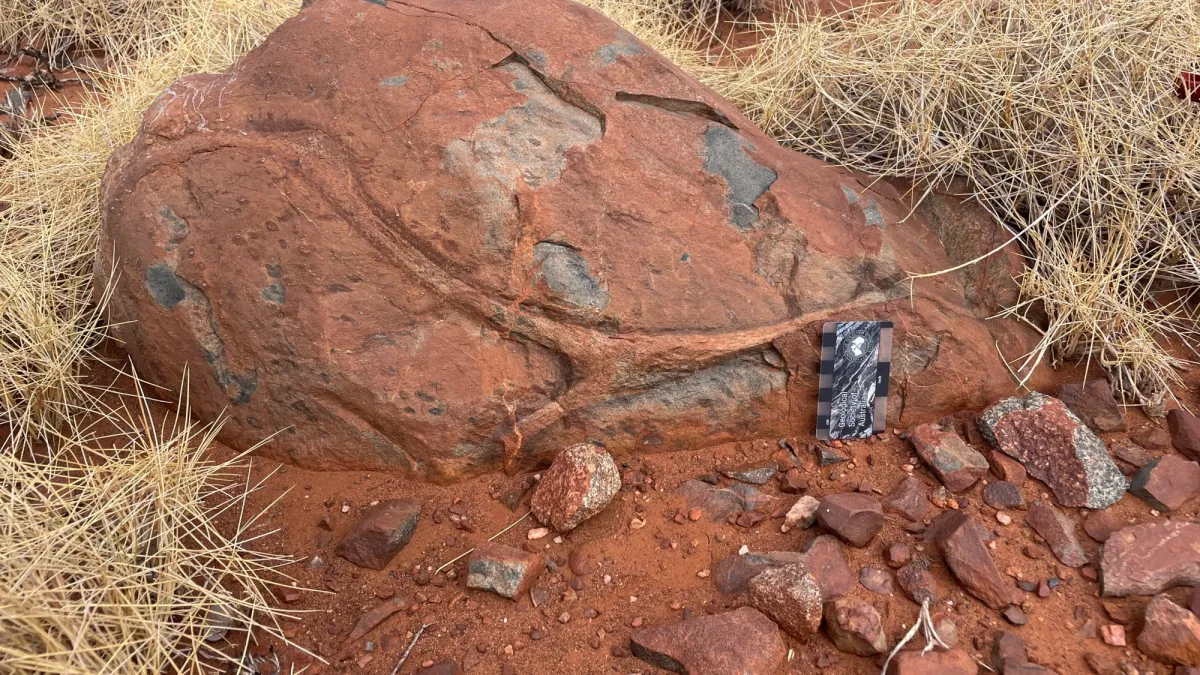
Three-billion-year-old Australian volcanic rocks hold secrets to Earth's origins and life itself. Water likely shaped Earth's interior and drove volcanism over three billion years ago.
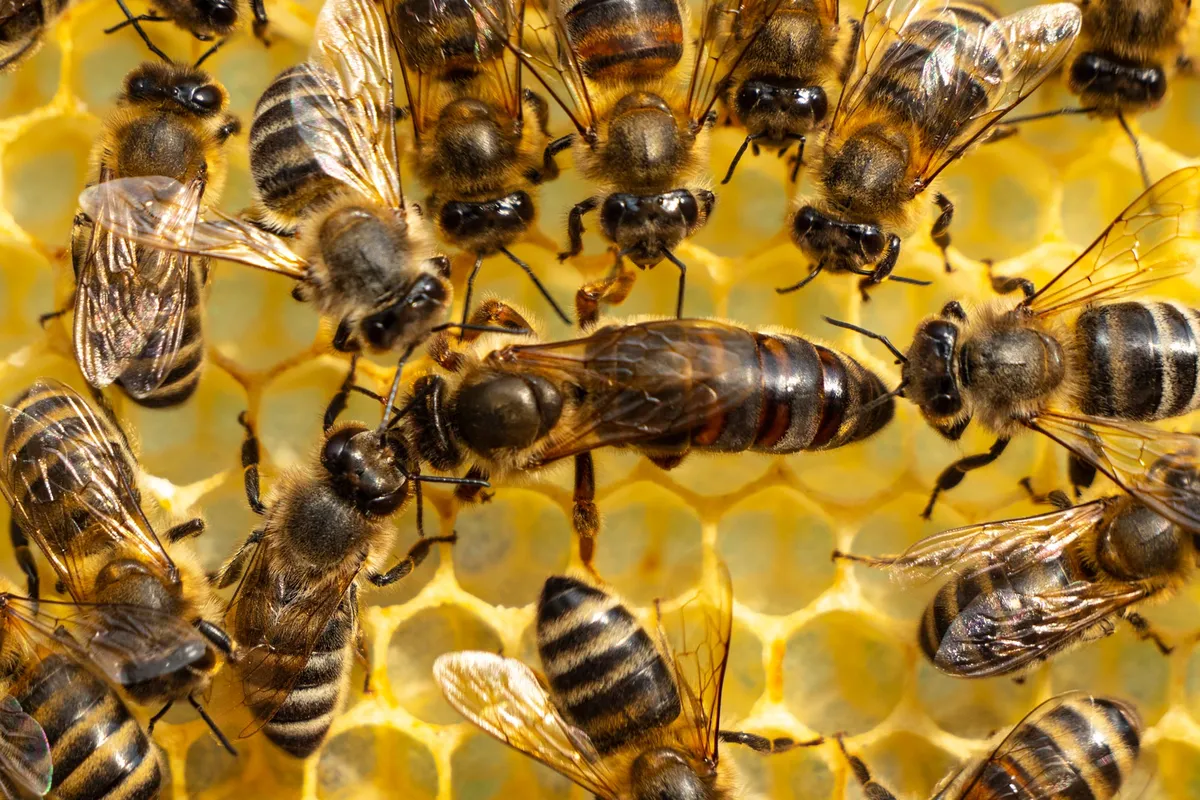
A queen isn't born, she's built. An entire honeybee colony engineers the perfect royal nursery, feeding larvae royal jelly to create their next monarch.
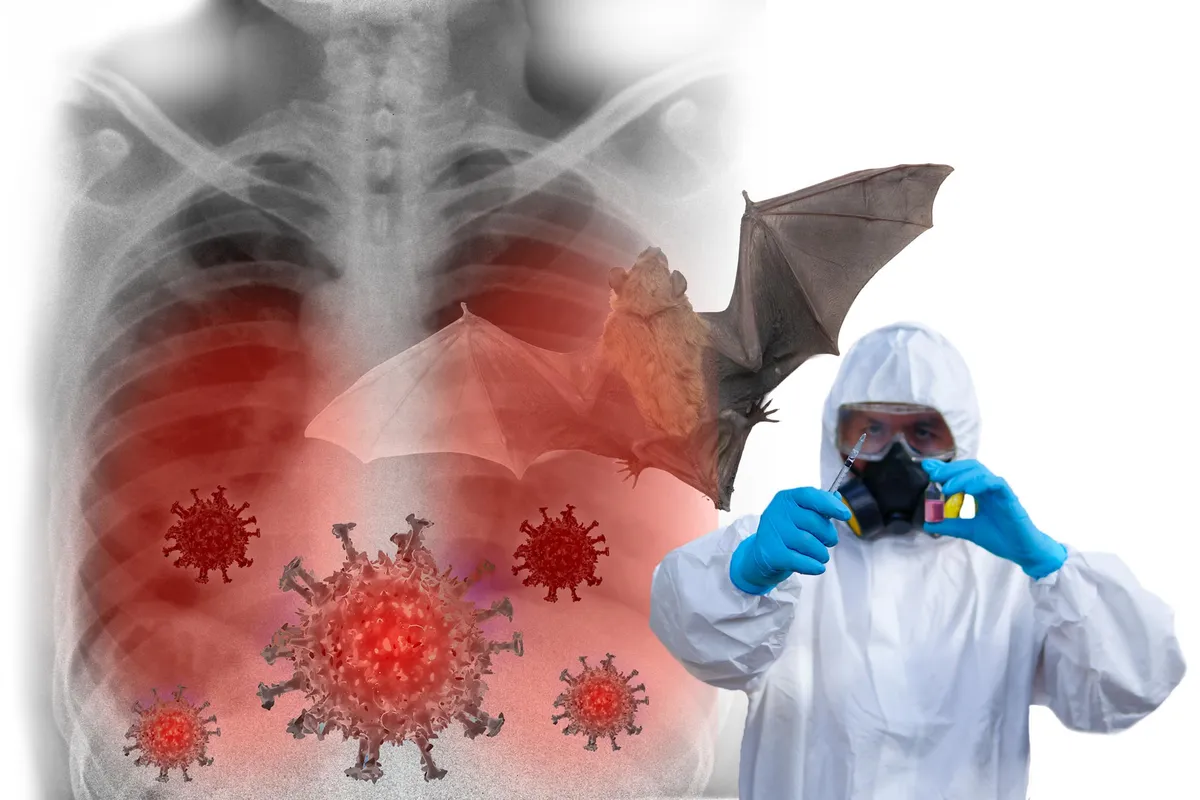
One tiny genetic change could unleash a bat virus on humanity. Most outbreaks start when animal viruses jump to people, a suspected origin of COVID-19.
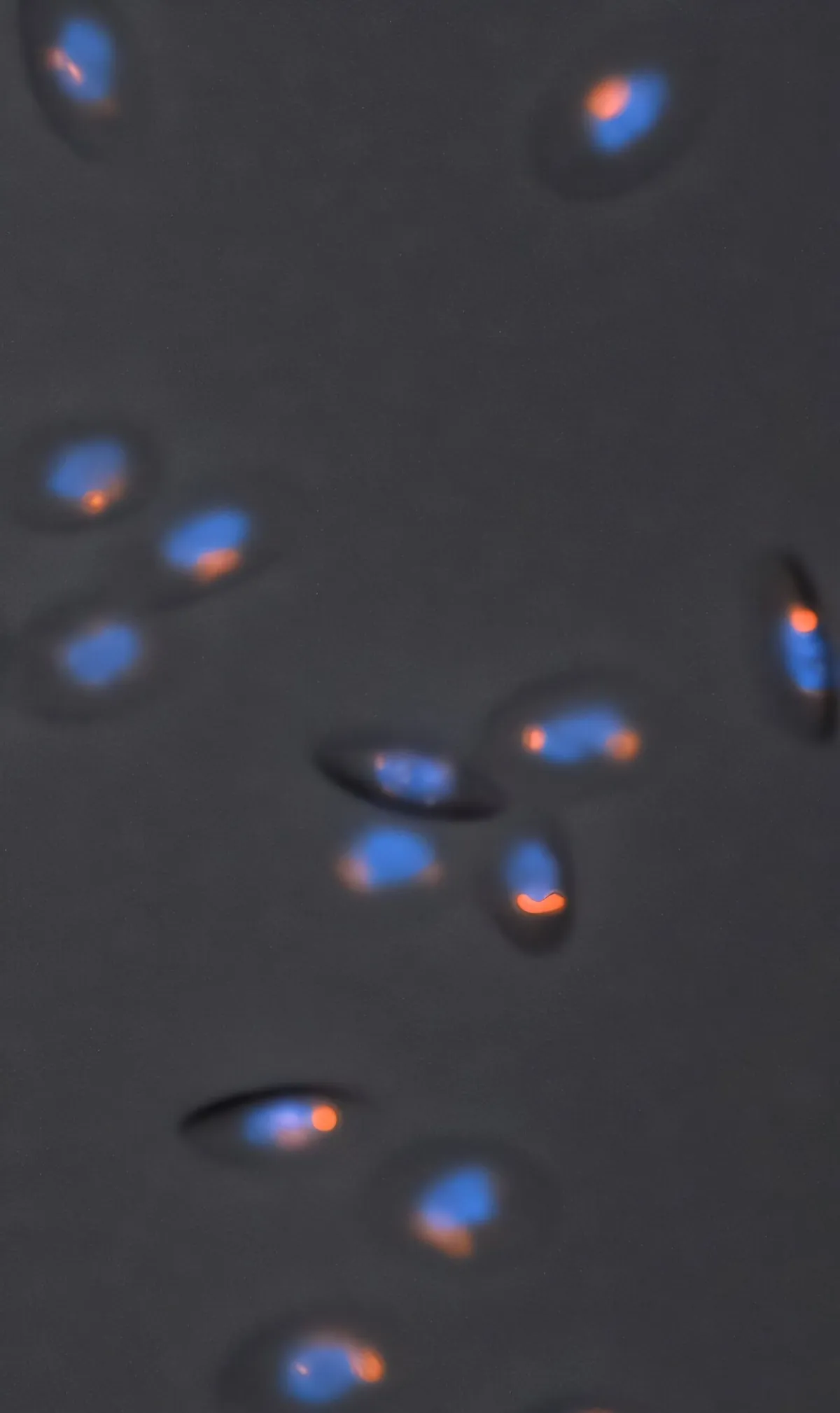
Birds refuel with lactate! New research shows they use this "waste product" as a cellular fuel, rapidly recovering from impaired oxygen delivery.
Know someone who needs a boost? Share Brightcast with your friends and family.
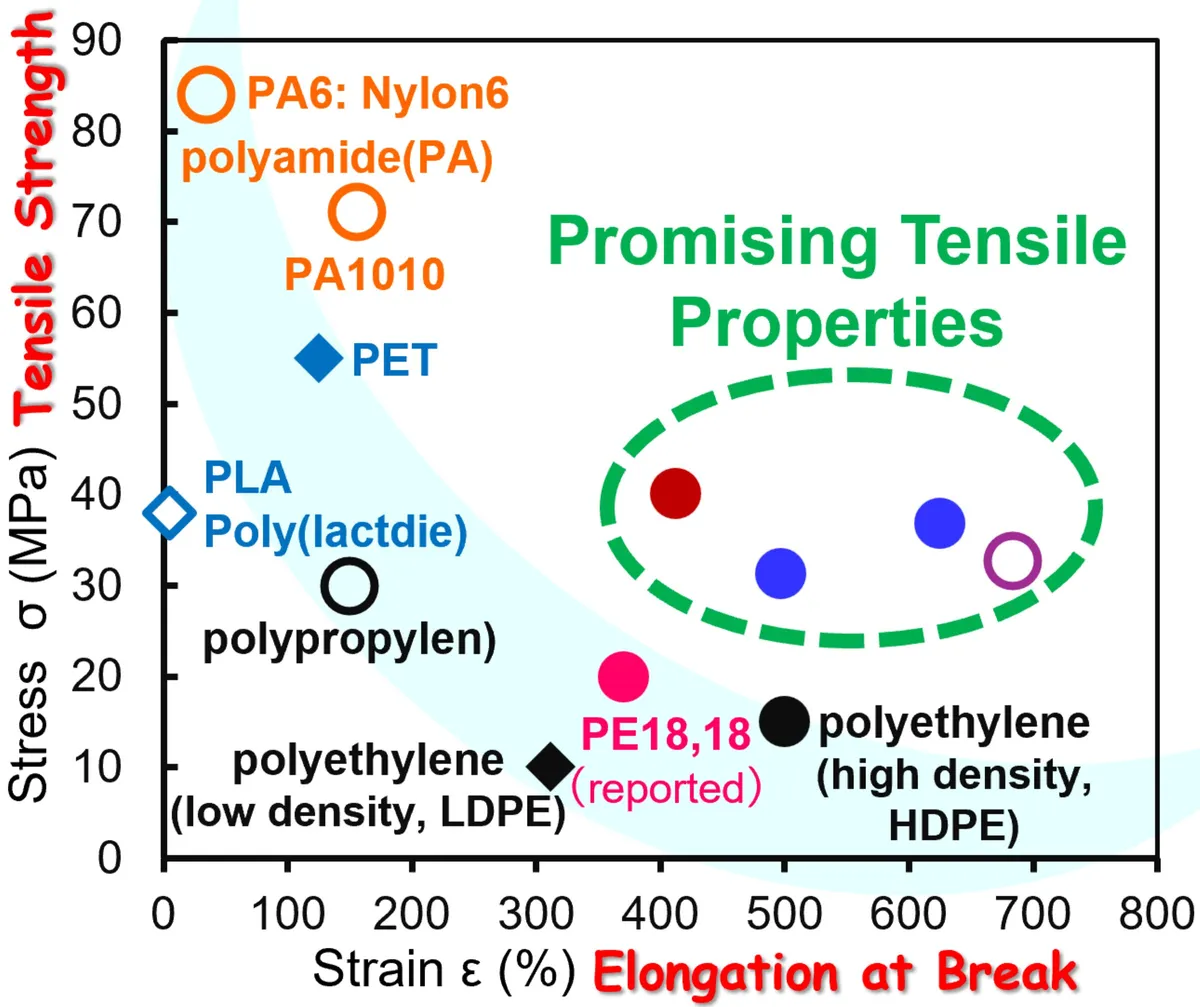
Tokyo Metropolitan University Professor Kotohiro Nomura's team, collaborating with Osaka Research Institute and Associate Professor Hiroki Takeshita, made a breakthrough.
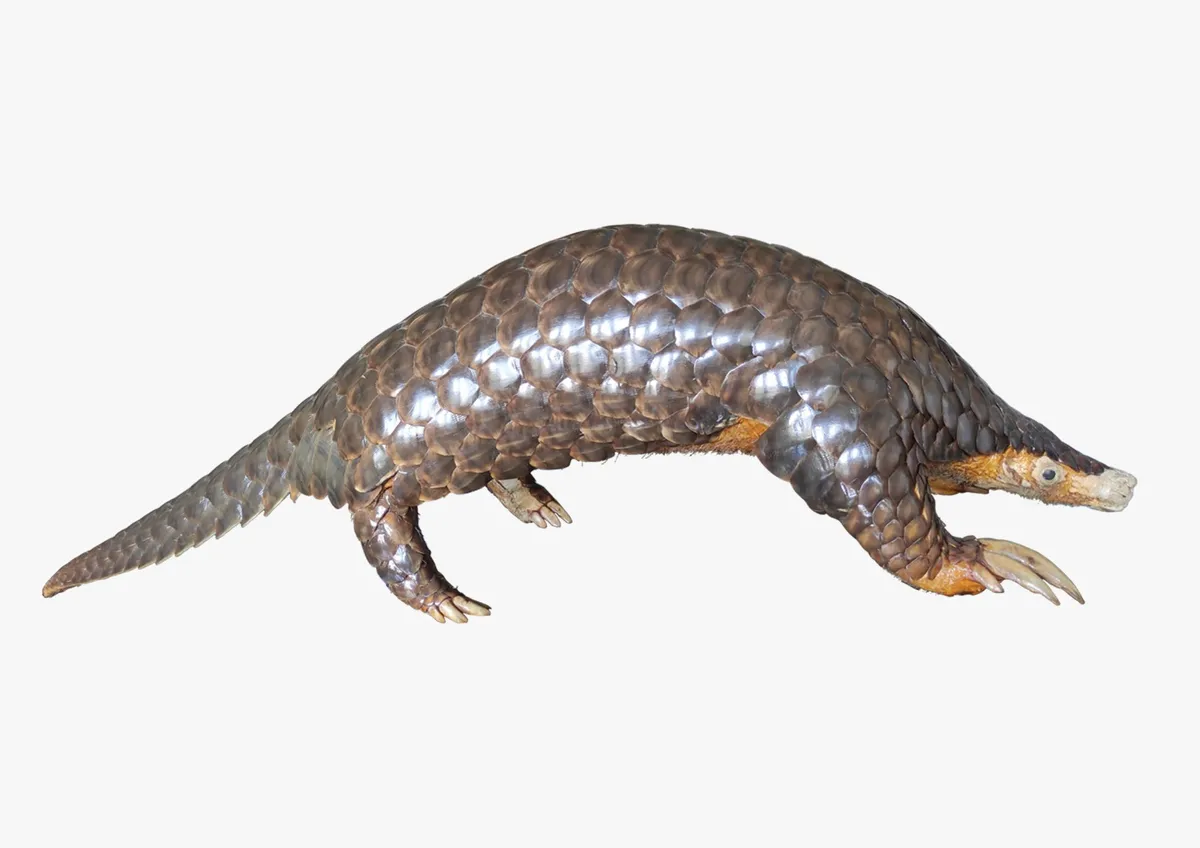
Kathmandu, 1836: Brian Hodgson spotted a creature resembling a pangolin, but with distinct ears and more scales. Was this a new species, or just an anomaly?
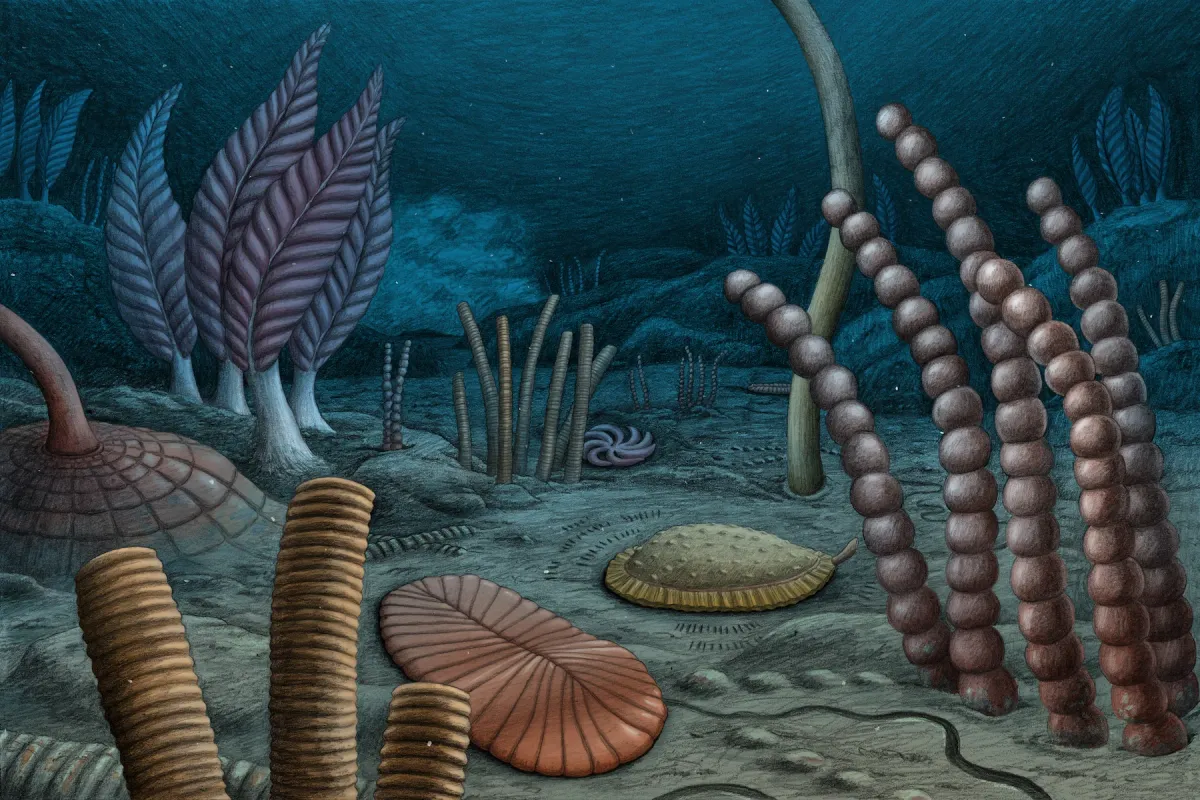
Deep-sea organisms reveal complex animal life, movement, and sexual reproduction began earlier than imagined.
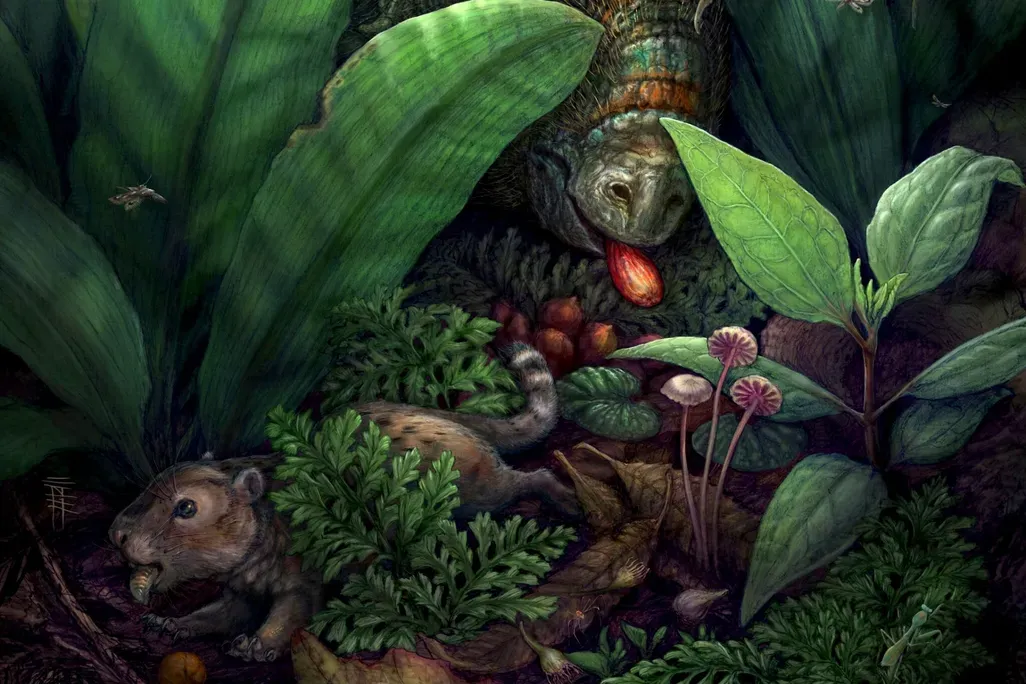
Blueberry-sized fruits? New fossils show angiosperms produced them millions of years earlier than thought, suggesting dinosaurs helped spread their seeds.

A well-preserved Byzantine-era city, unearthed at Egypt's Dakhla Oasis, offers crucial insights into daily life when Egypt was part of the Byzantine Empire.