Are permanent Moon outposts closer than we think?
NASA just invested nearly $600M in new lunar missions! Three US companies will deliver four robotic science missions to the Moon by 2028, accelerating plans for a permanent Moon Base.
Breakthroughs happen quietly. We make sure you hear about them.
2406 stories

NASA just invested nearly $600M in new lunar missions! Three US companies will deliver four robotic science missions to the Moon by 2028, accelerating plans for a permanent Moon Base.

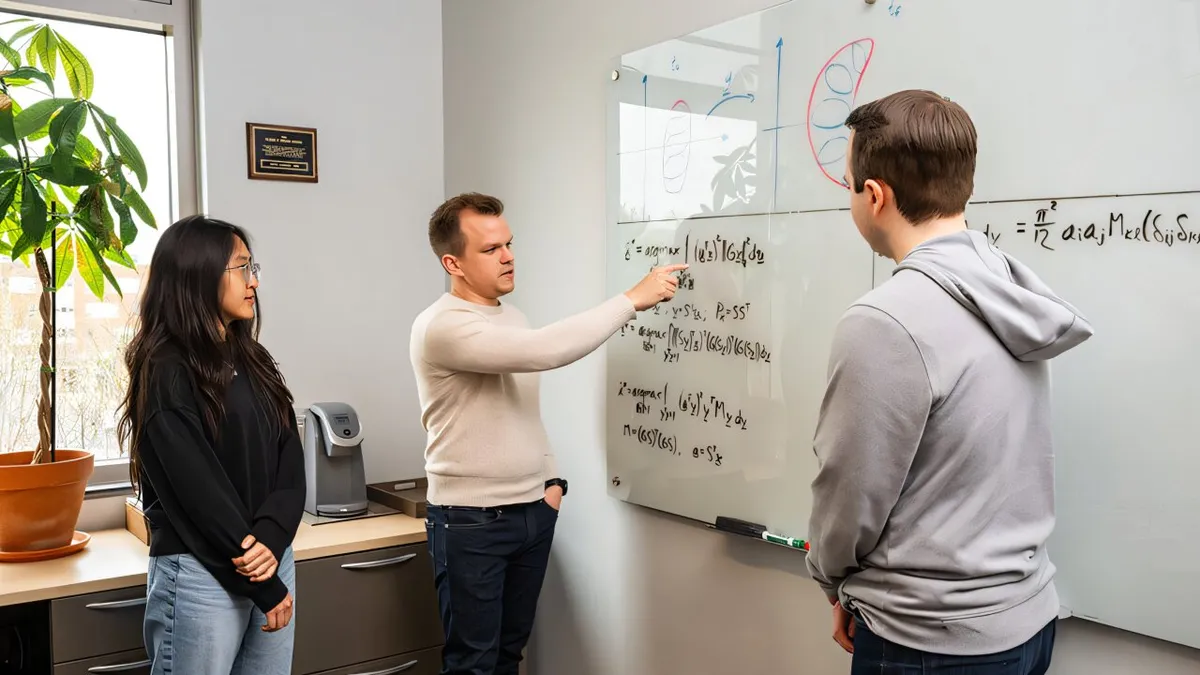
A 10-year unsolved physics problem in complex systems just fell. Two theoretical physicists and an AI system cracked it, publishing their breakthrough in the Journal of Statistical Me...

A rare Antarctic dinosaur fossil, a titanosaur tail bone, was found after decades in a drawer. Scientists are still identifying the species of this long-necked herbivore.

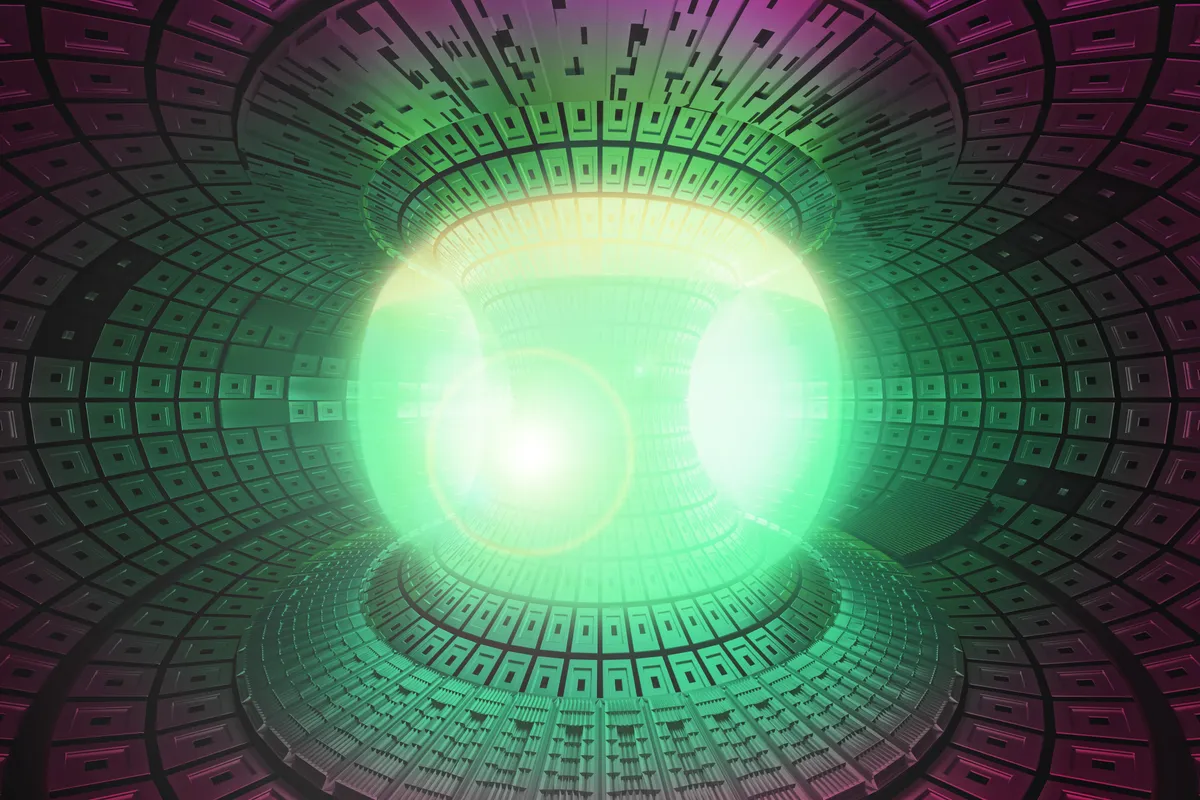
Japanese researchers just unveiled a microwave system that monitors fusion plasma at 34 points simultaneously. This breakthrough could revolutionize real-time control for future fusion reactors.

NASA celebrates the US 250th with a "Red, White, and Blue" universe! Chandra X-ray Observatory unveils four stunning cosmic images, plus new sonifications, showcasing the wonders NASA explores.
Join 50,000+ readers who receive our daily digest of the most uplifting stories from around the world.

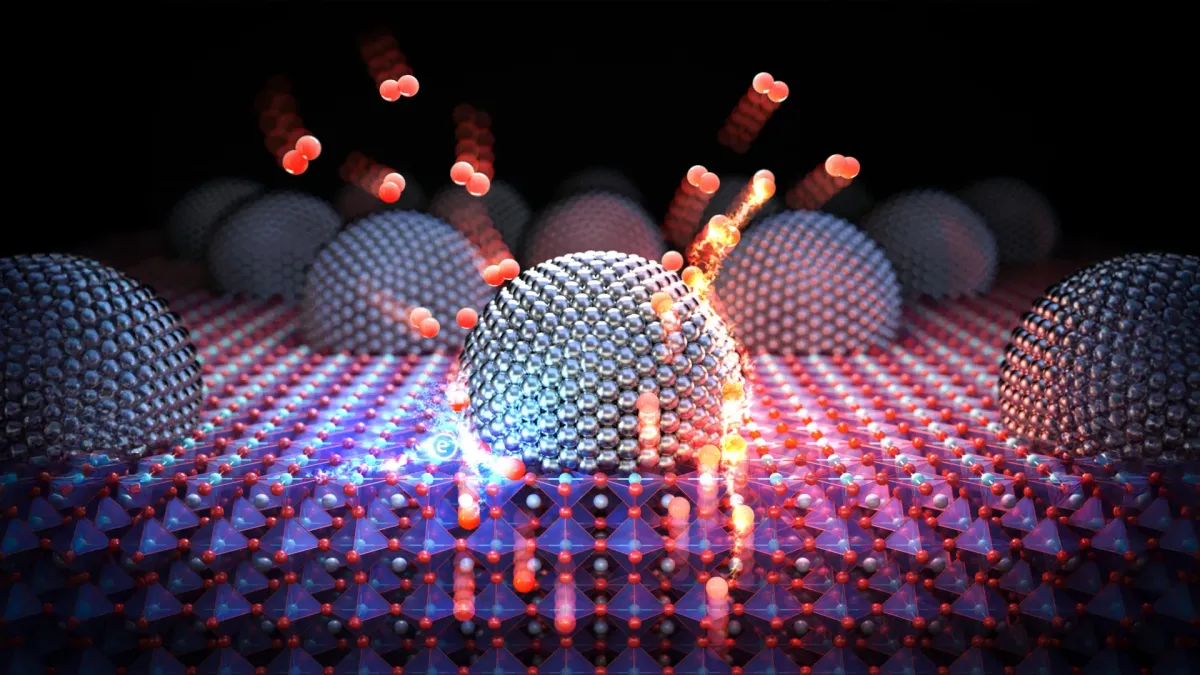
Dual-atom catalysts defy expectations! A new study upends a long-standing model, revealing they behave fundamentally differently than scientists ever thought.

Forget two-legged dinosaurs! Paleontologists just unearthed a new bipedal, beaked, and toothless crocodile relative, Labrujasuchus expectatus, that roamed New Mexico 212 million years ago.

Gold's shine isn't just skin deep. Its surface atoms reorganize, creating a shield that blocks oxygen and keeps it gleaming.

From Texas transforming e-waste into gold to Nepal embracing marriage equality, today saw humanity getting smarter, fairer, and finding value in the overlooked. Plus, NASA's quantum lab got a space upgrade.

Dive 56 feet into the Florida Keys to explore Vanguard, the first open-ocean subsea habitat in 40 years. This schoolbus-sized marvel, developed by DEEP, is ready to host aquanauts studying marine life and climate change.
Brightcast is dedicated to restoring faith in humanity by highlighting the progress, solutions, and kindness that often go unnoticed. We believe in a balanced worldview.
Read our full mission →
Harvard, Tishman Speyer, and Boston Mayor Michelle Wu celebrated a major milestone: the first phase completion of the Enterprise Research Campus in Allston, set to open June 29, 2026.

A new marsupial branch rewrites Australian mammal history. Their evolutionary story is far more complex and mysterious than we ever imagined.

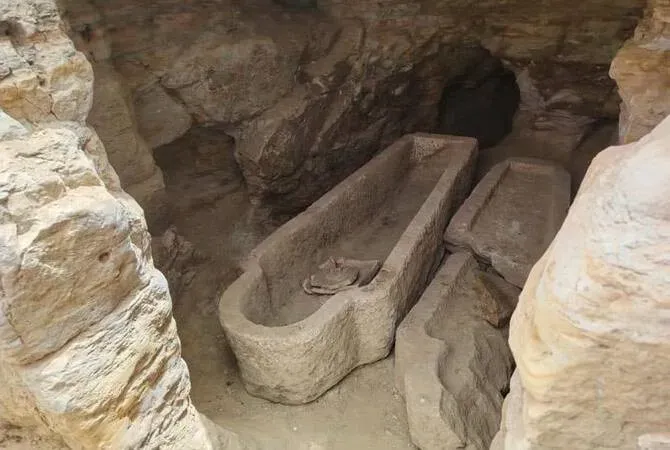
A new fossil ape from Egypt just rewrote ape evolution. This discovery challenges everything we thought we knew about modern ape origins.

Meet Australia's newest marsupial! Researchers confirmed the Arnhem Plateau planigale, a tiny mouse-like carnivore whose scientific name means "rock lover," in the Northern Territory.

Two interacting stars could unlock the mystery of rare, repeating radio bursts.
Know someone who needs a boost? Share Brightcast with your friends and family.

NASA's quantum lab on the ISS just got an upgrade. Scientists are cooling atoms to near absolute zero, studying matter's strangest states in space.

Earth teems with insects: "thousands of billions" of ants, 2,400 firefly species. A new study suggests 20 million insect species exist, not 6 million, with most still undiscovered.

Legumes form root nodules, specialized organs that host nitrogen-fixing bacteria. This symbiosis allows plants to capture atmospheric nitrogen, a vital biological process.

Quantum simulation reveals a resistivity ceiling! Electron collisions, once thought to increase resistance indefinitely, hit a surprising limit.

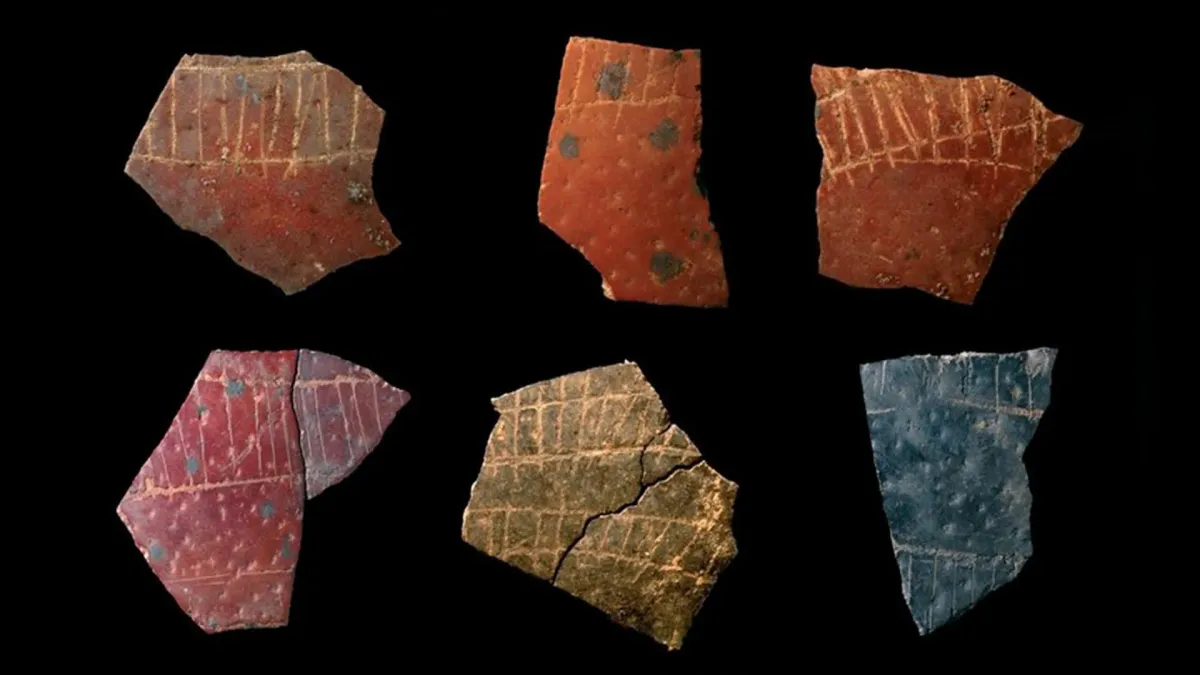
Ancient parchments whisper secrets. Now, scientists can extract genetic clues from these historic documents without causing any damage.
Download the Brightcast app for a better reading experience, daily notifications, and offline access.
Download App
Antarctica's first dinosaur bone, a Titanosaur tail fossil collected in 1985, was discovered in a drawer.

Losing a limb is permanent for humans. But worms, amphibians, fish, and starfish can regrow body parts. Why can't mammals?

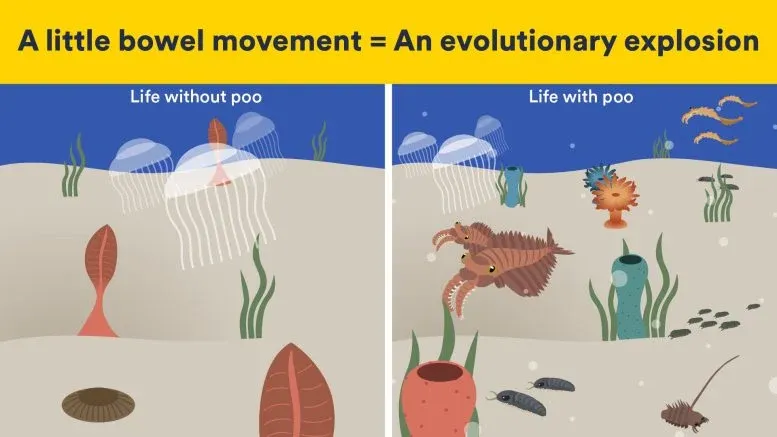
Ever wonder why the poo emoji swirls? Physics explains it: as animals defecate downward, each coil falls a shorter distance, naturally forming that iconic tapered shape.

Practice rewires your brain, making learned skills automatic. This unlocks true multitasking, letting you do more, faster.

Ever wonder what a mouse sees? Scientists recreated 10-second videos from mouse brain activity, revealing new insights into how vision works.
Join 50,000+ readers who receive our daily digest of the most uplifting stories from around the world.

Consciousness isn't just for humans. A new philosophical study challenges the long-held belief that it requires human-like biology.

Jupiter-sized planets less dense than cotton candy? Two "super-puffs" defy planetary norms with enormous, lightweight atmospheres, offering clues to how the strangest planets form.

This week, the universe got stranger, science broke records, and humanity proved it's surprisingly cooperative. From cotton candy planets to erased medical debt, find out what made the world a little brighter.

For 30+ years, 133 Kelvin (-220°F) was superconductivity's unbreakable barrier at ordinary pressure. Now, researchers shattered that record, pushing a copper-oxide superconductor to new temperature highs.

SETI hunted for alien tech when a rare visitor from another star system appeared. The mysterious object, however, now seems to be a natural cosmic traveler.
Brightcast is dedicated to restoring faith in humanity by highlighting the progress, solutions, and kindness that often go unnoticed. We believe in a balanced worldview.
Read our full mission →
A mislabeled skull, forgotten in a museum drawer for decades, is actually a rare saber-toothed cat fossil. This ancient predator roamed western North America five million years ago.

A wobbling, peanut-shaped asteroid just revealed ancient water clues! NASA's Lucy spacecraft found surprising secrets about our solar system's origins.

Euclid, built to probe dark matter and energy, unexpectedly captured our galaxy's dazzling, densely packed core for a single day last year.

Lightbridge just pulled its first irradiated fuel samples from the world's most powerful nuclear test reactor at Idaho National Lab. A huge step for advanced nuclear fuel!

Europe's first TES spectrometer at BESSY II boosts X-ray research sensitivity by 1,000x, enabling previously impossible experiments.
Know someone who needs a boost? Share Brightcast with your friends and family.

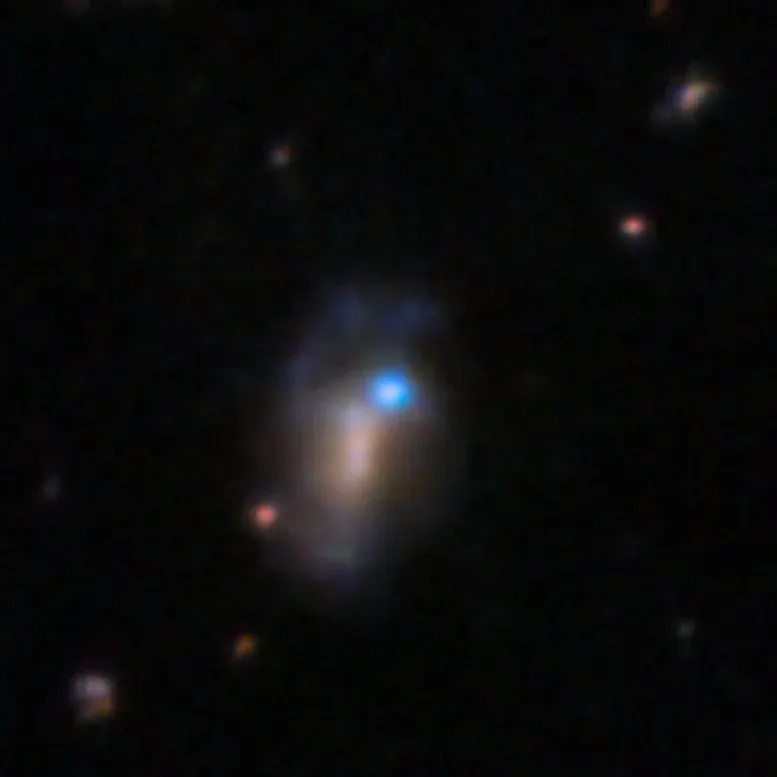
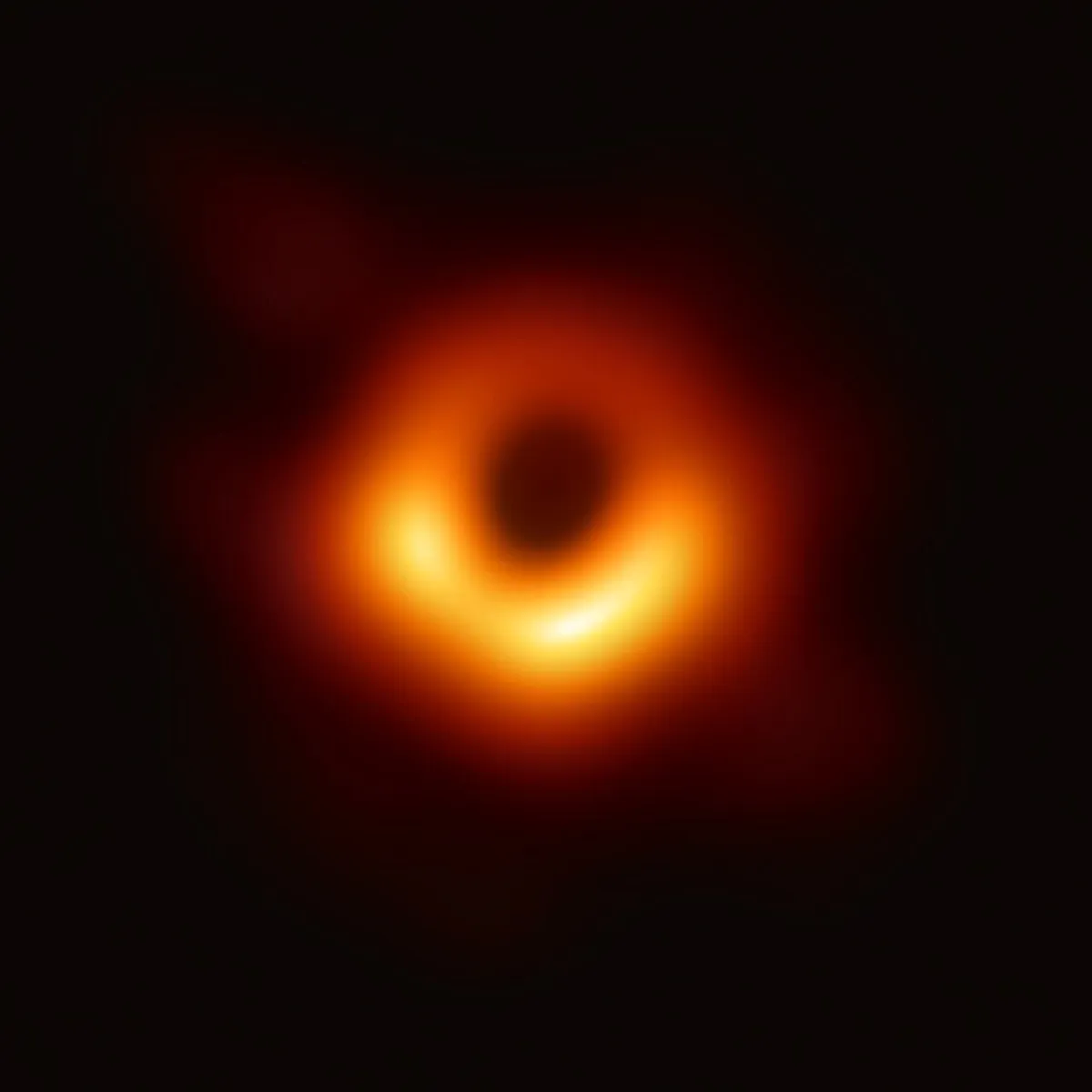
Astronomers witnessed a cosmic first: an intermediate-mass black hole devouring a white dwarf star. The Einstein Probe telescope captured this rare event unfolding.

From lab-grown organs to ocean protection, this week's news shows big changes often start small. Plus, tiny robots and smart thermostats are quietly powering the future.

Three apex predators—snow leopards, common leopards, and Himalayan wolves—coexist in a remote Nepal valley. A new study reveals their secret: they avoid conflict by eating different prey.

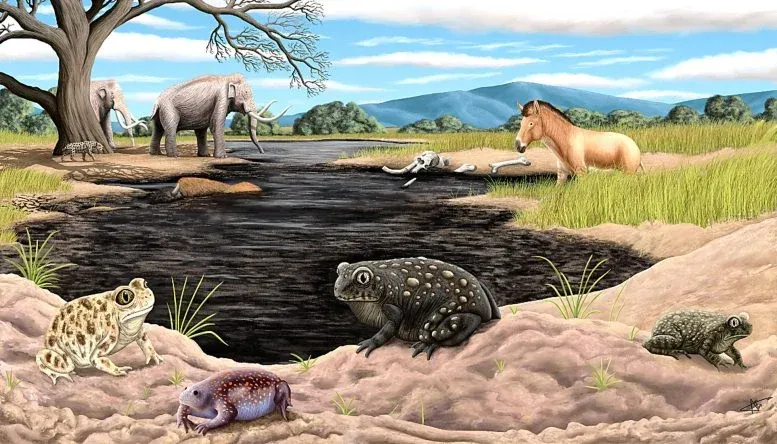
Forget everything you thought about flowering plants! A "botanical Pompeii" reveals angiosperms thrived 10 million years *before* the asteroid impact, overturning long-held beliefs about their rise.

Complex animal life may be far older than we thought. New fossils push back the timeline, hinting at a deeper evolutionary past.