What Kalahari wildlife teaches us about soil's hidden carbon power.
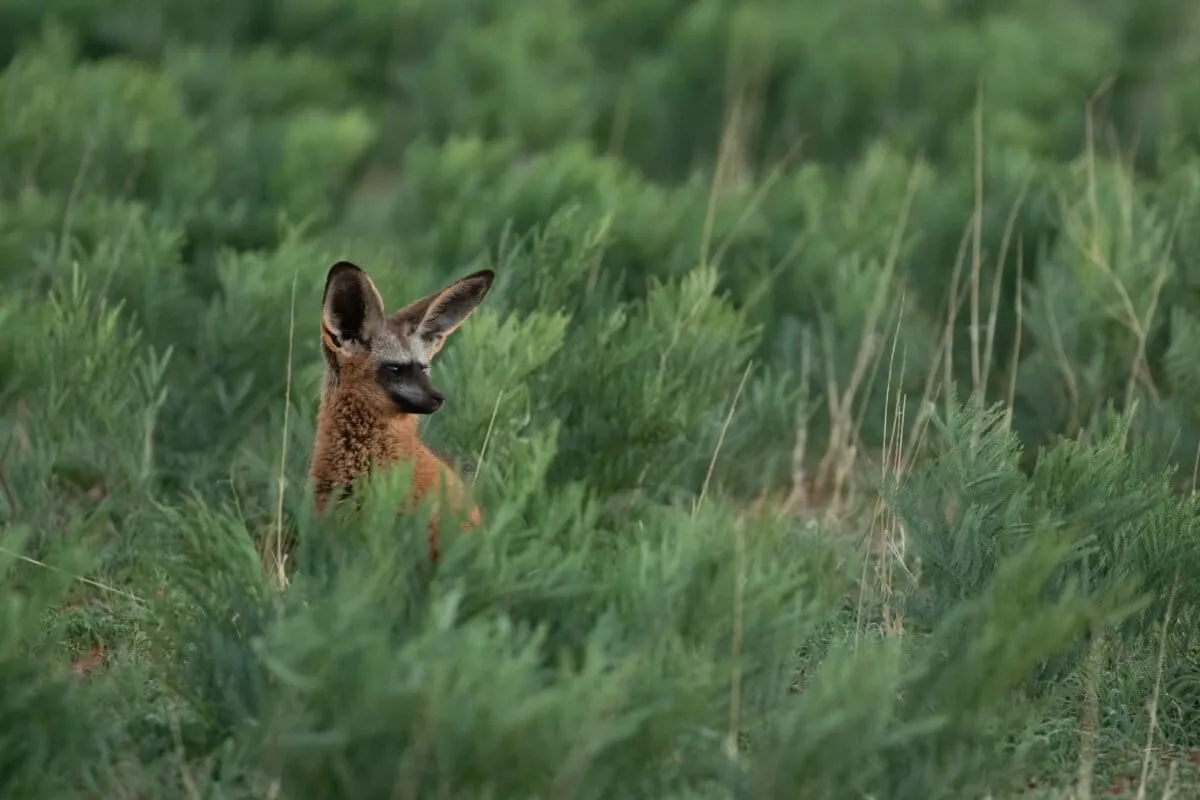
South Africa's Tswalu Kalahari Reserve teems with life and carbon credits. While forests dominate carbon projects, soils hold 3x more terrestrial carbon and are more stable.
Every day, people protect what matters. These are their stories.
1607 stories

South Africa's Tswalu Kalahari Reserve teems with life and carbon credits. While forests dominate carbon projects, soils hold 3x more terrestrial carbon and are more stable.

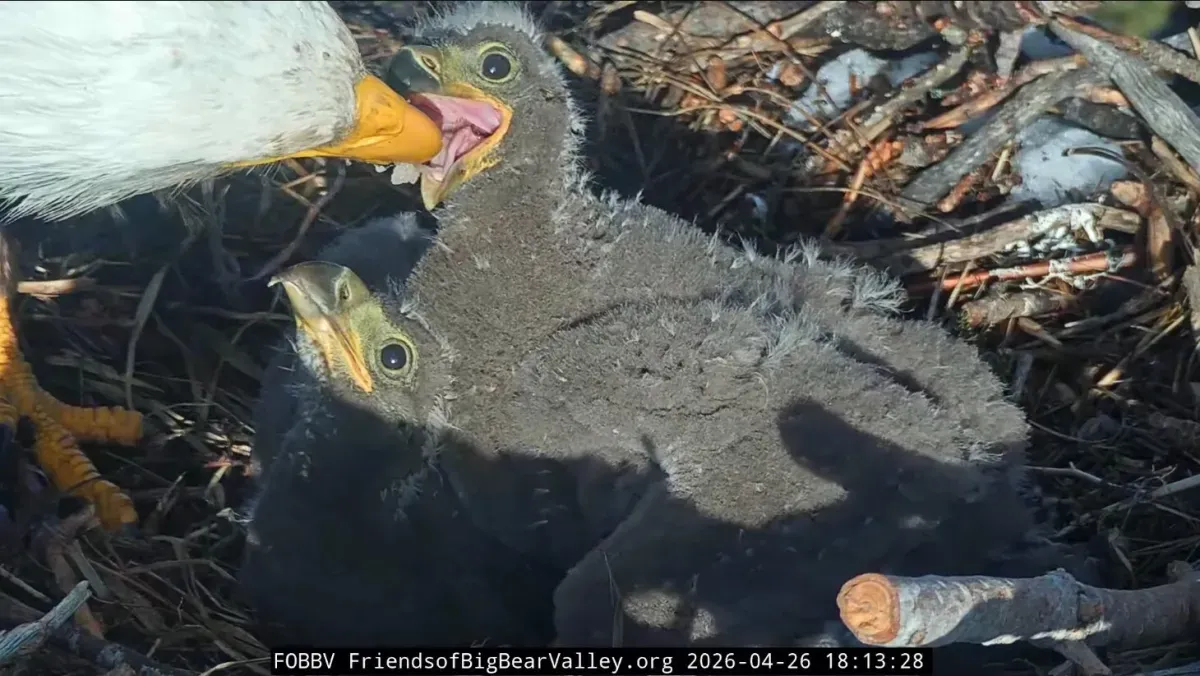
Three weeks transformed these eagle chicks! They're already sprouting crucial pin feathers, essential for their first flight, according to Friends of Big Bear Valley.

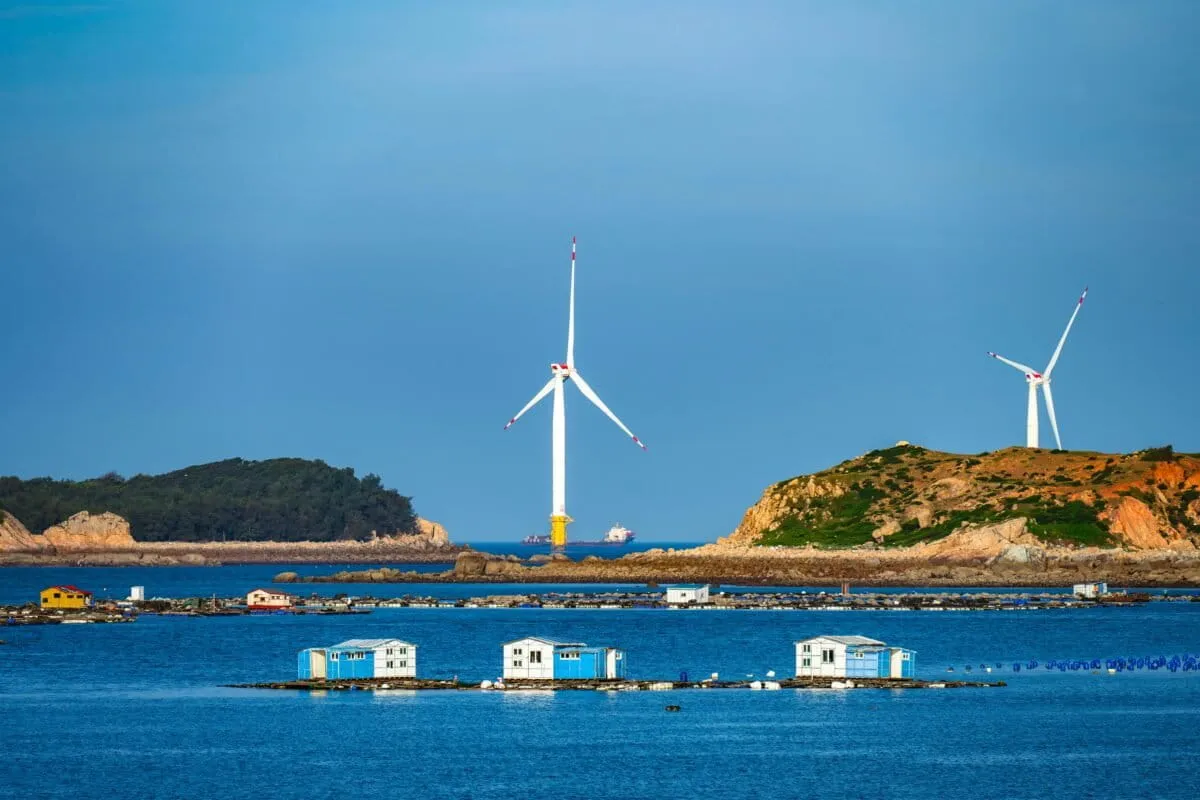
Ocean winds offer abundant, clean energy. Experts agree marine wind is key to cutting fossil fuels, fighting climate change, and boosting energy security. The technology is proven and scalable.

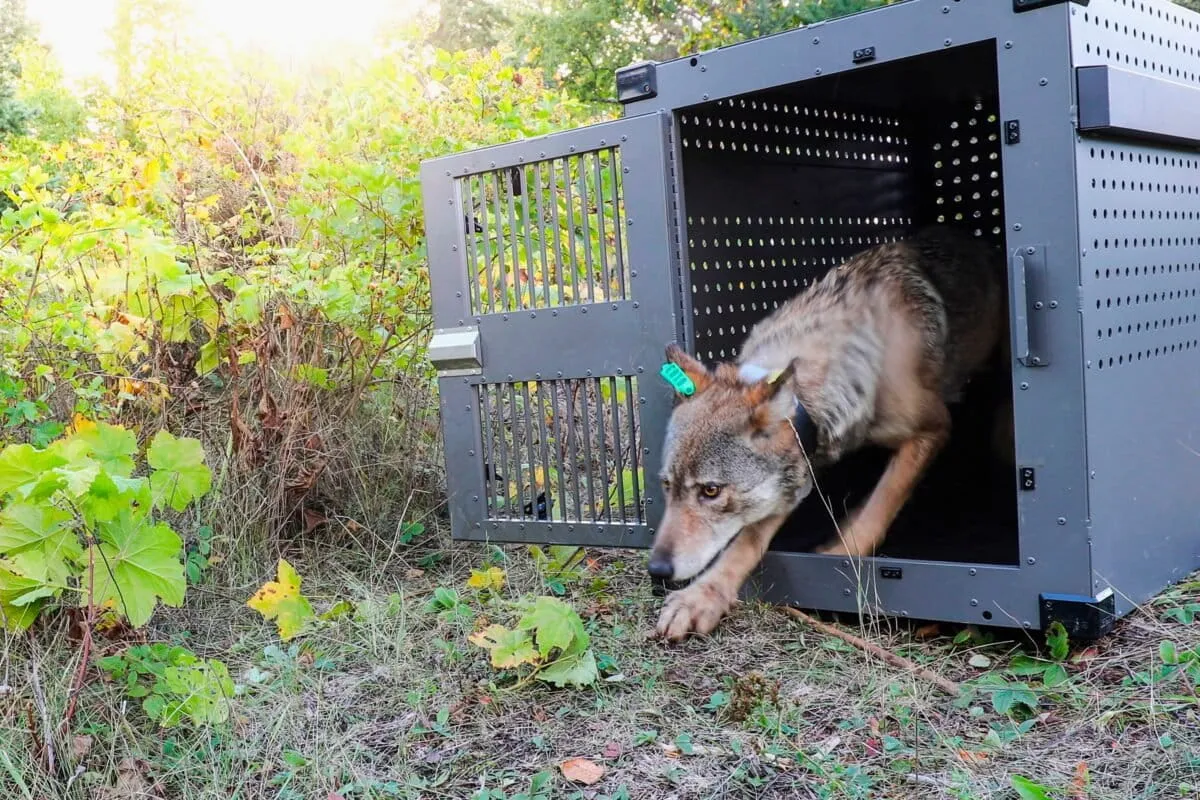
Wolves are thriving on a remote Lake Superior island, but their booming population is decimating the moose they depend on. This 134,000-acre national park offers a rare glimpse into predator-prey dynamics.

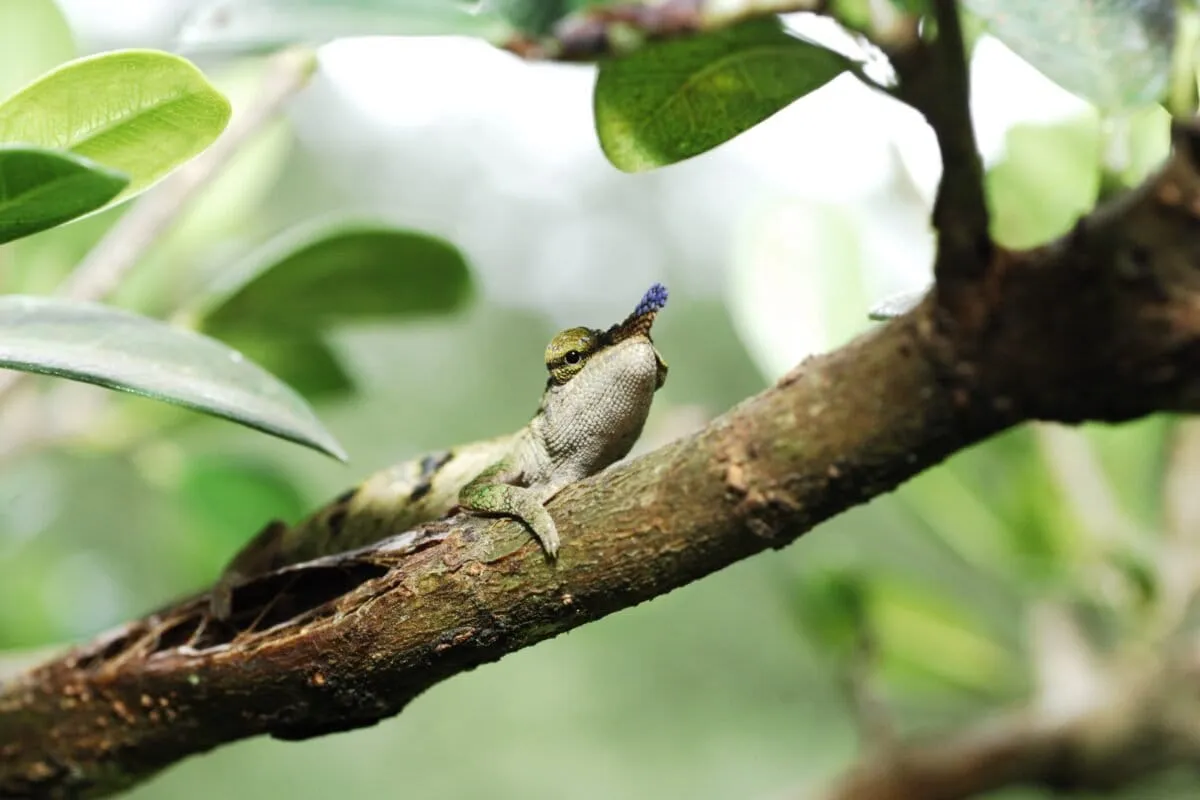
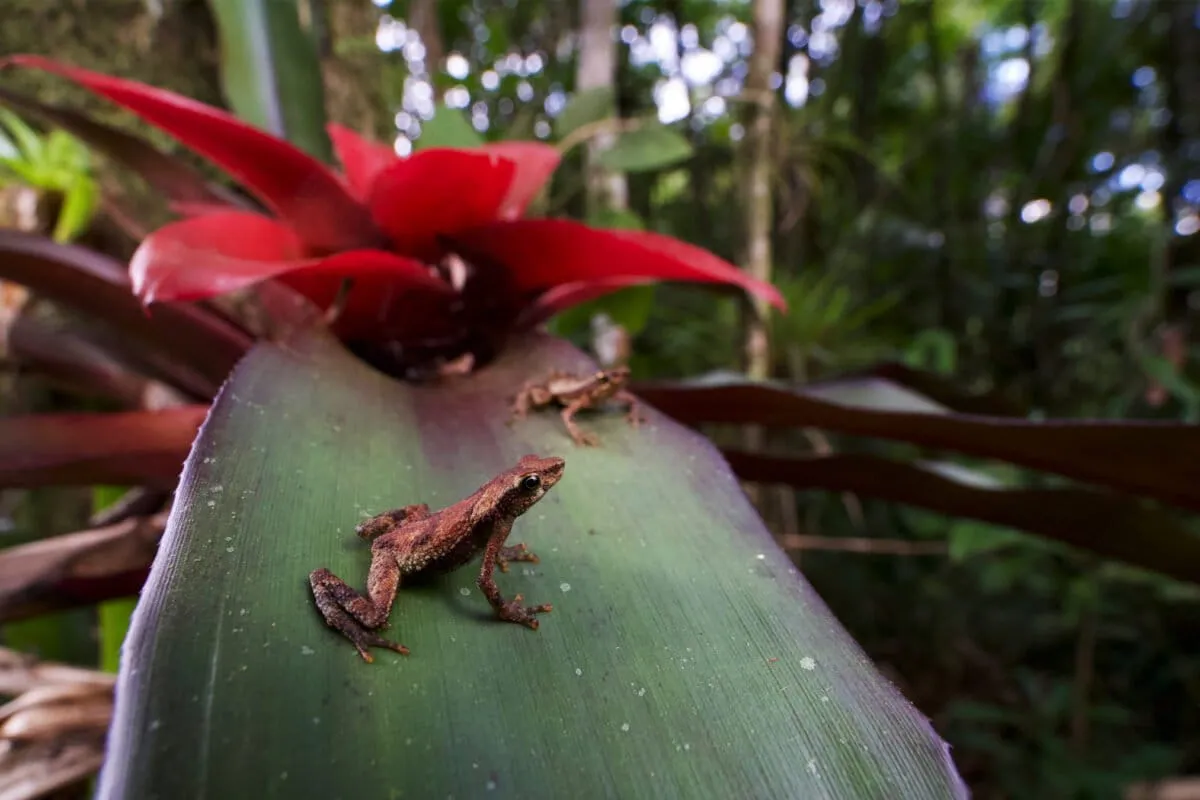
Madagascar's blue-nosed chameleons flash vibrant noses when excited. For years, they were misidentified as a different species until 2015, when scientists finally recognized them as Calumma linotum.
Join 50,000+ readers who receive our daily digest of the most uplifting stories from around the world.

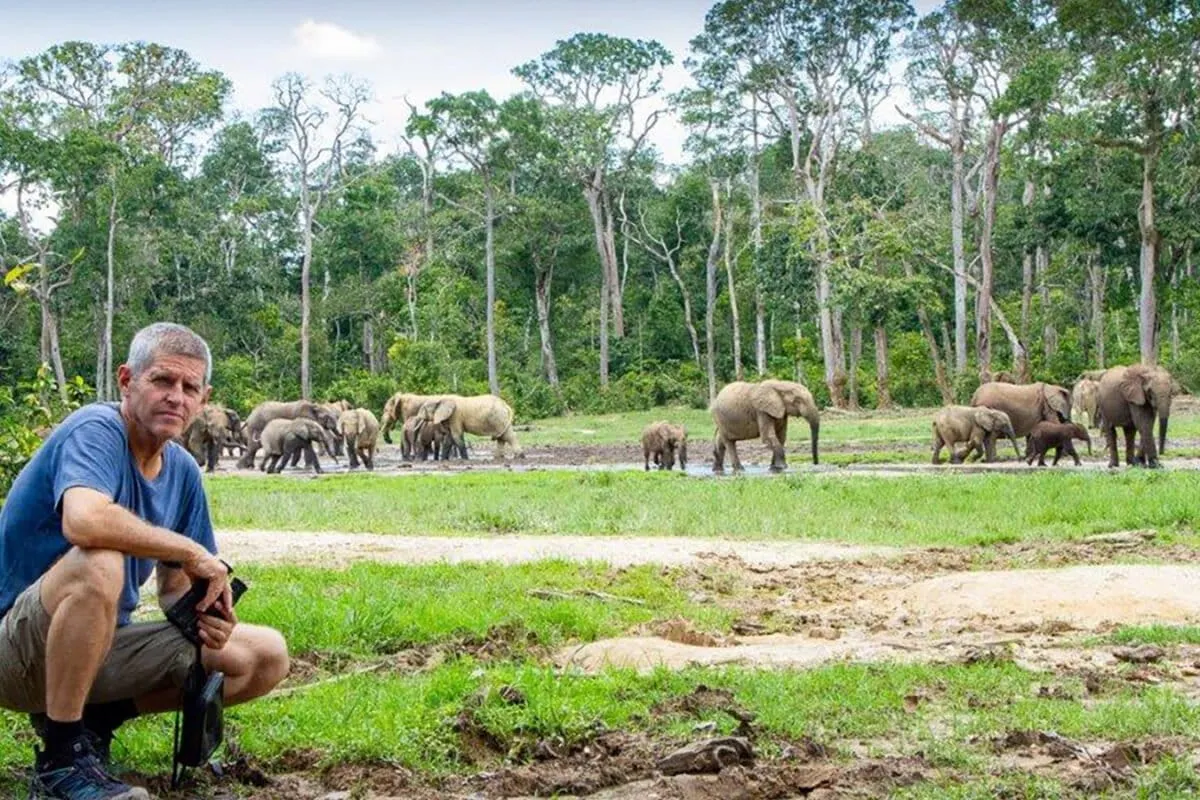
In 1980, Luis Arranz drove a Citroën 2CV across the Sahara, fixing it as he went. This biologist's epic journey kicked off over four decades managing Central African protected areas.

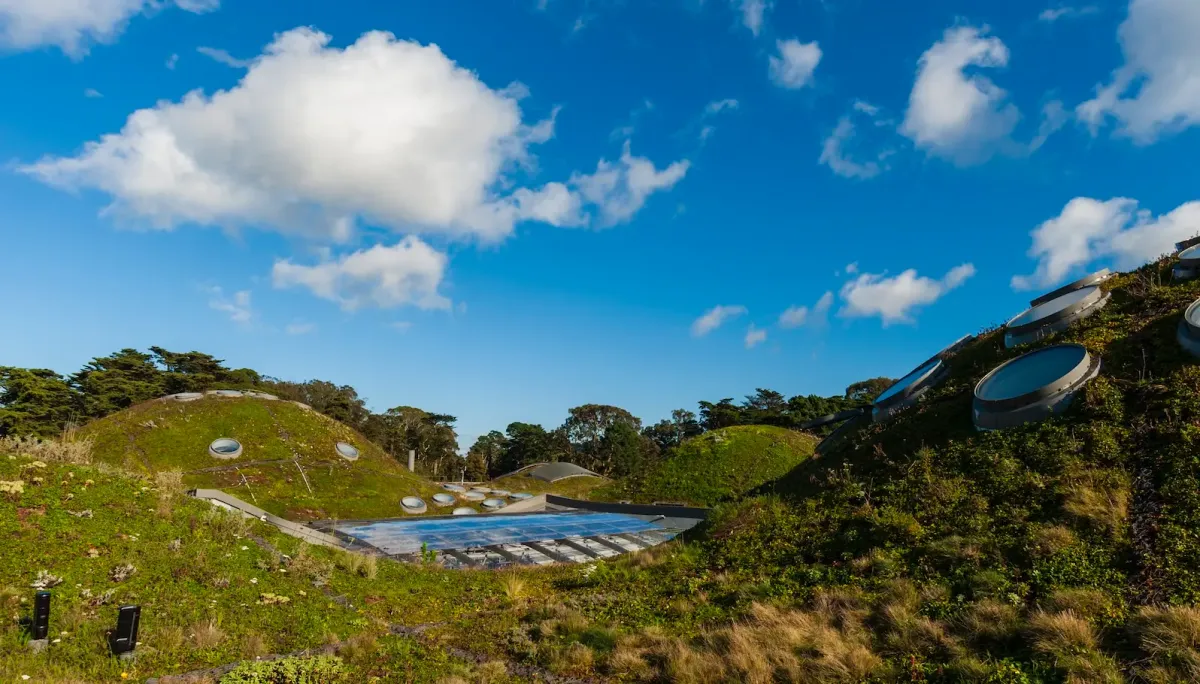
Cities promise opportunity, but waste a huge one: millions of square feet. Flat rooftops, often painted white, should be green—not just a color, but lush with plants.

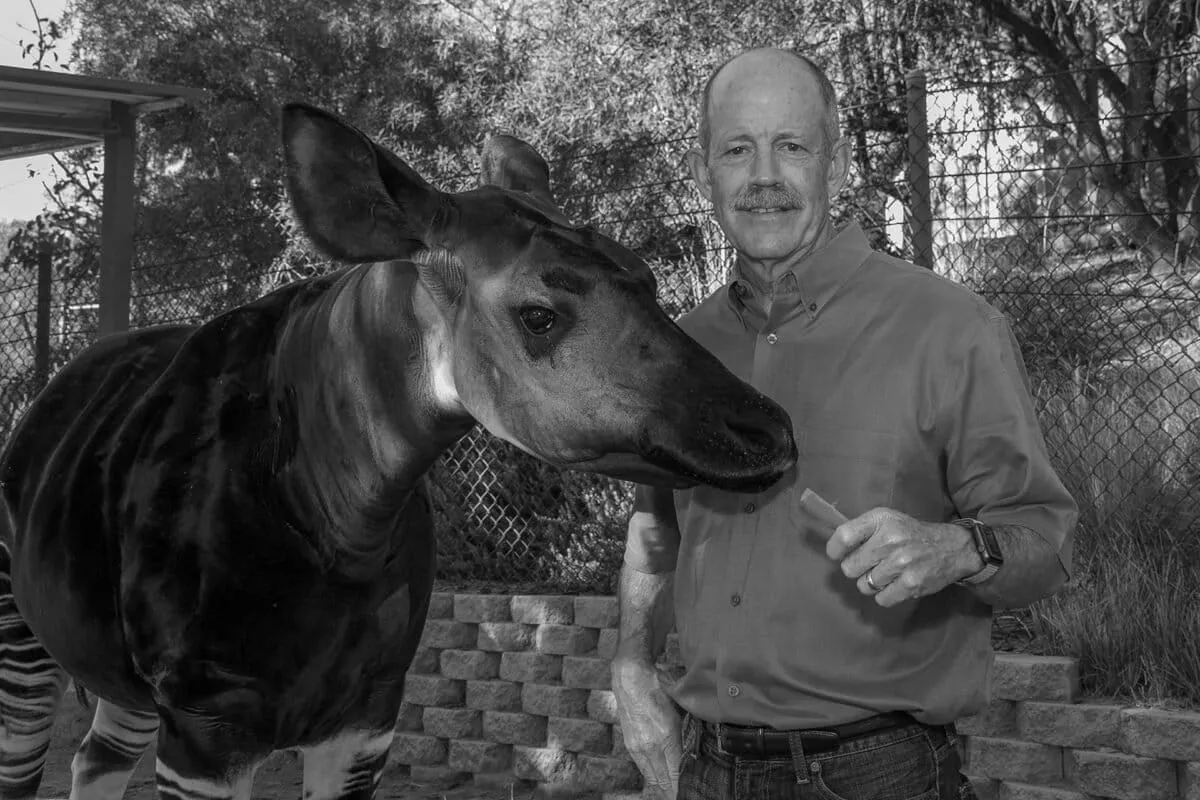
A zoo crisis often starts subtly: treatment fails, a pregnancy stalls, or recovery falters. This technical, uncertain work leaves no room for error, shaping staff who face biology, timing, and hidden factors.

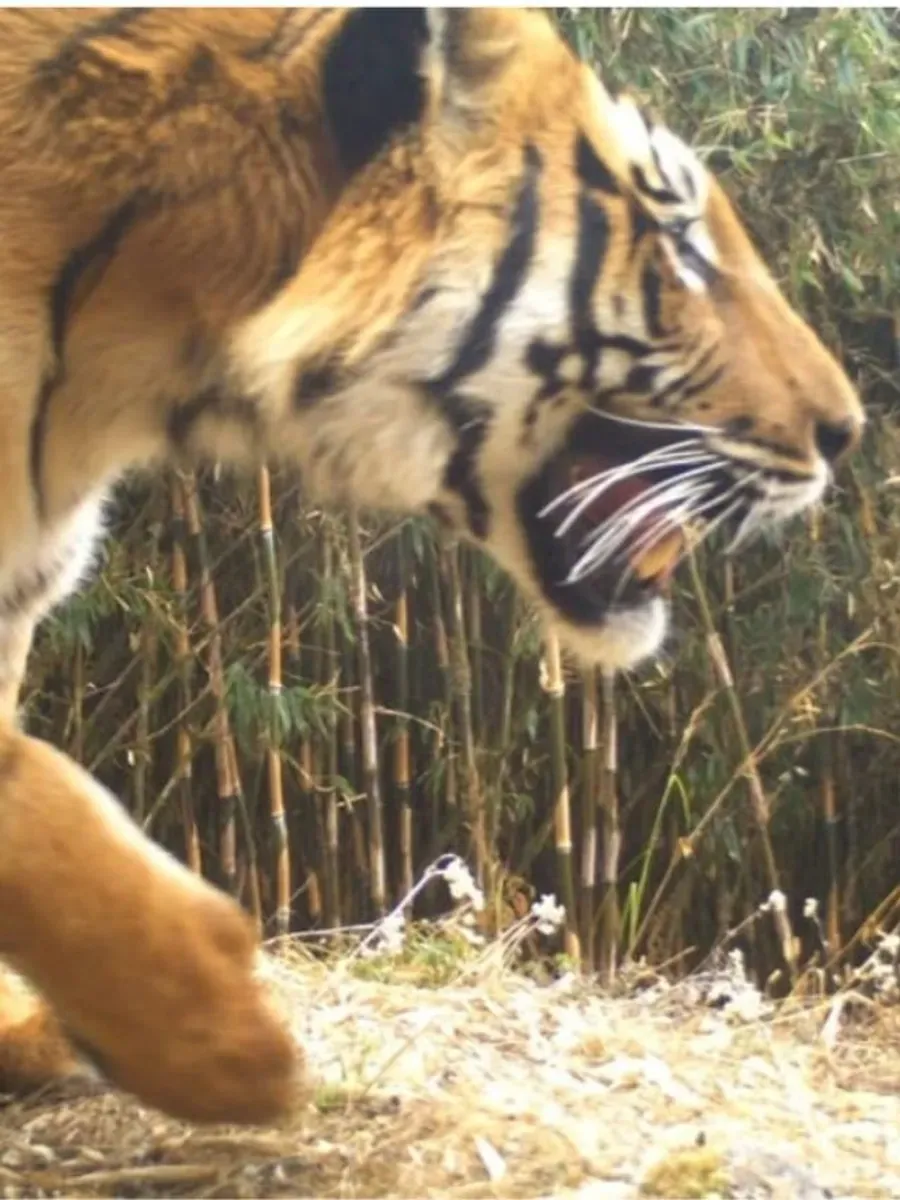
For generations, villagers whispered of Ajotak, a tiger roaming Sikkim’s high-altitude forests like a guardian spirit.

Coal power means pollution, right? Not anymore. A new method converts coal's chemical energy directly to electricity, ditching combustion and its carbon emissions entirely.
Brightcast is dedicated to restoring faith in humanity by highlighting the progress, solutions, and kindness that often go unnoticed. We believe in a balanced worldview.
Read our full mission →
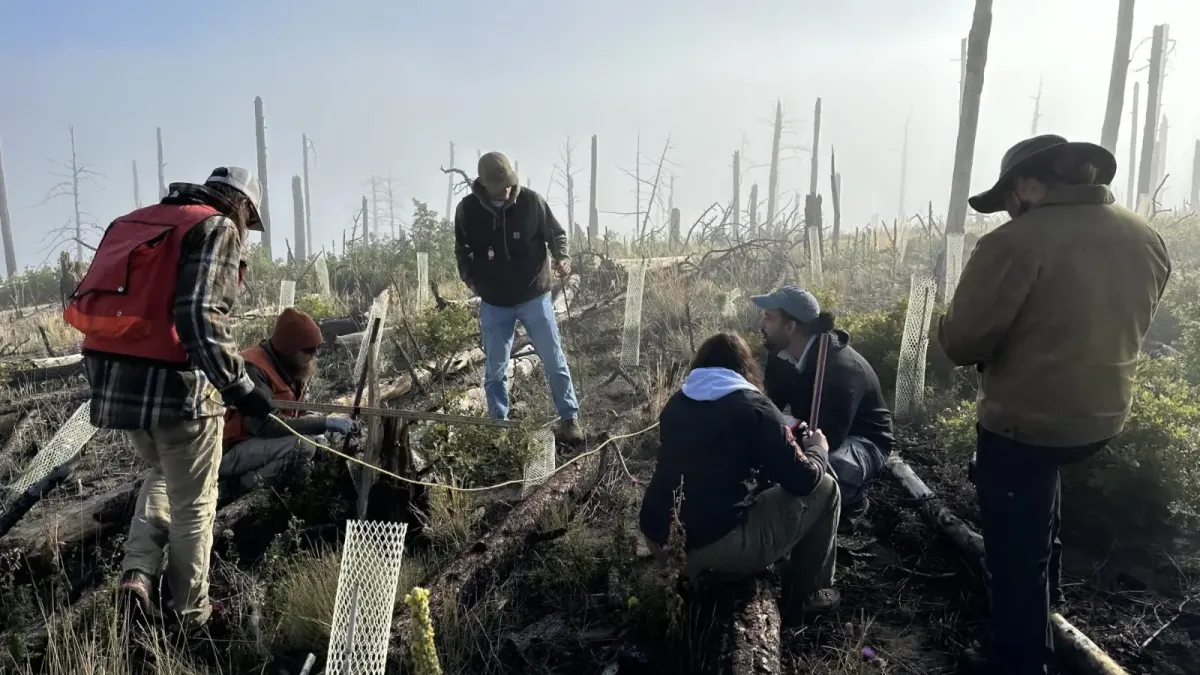
Hermit's Peak-Calf Canyon fire recovery is a nightmare. Residents await aid as floods contaminate water, and the burned forest desperately needs millions of trees—but seedlings are scarce.

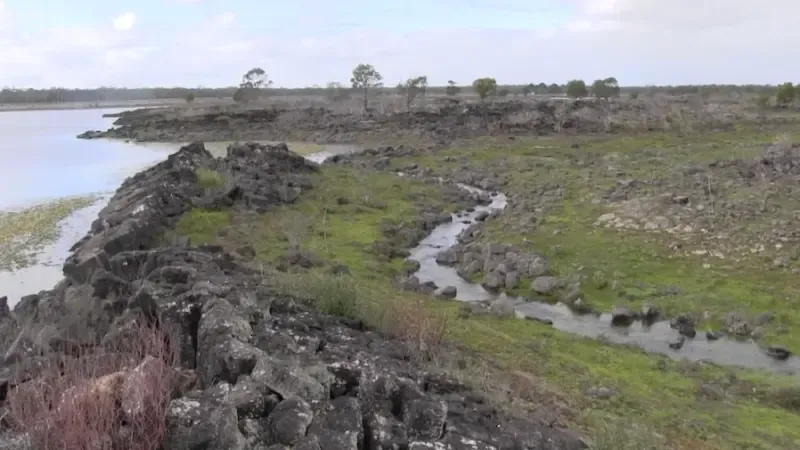
Indigenous Australians farmed eels for millennia at one of the world's oldest aquaculture sites. This discovery upends archaeological understanding of early populations.

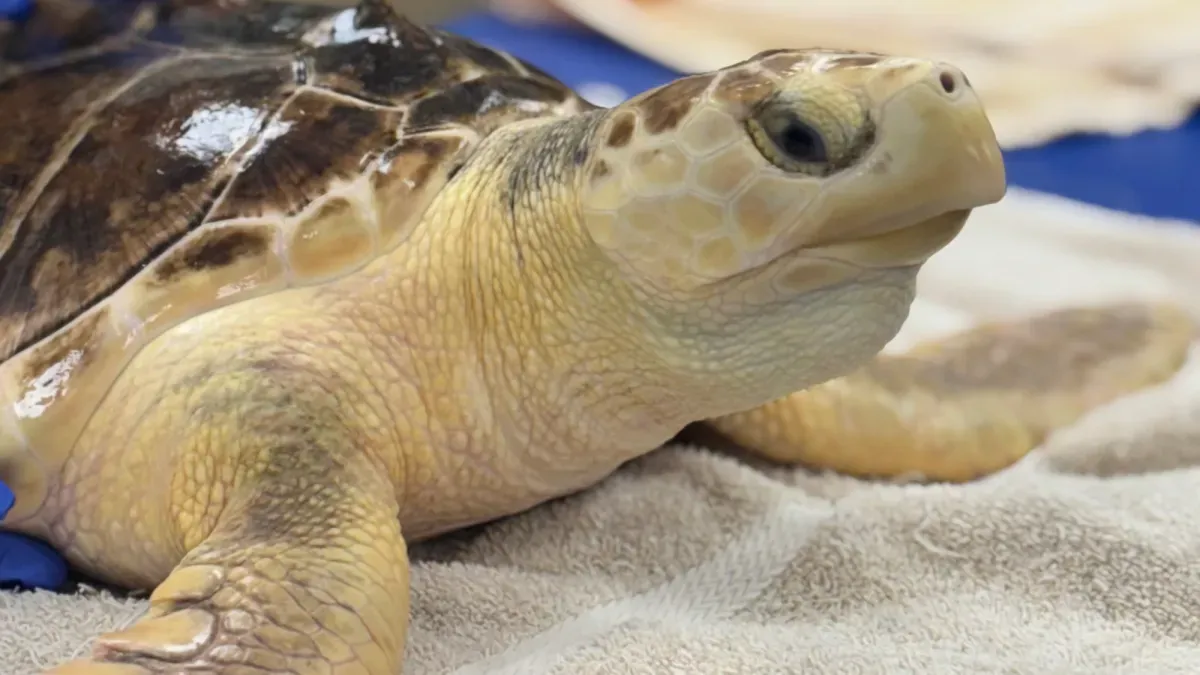
A rare hybrid sea turtle, Earl Grey, is recovering at the Georgia Sea Turtle Center. Born to a Kemp's ridley mother and Loggerhead father, this first-generation cross is a conservation marvel.

A plant species, long presumed extinct, has been rediscovered after an unlikely chain of events.

Etsy bans fur after 58-day protest! Germany's 200-foot coal craters are now swimming holes. Plus, Cambodia honors a landmine-detecting rat.
Know someone who needs a boost? Share Brightcast with your friends and family.

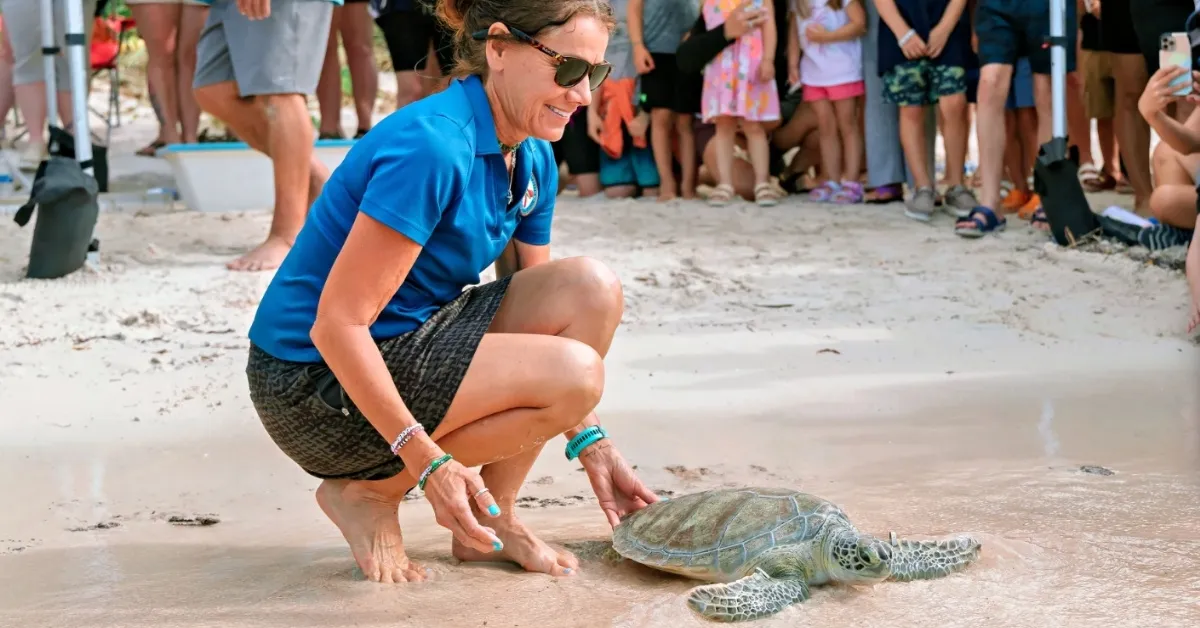
Tangled in fishing line, covered in tumors, and with more line in her stomach, Nutella, a small green sea turtle rescued in Key Largo, was a "long shot" at The Turtle Hospital.

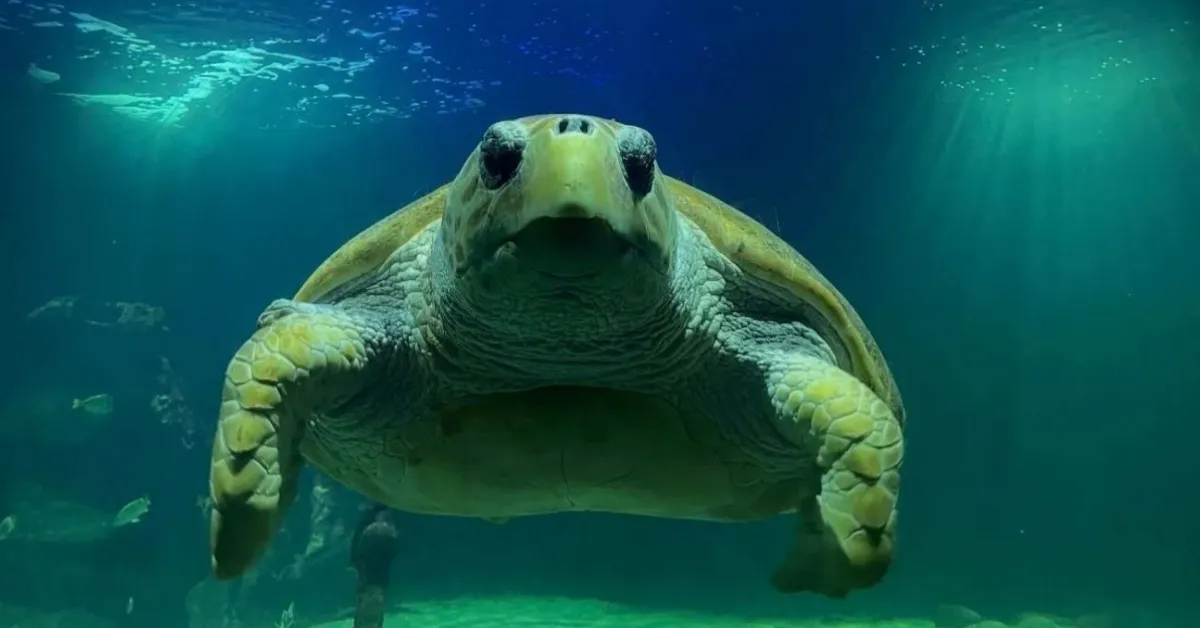
A loggerhead sea turtle, "Molly," washed ashore in Ireland in 2004 with severe flipper injuries, likely from a shark attack. She spent 22 years recovering at Dingle Oceanworld Aquarium.

Frustration mounts as 60 countries meet in Colombia, seeking new climate solutions. The UN's deadlock on fossil fuels has sparked unprecedented talks to finally ditch them.

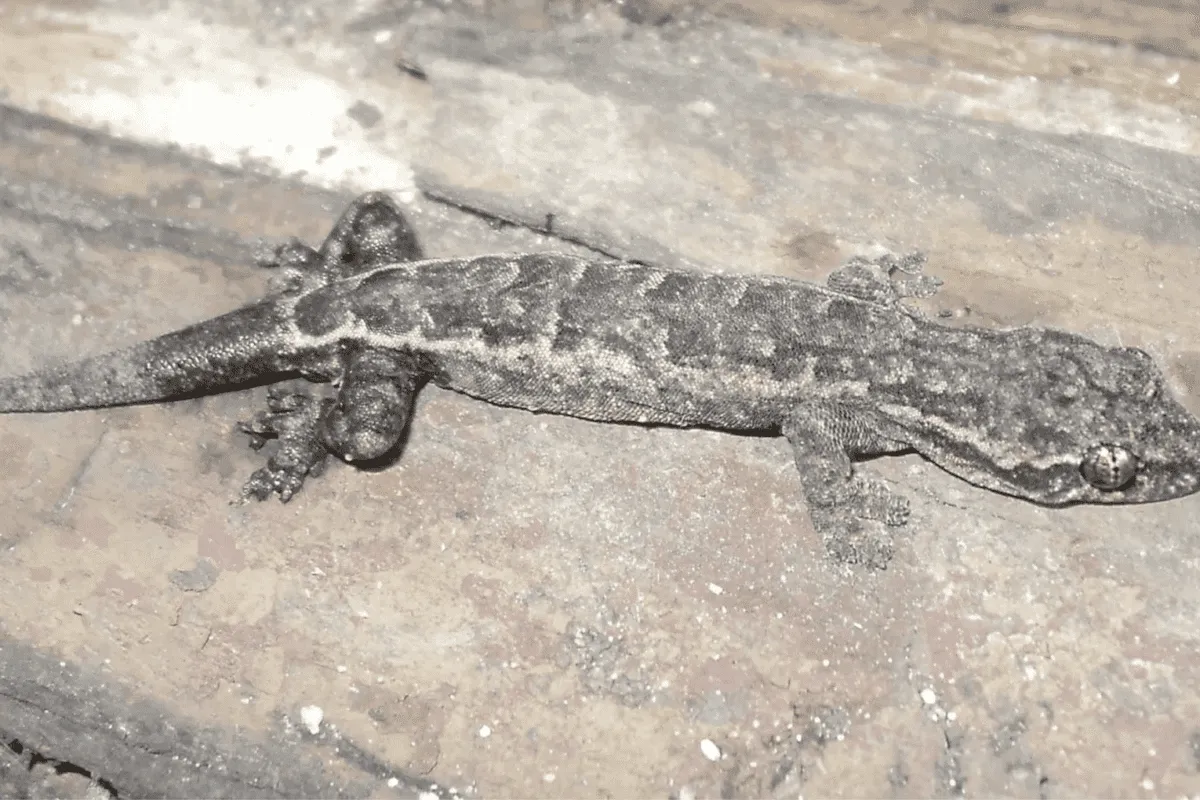
Vietnam's karst forests just revealed their 12th gecko species! Meet Ziegler's Slender Gecko, a new discovery highlighting the overlooked biodiversity of this rugged landscape.

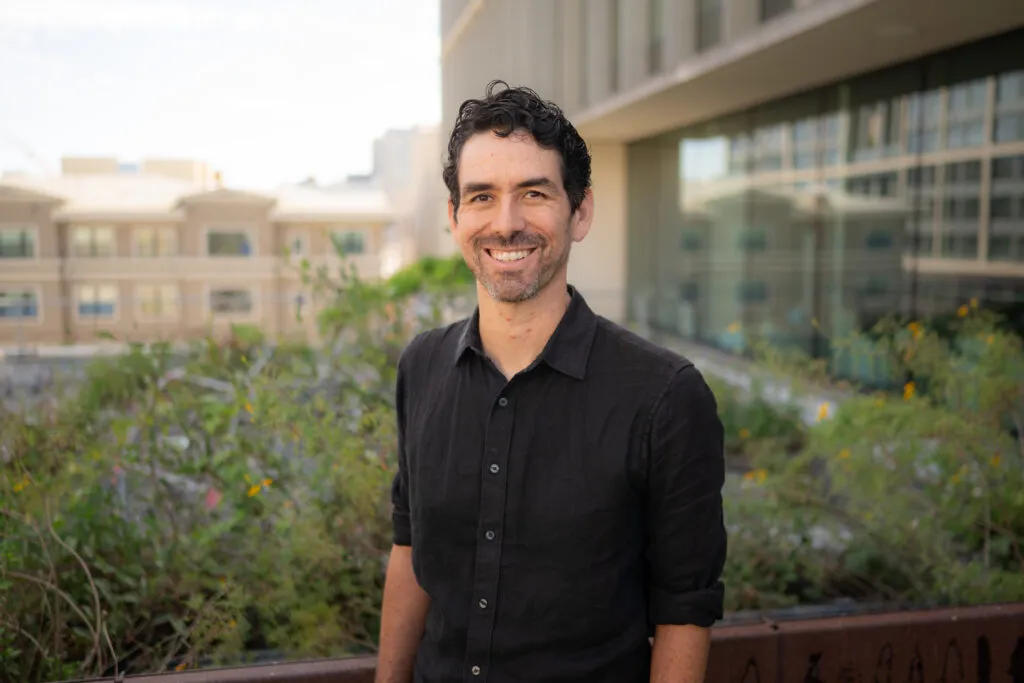
Air pollution and oil/gas emissions threaten communities. Assistant Professor David J.X. Gonzalez is on a mission to protect public health from these environmental harms.
Download the Brightcast app for a better reading experience, daily notifications, and offline access.
Download App
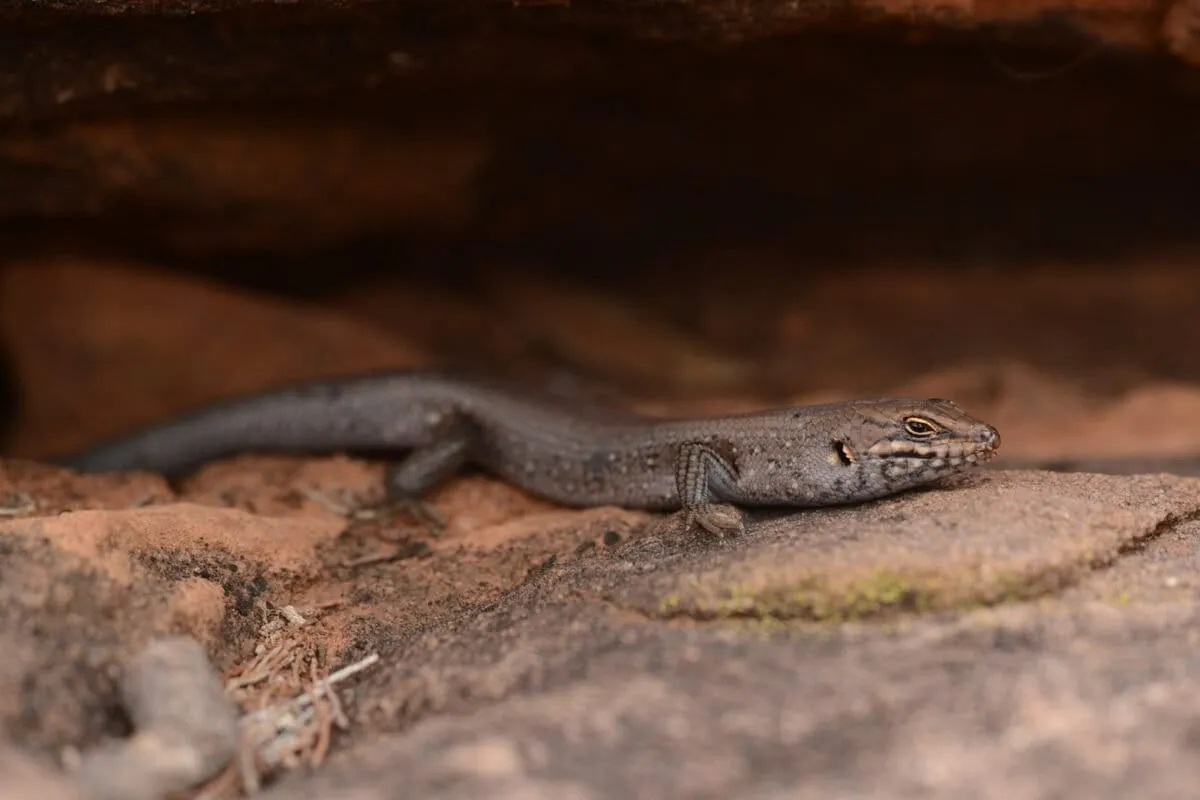
A new skink species, Liopholis mutawintji, may be Australia's most threatened reptile. Fewer than 20 individuals live in a single rocky gorge in Mutawintji National Park.

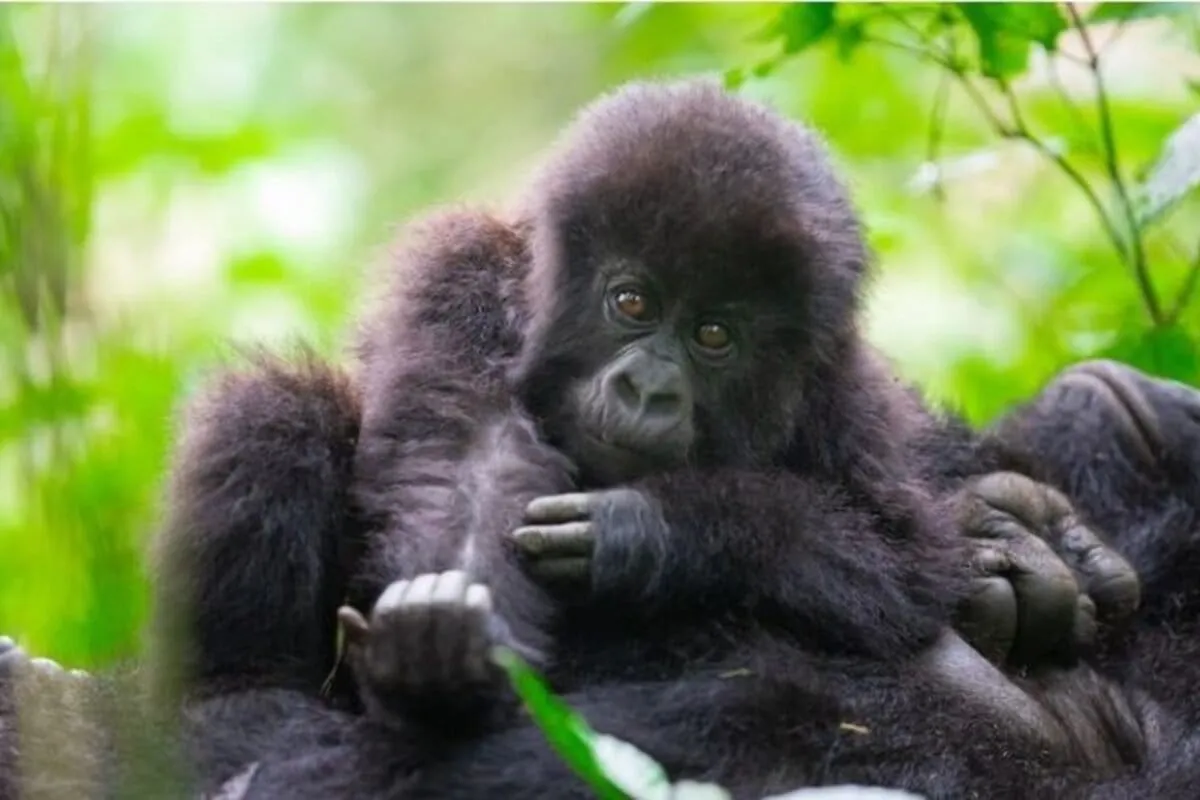
Mountain gorillas, once near extinction, are back! Their population surged 73% since 1989, upgrading them from critically endangered. But with only 1,063 left in war-torn Virunga, they're still imperiled.

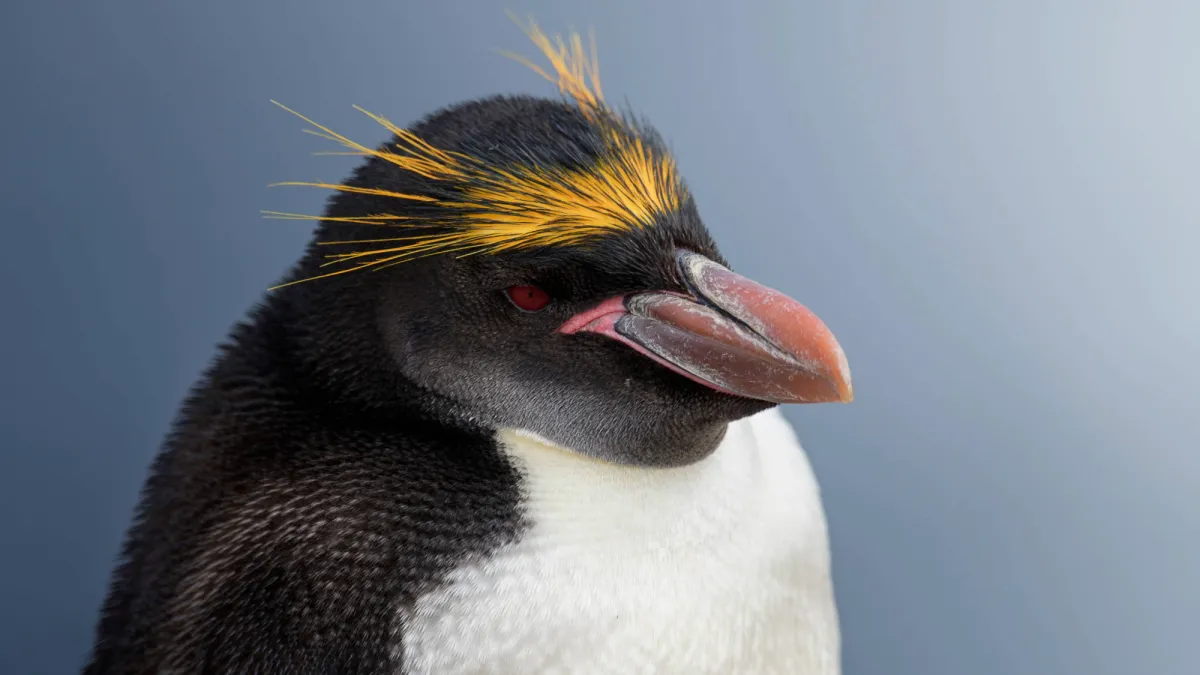
Don't let the macaroni penguin's goofy look fool you. Beneath those bright-yellow plumes are muscles built for powerful movement, allowing these South Atlantic birds to "fly" through water and walk efficiently.

From glowing lunar minerals to wildflowers reclaiming city spaces, today's news highlights quiet resilience and steady progress. Plus, relief for flat-faced dogs!

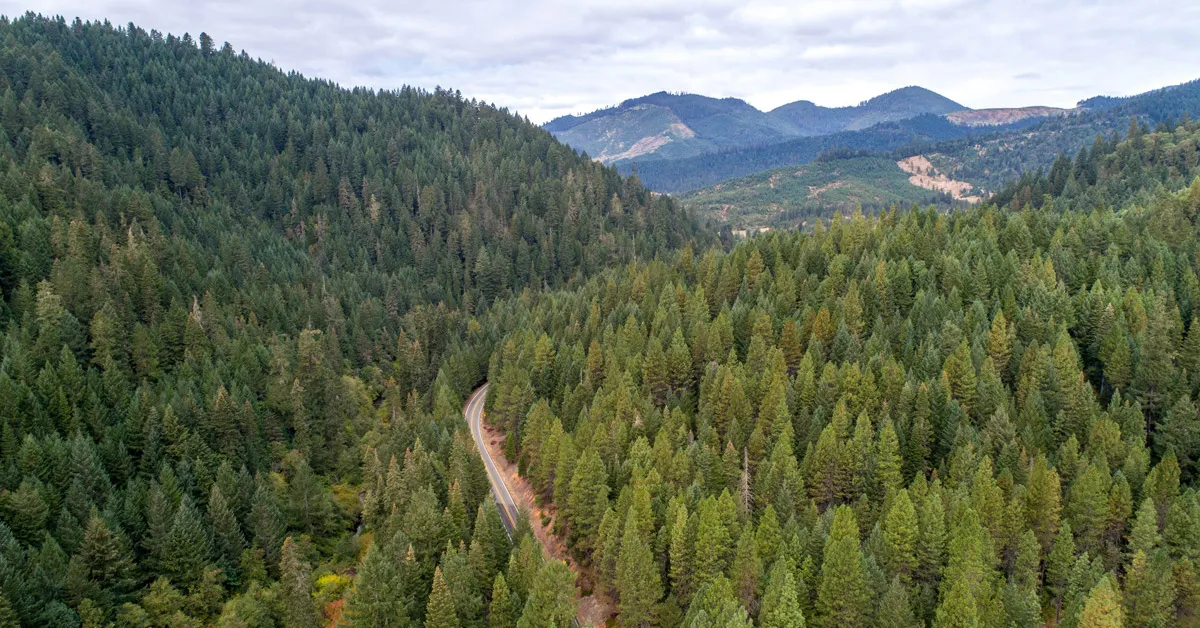
1 trillion trees will be planted this decade to fight climate change. But many won't survive, or could become "biological deserts" lacking healthy forest richness.
Join 50,000+ readers who receive our daily digest of the most uplifting stories from around the world.

Deforestation fragments amphibian habitats, disrupting their microbiomes and increasing disease risk. This troubling finding may apply to many species, but offers new conservation hope.

Step into a Jaipur building at 40°C, and it's 5-6 degrees cooler—without AC. This net-zero cooling station uses smart, climate-responsive design to combat India's heatwaves.

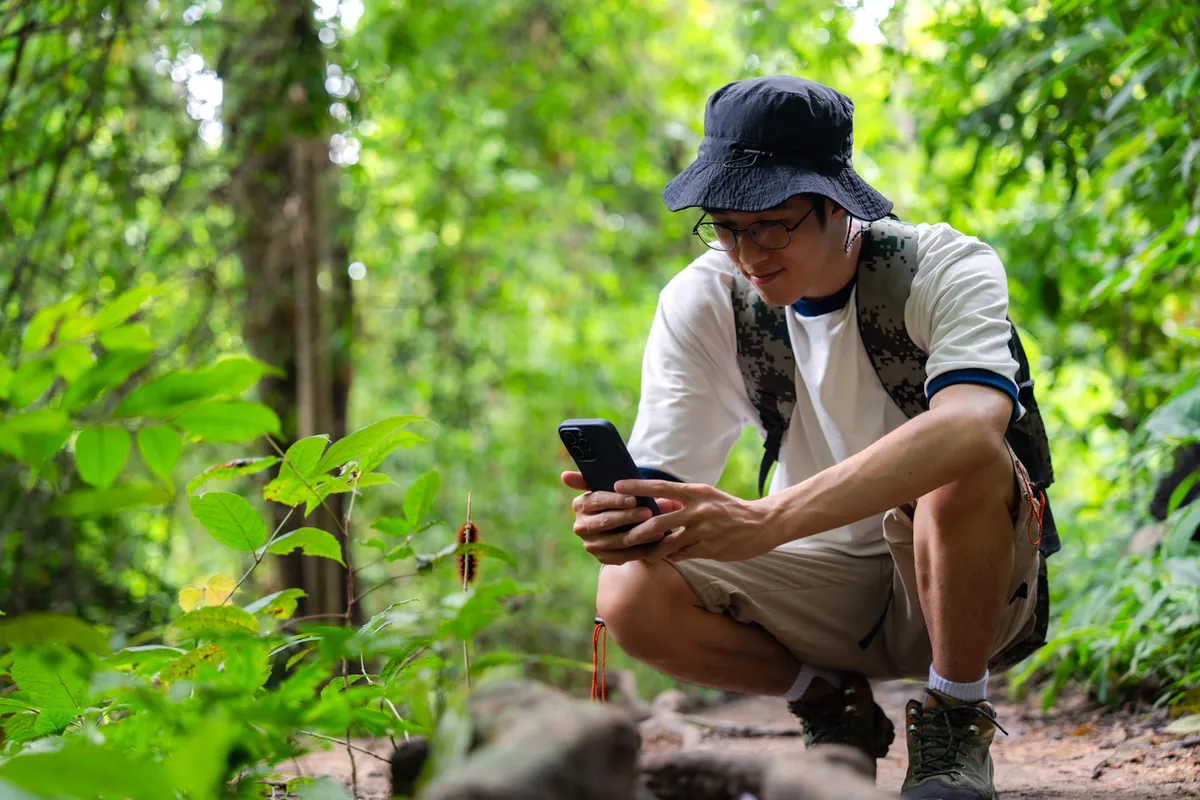
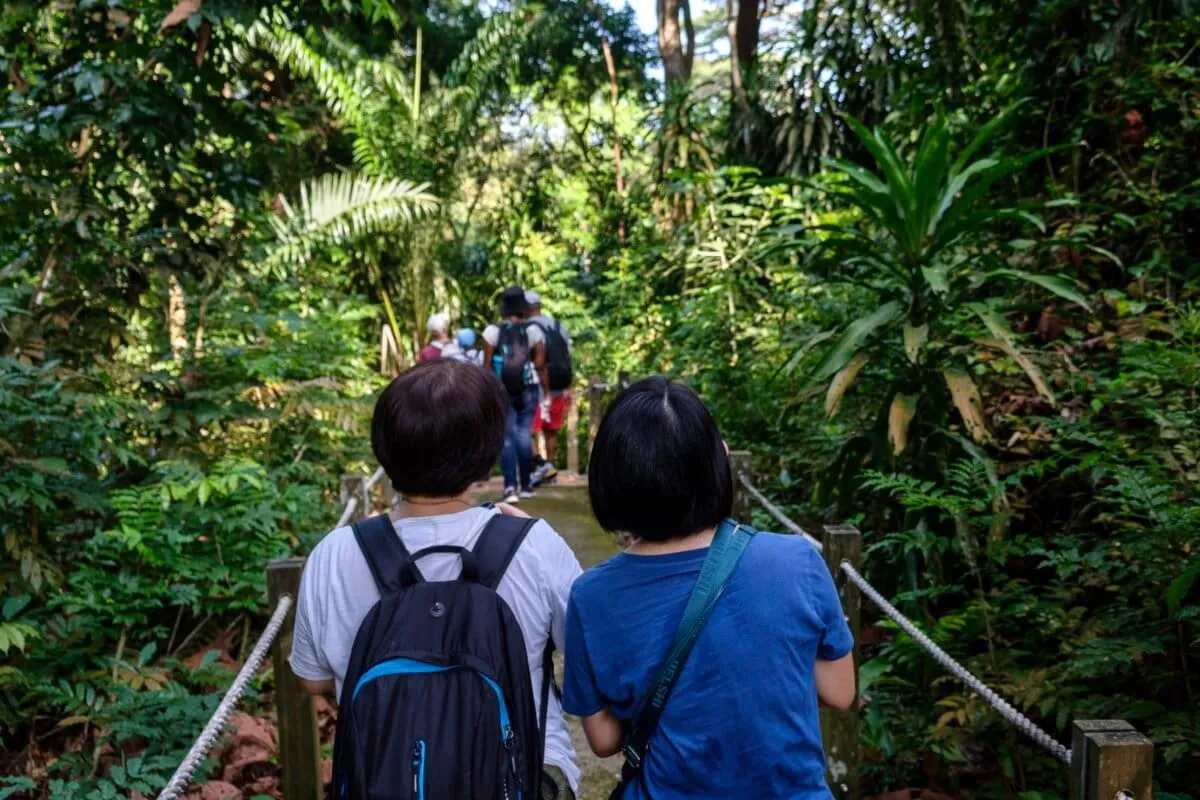
For 8 years, Lay Hoon has monthly searched a Singapore forest for one of the world's most threatened primates. She scans the canopy, listening for the rustle that signals a rare langur.

US-Israel's war on Iran has crippled global energy, bottlenecking 20% of oil and LNG. Its climate impact is unknown, but new reports reveal our pre-conflict path.

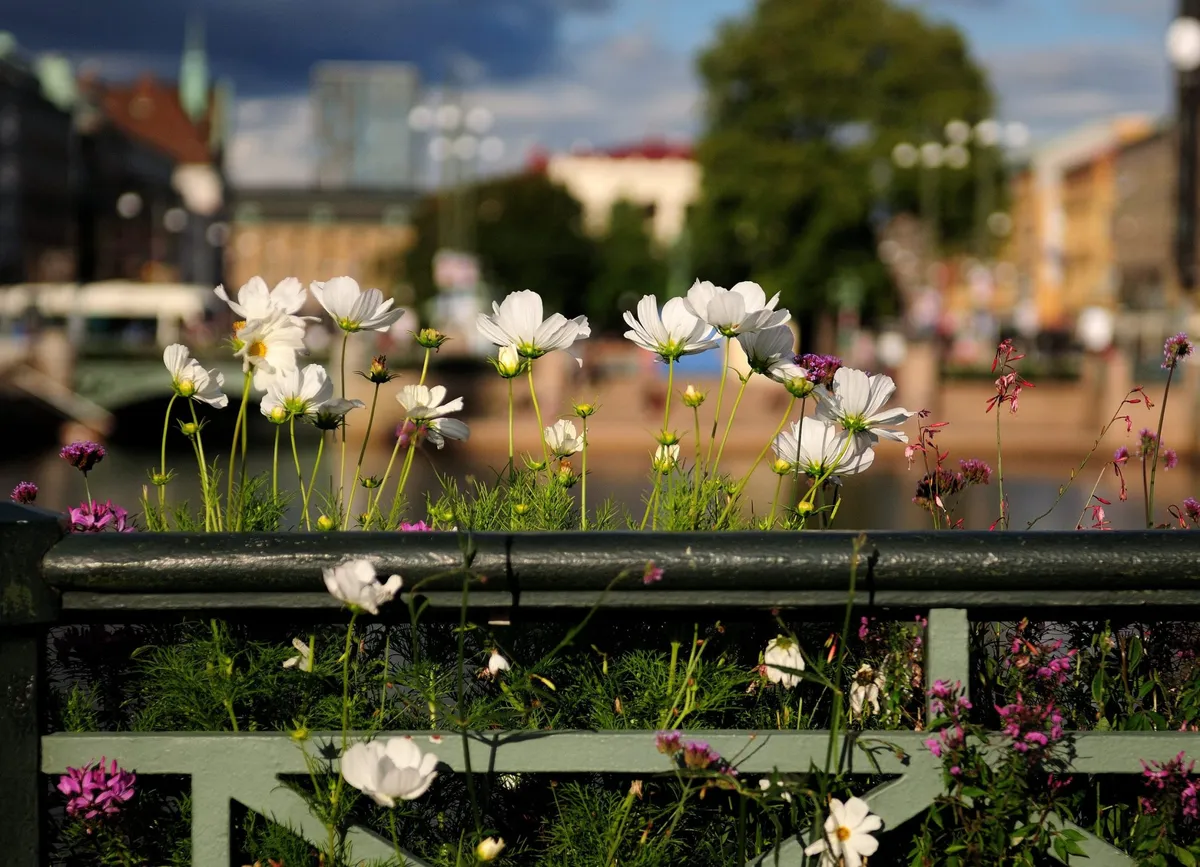
Wildflowers are thriving in an unexpected place: cities. Urban environments, with their stressful conditions and diverse, fragmented habitats, offer a unique refuge from dominant plants, allowing wildflowers to flourish.
Brightcast is dedicated to restoring faith in humanity by highlighting the progress, solutions, and kindness that often go unnoticed. We believe in a balanced worldview.
Read our full mission →
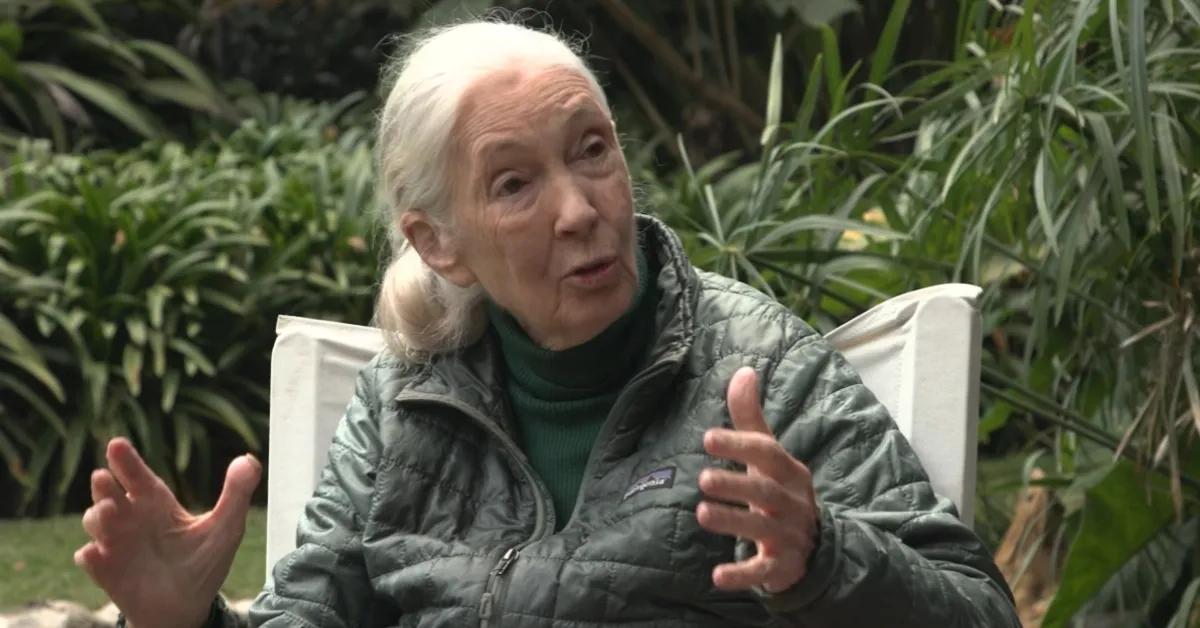
Dr. Jane Goodall, who passed away October 1, 2025, at 91, shared a previously unaired interview. She spoke with Dax Dasilva about the power of small actions and maintaining hope.

January 1969: An oil platform blowout off Santa Barbara unleashed over three million gallons of crude. Beaches darkened, marine life died. It was the largest oil spill in U.S. history.

WSU turned sewage sludge into a valuable energy asset. A pilot program validated a method that produces cleaner natural gas more efficiently, cutting waste disposal costs in half and boosting gas production by 200%.

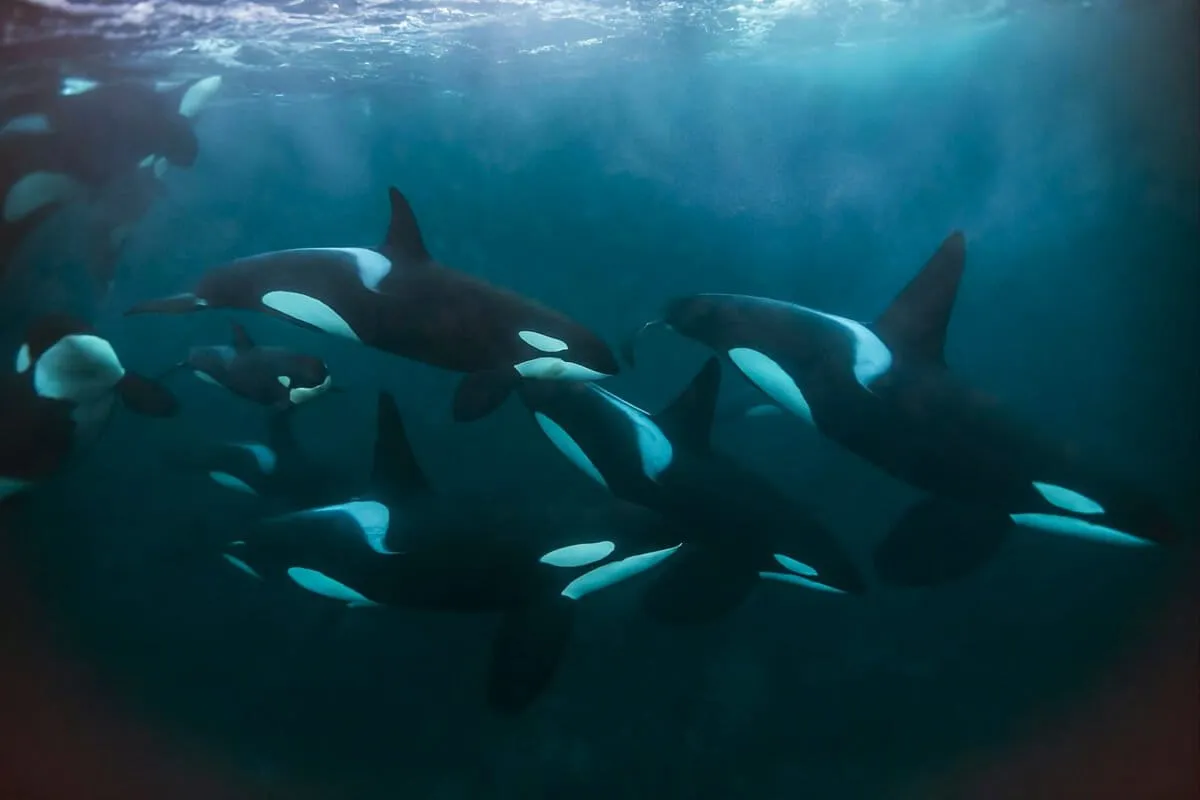
Protecting endangered "southern resident" orcas demands knowing their exact location. A new AI initiative, OrcaHello, analyzes ocean sounds to detect these whales in real-time, minimizing human impact.

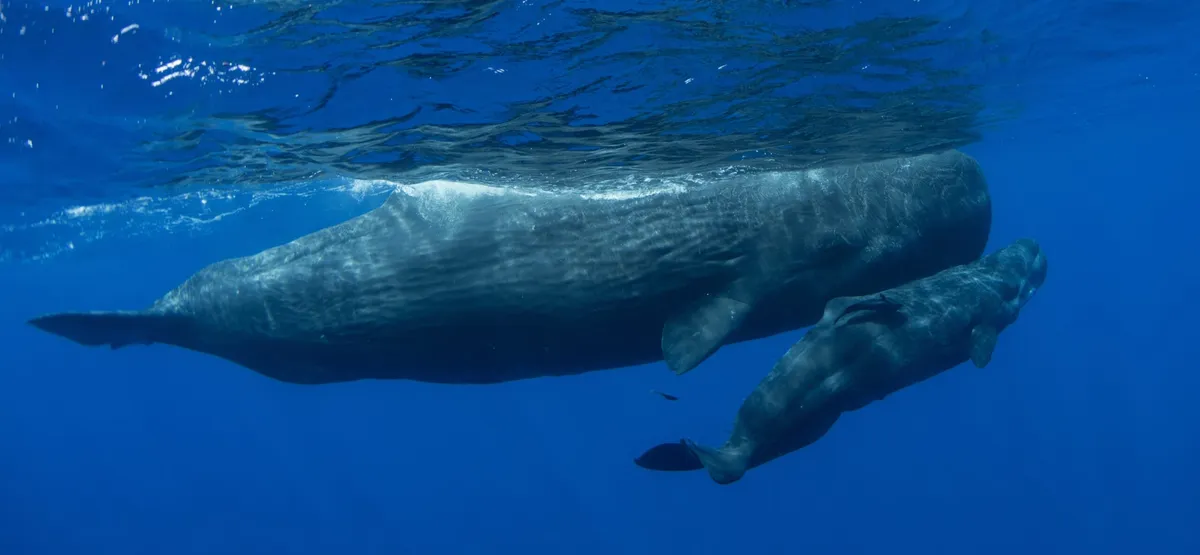
Think you're nothing like a sperm whale? Think again. New research reveals their complex clicking communication closely mirrors human language, a fascinating discovery shared by RTBC's Michaela Haas.
Know someone who needs a boost? Share Brightcast with your friends and family.

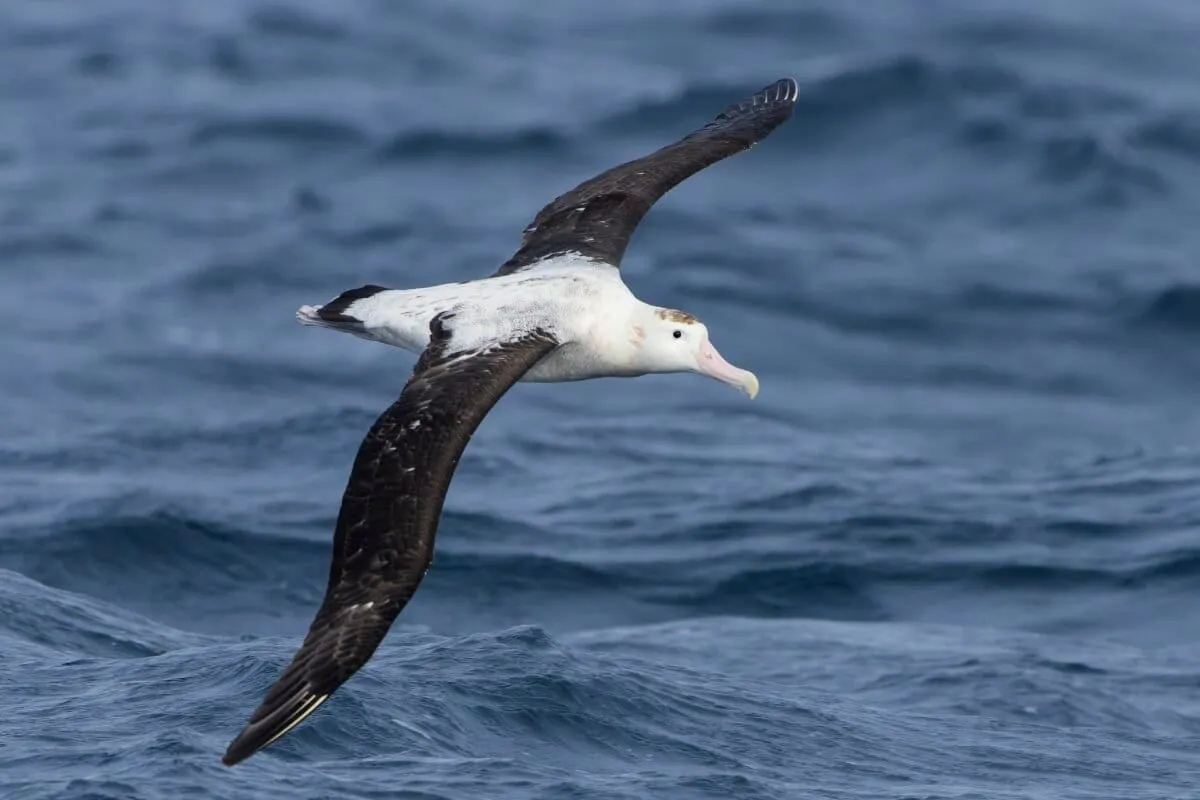
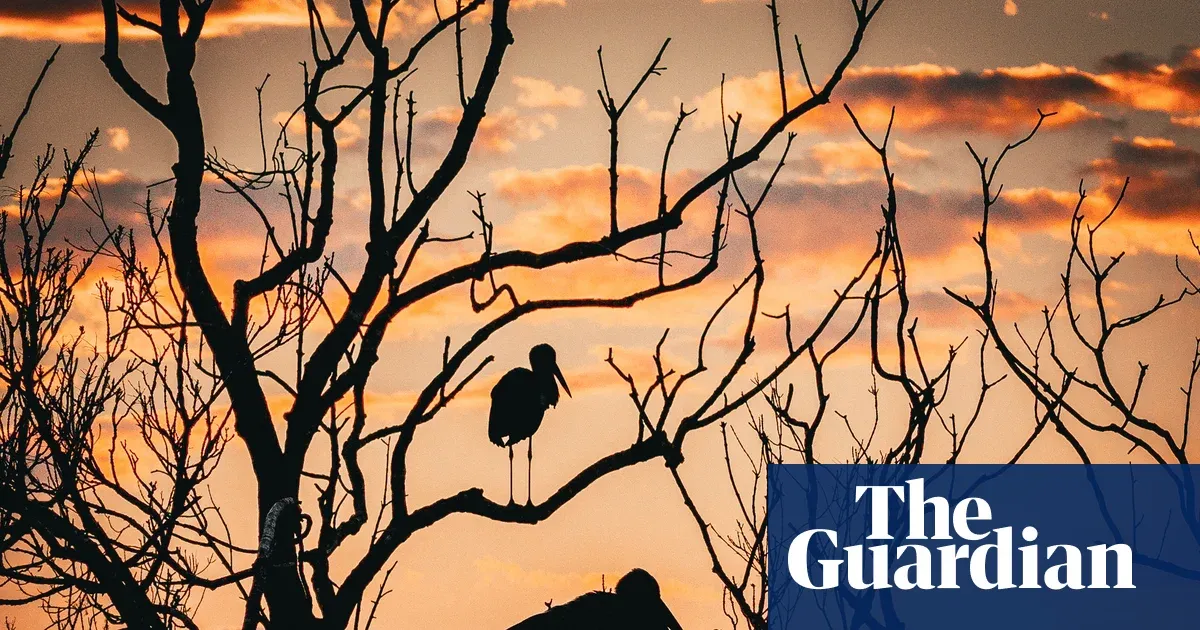
Migratory birds navigate vast ocean flyways. Six of these critical marine routes are now formally recognized by the U.N., thanks to new scientific findings published in the Journal of Applied Ecology.

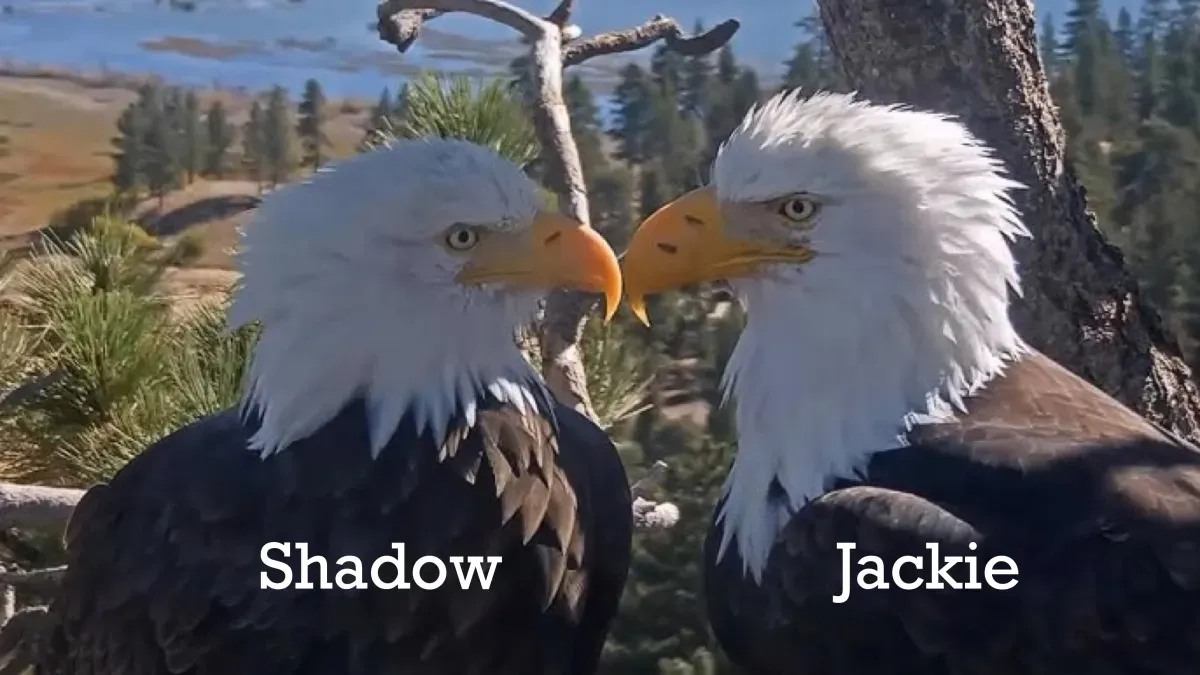
Struggling to tell Jackie and Shadow apart on the nest? Friends of Big Bear Valley reveals the secret: Jackie is bigger!

Golden retrievers are common, but 202 dog breeds exist! While French bulldogs remain #1, the rarest dog in the US just changed. Spotting a Norwegian Lundehund? You're lucky.

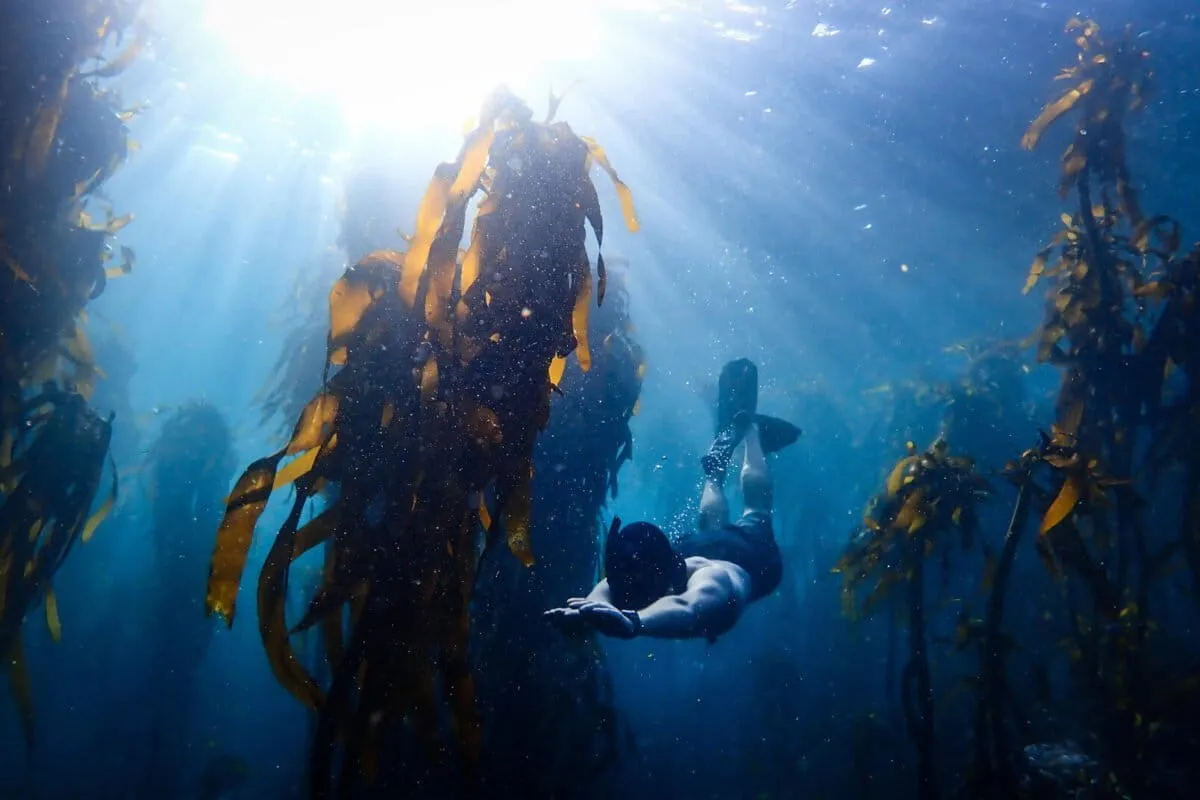
Dive into the Great African Seaforest: 30-foot kelp forests create a surreal underwater world. Fish swim like birds through towering stipes, a unique experience even for marine biologists.

Unesco sites are wildlife havens! New research shows threatened species and habitats are recovering within these protected areas, a stark contrast to global wildlife declines.